Have you ever wondered if a vegetarian diet truly meets your body’s nutritional needs? Many people worry that eating plant-based might miss out on some key nutrients like vitamin B12 (which helps with nerve function and blood cell health), iron (crucial for energy) and protein (the building block for muscles).
This article breaks down the must-have nutrients for vegetarians, offering clear, research-based tips and easy food pairings. Think of it like piecing together a puzzle, each food choice adds a bit more support to your overall health.
Ready to learn how simple changes can boost your energy and keep your immune system strong? Let’s explore how a well-planned vegetarian diet can meet all your needs while keeping mealtime fresh and satisfying.
Key Essential Nutrients for Vegetarians

Whether you’re just starting out with a vegetarian lifestyle or you’ve been at it for years, a balanced plant-based diet means getting all the nutrients your body needs. This advice leans on trusted UK guidelines and solid research like the Composition of Foods by Widdowson & McCance. If you’re curious about how to mix and match foods for balanced nutrition, check out our guide on creating a balanced diet. The plan is designed for everyone, and it even points out extra nutritional tips for those who are pregnant or breastfeeding. By making smart food choices, you can enjoy nutrient-packed legumes and fresh green superfoods while covering all your vitamin and mineral needs.
Here’s a quick rundown of the essentials:
- Protein: Helps repair tissues and supports enzymes.
- Vitamin B12: Essential for creating DNA and keeping nerves healthy.
- Iron: Moves oxygen around your body and boosts energy levels.
- Calcium: Keeps your bones strong and aids nerve communications.
- Omega-3 fatty acids: Support brain development and keep your heart in good shape.
- Vitamin D: Helps your body absorb calcium and strengthens your immune response.
- Zinc: Bolsters your immune system and speeds up wound healing.
- Iodine: Plays a key role in regulating thyroid hormones.
Focusing on these important nutrients lets you build meals that meet your daily needs and encourage healthy eating habits. With some planning and attention to food pairings, a vegetarian diet can be full of the goodness your body craves. Even small steps, like checking your nutrient intake or discussing tweaks with a health professional, can have a big impact on your long-term well-being. Enjoying a vibrant plant-based lifestyle is both achievable and supported by solid, evidence-based guidance at every stage of life.
Optimizing Plant‐Based Protein and Complete Amino Acids
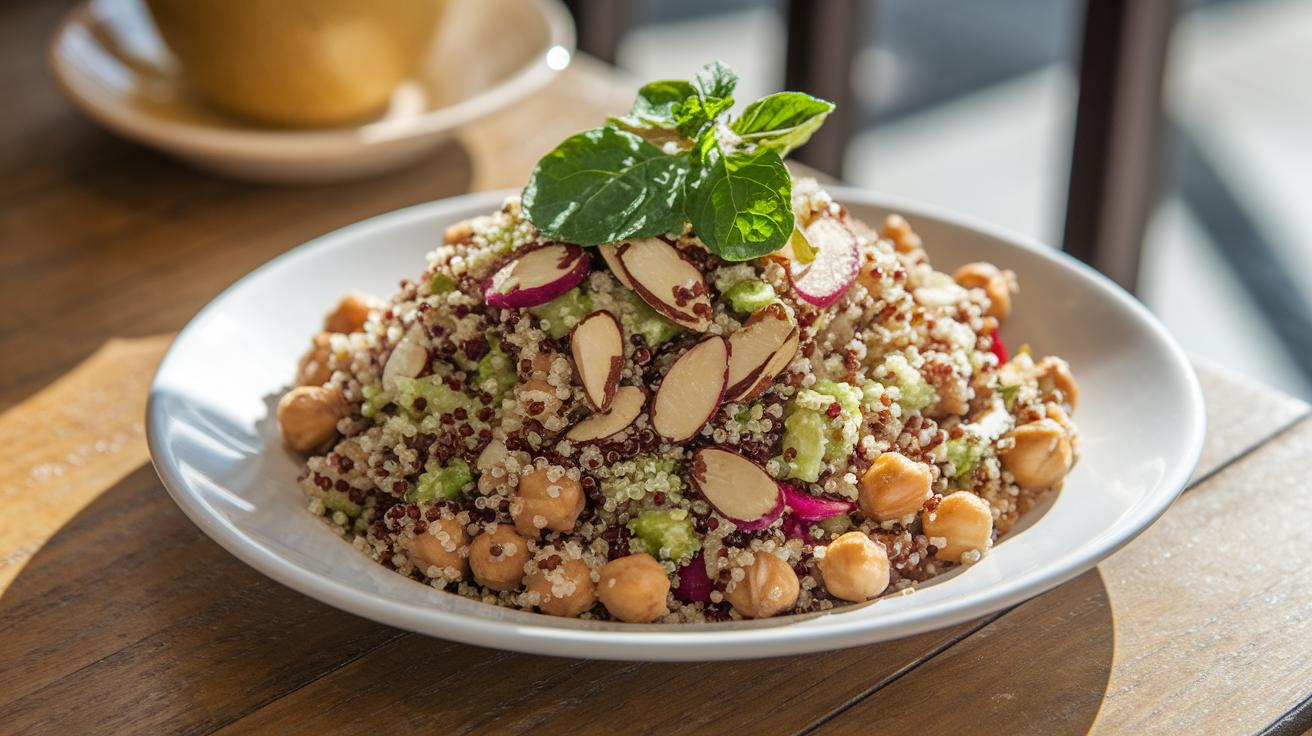
Eating a vegetarian diet means you need to plan a bit more carefully to hit your protein goals. A lot of plant proteins are missing one or more of the essential amino acids (the little helpers that repair tissues and get enzymes working). But here’s the good news: mixing legumes, grains, nuts, and seeds can give you a complete set, kind of like putting together a puzzle where every piece fits perfectly.
Research shows that when you combine different protein sources, not only do you pack more nutritional punch, but your body also absorbs the protein better. For example, think about serving beans with rice, or tossing a handful of nuts into a fresh salad. These combinations fill in the missing gaps in amino acid profiles, making meals both balanced and truly beneficial.
- Lentils (18 g protein per cooked cup)
- Chickpeas (15 g per cooked cup)
- Quinoa (8 g per cooked cup; this one's a complete protein)
- Almonds (6 g per ounce)
- Tofu (10 g per half-cup)
By weaving these top plant protein sources into your daily meals, reaching your protein target becomes natural, and you get to enjoy an array of flavors and textures. Imagine protein like puzzle pieces coming together to create a full picture of your health. Whether you opt for quinoa mixed with crisp steamed veggies or dive into a hearty tofu stir-fry, each option offers a simple, effective way to boost your plant-based protein intake while keeping your meals exciting and nutrient-rich.
Vitamin B12 Strategies for Vegetarians

Vitamin B12 is a must-have nutrient that keeps your nerves in check and helps with DNA creation, even though it mostly comes from animal products. This means if you're vegetarian, or especially if you're vegan, you need to pay extra attention to getting enough B12. Pregnant and breastfeeding folks should be particularly careful, since low B12 can impact a baby’s brain development. Think of it like the spark that keeps your body's messages flowing smoothly.
Fortified plant milks, nutritional yeast, and other B12-enhanced foods are reliable, plant-based ways to fill the gap. Many people enjoy adding these into their meals, imagine a bowl of fortified cereal with plant milk or a salad sprinkled with nutritional yeast as a tasty, everyday hack to boost your intake.
If you’re having trouble meeting your B12 needs just through food, supplements can be a practical option. A daily or weekly B12 supplement can help keep your levels where they need to be, but it’s always a good idea to chat with a healthcare professional about what dosage is right for you. This way, you'll ensure your body is getting the right amount of this all-important vitamin.
Maximizing Iron Absorption from Plant Sources
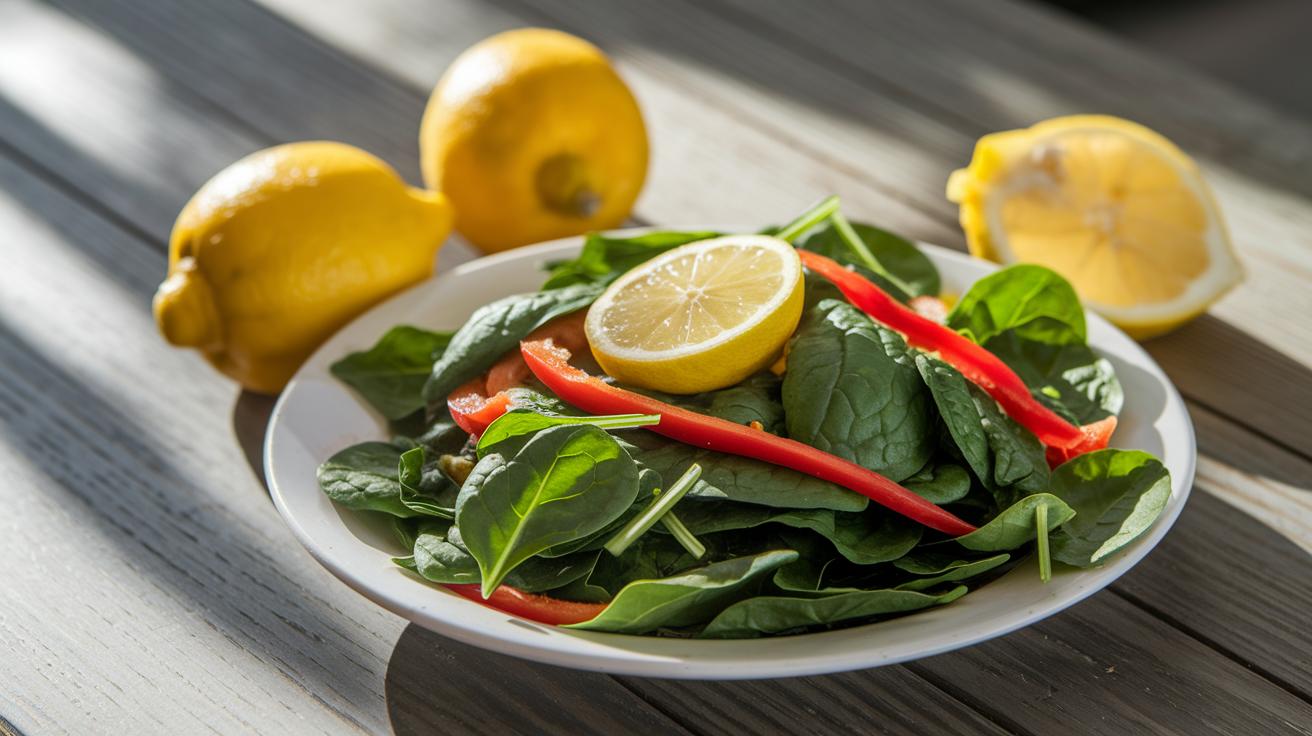
Vegetarian diets offer plenty of plant-based foods loaded with iron, but the kind of iron they provide, non-heme iron, is not as easy for your body to absorb compared to iron from meat sources. However, with a few thoughtful tweaks in how you prepare and combine your meals, you can seriously boost your iron absorption. For example, pairing dishes rich in non-heme iron with ingredients full of vitamin C can really help your body get more out of the iron. Also, using cooking and preparation methods that cut down on natural inhibitors in plants makes a big difference.
Improving Non-Heme Iron Absorption
Mixing iron-rich foods with vitamin C is a simple yet effective trick. Try tossing some spinach or lentils with citrus fruits or even bell peppers. A splash of lemon over your leafy salad can give your meal that extra vitamin C kick, helping you absorb the non-heme iron more efficiently. It's a small change that can have a big impact on your health.
Reducing Inhibitors of Iron Uptake
Some natural substances in your food, like phytates and calcium, can actually block iron absorption. Soaking or sprouting legumes and grains can lower these inhibitors, making the iron easier for your body to use. Another handy tip is to have your tea or coffee separate from your meals, this simple habit prevents those drinks from interfering with iron absorption. These little adjustments in your routine can really boost how well your body captures the iron from your vegetarian dishes.
By paying attention to how you combine and prepare your foods, you can make sure your meals work harder in helping you get the iron you need. These easy strategies can help keep your body fueled and healthy, ensuring your vegetarian diet is as effective as possible in meeting your nutritional needs.
Calcium, Bone Health, and Vegetarian Diets
Calcium is a key mineral that builds and keeps bones strong. It also helps muscles work smoothly and makes sure your nerves send the right signals. Research says that getting between 700 and 1000 mg of calcium daily can help maintain bone density and reduce bone loss, which is especially important in vegetarian diets. Beyond just keeping your bones healthy, calcium plays a big part in many of your body’s essential functions.
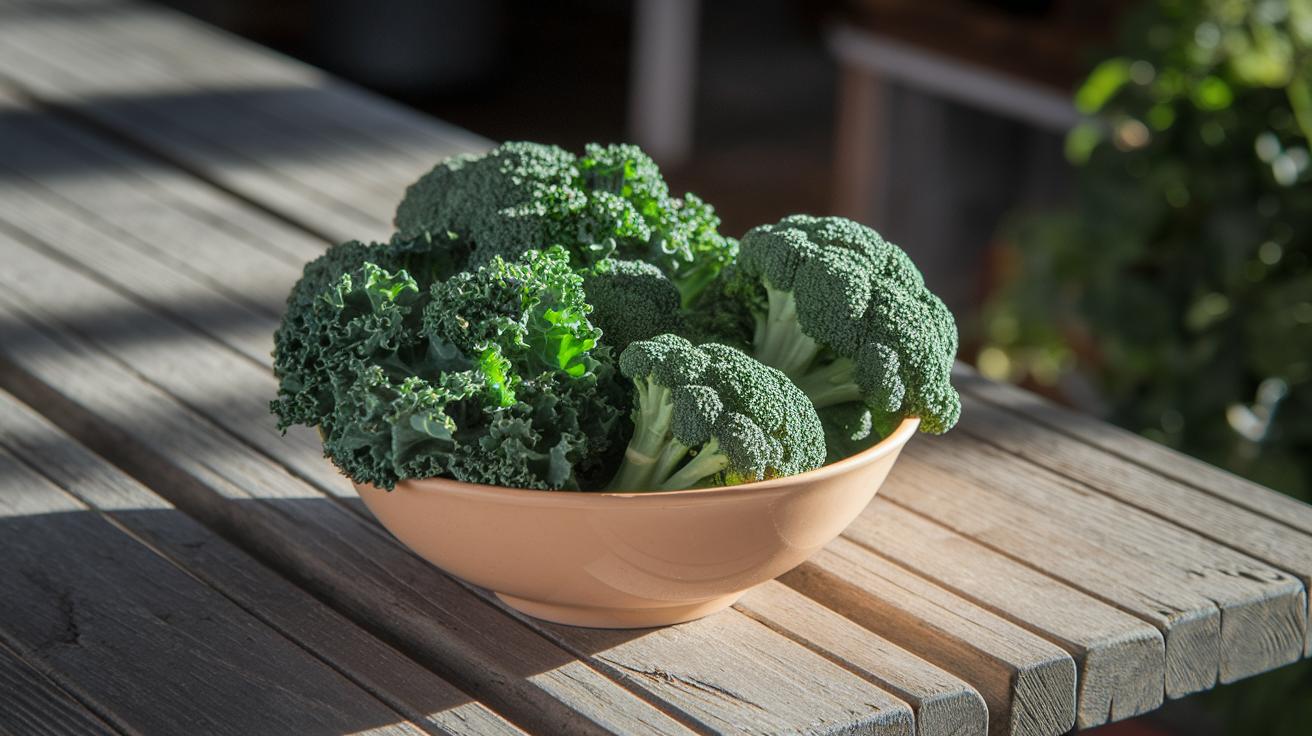
Vegetarians have plenty of tasty, plant-based foods to help reach these calcium goals. For instance, calcium-set tofu can deliver about 253 mg per 100 grams, while many fortified plant milks provide around 300 mg per cup. Even greens like kale and vegetables like broccoli add their share, kale offers roughly 90 mg per serving, and broccoli contributes about 43 mg per cup. Adding these foods to your meals is a natural way to meet your daily calcium needs and look after your bones.
Vitamin D is essential too because it helps your body soak up calcium more effectively. A bit of sun or choosing vitamin D–fortified foods can make a big difference in how well your body uses the calcium from your diet. By pairing these foods, you ensure that the calcium gets used properly, supporting a strong, resilient skeletal structure and boosting your overall well-being.
Plant-Based Omega-3s and Healthy Fats
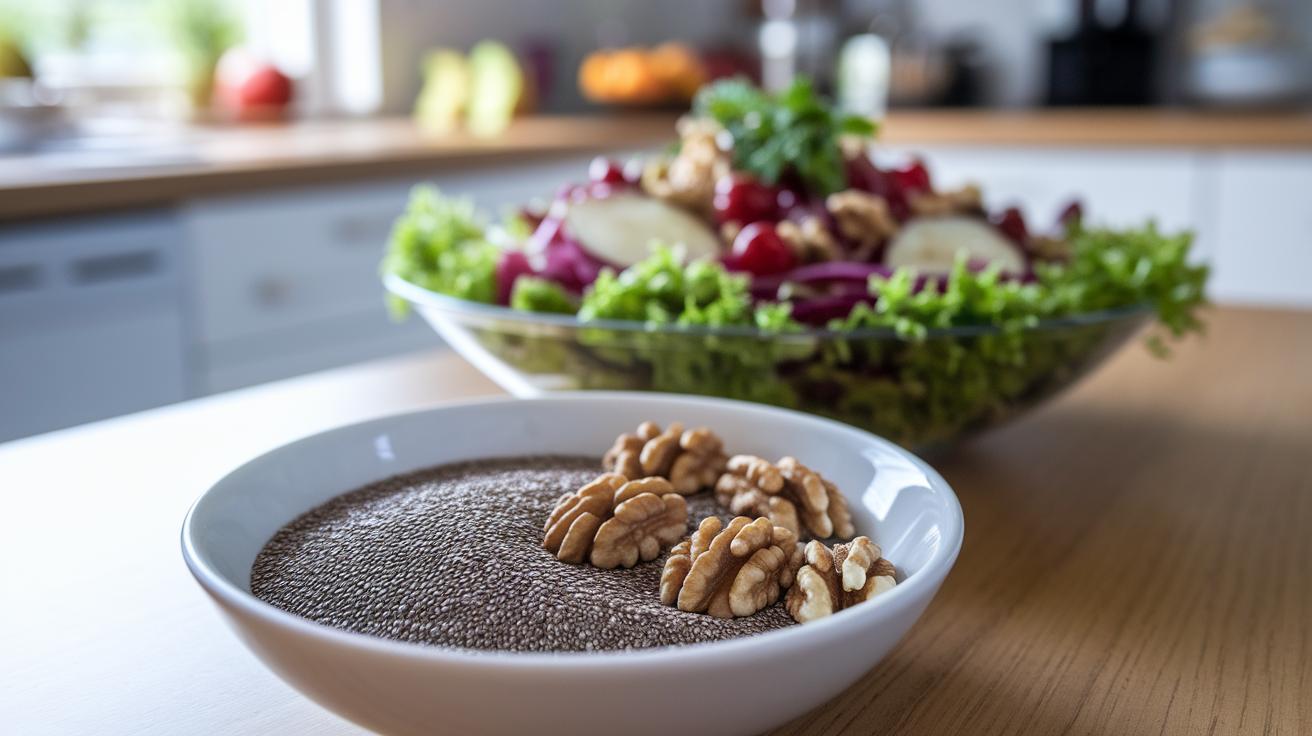
Eating a plant-based diet means you’re getting the good fats your body needs for a happy heart, a sharp brain, and overall well-being. One of these fats is ALA, an omega-3 found naturally in foods like flaxseed, chia seeds, and walnuts. Even though your body only turns ALA into EPA and DHA in small amounts, this process helps cut down on inflammation and supports your heart.
Did you know that just a tablespoon of chia seeds can give your ALA intake a helpful boost? Health experts suggest getting about 1.1 to 1.6 grams of ALA every day, and starting with something as simple as adding flaxseed to your smoothie or sprinkling walnuts on your salad can really set the stage for a nutrient-filled meal plan.
If you’re vegetarian or simply love plants, you can also explore algae-based supplements. These provide EPA and DHA directly, skipping the conversion step, and help keep your brain sharp while easing any inflammation. Simple changes like drizzling flaxseed oil over your salad or munching on a handful of walnuts are easy ways to keep your diet heart-smart and true to your plant-based lifestyle.
Additional Micronutrients: Vitamin D, Zinc, Iodine, and Choline
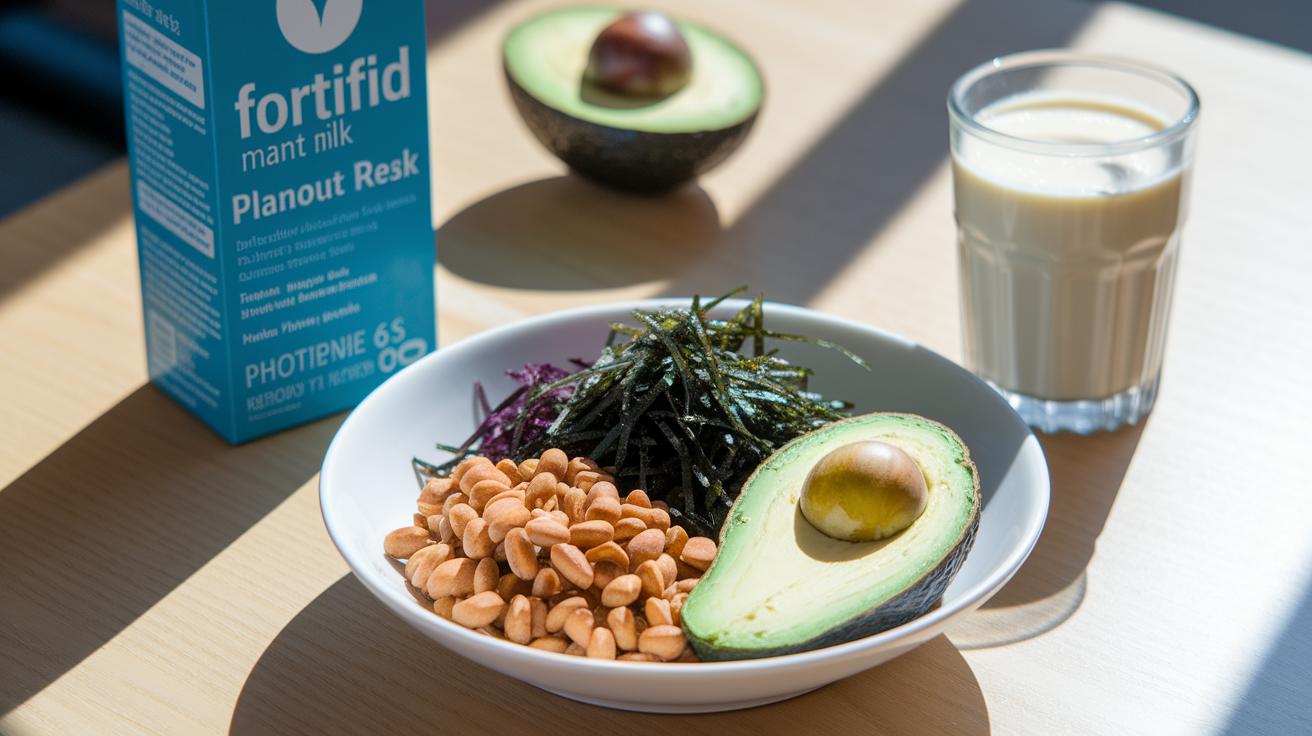
Vitamin D is a must-have. It helps your body soak up calcium for strong bones and gives your immune system a boost. If you follow a vegetarian diet, try catching a little sun, or opt for fortified plant milks and cereals. Even a splash of fortified orange juice works wonders. And pairing these options with a bit of healthy fat, like a drizzle of olive oil or a few slices of avocado, helps your body make the most of the vitamin.
Zinc is another key player. It supports your immune system, aids enzyme functions, and helps heal wounds. You can find zinc in plant-based foods like legumes, seeds, and whole grains. One little hiccup, though: these foods have phytates, natural compounds that can hold back zinc absorption. A simple trick like soaking or sprouting can lower those phytates, making zinc easier for your body to use.
Iodine keeps your thyroid happy and active, which in turn helps manage your metabolism and energy levels. Vegetarians can get iodine by using iodized salt or by enjoying small portions of seaweed. Since iodine levels in plants can differ, it’s a good idea to keep an eye on your intake, especially if you’re pregnant and need that extra thyroid support.
Choline is all about supporting brain health and proper liver function. You’ll find choline in soy products and veggies like broccoli and Brussels sprouts. While these plant sources might offer less choline than animal products, mixing a variety of them throughout the day can help you hit your nutritional targets, keeping your brain sharp and your body running smoothly.
Meal Planning and Preparation Tips for Nutrient Balance
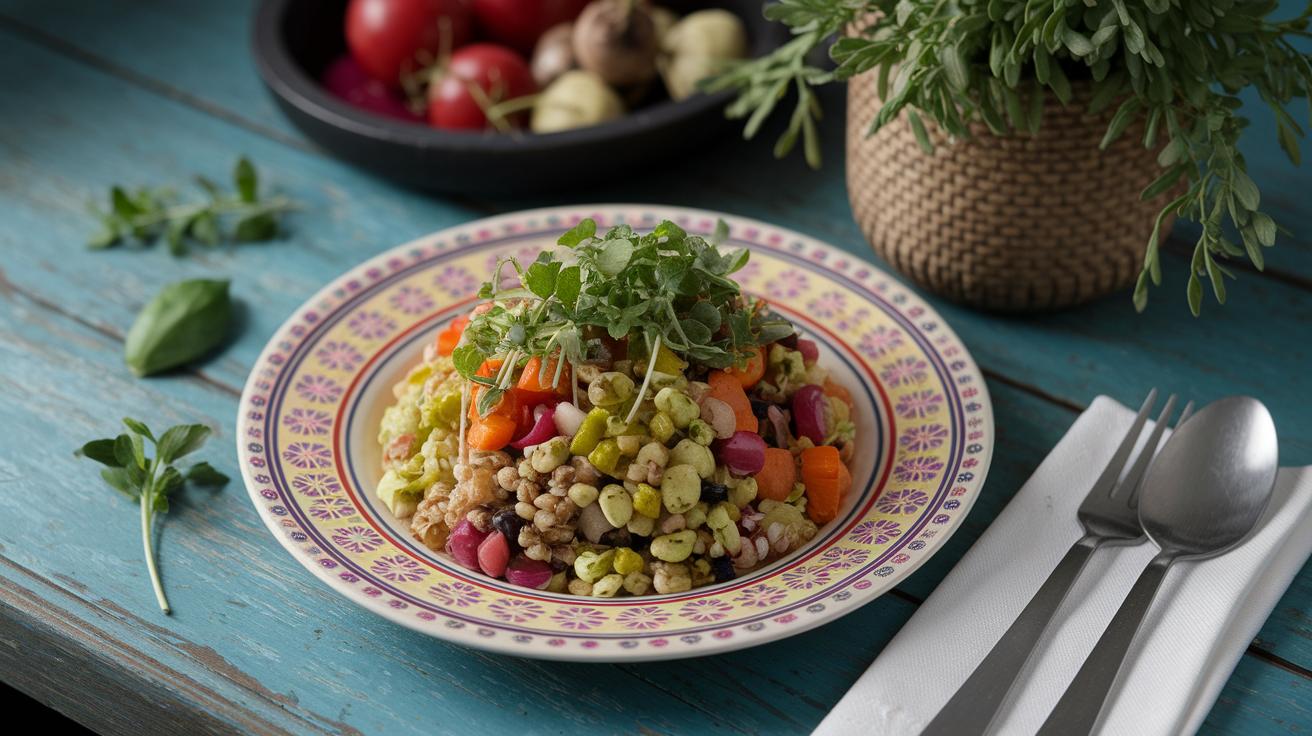
Start by looking at each meal as a blend of different food groups. Following the Eatwell guidance, mix your favorites so you're naturally covering a wide range of nutrients. Think of your plate as a vibrant palette, each food group adds its own essential touch, filling your day with vitamins and minerals.
Modern cooking methods can actually help your body soak up more nutrients. Techniques like fermentation, soaking, and sprouting gently break down grains and legumes, making them softer and easier to digest. And easy methods like steaming or roasting lock in vitamins while keeping that natural flavor you love. A few small tweaks in your routine can make a big difference.
Next, embrace seasonal produce to boost your meals with fresh, peak-quality nutrition. Rotating your fruits and veggies with the seasons means you get the best of what nature offers, sparking creative and varied meal ideas. This not only keeps your meals exciting but also helps you enjoy a balanced intake of key nutrients all year long.
Final Words
In the action, we reviewed the core building blocks of a healthy plant-based eating plan. We covered everything from nutrient-rich vitamins and minerals to smart meal-preparation tips that boost nutrient uptake. Our discussion touched on protein pairings, effective vitamin B12 strategies, and ways to improve iron absorption. Each section offers clear, everyday advice grounded in evidence. Embracing these practical tips and nutrient guidance can make all the difference. Remember, incorporating essential nutrients for vegetarians sets the stage for a balanced, healthier life.
FAQ
Q: What nutrients are essential in a vegetarian diet?
A: The essential nutrients for vegetarians include protein, vitamin B12, iron, calcium, omega-3 fatty acids, vitamin D, zinc, and iodine. These help support tissue repair, nerve health, energy production, and overall well-being.
Q: How do vegetarians get the nutrients they need?
A: Vegetarians get their nutrients by combining nutrient-dense foods such as legumes, leafy greens, fortified plant milks, and whole grains into balanced meals that provide the vitamins, minerals, and healthy fats the body requires.
Q: What nutrients might vegetarians lack in their diets?
A: Vegetarians may miss out on vitamin B12, iron, calcium, and omega-3 fatty acids if their meals aren’t well planned. Choosing fortified products and a variety of plant-based foods helps prevent these deficiencies.
Q: How can vegetarians obtain all 9 essential amino acids?
A: Vegetarians can obtain all 9 essential amino acids by pairing different plant-based proteins, such as combining legumes with grains or nuts with seeds, ensuring their meals offer complete protein profiles.
Q: Where can I find ready-to-use resources like meal plans and diet charts for a vegetarian diet?
A: Many resources, including PDFs and charts featuring 7-day meal plans and vegetarian food lists, are available online. These guides offer clear lists of essential nutrients and practical steps for balancing a plant-based diet.
Q: What benefits does a vegetarian diet offer?
A: A vegetarian diet supports heart health, aids weight management, and boosts intake of fiber, vitamins, and antioxidants. It also may reduce the risk of chronic conditions while providing energy and balanced nutrition.