Have you ever wondered if the bright colors of fruits and vegetables matter just as much as vitamins and minerals? These natural compounds, called phytochemicals, give our food its vibrant look and offer extra health boosts that go beyond basic nutrition.
Research shows that while phytochemicals aren’t classified as essential nutrients, eating more fruits and veggies can help support a healthy heart. In this post, we’ll chat about what phytochemicals do and how you can easily include them in your everyday diet. Enjoy discovering how these little helpers might be just what your body needs!
Phytochemicals vs. Essential Nutrients: Definitions and Classification
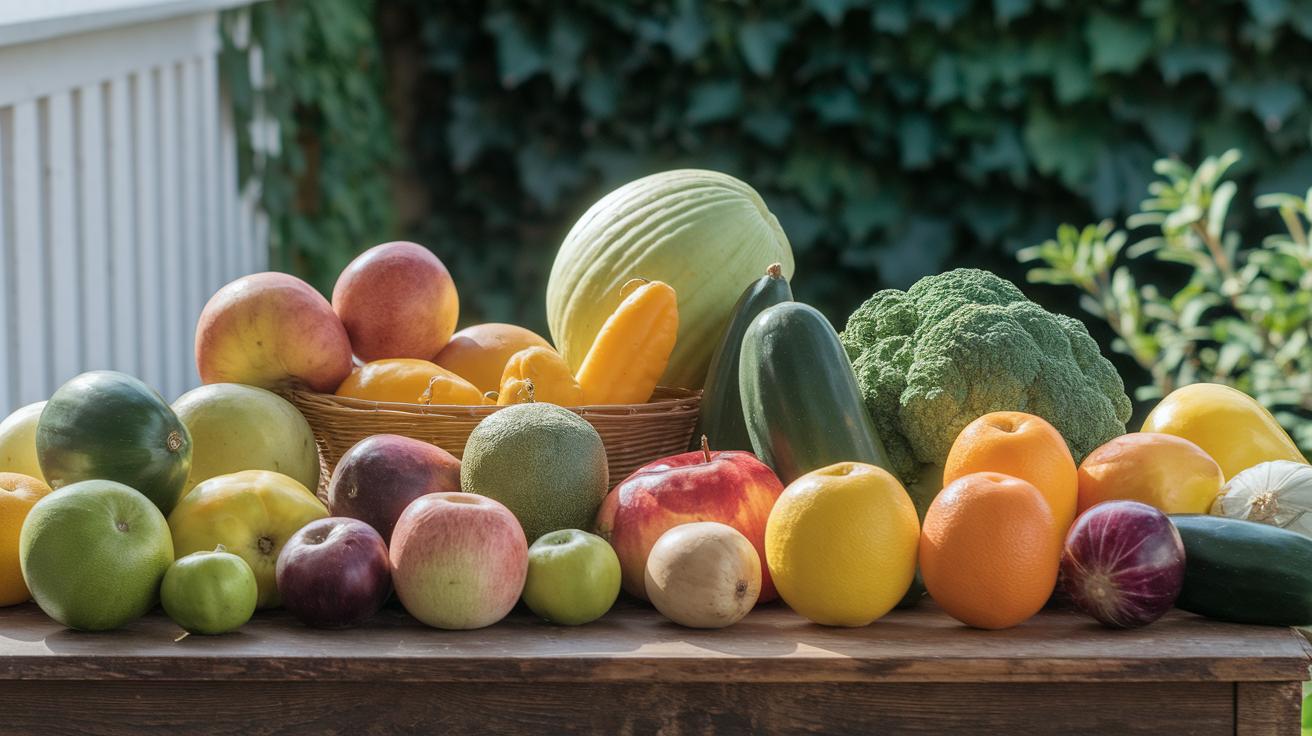
Phytochemicals are natural compounds that live in plant foods like fruits, vegetables, whole grains, legumes, herbs, spices, nuts, and seeds. These substances are simply part of what plants naturally have. On the other hand, essential nutrients like vitamins and minerals are critical for our bodies because we can’t make them, we need to eat them.
Think of it like this: essential nutrients are the sturdy beams that hold up a house, while phytochemicals are the little details that give it personality and charm. Fun fact: early studies showed that simply boosting your fruit and vegetable intake could lower your risk of heart troubles by about 17%. That’s a pretty neat reminder of how powerful these botanical compounds can be.
Yet, setting official guidelines for phytochemicals is really tricky. Scientists need full food composition data and a clear picture of how these compounds work in our bodies, which we don’t have yet. So, even though phytochemicals offer impressive health perks, they aren’t officially labeled as “essential.” Still, their benefits keep researchers digging deeper into nutritional science every day.
are phytochemicals essential nutrients: A Bright Answer
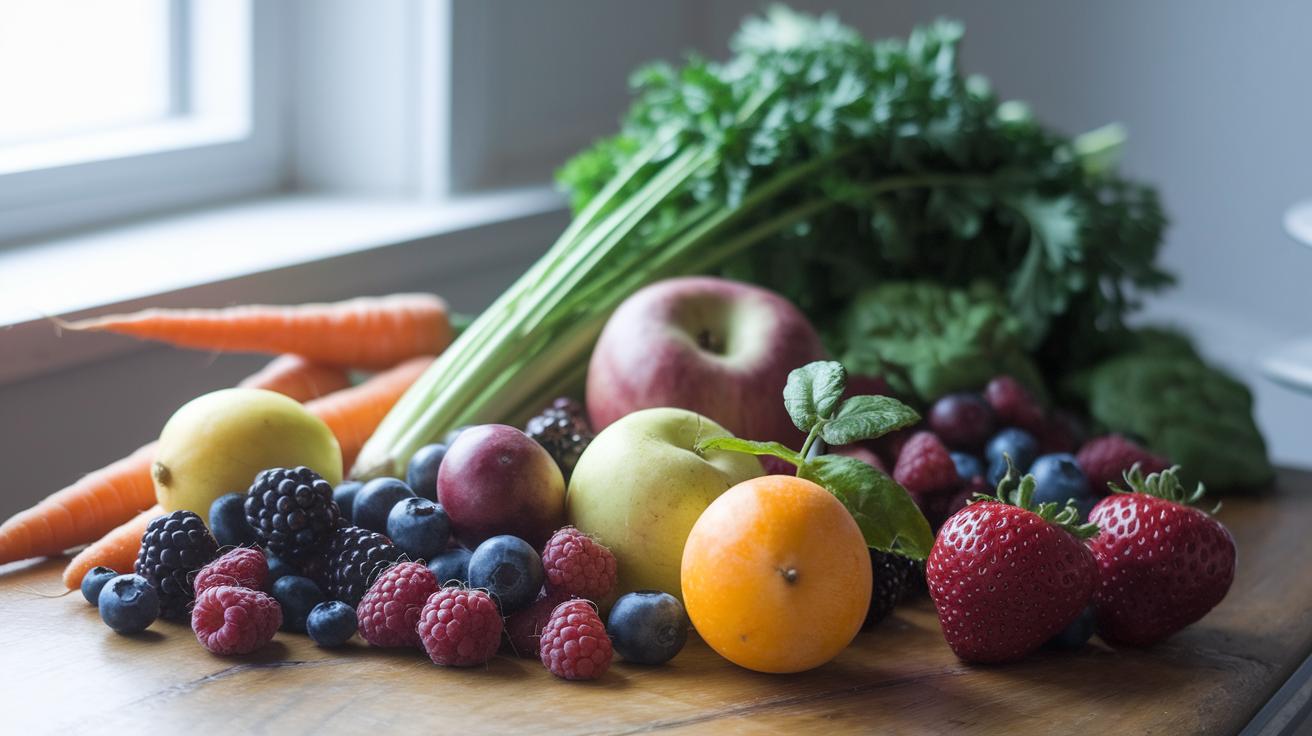
Phytochemicals are the natural goodies found in fruits and veggies that help keep us healthy. You might not know it, but scientists have discovered over 6,000 flavonoids, compounds that include flavonols, isoflavones, anthocyanins, and catechins. For example, anthocyanins give berries and cherries their deep red or purple color, making your plate look as vibrant as it tastes.
Then there are carotenoids, like β-carotene and lutein. These give carrots and leafy greens their bright colors. And don’t forget glucosinolates, which are in veggies like broccoli and Brussels sprouts and may help support your health. There are also phenolic acids in whole grains and stilbenes such as resveratrol in grapes, both known for their antioxidant effects.
| Phytochemical Class | Key Examples | Food Sources |
|---|---|---|
| Flavonoids | Flavonols, Isoflavones, Anthocyanins, Catechins | Berries, Soy, Legumes |
| Carotenoids | β-Carotene, Lutein | Leafy Greens, Carrots |
| Others | Glucosinolates, Phenolic Acids, Stilbenes | Cruciferous Vegetables, Whole Grains, Grapes |
By including a mix of these plant foods in your meals, you add a variety of natural compounds to your diet. This natural mix supports overall health and makes every bite a little boost for your body.
Evidence-Based Health Benefits of Phytochemicals

Studies show that adding more fruits and vegetables to your daily meals can cut your risk of heart problems by 17%. If you bump up your servings from less than three to over five a day, your heart can really feel the difference. Whole grains matter too, eating about 2.5 to 5 servings each day may lower your chance of heart disease by 21% and high blood pressure by 23%.
Research also points out that a diet loaded with natural plant chemicals, known as phytochemicals, is linked to fewer cases of cancer, type 2 diabetes, and even some brain conditions. In other words, these natural compounds do more than simply add nutrients to your plate, they pack a serious health punch.
One big benefit of phytochemicals is their strong antioxidant effect. Antioxidants help fight off dangerous free radicals that can damage your cells. They also assist in fine-tuning how your cells communicate, improving blood flow and reducing inflammation. Think of it like fixing a kink in a garden hose so water can flow smoothly.
Consider these key benefits:
- Lower risk of heart disease
- Reduced high blood pressure
- Less chance of developing cancer and type 2 diabetes
- Better cell communication and reduced inflammation
All in all, these findings remind us that including more phytochemical-rich foods in your diet can be a simple yet powerful way to support your overall health.
Mechanisms of Phytochemical Action in Human Health
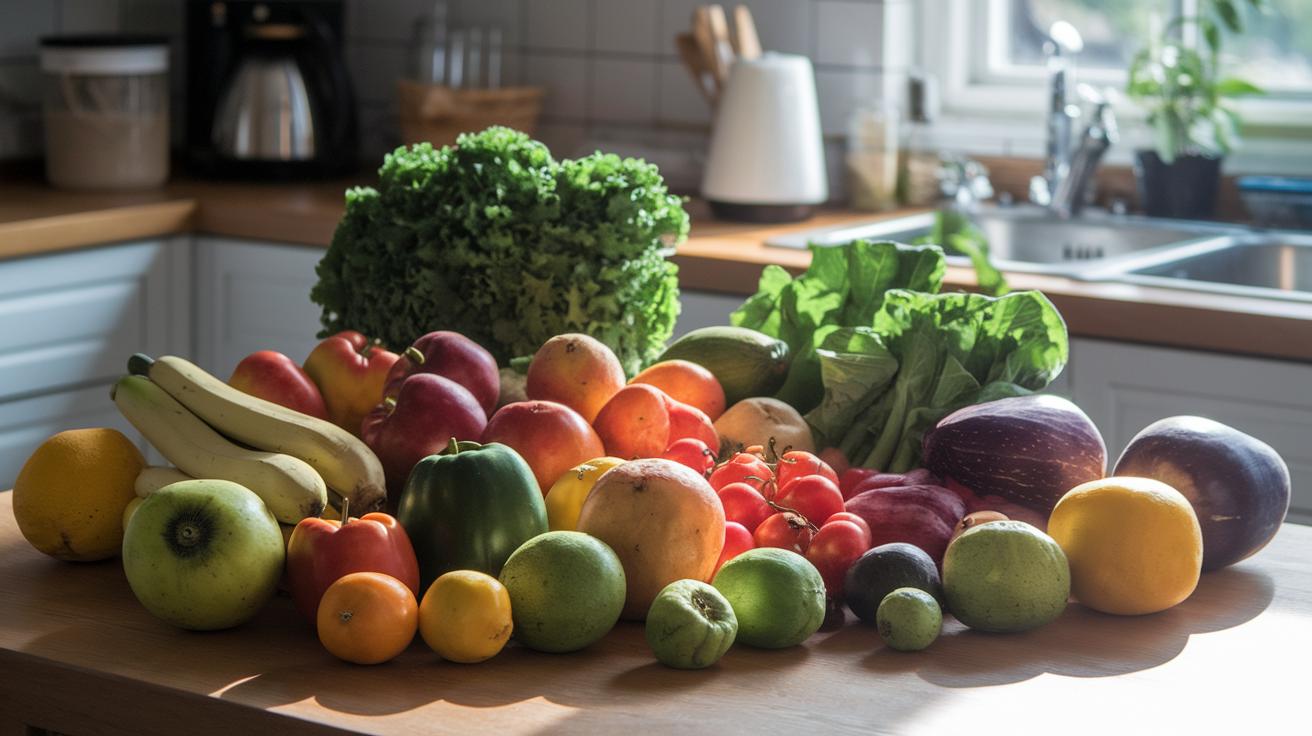
Phytochemicals work at the cell level in ways that go beyond just being antioxidants. When we eat them, our bodies change these compounds through metabolism; sometimes this process limits their antioxidant power. Even so, some of these altered compounds still help fight oxidative stress by acting as antioxidants. They also guide how our cells behave, influencing processes like cell death and the creation of new cells. Think of them as gentle conductors, keeping our cells in a steady, balanced rhythm.
These natural compounds also affect how our genes work by tweaking the enzymes that help detoxify our body, like the phase II enzymes (which break down toxins). In doing so, they help our body prepare for and handle harmful substances while keeping everything running smoothly. They also boost the function of our blood vessels by increasing nitric oxide, a substance that relaxes vessels and eases inflammation.
Consider these key functions:
- They help manage cell signals that control cell death and growth.
- They adjust gene activity for the enzymes that detoxify the body.
- They improve blood vessel function by increasing nitric oxide and reducing inflammation.
All these actions show how adding these natural chemicals from our diet supports our overall health at both the cellular and body-wide levels.
Bioavailability and Optimal Intake of Phytochemicals
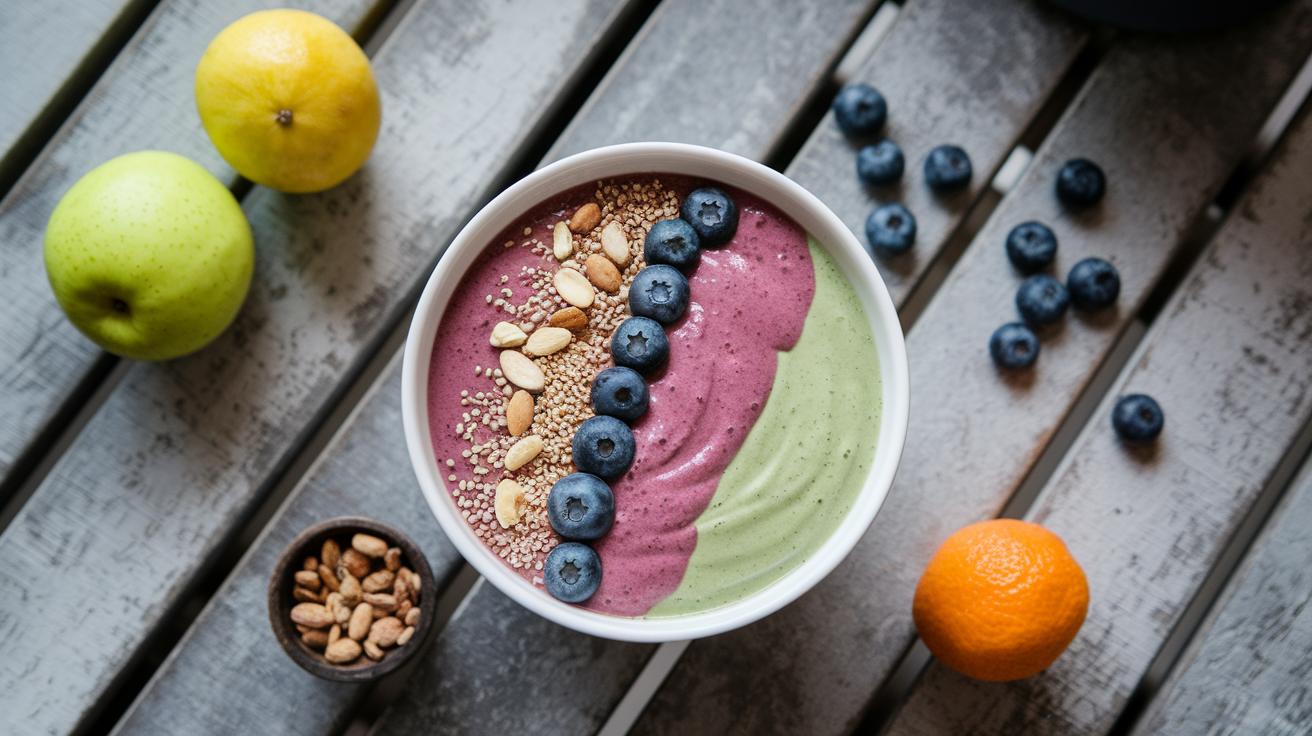
Did you know that when we enjoy plant-based foods, our bodies don’t soak up all the healthy compounds in the same way? For example, only a tiny bit, around 0.03%, of flavonols might be absorbed, while for isoflavones, absorption can hit as high as 50%. It’s a bit like whipping up a smoothie: even if you toss in a mix of fruits, each one releases its flavor at its own pace.
The way these compounds get absorbed really depends on the food matrix, that’s the mix of fiber, vitamins, and minerals found in your meal. Imagine a fiber-packed dish that slows down digestion, while the vitamins and minerals might work together like a team to help you get more of those good compounds.
Scientists are still puzzling out the best amounts of these natural chemicals for us to benefit most. They face challenges like inconsistent dose measurements and varying metabolism data. Here are a few takeaways:
| Key Point | What It Means |
|---|---|
| Different Absorption Rates | Each phytochemical enters our system at its own unique rate. |
| Food Interactions | The mix of other nutrients in your meal can change how much of each compound you actually absorb. |
| Need for More Research | We’re still figuring out exactly how to get the best benefits from these natural agents. |
In short, it’s all about understanding how our bodies work with nature’s gifts. And honestly, isn’t it fascinating to learn how even a small change in our diet can make a big difference?
Challenges in Establishing Dietary Reference Intakes for Phytochemicals

Scientists run into many hurdles when trying to set clear nutrient guidelines for plant compounds. A big problem is the lack of detailed food composition databases. Without knowing the precise amounts of these phytochemicals in our foods, it’s a bit like trying to bake a cake without a proper measuring cup. You simply can’t get an accurate picture of what we're really eating.
Another tricky part is understanding how our bodies process these compounds. Unlike vitamins and minerals, phytochemicals change during digestion, almost like a train that suddenly switches tracks mid-route. This change means the benefits we expect might not always work out as planned.
The way our bodies absorb these plant compounds further muddies the waters. Some are taken in only in tiny amounts, while others are absorbed much more easily, making it tough to set firm guidelines. Experts stress that the inconsistent nature of these compounds adds extra layers of complexity when trying to link them directly to health outcomes.
Right now, dietary guidelines don’t include phytochemicals. This is because official recommendations need solid, standardized proof, which we just don’t have yet. Until scientists can gather more rigorous research and compile comprehensive food data, the potential benefits of these compounds will remain a hopeful promise rather than a defined part of our nutritional advice.
Final Words
In the action, the post broke down the key differences between phytochemicals and essential nutrients, explained their classifications, and showcased how natural compounds in our food contribute to health. It shed light on the major classes, their dietary sources, and even discussed how these compounds work in our bodies, from antioxidant actions to influences on gene expression.
This article also reviewed challenges in pinpointing optimal intake. Overall, evidence highlights that while they are phytochemicals essential nutrients for many health benefits, a balanced diet remains a simple, effective way to boost wellness.
FAQ
Are phytochemicals considered essential nutrients?
Phytochemicals are not classified as essential nutrients since they lack established Dietary Reference Intakes. They offer support through antioxidant and anti-inflammatory effects but do not fulfill the body’s minimum requirements like vitamins and minerals.
What are phytochemicals?
Phytochemicals refer to naturally occurring compounds found in plant foods. They support health by aiding cell protection and reducing inflammation and are present in fruits, vegetables, whole grains, legumes, and more.
What are some phytochemical examples and their functions?
Examples include flavonoids in berries, carotenoids in leafy greens, isoflavones in soy, and glucosinolates in cruciferous vegetables. They help protect cells, diminish inflammation, and contribute to overall wellness.
Where are phytochemicals found and which foods are rich in them?
Phytochemicals are abundant in plant-based foods. Rich sources include fruits, vegetables, whole grains, legumes, herbs, spices, nuts, and seeds, offering diverse compounds that support various aspects of health.
What are essential nutrients, and how do they differ from phytochemicals?
Essential nutrients are compounds like vitamins, minerals, proteins, fats, and carbohydrates that the body cannot make and must obtain from food. Phytochemicals, though beneficial, lack defined intake standards and aren’t required for survival.
What are the health benefits of phytochemicals?
Phytochemicals can reduce heart disease risk, lower blood pressure, and support cell health through antioxidant actions and reducing inflammation, which contributes to overall improved well-being.