Emergency Medicine: Bold Field For Lifesaving Work

Have you ever wondered if one quick decision can change everything? In emergency medicine, every second matters. Think of a doctor working like a well-oiled machine, swift, focused, and ready to act right away. This field mixes fast assessments with precise actions to help save lives when situations are critical. Let's explore how emergency care providers remain calm under pressure and give patients the right help exactly when they need it most.

Comprehensive Emergency Medicine Overview
img-1.jpg

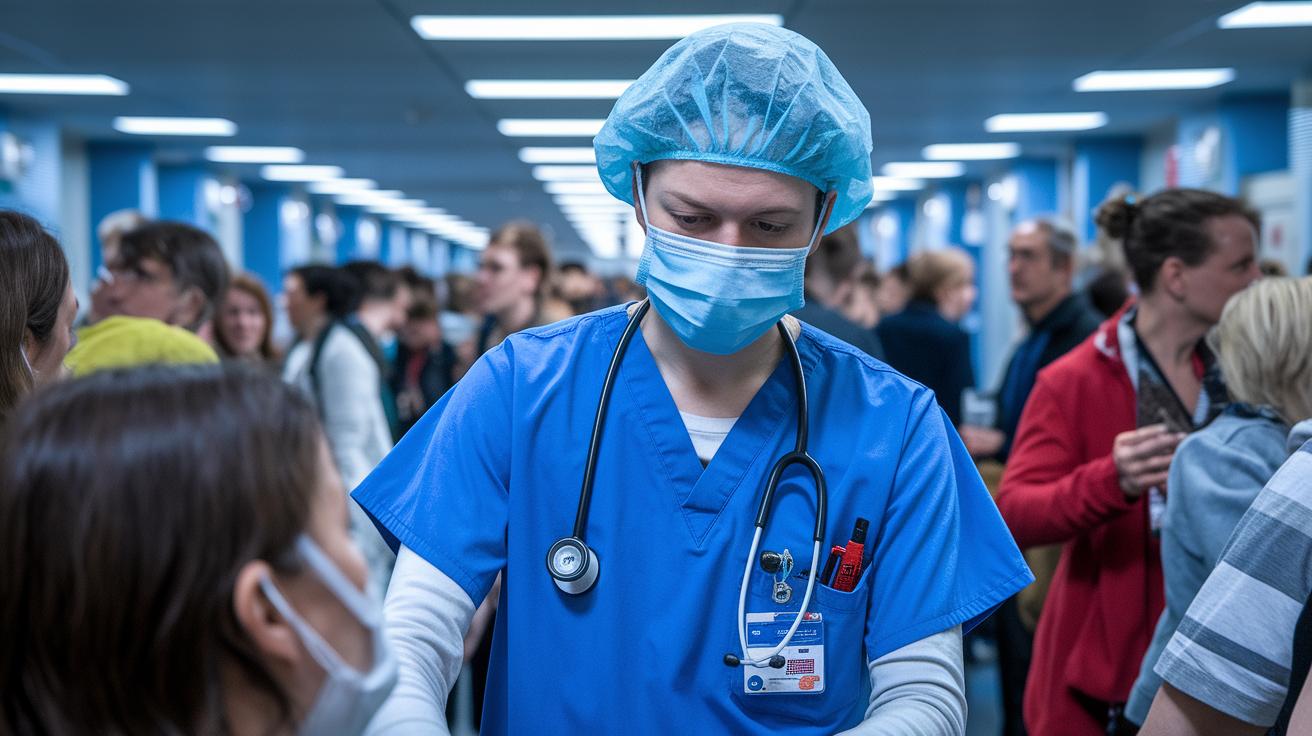
Emergency medicine is all about giving fast, lifesaving care when every second counts. It brings together quick thinking, modern treatments, and decisive action to help people in their most critical moments. Emergency doctors work under intense pressure, handling dangerous conditions with calm expertise and drawing on trusted public health guidelines that emphasize rapid response.

Whether you're in a bustling city trauma center or a small rural hospital, emergency physicians adapt to every situation. In busy, resource-rich environments or where every tool counts, these doctors zero in on stabilizing patients. They move swiftly from a crowded hospital corridor to an isolated emergency room with the same goal: making sure you get the right care, right away.

  • Quick checks to spot life-threatening issues
  • Starting life-saving measures on the spot
  • Handling accidents and other medical emergencies across different settings
  • Coordinating care during urgent situations
  • Organizing treatment priorities with effective triage
  • Teaming up with multiple specialists to provide prompt help

By taking immediate, confident steps, emergency medicine professionals make a real difference. Their rapid assessments not only save lives in the heat of the moment but also lay the foundation for lasting recovery and better overall care.

Emergency Medicine Procedures and Protocols
img-2.jpg

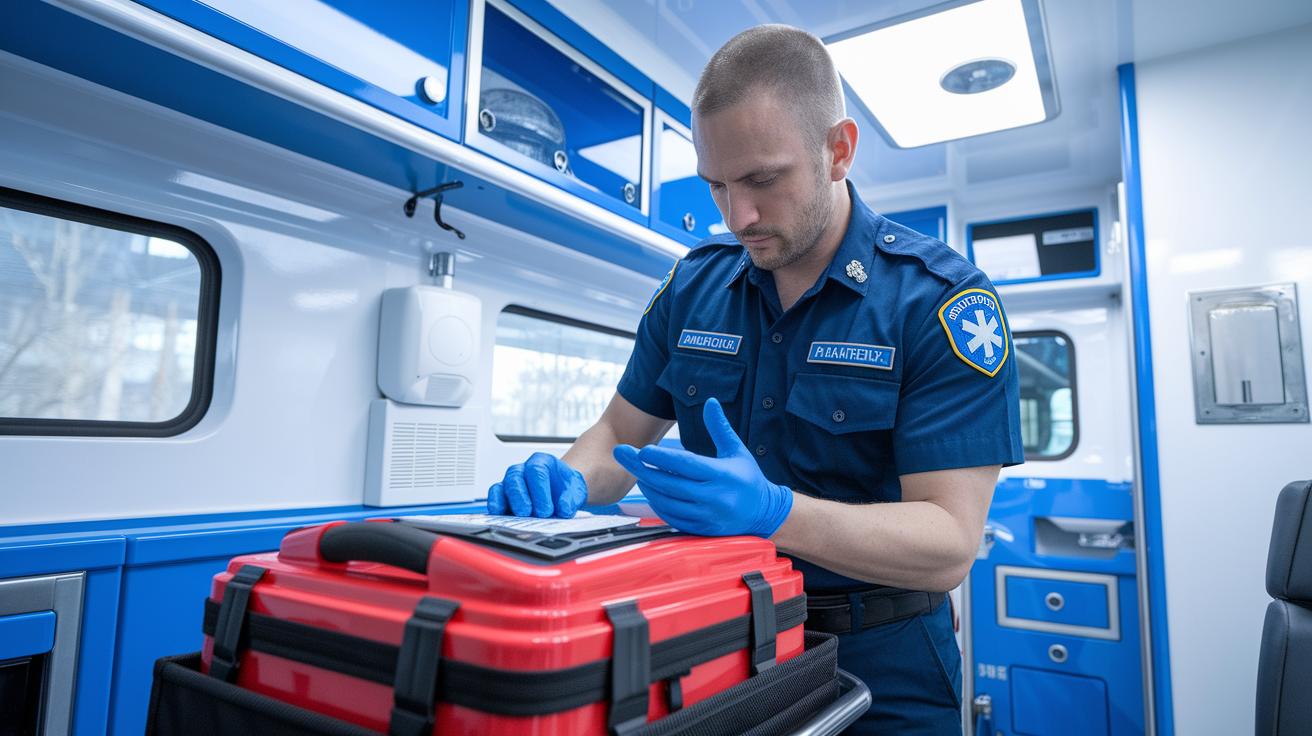
Quick, practiced steps form the core of emergency care. In busy, high-pressure situations, clear guidelines, like those for trauma care and heart-saving techniques, help healthcare teams act fast and confidently. These simple procedures break down each critical step, ensuring everyone knows what to do when every second counts. For example, in airway emergencies (when someone can’t breathe properly), using strong, clear airway management skills can make the difference between life and death.

Procedure Indication Key Steps
ATLS Traumatic injuries Assess, resuscitate, and stabilize
ACLS Cardiac arrest or arrhythmias Chest compressions, defibrillation, drug therapy
Rapid Sequence Intubation Compromised airway Preparation, pre-oxygenation, sedation, intubation
FAST ultrasound Abdominal trauma Scan key areas, detect free fluid, confirm findings
Stroke activation Neurological deficits Rapid assessment, imaging, thrombolytic eligibility

These clear protocols serve as a roadmap for every emergency. They simplify the way doctors and nurses decide on tests or scans by listing out each step. When healthcare workers rely on familiar guidelines like ATLS (Advanced Trauma Life Support) or BLS (Basic Life Support, covering basic emergency actions), they can reduce delays and cut down on mistakes. Each team member follows the same playbook, making sure everyone acts together with speed and care. This organized approach not only saves lives in the moment but also lays the groundwork for a patient’s longer-term recovery. In short, having clear procedures gives confidence and precision during emergencies, ensuring that life-saving care is delivered exactly when it’s needed most.

Prehospital and Ambulance Integration in Emergency Medicine
img-3.jpg

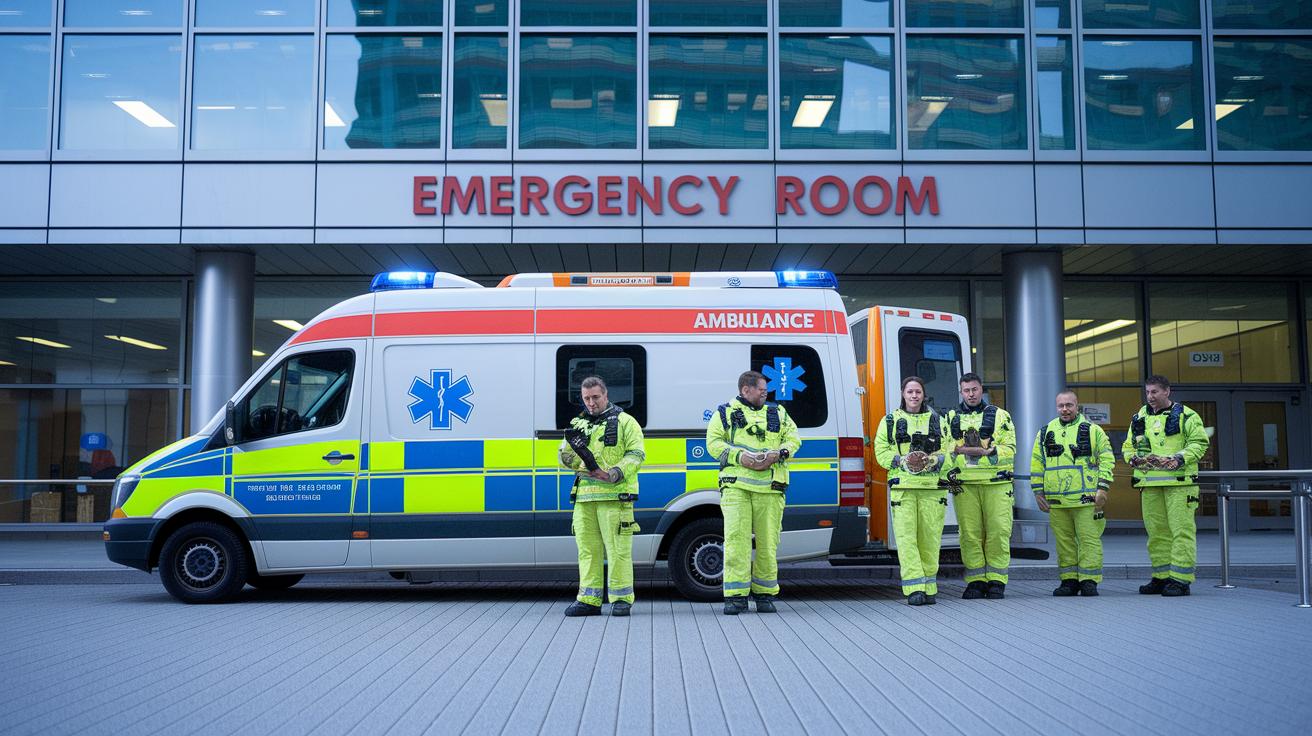
When emergencies happen, having a quick, clear handoff from prehospital teams to hospital staff can save lives. EMS systems that work together help transport patients faster and share important information before patients even arrive at the hospital. This way, first responders can tell the hospital team about a patient’s condition right away, so care begins immediately when the patient walks in.

Imagine an ambulance team that uses smart tools to send updates in real time. Here’s what that looks like:

  • Real-time dispatch changes based on what’s happening on the ground
  • Better onboard tools for checking a patient’s condition
  • Immediate medical advice through digital channels
  • A synchronized response during major incidents

Telemedicine is a real game changer in these situations. It lets ambulance teams get on-the-spot advice from experts, even in stressful moments. With telemedicine and integrated digital systems, responders receive guidance right away, ensuring treatments are spot-on from the get-go. Plus, these digital tools improve how teams plan for disasters, helping them coordinate smoothly with other agencies when things get really tough.

Really, it’s all about making sure every second counts while keeping communication clear and efficient.

Emergency Medicine: Bold Field for Lifesaving Work
img-4.jpg

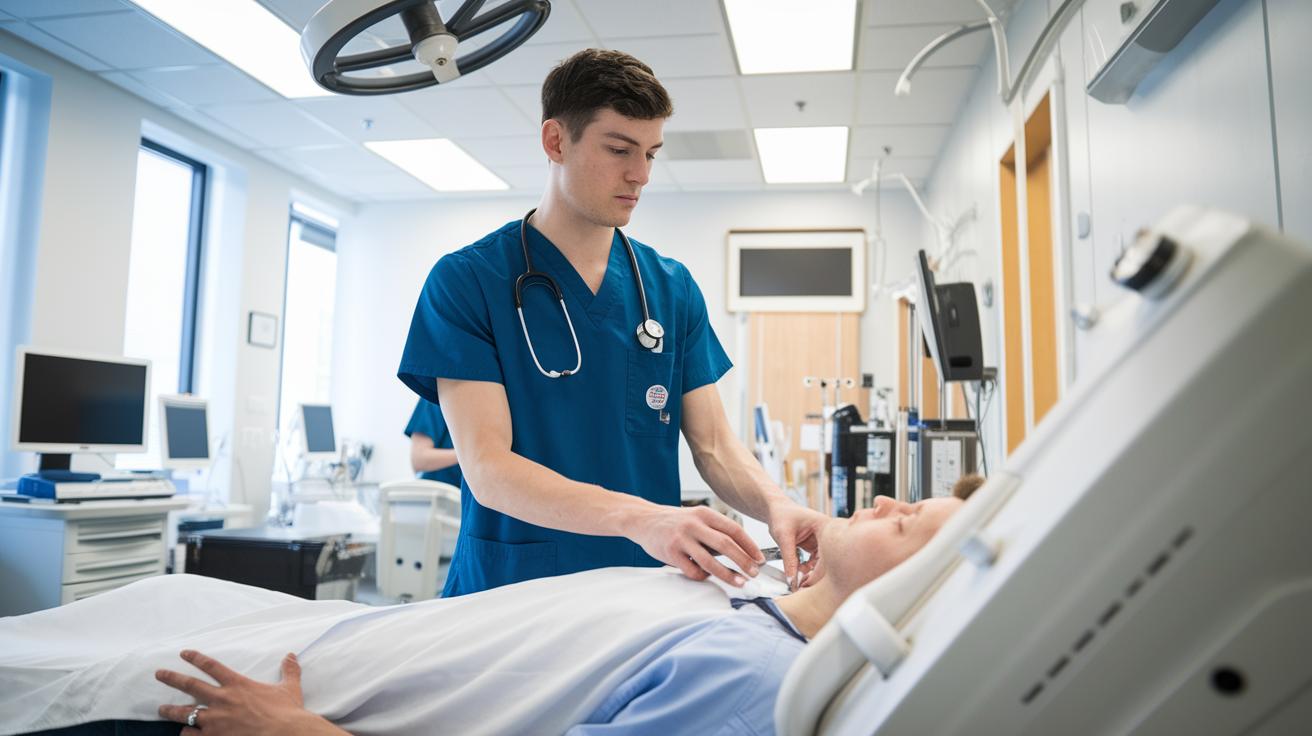
The journey from medical school to residency is a turning point for any budding emergency medicine doctor. During this time, you dive into challenging clinical rotations and hands-on experiences that put your knowledge and quick decision-making skills to the test. It’s a bit like learning to drive on a busy highway, where every moment helps you build confidence and precision under pressure.

AMA Road to Residency Guide

If you’re gearing up for a career in emergency medicine, the AMA Road to Residency Guide is your playbook. It breaks down the residency application maze into clear steps, so you know exactly how to research programs, prepare for interviews, and plan for Match Day. Think of it like getting ready for a big game, you study the playbook, rehearse your moves, and visualize your success.

  • Look into residency programs to find the one that fits you best
  • Practice interview scenarios with mock sessions and role-playing
  • Head into Match Day with a clear, solid plan

Simulation and CME

Simulation training courses, such as immersive boot camps scheduled for September 17-18, 2025, give you real-life practice in dealing with critical situations. These hands-on sessions let you refine important procedures and boost your confidence in managing emergencies. Meanwhile, ongoing Continuing Medical Education (CME) keeps you updated with the latest advancements in emergency care. Many experienced emergency physicians even say that simulation training feels almost as real as the everyday challenges they face, every decision matters.

Board Certification

Achieving board certification is another major milestone. It involves a series of exams that test your medical knowledge and practical skills, followed by ongoing education to keep pace with new developments in the field. Mentorship programs and shadowing opportunities add extra value by offering real-world insights and policy updates. This well-rounded approach ensures that new emergency doctors are truly prepared to make a difference when every second counts.

Research, Technology, and Innovations in Emergency Medicine
img-5.jpg

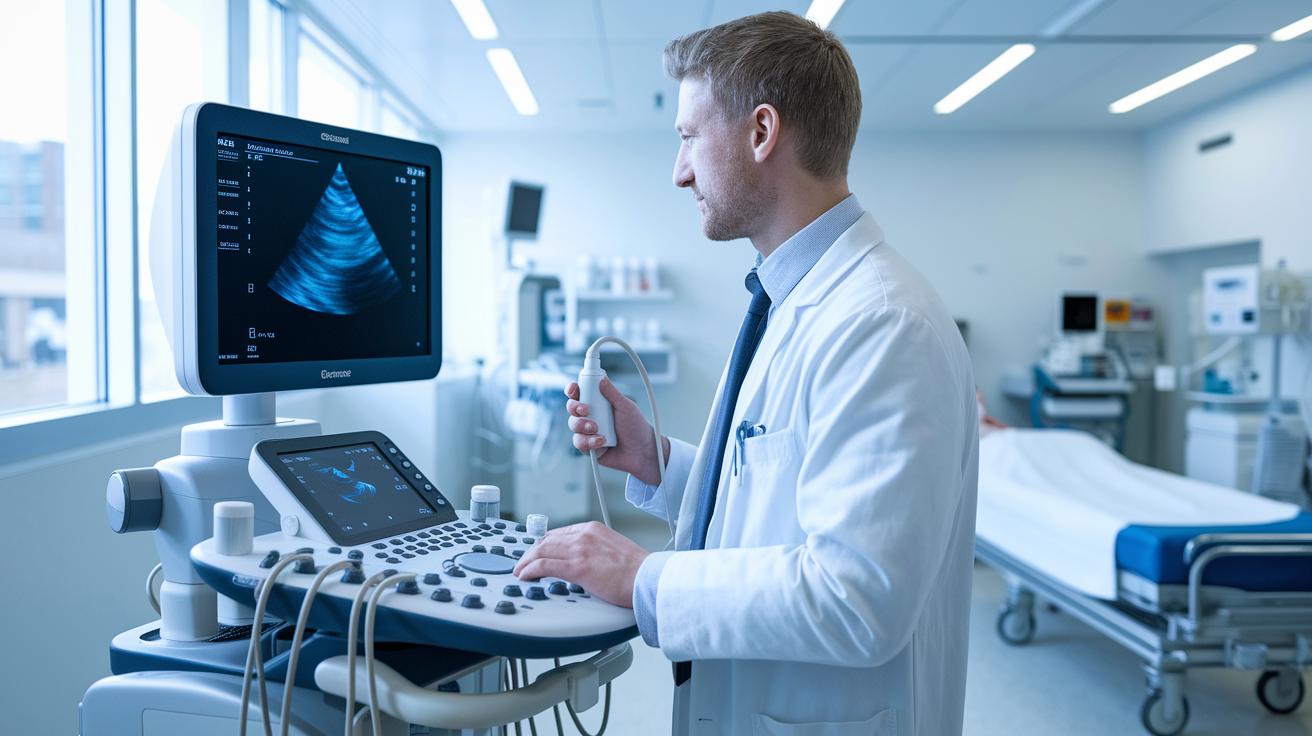
Innovation is reshaping emergency care by bringing in breakthrough tools that change the way we treat patients in urgent situations. New digital health systems and the use of ultrasound in quick-care settings are making it easier for healthcare teams to assess patients faster and more accurately. Doctors are now blending proven, research-backed treatment plans into daily practice, which means they can quickly try new methods that truly improve patient care.

  • AI triage systems
  • Mobile ultrasound units
  • EHR-integrated decision support
  • Wearable vital-sign monitors
  • Remote patient monitoring

These innovative tools are making healthcare more connected and responsive. Research in urgent care is constantly updating and refining the best practices so that every patient receives care based on the latest scientific insights. Ongoing studies and technology checks help build strong guidelines that support life-saving decisions. For example, one study found that using digital dashboards for patient flow leads to better outcomes than older methods.

This steady flow of research-based updates not only fine-tunes immediate responses in emergencies but also guides long-term care strategies that benefit both patients and healthcare providers.

Future Directions and Challenges in Emergency Medicine
img-6.jpg

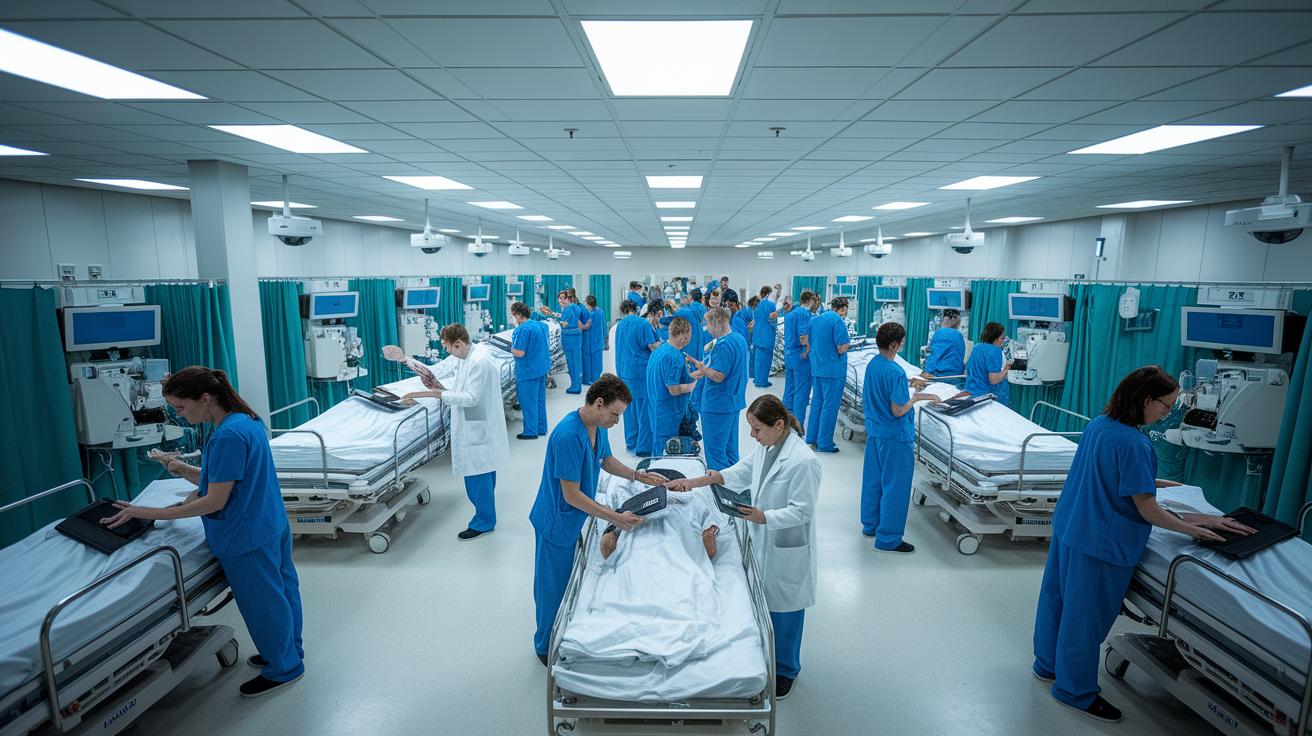
Emergency care is constantly changing as teams work hard to improve how we handle disasters and manage sudden surges in patient numbers. Health leaders are rethinking how to share resources when multiple casualties hit at once, and they’re putting a lot of effort into making hospital surge plans more efficient. Many current guides barely touch on mass casualty alerts or crisis drills, so there’s a clear need for quicker decisions, better coordination of supplies, and seamless communication that cuts down delays when every second matters.

Community engagement and global crisis planning also need new ideas and cooperation between different agencies. Local programs are now building wider networks to send out health alerts and support communities directly. Looking forward, we’re seeing exciting trends like:

Key Trend What It Means
Expanded tele-EMS networks Improved remote emergency medical services help reach more people quickly.
Large-scale simulation drills Real-world practice scenarios to better prepare teams for major incidents.
AI-driven triage algorithms Smart technology that speeds up decision-making in emergencies.

These initiatives are all about building a stronger, more connected system that not only gets hospitals ready for big emergencies but also boosts community strength and global preparedness during crises.

Final Words

in the action, the piece paints a clear picture of this dynamic field. It reviews core responsibilities, key procedures, prehospital integration, training pathways, and emerging technologies that keep care standards high.

This article highlights how clinical research directly supports everyday practices while stressing the importance of proactive innovations in emergency medicine. It leaves us with a hopeful note, inspiring confidence in the research-backed measures that continue to shape effective health care and boost quality of life.

FAQ

What is an Emergency Medicine book?

The emergency medicine book offers detailed guidance on clinical protocols, case studies, and life-saving procedures that support both students and healthcare teams in critical care settings.

What is the emergency medicine salary?

The emergency medicine salary varies by location, experience, and practice setting, often reflecting the fast pace and demanding nature of the specialty.

What does an emergency medicine doctor do?

An emergency medicine doctor provides quick assessments, immediate care, and stabilization for patients facing urgent medical crises in diverse clinical environments.

What is the proper name for emergency medicine?

The proper name for the field is “Emergency Medicine,” referring to the specialty focused on rapid, decisive care during medical and traumatic emergencies.

What do emergency medicine programs offer?

Emergency medicine programs offer residency training, hands-on clinical experiences, and board preparation, equipping physicians with skills to manage critical and trauma cases.

How do I find emergency medicine services near me?

You can locate emergency medicine services by checking local hospital listings, using online medical directories, or contacting nearby urgent care centers for immediate support.

What is an emergency medicine course?

An emergency medicine course is a structured academic or training module that teaches life-saving techniques, patient stabilization methods, and essential protocols for critical care.

What do emergency medicine jobs involve?

Emergency medicine jobs involve working in fast-paced settings, rapidly diagnosing and treating acute conditions, and making pivotal decisions that improve patient outcomes.

Which emergency medicine roles are the highest paid?

The highest paid emergency medicine roles are often found in busy urban trauma centers and specialized care facilities where advanced skills and experience are highly rewarded.

What are the 20 emergency drug lists?

The 20 emergency drug lists compile key medications used in resuscitation, pain management, and stabilization, serving as a handy reference for healthcare professionals in emergencies.

Is it challenging to be an ER doctor?

Being an ER doctor is challenging due to long hours, rapid decision making, and high-pressure situations; yet many find the work rewarding and impactful for patient care.

Have you ever wondered if one quick decision can change everything? In emergency medicine, every second matters. Think of a doctor working like a well-oiled machine, swift, focused, and ready to act right away. This field mixes fast assessments with precise actions to help save lives when situations are critical. Let's explore how emergency care providers remain calm under pressure and give patients the right help exactly when they need it most.

Comprehensive Emergency Medicine Overview

img-1.jpg

Emergency medicine is all about giving fast, lifesaving care when every second counts. It brings together quick thinking, modern treatments, and decisive action to help people in their most critical moments. Emergency doctors work under intense pressure, handling dangerous conditions with calm expertise and drawing on trusted public health guidelines that emphasize rapid response.

Whether you're in a bustling city trauma center or a small rural hospital, emergency physicians adapt to every situation. In busy, resource-rich environments or where every tool counts, these doctors zero in on stabilizing patients. They move swiftly from a crowded hospital corridor to an isolated emergency room with the same goal: making sure you get the right care, right away.

  • Quick checks to spot life-threatening issues
  • Starting life-saving measures on the spot
  • Handling accidents and other medical emergencies across different settings
  • Coordinating care during urgent situations
  • Organizing treatment priorities with effective triage
  • Teaming up with multiple specialists to provide prompt help

By taking immediate, confident steps, emergency medicine professionals make a real difference. Their rapid assessments not only save lives in the heat of the moment but also lay the foundation for lasting recovery and better overall care.

Emergency Medicine Procedures and Protocols

img-2.jpg

Quick, practiced steps form the core of emergency care. In busy, high-pressure situations, clear guidelines, like those for trauma care and heart-saving techniques, help healthcare teams act fast and confidently. These simple procedures break down each critical step, ensuring everyone knows what to do when every second counts. For example, in airway emergencies (when someone can’t breathe properly), using strong, clear airway management skills can make the difference between life and death.

Procedure Indication Key Steps
ATLS Traumatic injuries Assess, resuscitate, and stabilize
ACLS Cardiac arrest or arrhythmias Chest compressions, defibrillation, drug therapy
Rapid Sequence Intubation Compromised airway Preparation, pre-oxygenation, sedation, intubation
FAST ultrasound Abdominal trauma Scan key areas, detect free fluid, confirm findings
Stroke activation Neurological deficits Rapid assessment, imaging, thrombolytic eligibility

These clear protocols serve as a roadmap for every emergency. They simplify the way doctors and nurses decide on tests or scans by listing out each step. When healthcare workers rely on familiar guidelines like ATLS (Advanced Trauma Life Support) or BLS (Basic Life Support, covering basic emergency actions), they can reduce delays and cut down on mistakes. Each team member follows the same playbook, making sure everyone acts together with speed and care. This organized approach not only saves lives in the moment but also lays the groundwork for a patient’s longer-term recovery. In short, having clear procedures gives confidence and precision during emergencies, ensuring that life-saving care is delivered exactly when it’s needed most.

Prehospital and Ambulance Integration in Emergency Medicine

img-3.jpg

When emergencies happen, having a quick, clear handoff from prehospital teams to hospital staff can save lives. EMS systems that work together help transport patients faster and share important information before patients even arrive at the hospital. This way, first responders can tell the hospital team about a patient’s condition right away, so care begins immediately when the patient walks in.

Imagine an ambulance team that uses smart tools to send updates in real time. Here’s what that looks like:

  • Real-time dispatch changes based on what’s happening on the ground
  • Better onboard tools for checking a patient’s condition
  • Immediate medical advice through digital channels
  • A synchronized response during major incidents

Telemedicine is a real game changer in these situations. It lets ambulance teams get on-the-spot advice from experts, even in stressful moments. With telemedicine and integrated digital systems, responders receive guidance right away, ensuring treatments are spot-on from the get-go. Plus, these digital tools improve how teams plan for disasters, helping them coordinate smoothly with other agencies when things get really tough.

Really, it’s all about making sure every second counts while keeping communication clear and efficient.

Emergency Medicine: Bold Field for Lifesaving Work

img-4.jpg

The journey from medical school to residency is a turning point for any budding emergency medicine doctor. During this time, you dive into challenging clinical rotations and hands-on experiences that put your knowledge and quick decision-making skills to the test. It’s a bit like learning to drive on a busy highway, where every moment helps you build confidence and precision under pressure.

AMA Road to Residency Guide

If you’re gearing up for a career in emergency medicine, the AMA Road to Residency Guide is your playbook. It breaks down the residency application maze into clear steps, so you know exactly how to research programs, prepare for interviews, and plan for Match Day. Think of it like getting ready for a big game, you study the playbook, rehearse your moves, and visualize your success.

  • Look into residency programs to find the one that fits you best
  • Practice interview scenarios with mock sessions and role-playing
  • Head into Match Day with a clear, solid plan

Simulation and CME

Simulation training courses, such as immersive boot camps scheduled for September 17-18, 2025, give you real-life practice in dealing with critical situations. These hands-on sessions let you refine important procedures and boost your confidence in managing emergencies. Meanwhile, ongoing Continuing Medical Education (CME) keeps you updated with the latest advancements in emergency care. Many experienced emergency physicians even say that simulation training feels almost as real as the everyday challenges they face, every decision matters.

Board Certification

Achieving board certification is another major milestone. It involves a series of exams that test your medical knowledge and practical skills, followed by ongoing education to keep pace with new developments in the field. Mentorship programs and shadowing opportunities add extra value by offering real-world insights and policy updates. This well-rounded approach ensures that new emergency doctors are truly prepared to make a difference when every second counts.

Research, Technology, and Innovations in Emergency Medicine

img-5.jpg

Innovation is reshaping emergency care by bringing in breakthrough tools that change the way we treat patients in urgent situations. New digital health systems and the use of ultrasound in quick-care settings are making it easier for healthcare teams to assess patients faster and more accurately. Doctors are now blending proven, research-backed treatment plans into daily practice, which means they can quickly try new methods that truly improve patient care.

  • AI triage systems
  • Mobile ultrasound units
  • EHR-integrated decision support
  • Wearable vital-sign monitors
  • Remote patient monitoring

These innovative tools are making healthcare more connected and responsive. Research in urgent care is constantly updating and refining the best practices so that every patient receives care based on the latest scientific insights. Ongoing studies and technology checks help build strong guidelines that support life-saving decisions. For example, one study found that using digital dashboards for patient flow leads to better outcomes than older methods.

This steady flow of research-based updates not only fine-tunes immediate responses in emergencies but also guides long-term care strategies that benefit both patients and healthcare providers.

Future Directions and Challenges in Emergency Medicine

img-6.jpg

Emergency care is constantly changing as teams work hard to improve how we handle disasters and manage sudden surges in patient numbers. Health leaders are rethinking how to share resources when multiple casualties hit at once, and they’re putting a lot of effort into making hospital surge plans more efficient. Many current guides barely touch on mass casualty alerts or crisis drills, so there’s a clear need for quicker decisions, better coordination of supplies, and seamless communication that cuts down delays when every second matters.

Community engagement and global crisis planning also need new ideas and cooperation between different agencies. Local programs are now building wider networks to send out health alerts and support communities directly. Looking forward, we’re seeing exciting trends like:

Key Trend What It Means
Expanded tele-EMS networks Improved remote emergency medical services help reach more people quickly.
Large-scale simulation drills Real-world practice scenarios to better prepare teams for major incidents.
AI-driven triage algorithms Smart technology that speeds up decision-making in emergencies.

These initiatives are all about building a stronger, more connected system that not only gets hospitals ready for big emergencies but also boosts community strength and global preparedness during crises.

Final Words

in the action, the piece paints a clear picture of this dynamic field. It reviews core responsibilities, key procedures, prehospital integration, training pathways, and emerging technologies that keep care standards high.

This article highlights how clinical research directly supports everyday practices while stressing the importance of proactive innovations in emergency medicine. It leaves us with a hopeful note, inspiring confidence in the research-backed measures that continue to shape effective health care and boost quality of life.

FAQ

What is an Emergency Medicine book?

The emergency medicine book offers detailed guidance on clinical protocols, case studies, and life-saving procedures that support both students and healthcare teams in critical care settings.

What is the emergency medicine salary?

The emergency medicine salary varies by location, experience, and practice setting, often reflecting the fast pace and demanding nature of the specialty.

What does an emergency medicine doctor do?

An emergency medicine doctor provides quick assessments, immediate care, and stabilization for patients facing urgent medical crises in diverse clinical environments.

What is the proper name for emergency medicine?

The proper name for the field is “Emergency Medicine,” referring to the specialty focused on rapid, decisive care during medical and traumatic emergencies.

What do emergency medicine programs offer?

Emergency medicine programs offer residency training, hands-on clinical experiences, and board preparation, equipping physicians with skills to manage critical and trauma cases.

How do I find emergency medicine services near me?

You can locate emergency medicine services by checking local hospital listings, using online medical directories, or contacting nearby urgent care centers for immediate support.

What is an emergency medicine course?

An emergency medicine course is a structured academic or training module that teaches life-saving techniques, patient stabilization methods, and essential protocols for critical care.

What do emergency medicine jobs involve?

Emergency medicine jobs involve working in fast-paced settings, rapidly diagnosing and treating acute conditions, and making pivotal decisions that improve patient outcomes.

Which emergency medicine roles are the highest paid?

The highest paid emergency medicine roles are often found in busy urban trauma centers and specialized care facilities where advanced skills and experience are highly rewarded.

What are the 20 emergency drug lists?

The 20 emergency drug lists compile key medications used in resuscitation, pain management, and stabilization, serving as a handy reference for healthcare professionals in emergencies.

Is it challenging to be an ER doctor?

Being an ER doctor is challenging due to long hours, rapid decision making, and high-pressure situations; yet many find the work rewarding and impactful for patient care.

More from author

LEAVE A REPLY

Please enter your comment!
Please enter your name here

Related posts

Advertismentspot_img

Latest posts

How To Create A Daily Wellness Routine: Thriving

Curious about how to create a daily wellness routine that transforms your mornings and days? Read on as secrets await…

2 Daily Wellness Drink Tips For Radiance

Experience a daily wellness drink with natural herbs, green ingredients, and clinical backing that might change your routine forever, stay tuned.

Daily Wellness: Elevate Your Everyday Vitality

Daily wellness transforms everyday routines into mindful adjustments, merging nutrition, movement, and restorative sleep. What unforeseen practice awaits you next?

Want to stay up to date with the latest news?

We would love to hear from you! Please fill in your details and we will stay in touch. It's that simple!