Ever wondered if missing a few key nutrients might leave you feeling a bit off? Your body relies on proteins, carbohydrates, fats, vitamins, minerals, and water to work well. Think of each nutrient as a hardworking helper repairing cells, fueling your energy, and keeping things in balance. When one is missing, you might feel tired or find it harder to concentrate.
A mix of these vital components can lift your health today and set the stage for a brighter tomorrow. Let’s take a closer look at what your body really needs.
Daily essential nutrients: Boosting Your Health Today

Your body needs six key nutrients every day, protein, carbohydrates, fats, vitamins, minerals, and water. We get them from the foods and drinks we enjoy. Protein helps repair and build tissues, while carbohydrates give energy to every cell in your body. Fats not only help you absorb certain vitamins but also protect your organs and support your hormones. Vitamins and minerals, even in tiny amounts, keep your immune system on track, help fix up cells, and support a healthy nervous system. And don’t forget water, it moves nutrients around, regulates temperature, and keeps your joints comfy.
Eating a mix of these nutrients keeps you strong, helps build healthy bones and teeth, and supports a steady heart and blood pressure. Even a little dehydration can give you a headache or make you feel less alert. Imagine skipping that extra glass of water and feeling tired sooner than you expected. Mixing fruits, veggies, lean meats, and whole grains each day is a great way to get everything your body needs.
When you stick with a balanced diet, you’re not just feeding your body, you’re laying the groundwork for a life full of energy, long-lasting wellness, and overall happiness. Embracing these simple changes today can lead to a more vibrant, healthier tomorrow.
Your health always matters.
Macronutrients Within Daily Essential Nutrients
Protein
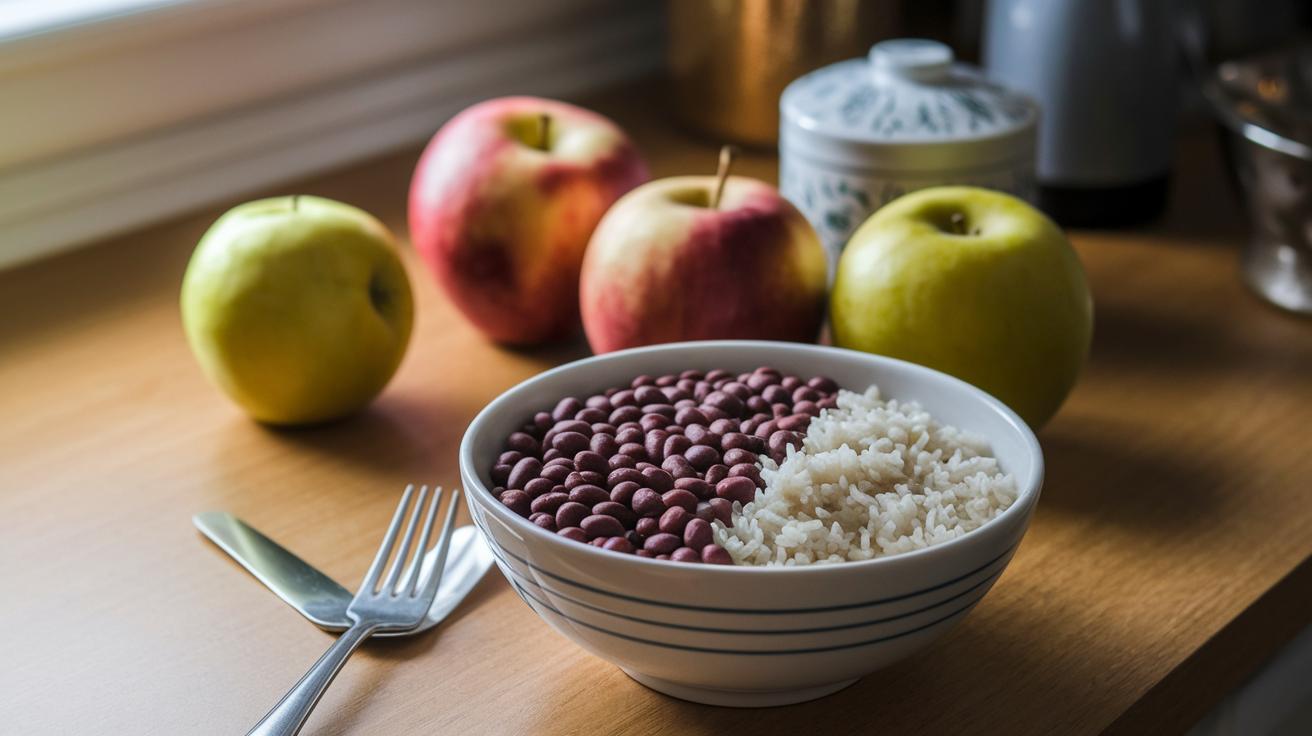
Protein is like the body's repair kit. It helps rebuild cells, supports growth, and keeps your tissues in good shape. It even lends a hand in healing cuts and scrapes while giving your immune system a boost. You get high-quality protein from animal sources such as meat and dairy, which your body soaks up easily. But don’t forget about plant sources like beans, legumes, and nuts, they offer a mix of amino acids that keeps things interesting. Imagine finishing a bowl of beans and rice after a long day; it’s a simple way to provide your body with the building blocks it needs.
Carbohydrates
Carbohydrates are your body’s go-to fuel. They come in two types: simple and complex. Simple carbs, like those in fresh fruits, give you a quick burst of energy. Complex carbs, found in whole grains, work more slowly to keep your energy steady all day long. Think of it like this: a crisp apple offers a quick pick-me-up, while a warm bowl of oatmeal can keep you powered through a busy morning.
Fats
Fats, also known as lipids, are more than just energy reserves, they help your body absorb the vitamins that need fat to be used effectively. There are different kinds of fats. Unsaturated fats, such as those in avocados, fatty fish, and oils, are great for keeping your heart happy. On the other hand, it’s wise to cut back on trans fats to support overall well-being. Choosing natural, whole-food sources of fats means you’re giving your body the healthy support it deserves.
Micronutrients In Daily Essential Nutrients: Vitamins And Minerals

Vitamins
Vitamins help keep your body running smoothly. They support your immune system, give you energy, and help repair your cells. There are two main types: water-soluble and fat-soluble. Water-soluble vitamins, like the B vitamins and vitamin C, aren’t stored in your body, so you need to include them in your diet every day. They play a key role in turning your food into energy and keeping your nervous system in top shape. You can enjoy these vitamins through fruits like oranges and berries, leafy greens, and lean cuts of meat. On the other hand, fat-soluble vitamins such as A, D, E, and K need some fat to be absorbed properly. These vitamins are essential for clear vision, healthy skin, and strong bones. Think of dairy, eggs, nuts, and fatty fish as your go-to sources when you want to boost your fat-soluble vitamin intake.
Minerals
Minerals are just as important for keeping you feeling your best. They help your body run like a well-oiled machine. Minerals fall into two groups: major minerals and trace minerals. Major minerals, including calcium, phosphorus, and magnesium, are like the building blocks for your bones and help manage the balance of fluids in your body. For instance, calcium from dairy or green veggies is fantastic for bone health, and magnesium from nuts or whole grains supports smooth muscle function. Trace minerals, which include iron, zinc, and copper, work as helpers for enzymes, speeding up the chemical reactions needed for energy and cell repair. Iron, found in foods like red meat and spinach, is crucial for carrying oxygen throughout your body. Zinc in seeds and legumes keeps your immune system sharp, and copper from shellfish or whole grains is a key player in energy production. Enjoying a variety of whole foods is a simple way to make sure your body gets all the vitamins and minerals it needs every day.
Water: An Overlooked Daily Essential Nutrient

Water makes up about 60% of our body weight and quietly powers every part of us. It carries important nutrients, helps keep us cool by regulating temperature, eases joint movement, and even supports digestion. Even a little lack of water can bring on headaches, tiredness, or a foggy mind.
Think of your body as a lively city where water is like a diligent messenger, delivering valuable supplies everywhere. When you don’t drink enough, it’s like slow traffic that messes up the whole system. Sure, plain water is the best way to stay hydrated, but low-sugar drinks and foods with lots of water, like crunchy cucumbers and sweet berries, make tasty alternatives.
Spread out your water intake throughout the day. Try having a glass before each meal and take frequent sips, especially during exercise or on warm days. This regular habit not only helps you absorb nutrients better but also keeps everything running smoothly inside. Next, remember that making hydration a daily routine is key to keeping your body in balance and working its best.
Recommended Daily Intake Of Daily Essential Nutrients

When it comes to planning meals that keep your body balanced, daily nutrient guidelines can be an invaluable tool. Sure, recommendations might shift depending on your age or gender, but these examples serve as a solid starting point. Hitting these benchmarks helps keep your metabolism steady, supports growth, and boosts your immune system. Picture each nutrient as a key player contributing to your overall health.
For instance, most adults should aim for about 46 to 56 grams of protein each day. Protein plays a vital role in repairing and building tissues. Carbs, your primary energy source, are generally recommended at around 130 grams daily, usually coming from whole grains and fresh fruits and vegetables. Healthy fats should make up about 20 to 35% of your daily calories, with good sources like avocados and fatty fish. Vitamin C, which benefits your immune system, is best consumed at around 75 to 90 mg a day, while calcium, needed for strong bones, is advised at roughly 1,000 mg. Iron, critical for transporting oxygen in your blood, varies between 8 to 18 mg each day. And don’t forget water! It’s essential for nearly every function in your body, so aim for 2.7 to 3.7 liters daily from water itself or water-rich foods.
| Nutrient | Recommended Daily Amount | Primary Food Sources |
|---|---|---|
| Protein | 46–56 g | Lean meats, dairy, beans, nuts |
| Carbohydrates | 130 g | Whole grains, fruits, vegetables |
| Fats | 20–35% of calories | Avocados, olive oil, fatty fish |
| Vitamin C | 75–90 mg | Citrus fruits, strawberries, bell peppers |
| Calcium | 1,000 mg | Dairy, leafy greens |
| Iron | 8–18 mg | Red meat, spinach, legumes |
| Water | 2.7–3.7 L | Plain water, water-rich fruits, low-sugar beverages |
Strategies For Optimizing Daily Nutrient Absorption

When you plan your meals with care, your body can get more out of every bite. For example, vitamins A, D, E, and K work best when you add a little fat to your meal. Try drizzling some olive oil over your salad greens. Fun fact: even a small handful of nuts can help you absorb these vitamins better.
Another neat tip is to mix foods naturally. Adding fruits rich in vitamin C, like orange slices, to iron-packed salads made from spinach can help your body use iron more efficiently. And don’t forget about timing: steer clear of loads of caffeine or dairy-heavy foods at the same time as iron-rich meals since they might block iron absorption.
Here are some simple ways to boost nutrient uptake:
| Tip | What It Does |
|---|---|
| Soak or ferment grains | Reduces substances that block mineral absorption |
| Pair meals wisely | For example, add bell peppers to plant-based dishes to enhance nutrient use |
| Balance your plate | Makes sure every food group works together harmoniously |
Small tweaks like these can really make a difference in how well your body gets the nutrients it needs every day.
Recognizing Deficiency And Health Impacts Of Daily Essential Nutrients

When your body misses out on essential nutrients, it speaks up. You might feel more tired, less strong, or notice that your mind isn’t as sharp. Catching these signs early gives you a chance to tweak your diet before small issues turn into bigger ones.
For example:
- Protein shortages can lead to muscle loss and lower your resistance to bugs.
- Not getting enough carbohydrates might leave you feeling low on energy or a bit dizzy.
- A lack of fats means your body may struggle to absorb important vitamins like A, D, E, and K.
- Shortfalls in vitamins (like D and B12) can weaken bones and even trigger anemia.
- Missing out on minerals (such as iron and calcium) could result in anemia or brittle bones.
- Even not consuming enough water might cause headaches or cloudy thinking.
Being aware of these signs is key to keeping your body in balance. Ever wonder why you feel unusually drained or face frequent headaches? It could be time to take a closer look at your meals and drinks. Small, mindful changes in your diet can restore that natural balance, helping you feel better day by day. And if you're not sure where to start, chatting with a healthcare professional or checking reliable resources on balanced eating can be really helpful. Staying on top of your nutrient intake might just be the game changer you need for long-term wellness.
Final Words
In the action, we explored how balanced meals support our bodies. The post broke down the roles of proteins, carbohydrates, fats, vitamins, minerals, and water in everyday function. We also looked at practical tips like smart food pairings and proper fluid intake to boost absorption. A simple RDA chart can help guide your meal choices. Embracing a balanced diet of daily essential nutrients can set you on a positive path to better overall well-being.
FAQ
What do Hardy Daily Essential Nutrients reviews say?
Hardy Daily Essential Nutrients reviews focus on user experiences, highlighting the supplement’s ease of use and balanced formulation while noting opinions on taste and overall effectiveness in supporting daily wellness.
What is the Daily Essential Nutrients supplement and powder?
The Daily Essential Nutrients supplement, often available as a powder, offers a blend of key nutrients designed to support bodily functions and maintain a balanced nutritional intake conveniently.
What do Reddit and Amazon say about Daily Essential Nutrients?
Discussions on Reddit and reviews on Amazon reveal a mix of feedback regarding Daily Essential Nutrients, with many users praising its impact on energy levels while others share tips for product improvements.
Are there Daily Essential Nutrients products made for kids?
Daily Essential Nutrients products for kids are formulated to meet nutritional guidelines appropriate for growth and development, ensuring a kid-friendly balance of essential vitamins and minerals.
What does Daily Essential Nutrients 360 ct indicate?
Daily Essential Nutrients 360 ct refers to a product packaging that offers 360 servings, providing a long-term supply of essential nutrients in a ready-to-use format for daily nutritional support.
What are Daily Essential Nutrients with vitamers by Hardy Nutritionals?
Daily Essential Nutrients with vitamers by Hardy Nutritionals emphasize using active forms of vitamins that the body can absorb more easily, aiming to support overall health with enhanced nutrient bioavailability.
What are the seven daily nutrients and why are they needed every day?
The seven daily nutrients typically include protein, carbohydrates, fats, vitamins, minerals, water, and sometimes fiber; each plays a key role in energy production, cell repair, hydration, and overall health.
What essential vitamins should I include in my daily diet?
Essential daily vitamins include water-soluble ones like the B-complex and vitamin C, along with fat-soluble vitamins A, D, E, and K, all vital for energy, immune support, and cell maintenance.
How can I obtain all 90 essential nutrients in my diet?
Obtaining all 90 essential nutrients involves planning meals with a wide variety of nutrient-dense whole foods—lean proteins, whole grains, fruits, and vegetables—to ensure a comprehensive and balanced nutrient intake.