Have you ever wondered if a hands-on approach could change how you feel? Let's take a simple look at two different ways of treating health issues and see which might suit you best.
Osteopathic doctors spend over 200 hours learning special manual techniques that help your body work better. On the other hand, allopathic doctors diagnose and treat illnesses mainly with medicines and surgery. Each approach has its own benefits, so your personal needs might make one a better choice for you. Get ready for some clear insights to help you decide which path feels right for your health.
Key Differences in Osteopathic Medicine vs Allopathic Medicine

Both osteopathic and allopathic doctors have full licenses to practice and serve patients across the country. In the United States, osteopathic physicians, or DOs, make up about 11% of the doctor workforce. MDs (doctors of allopathic medicine) are trained in subjects like pharmacology, surgery, and understanding how diseases work, which forms the core of their approach.
DOs get similar training, but with an extra twist. They put in at least 200 hours learning osteopathic manipulative treatment (OMT), a hands-on method that uses specific movements and adjustments to improve how your body works. Imagine a doctor using careful, manual techniques to ease chronic back pain. This approach works side-by-side with medications to boost your body's overall strength and resilience.
The term "allopathic medicine" came about in the 19th century as a way to set this style apart from homeopathic methods. It sticks closely to a biomedical model that zeroes in on diagnosing and treating illnesses directly. On the other hand, osteopathic medicine grew from a view of the body as one interconnected whole, emphasizing not just treating symptoms but also preventing illness and taking care of the whole person, body, mind, and even social factors.
Both MDs and DOs finish serious academic studies and residency programs, so they are equally qualified as physicians. Yet, the extra focus on OMT and a holistic approach gives osteopathic medicine a refreshing alternative that many patients appreciate.
Philosophical Foundations of Osteopathic vs Allopathic Approaches

Osteopathic medicine believes that our bodies have a natural ability to heal and keep themselves balanced. Back in 1874, Andrew Taylor Still introduced this idea by showing us how the body, mind, and spirit work together. Imagine your body as a well-tuned engine, where every little part plays a role in keeping everything running smoothly.
Allopathic medicine, on the other hand, has roots dating back to Hippocrates. Its main focus is on finding and treating specific health issues. Think of it like replacing a broken gear in a machine instead of looking at how all the parts work together.
Osteopathic care encourages doctors to think beyond just the symptoms. They might ask about stress, daily habits, or even sleep to understand your overall well-being better. In this way, treatment can address more than just the immediate problem.
Meanwhile, the allopathic approach sticks closely to concrete markers and uses well-established treatment plans to guide care. Each method offers a unique way of looking at health, ensuring that both the big picture and the small details are considered.
Education and Licensure Pathways for DOs vs MDs
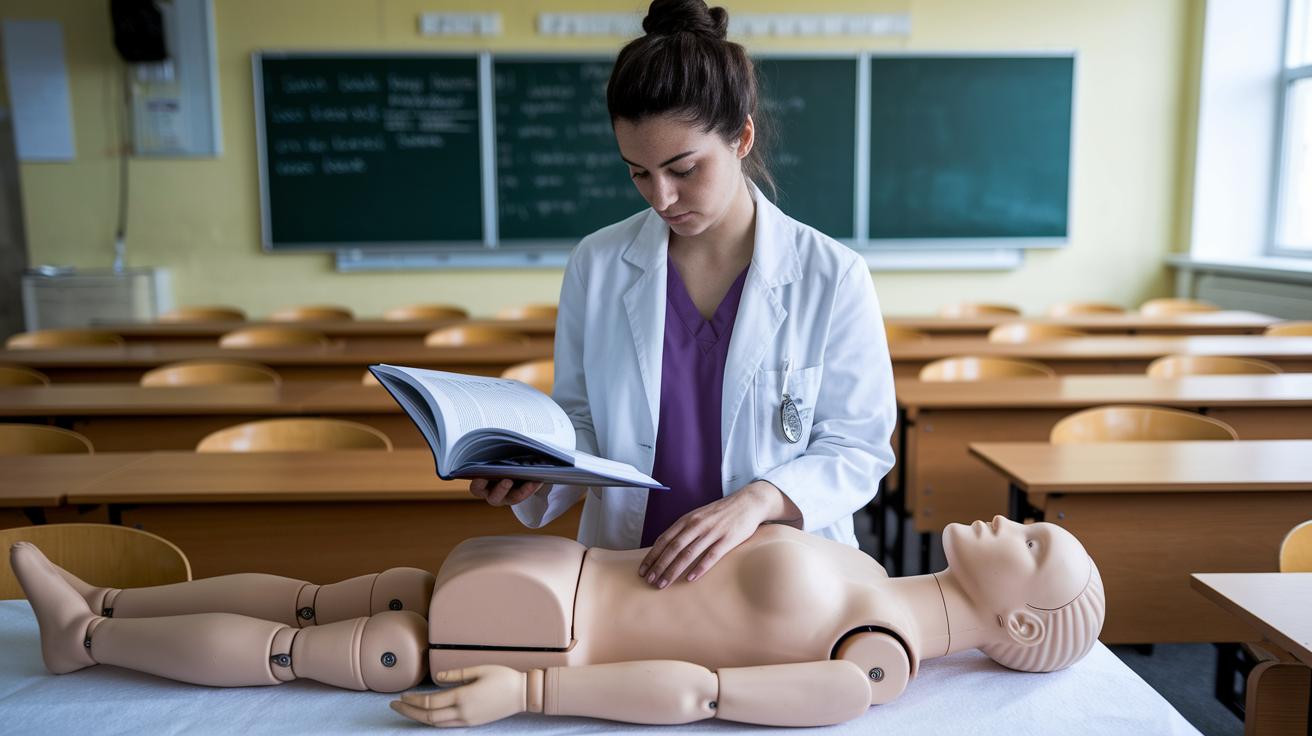
Both DO and MD students set out on a challenging four-year medical school journey, which then leads to residency training. This pathway builds a solid base in science and hands-on clinical practice. MD students focus on subjects like anatomy, biochemistry, and pharmacology, paired with lots of clinical clerkships. Meanwhile, DO students study a similar core curriculum but add about 200 extra hours of hands-on osteopathic manipulative treatment (OMT) training and courses that cover osteopathic principles. Imagine a student splitting time between textbooks and practice sessions to learn precise, hands-on adjustments, a true hallmark of osteopathic education.
The paths diverge further at licensing. DO students take the COMLEX-USA series to show their skills, while MD students prepare for the USMLE exam. In 2021, about 92% of MD grads secured their residency placements compared to roughly 89% of DO grads. Interestingly, DO graduates often choose to work in primary care, with 32% pursuing this path compared to 21% of MD graduates. This trend highlights a strong focus on treating the whole person rather than just a part of them.
Both routes require hard work and deep academic and clinical commitments. Still, the extra OMT training gives osteopathic medicine its own unique, hands-on approach to caring for patients.
Clinical Practice and Treatment Modalities in Osteopathic vs Allopathic Medicine

Osteopathic and allopathic doctors both handle key tasks like prescribing medicines, performing surgeries, and managing hospital stays. Yet they often take different routes when it comes to treatment. DOs, for instance, blend hands-on techniques with traditional care. They don’t just hand out medications, they also use manual adjustments to ease pain and help improve your movement. Think of it like adding a personal touch to your routine care, with extra advice on healthy living to keep you feeling great over time.
Meanwhile, MDs usually rely on tried-and-tested medication plans and clinical guidelines without much physical manipulation. DOs stand out by integrating osteopathic manipulative treatment (OMT) into their sessions, a special kind of therapy that often targets muscles and joints in refreshing ways. Remarkably, studies suggest that while both approaches yield similar primary care results, many patients share that they feel more satisfied when treated by a DO.
Below is a table highlighting some popular OMT techniques:
| OMT Technique | Description |
|---|---|
| High-velocity, low-amplitude (HVLA) thrust | A quick, precise push to adjust joints and relieve tense areas. |
| Myofascial release | Gentle pressure to ease muscle tightness and improve mobility. |
| Soft tissue mobilization | Warm, soothing techniques to ease muscle stiffness. |
| Muscle energy technique | A gentle method where patients use their muscles against resistance. |
| Counterstrain | A very light touch to reposition muscles for better alignment. |
Imagine this: you’re in a consultation and your doctor gives you a perfectly placed manual adjustment. It can feel as invigorating as that crisp morning breeze during a brisk walk. Whether through high-tech medications or the natural touch of OMT, both methods bring unique benefits to managing your health, often adding that little extra personal care that can make all the difference.
Patient Outcomes and Workforce Distribution in DO vs MD Careers

Recent research shows that DOs and MDs bring different strengths to healthcare. In 2022, DOs made up only about 11.1% of U.S. doctors, while MDs represented roughly 88.9%. Even with this difference in numbers, studies confirm that both types of physicians achieve similar results when managing chronic illnesses.
DO graduates often lean toward primary care specialties like family medicine, internal medicine, and pediatrics. They tend to design their practices with longer visits and include hands-on methods, such as osteopathic manipulative treatment, a special technique that many patients find comforting and personal. Many patients even say these visits feel more tailored to their needs.
Here’s what stands out:
| Key Point | Observation |
|---|---|
| Workforce Representation | DOs are a smaller portion of the physician community compared to MDs. |
| Chronic Disease Management | Both DOs and MDs deliver comparable outcomes. |
| Specialty Focus | DOs more often choose primary care fields. |
In short, even though DOs and MDs have different training and areas of focus, both play essential roles in offering strong, patient-centered healthcare.
Strengths and Limitations of Osteopathic vs Allopathic Medicine

Both osteopathic and allopathic practices bring unique benefits and face their own sets of challenges. Osteopathic medicine looks at your health like a complete picture, while allopathic medicine zeroes in on proven methods to treat specific symptoms. The differences in their approaches naturally shape how each treats patients. Below, you’ll find a simple breakdown of the advantages and potential drawbacks for each.
Pros of osteopathic medicine:
- It focuses on a patient-first model. Imagine a doctor who listens not just to your symptoms but also discusses your lifestyle, stress, and diet, almost like checking all the instruments in an orchestra.
- Practitioners are skilled in gentle, hands-on techniques designed to relieve pain, such as soft tissue mobilizations.
- There’s a strong emphasis on preventing problems before they start by talking about everyday habits that boost long-term health.
- Longer appointment times mean more personalized care and a deeper understanding of your unique situation.
Pros of allopathic medicine:
- Its MD degree is recognized almost anywhere in the world, so you’re in trusted hands no matter where you go.
- Extensive specialist training creates a wide network of experts ready to provide focused care when needed.
- With robust research funding backing it, allopathic methods continually evolve to improve treatment options.
- Evidence-based protocols are standard, ensuring that treatments follow reliable and consistent methods.
Cons of osteopathic medicine:
- It doesn’t enjoy the same level of international recognition as allopathic medicine.
- There are fewer osteopathic specialists available, which can limit your options if you need specialized care.
Cons of allopathic medicine:
- It generally involves less manual therapy, offering fewer hands-on treatment techniques.
- Often, there’s a stronger focus on specific disease markers rather than on your overall health picture.
In short, each approach has something important to offer. Understanding these differences can help you decide which pathway aligns best with your health needs.
Final Words
In the action, the article compared osteopathic medicine vs allopathic medicine, illustrating how both DO and MD paths share the goal of quality care yet differ in educational focus and treatment methods. We saw how osteopathic training, with its hands-on approach, emphasizes holistic, preventive care, while allopathic methods lean on pharmacology and surgical interventions. The discussion clarified unique strengths and challenges tied to each approach. Positive health choices stem from understanding these differences and embracing approaches that best fit our everyday wellness needs.
FAQ
What are the core differences in training between DOs and MDs?
The core differences in training show DOs complete extra hours in osteopathic manipulative techniques and holistic care, while MDs focus on pharmacology, surgery, and the study of disease processes.
How do the philosophies behind osteopathic and allopathic medicine differ?
The philosophical differences reveal that osteopathic medicine emphasizes body unity, self-regulation, and holistic care, whereas allopathic medicine centers on targeted treatments based on a biomedical model and specific disease processes.
What are the main clinical practices that differentiate DOs from MDs?
The clinical practices differ in that DOs incorporate manual osteopathic techniques and preventive care with lifestyle counseling, while MDs rely more on medications, surgical methods, and standardized evidence-based treatments.
How do education and licensing pathways differ for DOs and MDs?
The educational paths show that both DOs and MDs complete four years of medical school, but DOs receive additional training in osteopathic manipulative treatment and take COMLEX-USA exams, while MDs take the USMLE.
Are patient outcomes different between osteopathic and allopathic physicians?
Patient outcomes are similar between the two, though DO visits often yield higher satisfaction due to longer, more personalized consultations and the inclusion of manual treatment techniques.
What are key strengths and limitations of osteopathic versus allopathic medicine?
The strengths of osteopathic medicine include a holistic, patient-centered approach and manual therapy skills, while its limitations involve fewer specialists and less international recognition compared to allopathic medicine.