Ever wondered if flying might affect your health? Aerospace medicine looks at the challenges of high altitudes and zero gravity.
This field brings together hands-on care and careful research to keep pilots and astronauts safe. It fights issues like low oxygen and body changes in space that can harm well-being.
In short, expert care and new techniques work side by side to keep those who fly as healthy as possible. Health in flight is not just a luxury, it is a must.
Aerospace Medicine: Elevating Health in Flight
Aerospace medicine is all about keeping people safe and healthy when they’re up in the air or beyond. It involves hands-on care, thoughtful research, and solid backup support for everyone from pilots to astronauts. Picture a pilot suddenly feeling the effects of low oxygen at high altitudes or an astronaut coping with body changes caused by long periods without gravity, these scenarios underscore why this field matters so much.
The environment in flight and space presents some unique challenges. For example, microgravity (a condition where your muscles and bones don’t work as hard as they normally do) can slowly weaken you over time. At the same time, exposure to higher levels of radiation can increase health risks later on. And then there’s high-altitude hypoxia, where there isn’t enough oxygen, plus the stress of intense G-forces that push your body in unexpected ways. A quick 15–20-minute nap might give a crewmember a brief burst of energy, but if naps become a regular thing, it might be a sign of an underlying sleep problem that needs a closer look.
Training for this field is as demanding as the work itself. Doctors can follow a Resident Pathway, completing a two-year program accredited by groups like ACGME or RCPSC, often paired with additional studies like a Master of Public Health. Alternatively, those with the right background may pursue Complementary or Special Pathways. In every case, keeping an unrestricted medical license is essential to maintain top-notch care.
By merging advanced clinical practice with targeted research, aerospace medicine is continually evolving to meet the special health needs of those who soar through our skies and venture into space.
Physiological Hazards and Human Performance in Aerospace Medicine

Imagine being in space or soaring at high altitudes, where every moment pushes your body to work in ways it wasn’t designed for. In space, with its microgravity (a condition where your muscles and bones suffer from less use), our bodies begin to lose strength quickly. Simple acts we take for granted on Earth, standing, walking, lifting, become a struggle when returning to Earth's pull. Fluid shifts in zero gravity might increase the pressure inside your head, and our sense of balance can feel off when the inner ear doesn’t get the usual signals. A quick 15–20-minute nap in orbit can be refreshing, but if you’re napping often, it might hint at deeper sleep issues that deserve attention.
When you fly high into thin air, your body faces a whole new set of hurdles. Lower oxygen levels, faster pressure changes, and the constant push of stress make everyday tasks a bit more challenging. For instance, hypoxia, a fancy term meaning that not enough oxygen reaches your tissues, can leave you feeling lightheaded and tired. And if pressure drops too suddenly, you risk decompression sickness, a condition that can really put you out of commission. Even your heart gets a workout in a different way; with less gravitational pull to fight against, it doesn’t have to work as hard, which might weaken your overall cardiovascular strength if you’re not careful.
Key challenges faced in aerospace settings include:
- Microgravity leading to muscles and bones weakening
- Loss of bone density due to the lack of Earth’s pull
- The heart and blood vessels not getting enough exercise, causing issues like orthostatic intolerance (trouble adjusting when standing up)
- Changes in the brain and inner ear that affect balance and coordination
- Disrupted sleep patterns and shifts in your body clock
- Reduced oxygen levels and the risk of decompression sickness
These factors play a big part in how well someone can perform in flight. Researchers and medical professionals are always tweaking training methods and health strategies, driven by the goal of keeping crew members safe and performing their best in these extreme conditions.
Research and Innovations in Aerospace Medicine
Recent efforts in aerospace medicine are taking exciting new directions with civilian space clinical research that is changing how we care for health in extreme environments. Investigators are diving into studies on radiation mitigation (ways to lower harmful radiation effects) and vestibular adaptation (techniques that help the inner ear adjust to unusual movements). NASA’s upcoming two-day Research Boot Camp on Sept. 17–18, 2025 is a perfect example. It’s a lively forum where experts come together to share and celebrate fresh insights in space travel care. Think about it, long-duration missions now include tailored clinical trials aimed at optimizing astronaut health!
A firsthand shadowing experience with Dr. Hernando J. Ortega Jr., MD, MPH, really brings home the impact of this research. His work shows how real-world observations and case studies are directly shaping in-flight medical support and advancing aeromedicine. Such immersive programs give healthcare professionals practical exposure to cutting-edge practices, equipping them with strategies to overcome the unique challenges of space travel health.
Educational events and multidisciplinary symposiums add even more momentum by offering hands-on tools for daily practice. Resources like teamwork-focused communication guides, leadership training sessions, and opioid-prescribing safety protocols are all part of a dynamic learning environment. Each initiative highlights a genuine commitment to pushing clinical boundaries and innovating space travel care, embodying a true bench-to-bedside approach that’s setting the stage for next-generation practices in aerospace medicine.
Training Pathways and Certification in Aerospace Medicine
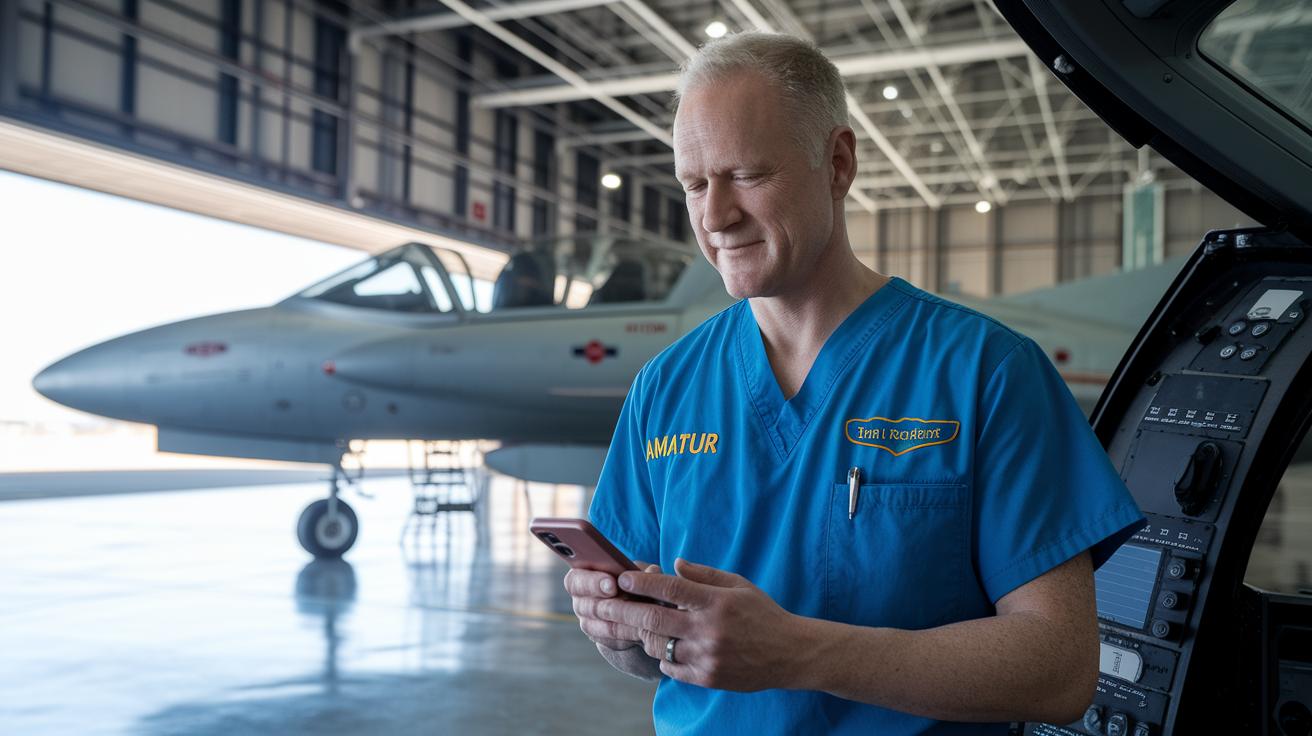
Flight doctors follow special certification routes that shape their careers in aerospace medicine. One common option is the Residency Pathway, a two-year accredited residency paired with an MPH or its equivalent. This blend offers hands-on clinical work and vital public health insight, making it ideal for those aiming at advanced aerospace training and aviation residency.
Another route, the Complementary Pathway, requires a minimum of two years of supervised postgraduate clinical training followed by one year in an Aerospace Medicine residency. This approach is perfect if you’re looking to broaden your expertise while switching into a flight surgeon role.
For seasoned professionals, the Special Pathway gives ABPM diplomates the chance to add Aerospace Medicine to their practice. This route extends certification guidelines for experienced flight physicians who want to grow their specialty.
Staying certified means keeping up with specific practice requirements. For example, if you finish the Residency Pathway, you must complete at least one year of practice in the past three years if over 24 months have passed since your residency. In contrast, both the Complementary and Special Pathways need at least two years of full-time practice within the previous five years.
Documentation is key in every track. You must supply official transcripts of your graduate coursework. If you’re applying through the Special Pathway, you’ll also need three letters of reference, with two coming from ABPM-certified Aerospace Medicine diplomates.
| Pathway | Training Requirements | Practice & Maintenance | Documentation |
|---|---|---|---|
| Residency | Two-year ACGME/RCPSC-accredited residency plus MPH or equivalent | At least 1 year of practice in the past 3 years if >24 months since residency | Official graduate-coursework transcripts |
| Complementary | Minimum two years supervised postgraduate clinical training plus one year in an Aerospace Medicine residency | At least 2 years full-time practice within the past 5 years | Official graduate-coursework transcripts |
| Special | For existing ABPM diplomates adding Aerospace Medicine | At least 2 years full-time practice within the past 5 years | Official transcripts and 3 letters of reference (2 from ABPM-certified diplomates) |
This framework keeps flight physicians ready for the demanding aerospace environment while continuously refining their skills. Have you ever wondered how a steady commitment to practice can make all the difference?
Aerospace Medicine Career Paths and Market Trends
According to a major residency and fellowship database, most flight doctors end up settling where they trained. That means many begin their careers in familiar communities, which naturally builds local hubs of aerospace medicine expertise. It’s like each region becomes a little center where specialized care flourishes.
There are plenty of paths within aerospace medicine. You could serve in military flight health units, where service members get tailored care. Then there are USAF space health squadrons that dive into the unique challenges of space-related health. NASA clinical teams work hard managing astronaut health during missions. Commercial airlines also need on-board medical support, and civilian research institutions are busy exploring innovative strategies for tackling extreme environmental challenges.
Compensation can vary a lot depending on your setting. For example, military positions follow Department of Defense pay scales, while NASA roles typically use a GS pay structure because they’re federal jobs. Meanwhile, careers in clinical research or positions with commercial airlines often depend on grants or private sector salary models. This diverse range of earnings plays a big role in where flight physicians choose to build their careers.
Ever wonder how your training location could shape your future? In aerospace medicine, the place where you learn your skills often decides the kind of job you land, as well as the pay structure you can expect. It’s a dynamic field where education, job opportunities, and regional trends all connect to shape a promising career path.
Key Organizations and Continuing Education in Aerospace Medicine

Professional societies play a big role in keeping aerospace medicine experts up-to-date. Organizations like the Aerospace Medical Association, the American Society of Aerospace Medicine Specialists, and the American Board of Preventive Medicine offer hands-on learning through annual conferences, crisis-management workshops, and seminars on telehealth integration. They create innovative opportunities that help healthcare professionals tackle the unique challenges of in-flight and space care.
For example, at aeromedical symposiums, doctors and nurses dive into real-life scenarios during interactive sessions. Imagine listening to a flight physician describe an in-flight emergency in detail, merging the theory you’ve read about with practical experience. Advanced fellowships, such as NASA Space Medicine Fellowships and other orbital health internships, add extra layers of hands-on learning that show the industry’s strong commitment to thorough, practical education.
Special training programs like ACLS/ATLS courses, designed specifically for flight and space situations, ensure that practitioners are ready when unpredictability strikes. The Sept. 17–18, 2025 Research Boot Camp offers an intensive learning environment, blending cutting-edge research with current clinical practices in aerospace medicine. Not to mention, space agency health fellowships provide an exciting chance for professionals who want to deepen their expertise in space care and build valuable connections in the field.
Together, these efforts create a supportive, dynamic framework that fuels ongoing growth and excellence among aerospace medicine professionals.
Final Words
In the action, this post broke down the essentials of aerospace medicine, from understanding environmental challenges and clinical care to exploring certification tracks and career paths.
It detailed how physiological hazards and breakthrough research fuel innovative health practices in extreme settings.
The discussion also highlighted training opportunities and market trends that equip professionals for dynamic roles.
This overview bridges scientific research with practical wellness insights, setting a positive tone for future health advancements in aerospace medicine.
FAQ
What is involved in an Aerospace Medicine residency?
The Aerospace Medicine residency involves a two-year board-accredited program, often paired with graduate coursework like an MPH, to develop skills in clinical care, research, and support for air and space crews.
What salary can I expect in Aerospace Medicine?
The Aerospace Medicine salary varies across sectors, with competitive pay in military, NASA, or civilian roles, driven by specialized training, experience, and job responsibilities.
How does the Aerospace Medicine pathway work in the Air Force?
The Aerospace Medicine pathway in the Air Force includes specific training in aircrew health and space medical support, adhering to military protocols and competitive compensation structures.
What job opportunities exist in Aerospace Medicine?
Aerospace Medicine offers roles in military flight health units, NASA clinical teams, commercial airlines, and civilian research institutions, enabling professionals to use specialized medical expertise.
What does obtaining an Aerospace Medicine degree involve?
Obtaining an Aerospace Medicine degree involves completing a specialized residency and related graduate courses focused on the health challenges of aviation and space travel rather than a traditional academic degree program.
What are the key aspects of an Aerospace Medicine internship?
An Aerospace Medicine internship provides hands-on clinical and research experience, including shadowing experts, which supplements residency training and deepens practical skills in managing space-related health issues.
What discussions can be found on Aerospace Medicine Reddit?
Discussions on Aerospace Medicine Reddit cover shared experiences, advice on training pathways, insights into job roles, and community support for both newcomers and experienced professionals in the field.
What is an Aerospace Medicine Fellowship?
An Aerospace Medicine Fellowship offers advanced training after residency, focusing on further specialization in flight medicine, research, and operational support for air and space travel healthcare.
What roles does an Aerospace Medicine doctor serve?
An Aerospace Medicine doctor serves by providing clinical care, conducting research, and supporting operations for air and space travel, specifically managing health risks like microgravity and radiation.
How can one get into Aerospace Medicine?
Getting into Aerospace Medicine requires completing medical school, securing an unrestricted license, and entering a board-accredited residency or alternative pathway designed for this specialized field.
How long does an Aerospace Medicine residency last?
An Aerospace Medicine residency typically lasts two years, offering comprehensive clinical training and, when needed, additional graduate-level coursework.
Where can I study Aerospace Medicine?
You can study Aerospace Medicine at institutions offering board-accredited residency programs, including military training centers, specialized universities, and academic centers focused on aviation and space health.