Essential Nutrients And Immune Health: Radiant Defense

Have you ever thought that your everyday meals might be a secret shield against sickness? Imagine vitamins and minerals working together like a team, quietly guarding your body. Nutrients such as vitamin C (which helps your immune cells stay strong), vitamin D (that helps your body use calcium), vitamin E (protects your cells), along with zinc and selenium, all help support your natural defenses.

In short, making smart food choices can build a bright, healthy barrier inside you. Next time you sit down to eat, remember that a few simple nutrients might be all you need to keep germs at bay and your body in top shape.

Key Nutrient Categories for Immune Health

Eating a wide variety of wholesome foods sets the stage for a strong immune response, whether you’re facing a simple common cold or something more challenging like COVID-19. Vitamins such as C, D, and E help clear out harmful free radicals and boost the work of your immune cells, while minerals like zinc and selenium guide your body’s defense efforts and support antioxidant protection. Think of these nutrients as a team where each player, like vitamin C working with vitamin E, joins forces to protect your body.

Whole foods bring extra power beyond just vitamins and minerals. Imagine biting into a handful of sweet berries or crunching on fresh leafy greens, these foods are bursting with antioxidants and other natural compounds that help strengthen your body’s barrier. Drinking enough water is just as important because it supports the production of lymph, which carries immune cells throughout your system. In our busy lives, making space for a mix of whole foods and fortified choices can really make a difference.

Did you know that long before the idea of immune boosters became trendy, people naturally included nutrient-rich traditional foods in their diets, unknowingly fueling their bodies against infections?

Essential Vitamins and Their Roles in Immune Health

img-1.jpg

Essential vitamins are like trusty shields that help our cells handle stress and keep infections at bay. Each nutrient plays a special role, making sure our immune system runs smoothly every day.

Take Vitamin C, for instance. It tames harmful free radicals and boosts white blood cell production, our body’s quick responders when germs invade. Then there’s Vitamin D, which helps T-cells (the immune system's vigilant scouts) spot and tackle infections.

Vitamin E also steps in as a hardworking antioxidant partner, keeping your cell membranes sturdy when things get tough. Meanwhile, Vitamin A supports the protective barriers in your gut and respiratory tract, adding an extra layer of defense.

The B-complex group, including folate, gives energy to immune cells and aids in creating antibodies. This keeps your body ready for rapid cell growth when needed. And don’t forget Vitamin K, it plays a key role in balancing inflammatory responses during immune challenges.

Below is a quick reference table summarizing these nutrients:

Vitamin Immune Function Daily Intake Food Sources
C Neutralizes free radicals, boosts white blood cell production 75-90 mg Citrus fruits, berries
D Supports T-cell activation 600-800 IU Fatty fish, fortified dairy
E Preserves cell membranes as an antioxidant cofactor 15 mg Nuts, seeds
A Maintains mucosal barriers in gut and respiratory tract 700-900 mcg Sweet potatoes, carrots
B-complex Supports energy metabolism and antibody production Varies Meat, eggs, legumes
K Modulates inflammatory pathways 90-120 mcg Leafy greens, fermented foods

Critical Minerals Supporting Immune Defense

Zinc is a real powerhouse for your immune system. It kick-starts the production of immune cells and helps fend off viruses by fueling antiviral responses. Most adults need about 8 to 11 mg each day. When your body doesn’t get enough, it might struggle to form the white blood cells that battle off invaders. Fun fact: during stressful times or when you’re sick, lower zinc levels can slow down healing.

Selenium works like a gentle shield for your cells. Just 55 mcg daily helps reduce oxidative damage by keeping harsh free radicals in check, letting your immune system concentrate on fighting infections instead of constant repairs.

Iron is also key in keeping your body strong. It helps produce lymphocytes, the white blood cells that protect you. Adults should aim for 8 to 18 mg per day, which supports oxygen flow and boosts immune cell function. Without enough iron, you might end up feeling tired and less able to fight off germs.

Magnesium, needed in amounts of 310 to 420 mg a day, plays a big role too. It helps manage inflammation and keeps your energy steady. If you’re low on magnesium, your body might react unevenly to inflammation, weakening your overall defense. Skimping on these minerals can trigger a domino effect that leaves you more prone to infections.

Macronutrients and Antioxidant Foods for Immune Health
img-2.jpg

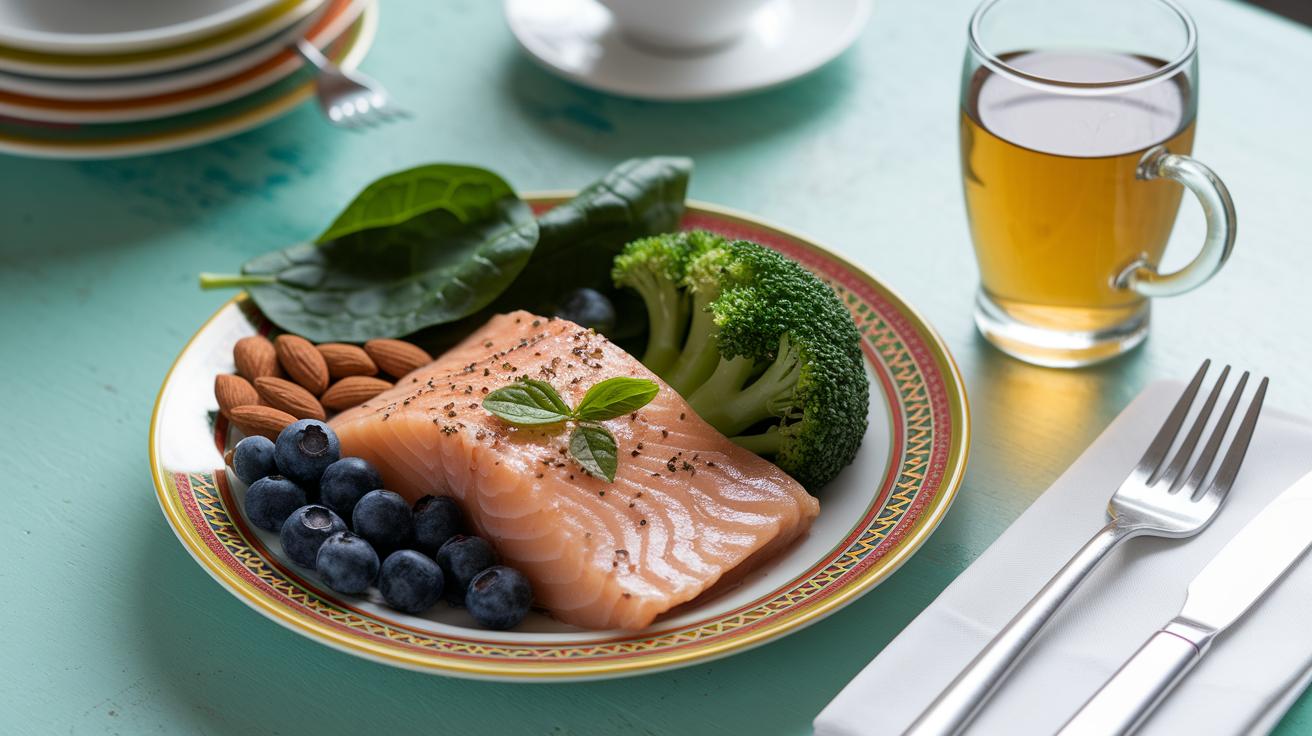
Balancing the right mix of proteins, fats, and carbohydrates is key to keeping our immune system strong. When your body gets these macronutrients, it has the fuel it needs to power essential immune functions and keep your energy levels steady. For example, omega-3 fatty acids found in fatty fish and flaxseed help lower inflammation, while dietary fiber supports a healthy gut, a vital partner in regulating immune responses.

Here are some tasty examples of antioxidant-rich foods:
• Blueberries – packed with anthocyanins
• Dark chocolate – loaded with flavonoids
• Green tea – rich in catechins
• Spinach – a good source of lutein
• Red grapes – offer resveratrol
• Broccoli – brimming with sulforaphane
• Almonds – supply vitamin E
• Tomatoes – contain lycopene

These natural antioxidants work hard to mop up harmful free radicals and protect important immune cells from damage. Plus, the polyphenols in green tea and cocoa help keep our body’s delicate balance intact, especially when our energy needs are high.

Proteins give us essential amino acids like glutamine and arginine that fuel the quick division and repair of immune cells. Think of these amino acids as the building blocks that keep our defenses ready to fight off any unwelcome invaders. And don’t forget about complex carbohydrates, they provide a steady supply of energy for busy cells, whether you’re taking on everyday activities or dealing with a sudden immune challenge.

In short, mixing well-rounded macronutrients with foods loaded with antioxidants helps keep your body’s defenses on point. Enjoy meals that blend omega fatty acids, fiber, and a rainbow of antioxidants to naturally boost your immunity and keep you feeling your best.

Gut Health: Probiotics, Prebiotics, and Immune Balance

About 70% of your immune cells live in your gut, which shows just how crucial gut health is for your overall protection. Your gut doesn’t just break down food, it also acts like a first responder against harmful invaders. Think of it as a lively command center where a balanced community of microbes works hand in hand with immune cells to keep inflammation at bay and help your body fend off sickness.

Adding probiotics, like Lactobacillus and Bifidobacterium, can really boost this natural defense. You know the usual suspects, yogurt, kefir, and sauerkraut are great sources. These foods help diversify your gut flora and strengthen your gut’s barrier, meaning even a small serving could set the stage for a more resilient immune response.

Prebiotics, such as inulin and fructooligosaccharides, act as a nourishing meal for those good microbes. When you combine them with natural enzymes like papain and bromelain, which help break down food and release essential nutrients, your digestion becomes more efficient. This supportive duo works together to enhance your internal balance, keeping your immune system ready to tackle everyday challenges.

Essential Nutrients and Immune Health: Radiant Defense
img-3.jpg

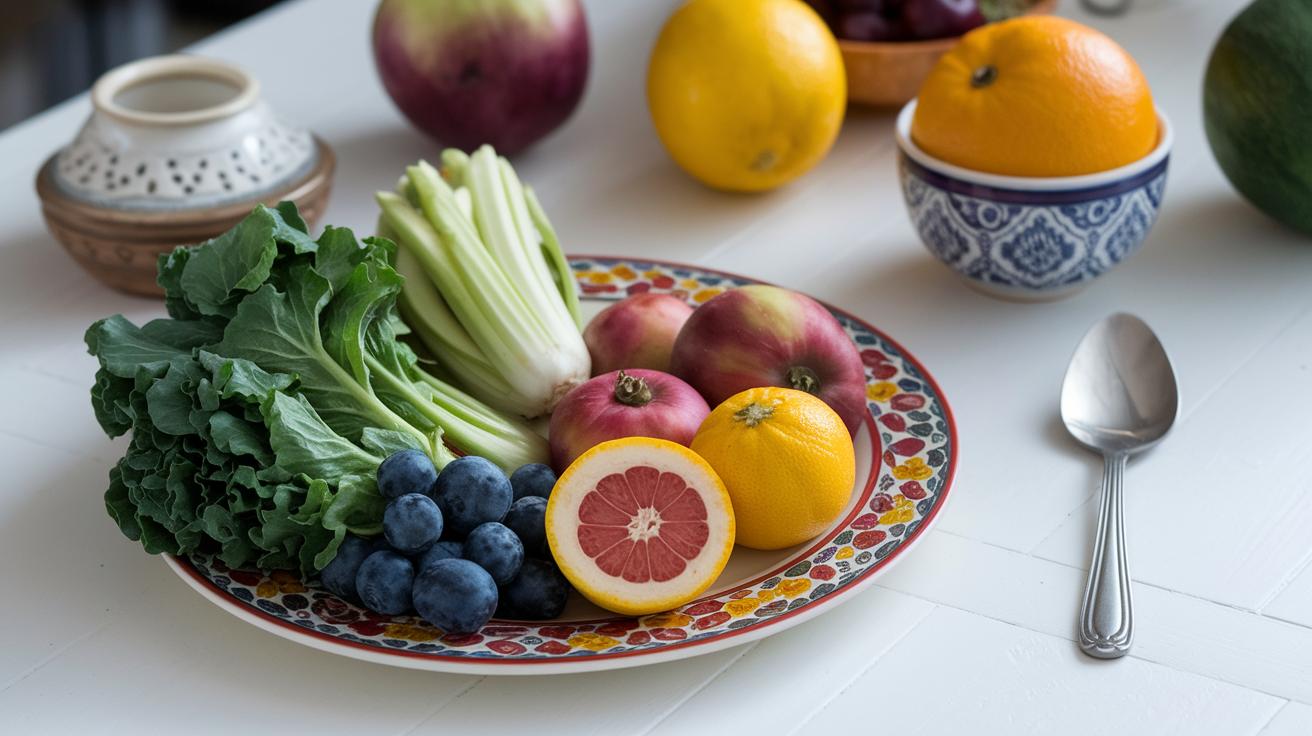
Fueling your immune system starts with making sure your body gets and uses all the nutrients it needs. For example, vitamins like A, D, E, and K work best when you eat a little healthy fat with them. A rainbow of fruits and veggies isn’t just appetizing, it also provides natural compounds that help boost your body's defense. And hey, cooking or fermenting your food can reduce substances like phytates and oxalates, which means your body can grab more minerals to keep you strong.

The way you combine and time your meals can really amplify these benefits. Pairing vitamin C-rich foods with plant-based iron sources helps your body absorb more iron, and giving a gap between taking supplements like zinc and copper stops them from competing with each other. Spreading out protein, fats, and carbs throughout the day can get your metabolism working smoothly, ensuring your immune cells receive the nutrients they need. Fun fact: a balanced meal with citrus fruits and leafy greens can boost iron absorption even more than an iron supplement!

When planning your meals, think about filling your plate with lots of colors and textures. This not only makes the meal look inviting but also naturally improves nutrient uptake. In short, embracing clean eating and mindful meal timing turns every bite into a little act of self-care for your immune system.

Final Words

In the action of blending nutrient-rich foods with smart meal timing, we’ve shown how a mix of vitamins, minerals, antioxidants, and gut-friendly nutrients works to fortify our immune defenses. Simple practices, like pairing vitamin C with iron-rich foods or adding fermented foods to your diet, bring clinical research into daily wellness. Embracing essential nutrients and immune health can boost your overall well-being. Keep experimenting with balanced choices and enjoy the positive energy that comes from taking charge of your health.

FAQ

What role does nutrition play in supporting the immune system?

Nutrition supports your immune system by supplying essential vitamins, minerals, antioxidants, and probiotics that fuel white blood cells, aid cell repair, and help maintain robust defense against pathogens.

Which foods and supplements help boost immunity naturally?

A diet rich in citrus fruits, leafy greens, berries, nuts, and fermented foods, paired with supplements like vitamin C, vitamin D, and zinc, naturally reinforces your body’s immune defenses.

What is the most important vitamin for adult immune health?

Vitamin C is the key vitamin known for boosting the immune system by enhancing white blood cell production and protecting cells from oxidative damage in adults.

How can natural dietary habits boost the immune system?

Eating whole foods, staying hydrated, and pairing nutrients in balanced meals naturally support optimal nutrient absorption and enhance cellular repair, which strengthens your immune response.

What are five signs of a weak immune system?

Frequent infections, slow-healing wounds, persistent fatigue, digestive issues, and recurring colds are common signs indicating your immune system might be underperforming.

Have you ever thought that your everyday meals might be a secret shield against sickness? Imagine vitamins and minerals working together like a team, quietly guarding your body. Nutrients such as vitamin C (which helps your immune cells stay strong), vitamin D (that helps your body use calcium), vitamin E (protects your cells), along with zinc and selenium, all help support your natural defenses.

In short, making smart food choices can build a bright, healthy barrier inside you. Next time you sit down to eat, remember that a few simple nutrients might be all you need to keep germs at bay and your body in top shape.

Key Nutrient Categories for Immune Health

Eating a wide variety of wholesome foods sets the stage for a strong immune response, whether you’re facing a simple common cold or something more challenging like COVID-19. Vitamins such as C, D, and E help clear out harmful free radicals and boost the work of your immune cells, while minerals like zinc and selenium guide your body’s defense efforts and support antioxidant protection. Think of these nutrients as a team where each player, like vitamin C working with vitamin E, joins forces to protect your body.

Whole foods bring extra power beyond just vitamins and minerals. Imagine biting into a handful of sweet berries or crunching on fresh leafy greens, these foods are bursting with antioxidants and other natural compounds that help strengthen your body’s barrier. Drinking enough water is just as important because it supports the production of lymph, which carries immune cells throughout your system. In our busy lives, making space for a mix of whole foods and fortified choices can really make a difference.

Did you know that long before the idea of immune boosters became trendy, people naturally included nutrient-rich traditional foods in their diets, unknowingly fueling their bodies against infections?

Essential Vitamins and Their Roles in Immune Health

img-1.jpg

Essential vitamins are like trusty shields that help our cells handle stress and keep infections at bay. Each nutrient plays a special role, making sure our immune system runs smoothly every day.

Take Vitamin C, for instance. It tames harmful free radicals and boosts white blood cell production, our body’s quick responders when germs invade. Then there’s Vitamin D, which helps T-cells (the immune system's vigilant scouts) spot and tackle infections.

Vitamin E also steps in as a hardworking antioxidant partner, keeping your cell membranes sturdy when things get tough. Meanwhile, Vitamin A supports the protective barriers in your gut and respiratory tract, adding an extra layer of defense.

The B-complex group, including folate, gives energy to immune cells and aids in creating antibodies. This keeps your body ready for rapid cell growth when needed. And don’t forget Vitamin K, it plays a key role in balancing inflammatory responses during immune challenges.

Below is a quick reference table summarizing these nutrients:

Vitamin Immune Function Daily Intake Food Sources
C Neutralizes free radicals, boosts white blood cell production 75-90 mg Citrus fruits, berries
D Supports T-cell activation 600-800 IU Fatty fish, fortified dairy
E Preserves cell membranes as an antioxidant cofactor 15 mg Nuts, seeds
A Maintains mucosal barriers in gut and respiratory tract 700-900 mcg Sweet potatoes, carrots
B-complex Supports energy metabolism and antibody production Varies Meat, eggs, legumes
K Modulates inflammatory pathways 90-120 mcg Leafy greens, fermented foods

Critical Minerals Supporting Immune Defense

Zinc is a real powerhouse for your immune system. It kick-starts the production of immune cells and helps fend off viruses by fueling antiviral responses. Most adults need about 8 to 11 mg each day. When your body doesn’t get enough, it might struggle to form the white blood cells that battle off invaders. Fun fact: during stressful times or when you’re sick, lower zinc levels can slow down healing.

Selenium works like a gentle shield for your cells. Just 55 mcg daily helps reduce oxidative damage by keeping harsh free radicals in check, letting your immune system concentrate on fighting infections instead of constant repairs.

Iron is also key in keeping your body strong. It helps produce lymphocytes, the white blood cells that protect you. Adults should aim for 8 to 18 mg per day, which supports oxygen flow and boosts immune cell function. Without enough iron, you might end up feeling tired and less able to fight off germs.

Magnesium, needed in amounts of 310 to 420 mg a day, plays a big role too. It helps manage inflammation and keeps your energy steady. If you’re low on magnesium, your body might react unevenly to inflammation, weakening your overall defense. Skimping on these minerals can trigger a domino effect that leaves you more prone to infections.

Macronutrients and Antioxidant Foods for Immune Health

img-2.jpg

Balancing the right mix of proteins, fats, and carbohydrates is key to keeping our immune system strong. When your body gets these macronutrients, it has the fuel it needs to power essential immune functions and keep your energy levels steady. For example, omega-3 fatty acids found in fatty fish and flaxseed help lower inflammation, while dietary fiber supports a healthy gut, a vital partner in regulating immune responses.

Here are some tasty examples of antioxidant-rich foods:
• Blueberries – packed with anthocyanins
• Dark chocolate – loaded with flavonoids
• Green tea – rich in catechins
• Spinach – a good source of lutein
• Red grapes – offer resveratrol
• Broccoli – brimming with sulforaphane
• Almonds – supply vitamin E
• Tomatoes – contain lycopene

These natural antioxidants work hard to mop up harmful free radicals and protect important immune cells from damage. Plus, the polyphenols in green tea and cocoa help keep our body’s delicate balance intact, especially when our energy needs are high.

Proteins give us essential amino acids like glutamine and arginine that fuel the quick division and repair of immune cells. Think of these amino acids as the building blocks that keep our defenses ready to fight off any unwelcome invaders. And don’t forget about complex carbohydrates, they provide a steady supply of energy for busy cells, whether you’re taking on everyday activities or dealing with a sudden immune challenge.

In short, mixing well-rounded macronutrients with foods loaded with antioxidants helps keep your body’s defenses on point. Enjoy meals that blend omega fatty acids, fiber, and a rainbow of antioxidants to naturally boost your immunity and keep you feeling your best.

Gut Health: Probiotics, Prebiotics, and Immune Balance

About 70% of your immune cells live in your gut, which shows just how crucial gut health is for your overall protection. Your gut doesn’t just break down food, it also acts like a first responder against harmful invaders. Think of it as a lively command center where a balanced community of microbes works hand in hand with immune cells to keep inflammation at bay and help your body fend off sickness.

Adding probiotics, like Lactobacillus and Bifidobacterium, can really boost this natural defense. You know the usual suspects, yogurt, kefir, and sauerkraut are great sources. These foods help diversify your gut flora and strengthen your gut’s barrier, meaning even a small serving could set the stage for a more resilient immune response.

Prebiotics, such as inulin and fructooligosaccharides, act as a nourishing meal for those good microbes. When you combine them with natural enzymes like papain and bromelain, which help break down food and release essential nutrients, your digestion becomes more efficient. This supportive duo works together to enhance your internal balance, keeping your immune system ready to tackle everyday challenges.

Essential Nutrients and Immune Health: Radiant Defense

img-3.jpg

Fueling your immune system starts with making sure your body gets and uses all the nutrients it needs. For example, vitamins like A, D, E, and K work best when you eat a little healthy fat with them. A rainbow of fruits and veggies isn’t just appetizing, it also provides natural compounds that help boost your body's defense. And hey, cooking or fermenting your food can reduce substances like phytates and oxalates, which means your body can grab more minerals to keep you strong.

The way you combine and time your meals can really amplify these benefits. Pairing vitamin C-rich foods with plant-based iron sources helps your body absorb more iron, and giving a gap between taking supplements like zinc and copper stops them from competing with each other. Spreading out protein, fats, and carbs throughout the day can get your metabolism working smoothly, ensuring your immune cells receive the nutrients they need. Fun fact: a balanced meal with citrus fruits and leafy greens can boost iron absorption even more than an iron supplement!

When planning your meals, think about filling your plate with lots of colors and textures. This not only makes the meal look inviting but also naturally improves nutrient uptake. In short, embracing clean eating and mindful meal timing turns every bite into a little act of self-care for your immune system.

Final Words

In the action of blending nutrient-rich foods with smart meal timing, we’ve shown how a mix of vitamins, minerals, antioxidants, and gut-friendly nutrients works to fortify our immune defenses. Simple practices, like pairing vitamin C with iron-rich foods or adding fermented foods to your diet, bring clinical research into daily wellness. Embracing essential nutrients and immune health can boost your overall well-being. Keep experimenting with balanced choices and enjoy the positive energy that comes from taking charge of your health.

FAQ

What role does nutrition play in supporting the immune system?

Nutrition supports your immune system by supplying essential vitamins, minerals, antioxidants, and probiotics that fuel white blood cells, aid cell repair, and help maintain robust defense against pathogens.

Which foods and supplements help boost immunity naturally?

A diet rich in citrus fruits, leafy greens, berries, nuts, and fermented foods, paired with supplements like vitamin C, vitamin D, and zinc, naturally reinforces your body’s immune defenses.

What is the most important vitamin for adult immune health?

Vitamin C is the key vitamin known for boosting the immune system by enhancing white blood cell production and protecting cells from oxidative damage in adults.

How can natural dietary habits boost the immune system?

Eating whole foods, staying hydrated, and pairing nutrients in balanced meals naturally support optimal nutrient absorption and enhance cellular repair, which strengthens your immune response.

What are five signs of a weak immune system?

Frequent infections, slow-healing wounds, persistent fatigue, digestive issues, and recurring colds are common signs indicating your immune system might be underperforming.

More from author

LEAVE A REPLY

Please enter your comment!
Please enter your name here

Related posts

Advertismentspot_img

Latest posts

How To Create A Daily Wellness Routine: Thriving

Curious about how to create a daily wellness routine that transforms your mornings and days? Read on as secrets await…

2 Daily Wellness Drink Tips For Radiance

Experience a daily wellness drink with natural herbs, green ingredients, and clinical backing that might change your routine forever, stay tuned.

Daily Wellness: Elevate Your Everyday Vitality

Daily wellness transforms everyday routines into mindful adjustments, merging nutrition, movement, and restorative sleep. What unforeseen practice awaits you next?

Want to stay up to date with the latest news?

We would love to hear from you! Please fill in your details and we will stay in touch. It's that simple!