Ever think that the newest research on essential nutrients could change your everyday health? Recent studies are turning old ideas on their heads, offering fresh ways to boost your energy, strength, and overall well-being.
Experts now use simple tests like blood checks and genetic screenings to figure out exactly what your body needs. Imagine a doctor visit that feels like it was made just for you.
In short, these findings offer hope and practical tips to help manage nutrient shortages in our busy lives. Five ground-breaking discoveries in this field are set to make healthy living more personal and effective.
Global Landscape of Essential Nutrient Research
Around the world, countless people don’t get enough vital micronutrients. This shortage can lead to serious health issues like complications during pregnancy and even vision problems. In some communities, not having enough iron or vitamin A means feeling constantly tired or facing eye-health struggles. Think about it, when your body misses these important nutrients, everyday life can really take a hit. And with challenges like climate change, conflict, and higher food costs, it’s becoming tougher for many to access nutrient-packed foods such as fruits, vegetables, whole grains, and lean proteins.
Recent research is shedding light on smarter ways to fight these shortages. Instead of a one-size-fits-all approach, experts are now using personalized nutrition tools like microbiome tests, blood biomarker checks (simple tests that look at your body’s vital signs), and even genetic assessments. This tailored method helps determine exactly what nutrients an individual needs to boost overall health, making nutrition advice feel more personal and effective.
There’s also a big shift in who needs this help. By 2030, forecasts show that one in six people will be over 60. With an aging population, studies are increasingly focusing on nutrients that support muscle strength, sharp thinking, and a robust immune system. New research into dietary compounds offers fresh insights, promising to offer the right kind of support for today’s fast-paced lifestyles. All in all, as we learn more about global nutrient shortages and develop new testing methods, we're paving the way for a brighter, healthier future for everyone.
Breakthrough Studies in Essential Vitamin Research
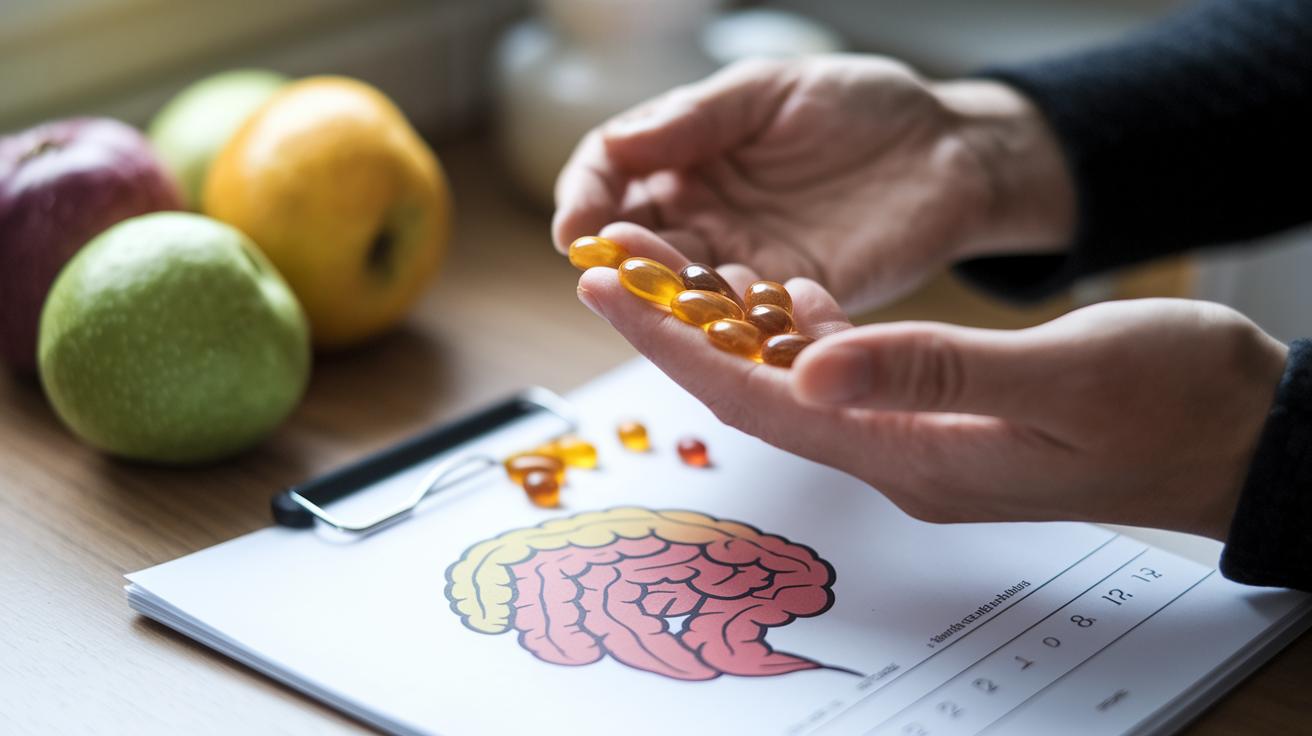
Vitamins are little helpers that keep our bodies running smoothly. They fix cells, boost our immune system, and give us energy. Recently, researchers have been exploring smarter ways to deliver these nutrients, by adding them to foods and using advanced techniques that help our bodies absorb them better. They’re also discovering that our gut, home to about 40 trillion tiny organisms, plays a big role in how we get these benefits.
| Year | Study Details | Main Finding |
|---|---|---|
| 2023 | Trial on vitamin D for older adults | 20% boost in T-cell function |
| 2022 | Study on vitamin K₂ in postmenopausal women | 15% drop in fracture risk |
| 2023 | Liposomal vitamin B₁₂ trial in patients with absorption problems | 30% increase in serum B₁₂ levels |
| 2022 | Investigation on pyridoxal-5′-phosphate (B₆) | Notable mood improvements in adults with mild depression |
| 2023 | Review of vitamin C in postbiotic formulas | Stronger antioxidant activity |
These breakthrough trials are changing the way we think about vitamin guidelines. They show that vitamin needs might be different for each group, whether you’re an older adult, someone going through a significant life change, or dealing with unique absorption issues. With fresh research guiding us, the idea of personalizing vitamin plans is becoming a real possibility. Isn’t that pretty exciting?
Advances in Essential Mineral Bioavailability Research
Minerals are like tiny helpers that keep our cells active and our bodies running smoothly. Did you know that billions of people around the world struggle with shortages of key nutrients like iron and calcium? These shortages can lead to problems like anemia and weak bones. Recently, scientists have been paying extra attention to how well our bodies absorb these minerals, what they call "bioavailability", to help lower health risks.
Even sodium, which many of us tend to consume too much of, is getting a closer look. The World Health Organization suggests keeping salt to about 5 grams a day (which means around 2,000 mg of sodium). Adjusting our salt habits could potentially save millions of lives by 2030. Researchers are exploring ways to boost mineral absorption using absorption enhancers and better fortification techniques. These improvements mean our bodies can make full use of the minerals in our food.
New food rules are popping up too. Think front-of-pack labels that clearly show mineral content and updated sodium guidelines. All these changes aim to help us make healthier choices every day. In short, current studies are paving the way for fortified foods that tackle common mineral deficits more effectively.
| Mineral | Research Focus | Key Findings |
|---|---|---|
| Iron | Boosting absorption to lessen anemia | New formulations improve how iron is absorbed, helping reduce anemia rates |
| Calcium | Enhancing bone strength | Fortification techniques are improving bone density and reducing the risk of fractures |
| Sodium | Setting better limits and reducing consumption | Revised sodium guidelines are linked to fewer heart-related issues |
Emerging Insights on Essential Fatty Acid Research
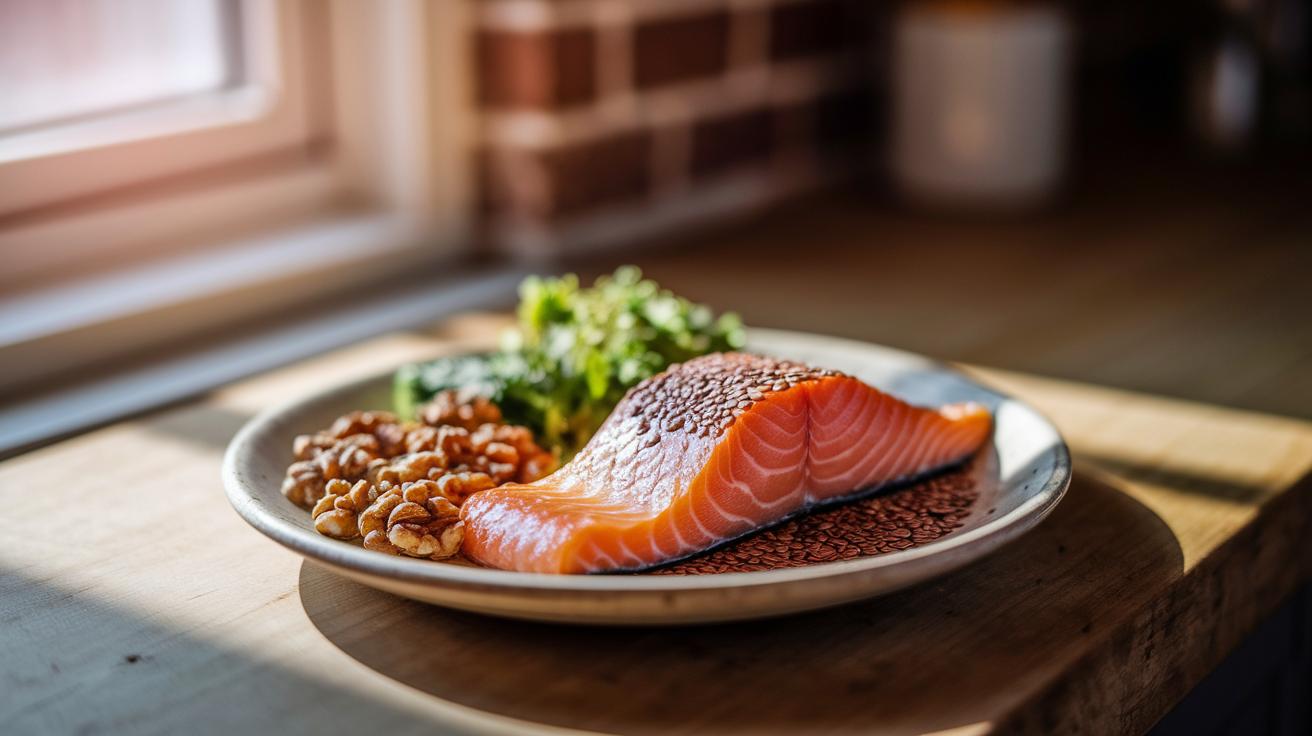
New research is showing us that the fats we eat can really make a difference for both our hearts and our brains. Scientists have noticed that not getting enough omega-3 fatty acids, the healthy fats found in fish, walnuts, and flaxseeds, may increase our risk for heart problems and slow down our thinking. Nowadays, our meals usually have way too many omega-6 fats compared to omega-3s, sometimes as high as a 20:1 ratio, while in the past the ratio was closer to 1:1 or 4:1. This mismatch can lead to more inflammation and other health worries. Recent weight management studies even highlight that sticking to a nutrient-rich diet full of these good fats can be a game-changer.
Omega-3 in Cardiovascular and Cognitive Health
A meta-analysis from 2023 revealed that folks who added EPA/DHA supplements, forms of omega-3, into their diets saw about 25% fewer heart attacks than those who didn’t. It wasn’t just about heart health either; many of these people also enjoyed sharper mental abilities. Essentially, regular omega-3 intake looks like it’s doing double duty for both our cardiovascular system and our brains.
Balancing Omega-6 to Omega-3 Ratios
Experts now agree that keeping a balanced ratio between omega-6 and omega-3 fats, ideally between 1:1 and 4:1, is key to feeling our best. But as it stands, many modern diets are overloaded with omega-6 fats, which can kick off inflammation and upset metabolic balance. Research suggests that dialing back on omega-6 while boosting omega-3 intake can help control this inflammatory response.
These findings are reshaping how we view the fats in our diets and helping guide new, balanced nutritional strategies for clearer thinking and a healthier heart.
Cutting-edge Discoveries in Essential Micronutrients and Trace Elements
Recent research is shining a light on the role our gut bacteria play in handling nutrients and keeping our immune system strong. Imagine around 40 trillion tiny helpers in your digestive system working together to absorb vitamins and minerals while boosting your natural defenses. New tests are showing that even small amounts of trace elements help protect our cells and heal tissues. Picture a study where a special postbiotic formula made it easier for the body to use extra micronutrients, which then led to a better immune response. This exciting discovery is pushing scientists to explore more about the right amounts of these nutrients.
Role of Microbiome in Micronutrient Metabolism
New developments in postbiotic research are changing how we deliver vital nutrients. Products are now being created to work hand-in-hand with our gut microbes, making sure vitamins and minerals are absorbed efficiently. Early studies found that adjusting the mix of gut bacteria can help control how nutrients are released in the body, which might even boost our immune system. For example, when scientists matched postbiotic formulas with a person’s individual gut bacteria profile, they saw improved nutrient absorption and stronger cells.
There’s also a growing understanding that nutritional needs can differ by gender. Research focusing on women, from adolescence to menopause, is revealing unique demands for certain micronutrients that affect bone strength, energy, and overall health. These findings are paving the way for nutrition plans tailored to help everyone feel their best, no matter what stage of life they’re in.
Translating Essential Nutrient Research into Dietary Guidelines

Recent clinical studies are opening new doors in the way we think about nutrition every day. New research on how our bodies absorb nutrients and manage energy is allowing experts to tailor dietary advice just for you. For example, tools like microbiome tests and genetic screenings show that a one-size-fits-all approach simply doesn’t cut it. They reveal the detailed and unique ways our bodies use food, prompting scientists to rethink which nutrients are truly essential.
Policy changes are also stepping in. Updated measures like front-of-pack labels and new sodium targets come straight from the latest mineral research. These adjustments help you make smarter choices when picking foods, which can lead to better overall health. And there’s more: trials with GLP-1 receptor agonists (a type of treatment that can support weight control and blood sugar levels) are highlighting that nutrient-rich diets can seriously boost metabolic health. This offers fresh hope in managing long-term health issues.
Advanced tools such as artificial intelligence and modern bioprocessing are taking our understanding of nutrients to the next level. They let scientists analyze our nutrient needs far more precisely than before. With stronger evidence and updated guidelines, you now have a significant advantage when moving toward healthier, balanced eating habits that support both metabolism and weight management.
Final Words
in the action, this article unpacked key findings from global nutrient studies, vitamin trials, mineral bioavailability research, and essential fatty acid and micronutrient insights. Each section painted a clear picture of how research shapes our daily eating habits and health practices. The discussion highlighted personalized nutrition and updated dietary guidelines driven by fresh clinical evidence. Embracing the latest research on essential nutrients helps us steer toward balanced choices and improved well-being. Stay curious and keep exploring new ways to support your health every day.
FAQ
What is a daily nutritional requirements chart for women and adults?
A daily nutritional requirements chart outlines the recommended nutrient amounts needed each day for maintaining health. It provides guidance for adults and women and is often available as a PDF for easy use.
What does RDA stand for in nutrition and what does it mean?
RDA stands for Recommended Dietary Allowance. It indicates the scientifically determined nutrient intake levels needed to support optimal health for most people.
Where can I find a Dietary Reference Intakes PDF?
A Dietary Reference Intakes PDF is a detailed document providing nutrient recommendations. It is typically available on government or health organization websites for public access.
Which nutrients can be produced by the body and do not require consumption?
Some nutrients, like vitamin D, are synthesized by the body when skin is exposed to sunlight. However, most nutrients still need to be obtained through a balanced diet.
What is the most essential nutrient?
The most critical nutrient is water, as it supports nearly every bodily function. Without sufficient water, health and survival are immediately at risk.
What two foods can you survive on?
Studies suggest that a combination of potatoes and milk could cover most nutritional needs, though a varied diet is preferable for long-term well-being.
What is the new trend in nutrition?
The new trend in nutrition focuses on personalized eating plans using genetic and biomarker testing. This approach customizes nutrient recommendations to individual health profiles.
What is the best source for all essential nutrients?
Whole foods—such as fruits, vegetables, whole grains, lean proteins, and healthy fats—offer a diverse range of nutrients in balanced proportions, making them the best overall source for nourishment.