Ever wondered if your chicken could taste even better? Whole Foods offers chicken raised with a lot of care and quality in mind. Their chickens come from farms where they roam outdoors and eat natural diets, which really makes a difference in flavor. Each option, whether it is a fresh cut or an organic choice, is checked carefully to meet high standards. This article explains why Whole Foods chicken is a cut above the rest, blending great taste with gentle, humane farming practices that make every meal special.
Exploring Whole Foods Chicken Offerings
Whole Foods has earned a solid reputation by offering a diverse range of chicken products that combine quality with care. They work with trusted names like Tyson and Perdue to strict standards that ensure every product comes from suppliers who use antibiotic-free feed, follow non-GMO practices, and treat animals humanely. If you’re curious about more details, you can explore their company information for a deeper look. This commitment means that each chicken option is both dependable and refreshing for any meal.
The store’s selection caters to many tastes and lifestyles. You can choose from their in-house labels or well-known partner brands, with each item meeting high-quality standards. Whether you want a fresh cut for cooking at home or a ready-to-eat option when life gets busy, you’ll find something that fits. Other major suppliers are also adopting these kind practices, making it easier for customers who value ethical and sustainable farming.
- Fresh Chicken
- Organic Chicken
- Rotisserie Chicken
- Ready-to-eat Chicken
Whole Foods’ poultry lineup blends consistent quality with convenience, ensuring that every product meets the needs of a variety of culinary plans.
Whole Foods Chicken: Superior Taste & Quality
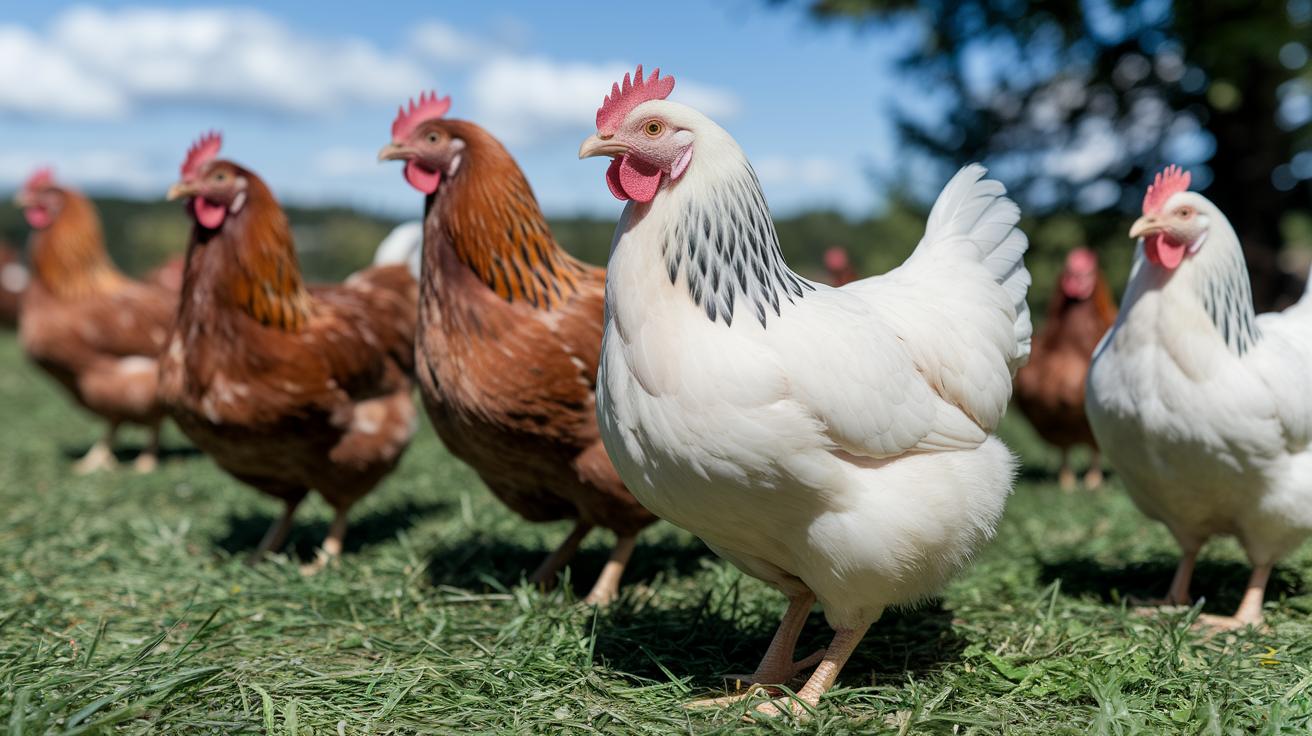
At Whole Foods, our USDA Organic chicken gets carefully checked by trusted experts. These chickens are raised on a diet of natural, non-GMO feed with all-natural proteins. Every step of their journey from farm to table is reviewed to make sure the chicken stays true to strict organic standards while keeping its fresh flavor and key nutrients.
Our chickens enjoy free-range, cage-free life that lets them bask in natural light and move around freely. Independent inspectors verify that every bird has plenty of space and fresh air, which helps them stay active and follow their natural instincts. This focus on treating our birds well not only benefits them but also improves the taste and texture of the meat you enjoy.
We also make sure that the chickens’ feed is pure and free from synthetic additives, and we steer clear of using antibiotics. Our strict policies are backed up by third-party audits that check that our practices support the birds’ health. It’s this careful attention to feed and care that brings out the natural, clean taste in every bite you savor.
Pricing Breakdown for Whole Foods Rotisserie and Fresh Chicken
At Whole Foods, you can trust that the prices match the high quality they offer. They have different types of chicken to suit various tastes and farming practices. Whether you choose fresh organic, fresh conventional, or ready-to-eat rotisserie chicken, you get a clear look at price per pound so you can compare value with quality.
| Product Type | Price per Pound | Notes |
|---|---|---|
| Fresh Organic | $7.99 | Meets USDA organic standards and uses non-GMO feed |
| Fresh Conventional | $4.99 | Standard quality with reliable flavor |
| Rotisserie | $10.99 | Ready-to-eat option with careful seasoning |
When you compare these prices with other big-name grocery stores, Whole Foods clearly positions itself as a premium choice. Yes, the fresh organic chicken is a bit pricier, but its antibiotic-free and non-GMO standards can be worth it. And for those who value convenience, the rotisserie chicken not only saves time but also brings great flavor to your meals. Even though the prices might be slightly higher, they really reflect the extra care and rigorous standards put into each step.
Nutritional Profile of Whole Foods Chicken Options
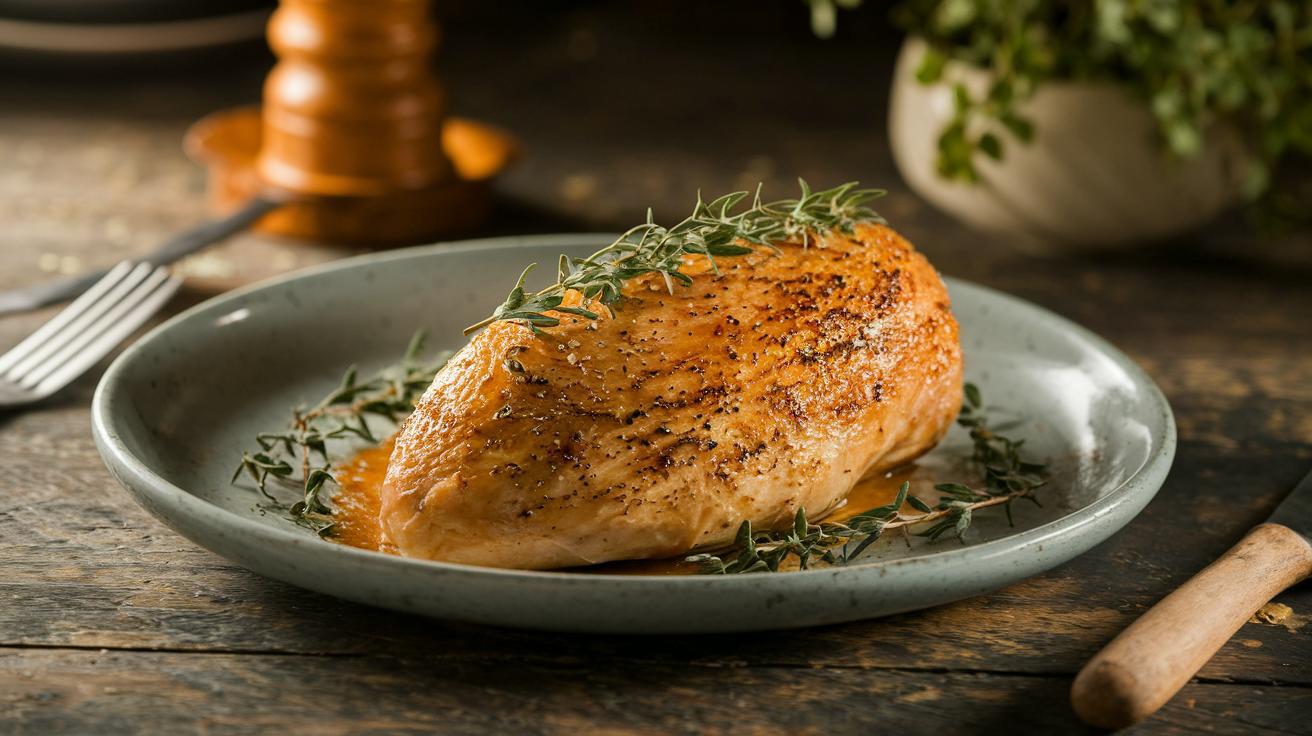
Whole Foods chicken is a great pick if you're after a lean, high-protein meal. It comes loaded with essential nutrients that boost your diet while keeping things light. Testing shows both raw and cooked fillets pack plenty of protein and keep fat and sodium levels low. When you compare them with typical store brands, you quickly see the difference.
| Option | Calories | Protein | Fat | Sodium |
|---|---|---|---|---|
| Raw Chicken Fillet (3-oz) | ~110 | ~22g | ~2.5g | ~50mg |
| Cooked Chicken Fillet (3-oz) | ~140 | ~26g | ~3.5g | ~70mg |
| Typical Store Brand (Cooked, 3-oz) | ~160 | ~24g | ~5g | ~100mg |
Adding these lean cuts into your meals can really help boost energy and keep your muscles strong. It fits easily into a wholesome meal plan, allowing you to enjoy both good taste and excellent nutrition.
Preparation and Cooking Tips for Whole Foods Chicken
Cooking a Whole Foods chicken can be easy and fun whether you are planning a family dinner or treating yourself to a quiet meal. These simple methods help you make the most of your chicken, keeping the meat tender and full of flavor.
Oven-Baked Crispy-Skin Method
- First, preheat your oven to 400°F.
- Next, lightly brush your chicken with oil and sprinkle with salt and pepper.
- Place the chicken skin side up on a baking tray and roast for about 35 minutes. The goal is for the skin to get crispy and golden.
Quick Skillet Sauté
- Heat a non-stick skillet over medium-high heat until it gets really hot.
- Generously rub your chicken pieces with your favorite spice mix.
- Sear the chicken for about 6 minutes on each side until a tasty crust forms while the meat stays juicy.
Simple Herb Marinade
- In a bowl, mix olive oil, fresh rosemary, and minced garlic until they blend together.
- Coat the chicken evenly with the herb mixture so every piece gets a good dose of flavor.
- Let the chicken marinate for 30 minutes so it can soak up all the delicious aromas.
After cooking, let the chicken rest for a few minutes before carving. This helps the juices spread out evenly, making every bite even more satisfying. For more cooking inspiration, check out whole foods recipes.
Customer Feedback and Store Availability of Whole Foods Chicken

Many customers praise Whole Foods chicken for its outstanding freshness and rich flavor. They often mention how the chicken consistently tastes great and gives them peace of mind thanks to strict quality checks during sourcing. Seasonal specials and area-specific offerings add a special touch to the shopping experience, with deli counters that serve ready-to-eat options that feel both inviting and convenient.
Reviews consistently highlight the delicious taste, natural freshness, and ease of enjoying in-store prepared meals. Still, some shoppers note that the chicken may be available differently depending on the region, and sometimes the price can be a bit higher for budget-conscious customers.
Checking your local availability is simple. Just stop by your nearby Whole Foods, and you will find clear displays along with helpful staff ready to guide you through the best local and seasonal choices.
Final Words
In the action, this article reviewed whole foods chicken offerings from product types to pricing, safety standards, nutritional facts, preparation methods, and customer feedback. It explained how labels like USDA Organic and humane practices shape your healthy choices. The breakdown of options and practical cooking tips offers a clear glimpse into what makes whole foods chicken a trusted choice. Enjoy using these insights to feel confident about your health decisions and savor the benefits of delicious, well-sourced meals.
FAQ
Whole foods chicken breast
Whole Foods chicken breast refers to the tender, lean meat offered in both organic and conventional varieties. These selections meet strict quality standards, ensuring that you receive a nutritious and flavorful option.
Whole foods chicken price
Whole Foods chicken price indicates the cost varying by cut and whether it’s organic or conventional. Prices reflect the strict sourcing practices and high quality of the poultry offered.
Whole Foods Chicken rotisserie
Whole Foods Chicken rotisserie denotes ready-to-eat, seasoned, and roasted chickens. They are prepared using quality methods that deliver flavorful and convenient meal options.
Whole Foods Chicken cooked
Whole Foods Chicken cooked describes pre-prepared chicken options like roasted or grilled pieces. These choices deliver a quick, tasty meal that meets the store’s rigorous quality standards.
Whole foods chicken thighs
Whole Foods chicken thighs are available in both bone-in and boneless forms. They offer rich flavor and tender meat prepared under quality standards including antibiotic-free feeding practices.
Whole foods chicken recipes
Whole Foods chicken recipes are creative ideas for preparing meals using quality chicken. They offer a variety of cooking methods and flavor profiles to help you make nutritious dishes at home.
Whole foods chicken sandwich
The Whole Foods chicken sandwich features quality, responsibly raised meat served with fresh ingredients. It is designed to deliver a balanced and satisfying meal built on the store’s high standards.
Whole Foods chicken brands
Whole Foods chicken brands include reputable names like Tyson and Perdue, ensuring that the poultry meets strict quality and humane standards for informed consumer choices.
Is whole food chicken good quality?
Whole Foods chicken is regarded as good quality because it meets high standards through responsible sourcing, antibiotic-free feeding, and humane practices that deliver tasty, safe products.
Does Whole Foods sell good quality meat?
Whole Foods sells meat known for high standards and ethical sourcing, ensuring that their poultry, including chicken, is responsibly raised and exhibits consistent flavor and freshness.
Where does Whole Foods get chicken?
Whole Foods sources its chicken from well-known suppliers like Tyson and Perdue, adhering to strict guidelines that ensure the products are raised without unnecessary antibiotics and under humane conditions.
What time are chickens ready at Whole Foods?
The time when chickens are ready refers to when rotisserie chickens are prepared and displayed during store hours, typically aligning with peak lunch and dinner service times at each location.