Verifying Health Claims Online: Clarity And Accuracy

Have you ever wondered if those eye-catching health claims online really hold up? In our busy digital world, it's easy to get lost in flashy promises.

This guide will show you how to check claims like "supports immunity" or "lowers cholesterol" by using trusted sources and clear, simple steps. Think of it as a friendly walk-through where we break down the facts, much like enjoying a cool breeze on a warm day.

By following these straightforward tips, you can easily spot which evidence matters and make smart choices for your well-being.

Comprehensive Guide to Verifying Health Claims Online

When you see health claims like "lowers cholesterol" or "supports immunity" on food packages, it's important to check the facts behind them. Sometimes, these statements use words like "may" or "could," which means there is some uncertainty. In simple terms, it's a good idea to dig a little deeper and look for real data.

Taking a closer look at each claim helps you avoid misunderstandings and make smarter choices about what you eat and how you take care of your body. Trustworthy information usually comes from reliable sources like the FDA, Health Canada, FSANZ, or EFSA. When you use these sources, you get evidence that you can count on.

Here’s a simple process to help you verify health claims:

  1. Identify the exact words in the claim.
  2. Figure out what type of claim it is.
  3. Find the original research studies behind it.
  4. Check how good these studies are and what methods they used.
  5. Compare the information with trusted sources.
  6. Ask experts or look at views from professional organizations.

Following this step-by-step approach helps clear up confusing information. For example, by focusing on the exact words a product uses, you can tell the difference between claims that are supported by solid evidence and those that are just hopeful. Then, by looking up the original studies or asking someone knowledgeable, you get a better picture of what's really behind the claim. This careful check is key, especially since some studies use small groups of people or are funded by the industry. In the end, using these clear verification techniques gives you reliable insights for making healthier choices.

Source Credibility Evaluation for Online Health Claims
img-1.jpg

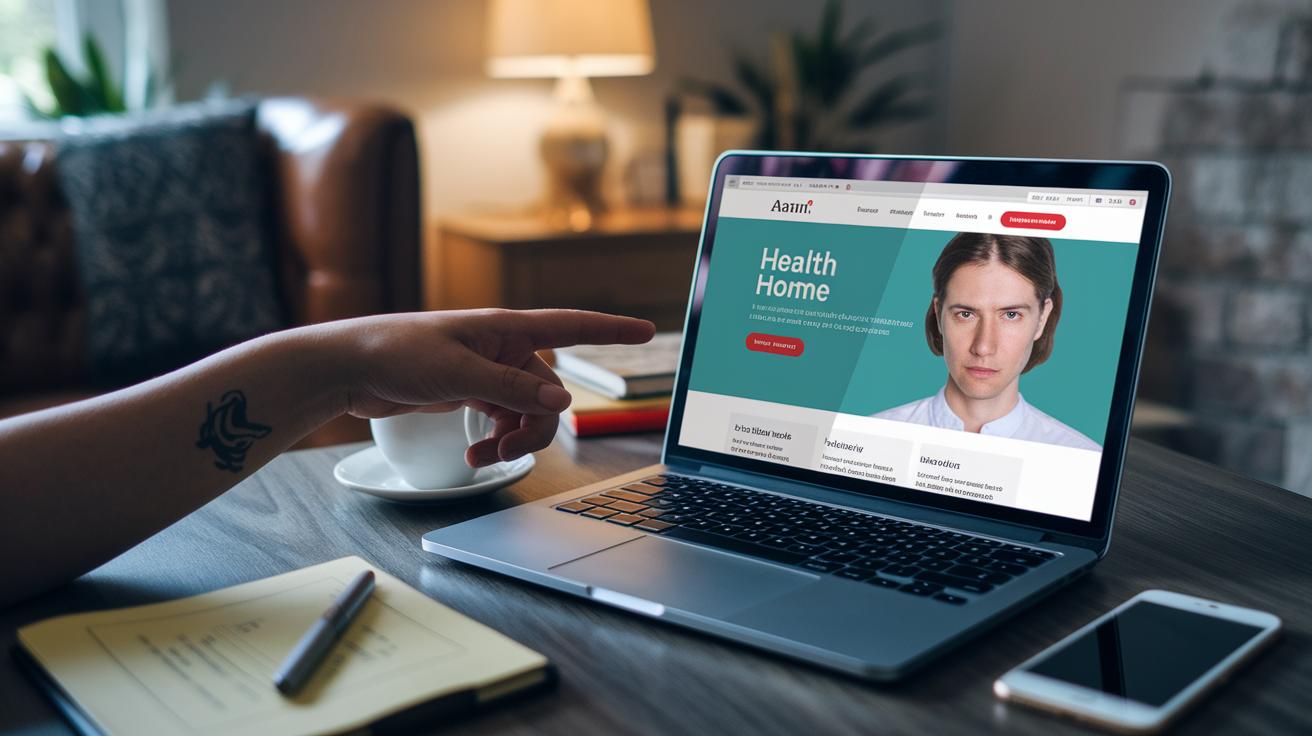
When a source hasn't been verified, it can share health information that is confusing or not quite right. If a website doesn’t clearly show who wrote it or include proper licensing details, you might end up trusting facts that are outdated or influenced by bias. It’s important to check a source’s credibility so you can make smart health choices.

Criteria What to Look For
Domain type (.gov/.edu vs .com) Websites ending in .gov or .edu are usually more trustworthy.
Author qualifications and affiliations Look for writers who have medical degrees or come from strong research backgrounds.
Date and frequency of updates Content that is recent and updated often signals that the information is current.
Disclosure of funding and conflicts Clear explanations of funding sources and any conflicts make a site more reliable.
Presence of citations and references References from trusted journals or recognized organizations boost credibility.

Using these tips while reading any health webpage can help you access solid, proven information. Checking the website domain, the author’s expertise, how often updates are made, funding transparency, and cited sources makes it easier to decide if health claims are backed by real evidence.

Evaluating Clinical Research and Scientific Studies in Claims Verification

Study Design and Sample Size

When you look into health research, it helps to know how the study was set up. Randomized trials assign people to different groups by chance, which gives strong clues about cause and effect. Observational studies, on the other hand, follow groups in everyday life and can point out trends even if extra factors come into play. A study with enough participants usually reflects what is true for a larger group. A small test group might show promising results that do not hold up when the study is repeated on a bigger scale. Trusted sources like Health Science can help you understand study structures and why sample size matters for reliable findings.

Funding, Conflicts of Interest, and Peer Review

It is also important to know who paid for the research and whether any conflicts of interest were disclosed. When a study is funded by a group that might benefit from good results, the outcomes could lean in a favorable direction. Reading the funding statements carefully can help you spot any signs of bias. Peer review means that independent experts have checked the study to make sure it meets good scientific standards. Journals with high impact factors usually indicate that the study passed a strict review process. By checking for peer review and looking at the funding details, you can better decide if the findings behind a health claim are trustworthy.

Leveraging Digital Fact-Check Methods for Health Assertions

img-2.jpg

Academic databases like PubMed, Google Scholar, and the Cochrane Library are excellent resources for accessing peer-reviewed research. They let you look up original studies and explore large sets of data on various health topics. With filters to sort by publication date and subject, these tools help you check if a health claim is backed by solid evidence.

Independent fact-check websites are dedicated to reviewing new health claims. They work by comparing these claims with trusted research and established guidelines. This process makes it easier for you to spot statements that might be exaggerated or misleading.

Tools such as reverse image and snippet search are useful for verifying both visuals and text. By uploading an infographic or a specific quote, you can track it back to its original source, which clarifies the full context and confirms its authenticity.

Many browser and mobile apps now use AI to quickly scan content as you browse. They alert you to any claims that aren’t supported by evidence. New technology platforms like Healthtech simplify real-time verification, ensuring you have accurate information in the digital age.

Sometimes online health advice doesn't rest on solid science. When claims about medical benefits or risks come without clear evidence, they can easily mislead you. It might sound tempting, but be cautious when you encounter dramatic headlines designed more to shock than inform.

One clear warning is when a headline grabs your attention with big, bold words without any backing data. Also, claims about miracle cures that promise quick fixes are a red flag, health issues are rarely that simple. And if you notice language aimed at making you scared or overly worried, take a step back. Reliable health news uses calm, clear facts instead of playing on emotions.

A smart approach is to always double-check what you read. Look up the claim on at least two trusted sites, such as well-known government health pages or respected medical journals. This extra step helps ensure you’re getting advice that’s both safe and accurate.

Consulting Reputable Health Data Sources and Expert Insights

img-3.jpg

International organizations like the World Health Organization (WHO) offer trusted guidance based on solid scientific evidence. Their advice helps shape public health decisions in many countries, much like a reliable friend who shares the best tips for staying healthy.

National agencies such as the Centers for Disease Control and Prevention (CDC) and the Food and Drug Administration (FDA) provide valuable data tailored to specific regions. Their work makes it easier to understand local health risks and benefits while ensuring that safety standards are met.

Respected professional societies and peer-reviewed journals, like The Lancet and JAMA, carefully assess health claims. They review research methods and create guidelines that blend rigorous study with expert insight. By following recommendations from groups like the American Heart Association, you can feel more confident that the health information is both balanced and trustworthy.

Always remember to check with qualified healthcare providers for advice designed just for you. Their knowledge of your unique history and current needs is key to making well-informed health choices.

Final Words

In the action, our guide walked through clear steps to verify health claims online. We looked at food labels, study details, and methods to check source trustworthiness to help you decide with confidence.

We explored red flags in studies and tips for using online tools to verify health claims online. By following these practical steps, you can feel more secure in your decisions and enjoy a healthier, informed lifestyle.

FAQ

How do I verify health insurance coverage and eligibility online?

Verifying health insurance coverage and eligibility online involves using reputable websites or free software tools that access official data, providing real-time updates on benefits, claims, and provider information.

How can providers check Medicare or Health Net claims online?

Providers can check Medicare or Health Net claims online by using secure, dedicated portals that offer real-time access to claim details and eligibility information, ensuring accurate billing and patient care coordination.

How can I verify health claims online for free?

Verifying health claims online for free is possible through reputable fact-checking sites and academic databases that apply scientific methods to review the accuracy of claims and support evidence-based conclusions.

Have you ever wondered if those eye-catching health claims online really hold up? In our busy digital world, it's easy to get lost in flashy promises.

This guide will show you how to check claims like "supports immunity" or "lowers cholesterol" by using trusted sources and clear, simple steps. Think of it as a friendly walk-through where we break down the facts, much like enjoying a cool breeze on a warm day.

By following these straightforward tips, you can easily spot which evidence matters and make smart choices for your well-being.

Comprehensive Guide to Verifying Health Claims Online

When you see health claims like "lowers cholesterol" or "supports immunity" on food packages, it's important to check the facts behind them. Sometimes, these statements use words like "may" or "could," which means there is some uncertainty. In simple terms, it's a good idea to dig a little deeper and look for real data.

Taking a closer look at each claim helps you avoid misunderstandings and make smarter choices about what you eat and how you take care of your body. Trustworthy information usually comes from reliable sources like the FDA, Health Canada, FSANZ, or EFSA. When you use these sources, you get evidence that you can count on.

Here’s a simple process to help you verify health claims:

  1. Identify the exact words in the claim.
  2. Figure out what type of claim it is.
  3. Find the original research studies behind it.
  4. Check how good these studies are and what methods they used.
  5. Compare the information with trusted sources.
  6. Ask experts or look at views from professional organizations.

Following this step-by-step approach helps clear up confusing information. For example, by focusing on the exact words a product uses, you can tell the difference between claims that are supported by solid evidence and those that are just hopeful. Then, by looking up the original studies or asking someone knowledgeable, you get a better picture of what's really behind the claim. This careful check is key, especially since some studies use small groups of people or are funded by the industry. In the end, using these clear verification techniques gives you reliable insights for making healthier choices.

Source Credibility Evaluation for Online Health Claims

img-1.jpg

When a source hasn't been verified, it can share health information that is confusing or not quite right. If a website doesn’t clearly show who wrote it or include proper licensing details, you might end up trusting facts that are outdated or influenced by bias. It’s important to check a source’s credibility so you can make smart health choices.

Criteria What to Look For
Domain type (.gov/.edu vs .com) Websites ending in .gov or .edu are usually more trustworthy.
Author qualifications and affiliations Look for writers who have medical degrees or come from strong research backgrounds.
Date and frequency of updates Content that is recent and updated often signals that the information is current.
Disclosure of funding and conflicts Clear explanations of funding sources and any conflicts make a site more reliable.
Presence of citations and references References from trusted journals or recognized organizations boost credibility.

Using these tips while reading any health webpage can help you access solid, proven information. Checking the website domain, the author’s expertise, how often updates are made, funding transparency, and cited sources makes it easier to decide if health claims are backed by real evidence.

Evaluating Clinical Research and Scientific Studies in Claims Verification

Study Design and Sample Size

When you look into health research, it helps to know how the study was set up. Randomized trials assign people to different groups by chance, which gives strong clues about cause and effect. Observational studies, on the other hand, follow groups in everyday life and can point out trends even if extra factors come into play. A study with enough participants usually reflects what is true for a larger group. A small test group might show promising results that do not hold up when the study is repeated on a bigger scale. Trusted sources like Health Science can help you understand study structures and why sample size matters for reliable findings.

Funding, Conflicts of Interest, and Peer Review

It is also important to know who paid for the research and whether any conflicts of interest were disclosed. When a study is funded by a group that might benefit from good results, the outcomes could lean in a favorable direction. Reading the funding statements carefully can help you spot any signs of bias. Peer review means that independent experts have checked the study to make sure it meets good scientific standards. Journals with high impact factors usually indicate that the study passed a strict review process. By checking for peer review and looking at the funding details, you can better decide if the findings behind a health claim are trustworthy.

Leveraging Digital Fact-Check Methods for Health Assertions

img-2.jpg

Academic databases like PubMed, Google Scholar, and the Cochrane Library are excellent resources for accessing peer-reviewed research. They let you look up original studies and explore large sets of data on various health topics. With filters to sort by publication date and subject, these tools help you check if a health claim is backed by solid evidence.

Independent fact-check websites are dedicated to reviewing new health claims. They work by comparing these claims with trusted research and established guidelines. This process makes it easier for you to spot statements that might be exaggerated or misleading.

Tools such as reverse image and snippet search are useful for verifying both visuals and text. By uploading an infographic or a specific quote, you can track it back to its original source, which clarifies the full context and confirms its authenticity.

Many browser and mobile apps now use AI to quickly scan content as you browse. They alert you to any claims that aren’t supported by evidence. New technology platforms like Healthtech simplify real-time verification, ensuring you have accurate information in the digital age.

Sometimes online health advice doesn't rest on solid science. When claims about medical benefits or risks come without clear evidence, they can easily mislead you. It might sound tempting, but be cautious when you encounter dramatic headlines designed more to shock than inform.

One clear warning is when a headline grabs your attention with big, bold words without any backing data. Also, claims about miracle cures that promise quick fixes are a red flag, health issues are rarely that simple. And if you notice language aimed at making you scared or overly worried, take a step back. Reliable health news uses calm, clear facts instead of playing on emotions.

A smart approach is to always double-check what you read. Look up the claim on at least two trusted sites, such as well-known government health pages or respected medical journals. This extra step helps ensure you’re getting advice that’s both safe and accurate.

Consulting Reputable Health Data Sources and Expert Insights

img-3.jpg

International organizations like the World Health Organization (WHO) offer trusted guidance based on solid scientific evidence. Their advice helps shape public health decisions in many countries, much like a reliable friend who shares the best tips for staying healthy.

National agencies such as the Centers for Disease Control and Prevention (CDC) and the Food and Drug Administration (FDA) provide valuable data tailored to specific regions. Their work makes it easier to understand local health risks and benefits while ensuring that safety standards are met.

Respected professional societies and peer-reviewed journals, like The Lancet and JAMA, carefully assess health claims. They review research methods and create guidelines that blend rigorous study with expert insight. By following recommendations from groups like the American Heart Association, you can feel more confident that the health information is both balanced and trustworthy.

Always remember to check with qualified healthcare providers for advice designed just for you. Their knowledge of your unique history and current needs is key to making well-informed health choices.

Final Words

In the action, our guide walked through clear steps to verify health claims online. We looked at food labels, study details, and methods to check source trustworthiness to help you decide with confidence.

We explored red flags in studies and tips for using online tools to verify health claims online. By following these practical steps, you can feel more secure in your decisions and enjoy a healthier, informed lifestyle.

FAQ

How do I verify health insurance coverage and eligibility online?

Verifying health insurance coverage and eligibility online involves using reputable websites or free software tools that access official data, providing real-time updates on benefits, claims, and provider information.

How can providers check Medicare or Health Net claims online?

Providers can check Medicare or Health Net claims online by using secure, dedicated portals that offer real-time access to claim details and eligibility information, ensuring accurate billing and patient care coordination.

How can I verify health claims online for free?

Verifying health claims online for free is possible through reputable fact-checking sites and academic databases that apply scientific methods to review the accuracy of claims and support evidence-based conclusions.

More from author

LEAVE A REPLY

Please enter your comment!
Please enter your name here

Related posts

Advertismentspot_img

Latest posts

How To Create A Daily Wellness Routine: Thriving

Curious about how to create a daily wellness routine that transforms your mornings and days? Read on as secrets await…

2 Daily Wellness Drink Tips For Radiance

Experience a daily wellness drink with natural herbs, green ingredients, and clinical backing that might change your routine forever, stay tuned.

Daily Wellness: Elevate Your Everyday Vitality

Daily wellness transforms everyday routines into mindful adjustments, merging nutrition, movement, and restorative sleep. What unforeseen practice awaits you next?

Want to stay up to date with the latest news?

We would love to hear from you! Please fill in your details and we will stay in touch. It's that simple!