Ever wondered if your meals could give your brain a little boost? Research shows that a diet packed with nutrients can help you remember better, learn faster, and even brighten your mood.
Picture a plate full of leafy greens, salmon, and berries, each bite fueling your mind like a refreshing morning breeze. These foods carry key compounds like BDNF (a protein that helps nerve cells grow and link up), which can make your thinking sharper day by day.
By choosing the right foods, you’re not just nourishing your body, you're powering up your brain too. Ready to find out how a few simple changes in your diet might refresh both your body and mind?
Evidence-Based Nutritional Strategies for Optimal Brain Function
Eating well can really boost your brain power. Foods that pack a nutrient punch help your brain send messages more clearly, making it easier to remember, learn, and form daily habits. Think about a colorful plate filled with leafy greens, salmon, and berries, it’s like a double dose of energy for both your body and mind. One important nutrient here is brain-derived neurotrophic factor (BDNF), which acts like a natural fertilizer for your nerve cells. When BDNF levels drop, you might feel more stressed or even a bit down, but when they're just right, your mood and learning abilities are supported.
Omega-3 fatty acids, found in foods like salmon, work wonders as well. They act as a shield for your brain by guarding cells against damage from harmful free radicals and reducing inflammation. Missing out on these fats, especially during key growth times, can make thinking and learning tougher. Regularly including these oils in your meals helps strengthen the bonds between brain cells and even encourages new cell growth.
Antioxidants, which are abundant in berries, nuts, and dark greens, also play a big role. They help your brain cope with oxidative stress, a type of wear and tear that affects vital areas like the hippocampus and cortex. Imagine antioxidants as tiny warriors. For instance, a square of dark chocolate with at least 70% cocoa can support better memory function, thanks to these helpful fighters.
Bringing these nutritional strategies together sets the stage for a brain-healthy diet. By eating foods rich in omega-3s, antioxidants, and a balanced mix of essential nutrients, you’re not just nurturing your body, you’re also protecting and enhancing the way your brain works every day.
Incorporating Cognitive Boosting Superfoods for Optimal Brain Function

Fuel your brain with a colorful mix of superfoods that naturally boost memory and keep you sharp. Try adding a bowl of juicy blueberries (aim for at least one serving a week) and a couple of servings of fresh strawberries to your weekly routine. Imagine enjoying a bowl filled with these sweet berries, offering a simple way to support your brain as you age.
Leafy greens like spinach, kale, and even broccoli do more than just pack in vitamins. Long-term studies show they help slow down memory loss as you get older. And cruciferous vegetables bring in natural compounds that protect your brain signals, helping you think clearly and stay focused.
Turmeric is another kitchen ally. Its active ingredient, curcumin, has shown promise in early research by potentially boosting memory and reducing the buildup of harmful brain deposits. Picture sprinkling a warm dash of turmeric over roasted vegetables, adding both a burst of flavor and a boost for your brain.
Don’t forget dark chocolate either, if you choose one with at least 70% cocoa, it offers a delightful hit of flavonoids that support memory centers. Plus, a moderate cup of coffee in the morning can kickstart your alertness and quicken your reactions. In short, incorporating these superfoods into your meals creates a tasty, plant-powered plan that not only nourishes your body but also strengthens the foundation for a clear, focused mind.
Leveraging Omega-3 Rich Meals for Synaptic Strength and Brain Function
Try out creative recipes that mix omega-3 rich foods with other nutrient-packed ingredients. For instance, you might bake salmon in a zesty citrus marinade that helps keep its omega-3 goodness intact while adding a boost of vitamin C.
You can also get inventive by making dishes like sardine avocado toast. The creamy avocado helps your body absorb those healthy fats even better. Or picture a herring salad teamed with crisp apple slices and crunchy walnuts, where the natural sweetness of the apples complements the rich flavor of the fish. Did you know that blending omega-3s with vitamin C can up your body’s ability to absorb these fatty acids by up to 20%? Really eye-opening stuff.
For practical meal planning, try these simple tips:
- Mix up your menu by rotating different kinds of fatty fish for a variety of nutrients.
- Team your omega-3 rich fish with vitamin-loaded fruits and vegetables to get the most out of your meals.
- Play with different cooking styles like grilling or baking to lock in flavors and keep all those nutrients intact.
| Meal | Main Omega-3 Source | Complementary Ingredient | Cooking Technique |
|---|---|---|---|
| Grilled Salmon with Citrus Salsa | Salmon | Citrus segments and leafy greens | Grilled with a light marinade |
| Sardine Avocado Toast | Sardines | Avocado on whole grain bread | Toasted lightly with a squeeze of lemon |
| Herring Salad with Walnuts and Apples | Herring | Apple slices and walnuts | Chilled with a drizzle of olive oil |
Antioxidant Intake Benefits for Protecting Brain Cells
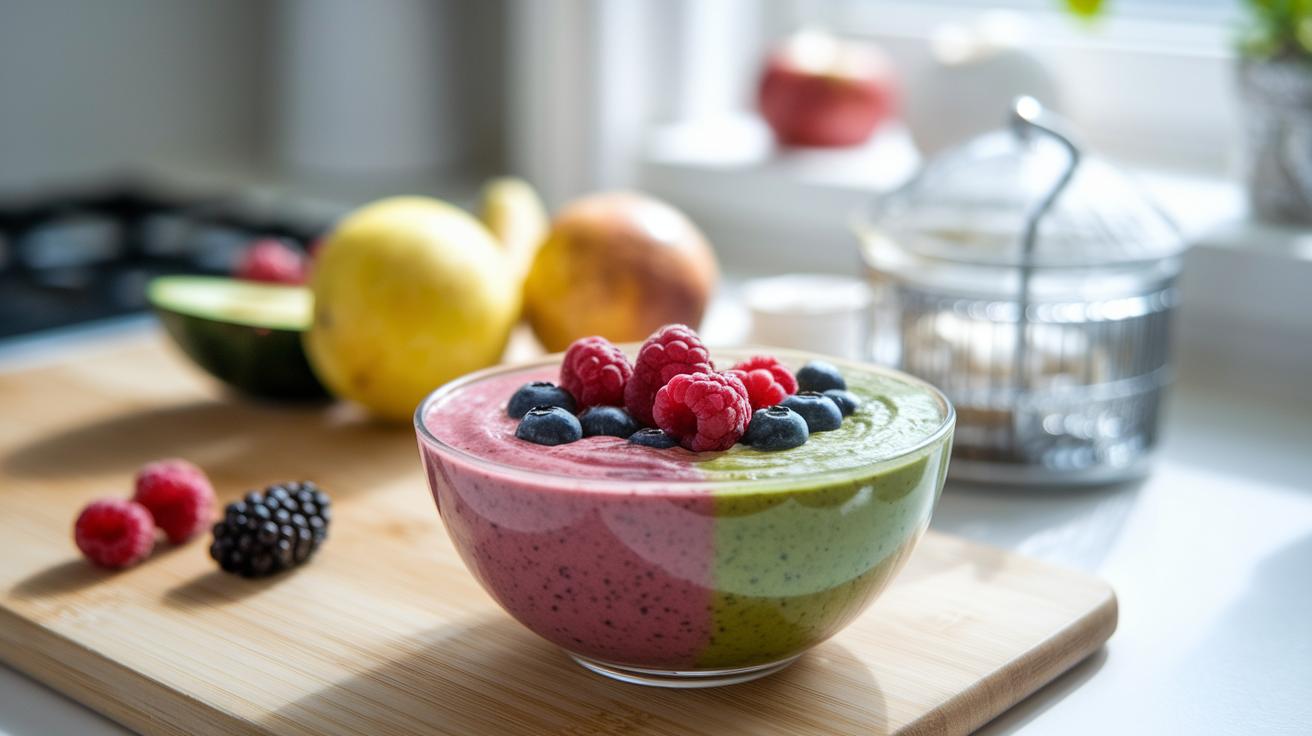
Increasing the antioxidants in your meals can play a key role in keeping your brain safe from oxidative stress. Foods like cocoa, dark chocolate, green tea, berries, and certain veggies contain power-packed compounds, flavonoids, catechins, and polyphenols, that work together to support brain health. For instance, the flavonoids in cocoa and dark chocolate help lower stress in the brain’s memory area, while the catechins in green tea help keep nerve cells working well and might even slow down memory decline.
Polyphenols, found in colorful berries and cruciferous vegetables like broccoli, act like tiny defenders. They neutralize harmful free radicals and block inflammation that can lead to brain cell damage. Research shows that even small boosts in antioxidants can make your brain cells more resilient.
Here are some friendly tips to incorporate more antioxidants into your day:
- Enjoy a piece of dark chocolate (aim for at least 70% cocoa) for a tasty treat.
- Toss a handful of berries into your smoothie or oatmeal to brighten your meal.
- Swap your usual drink for a soothing cup of green tea to give your brain a little extra care.
Did you know? Studies show that even modest increases in dietary antioxidants can markedly improve brain cell resilience.
Holistic Neural Nourishment through Meal Planning and Timing
Have you ever noticed how a plant-based diet can brighten your mental day? Switching to meals loaded with fruits, vegetables, beans, and whole grains can lower bad fats and cholesterol, which helps keep your blood vessels happy and calms down inflammation. This not only supports your heart but also helps your brain stay sharp with clear, strong pathways.
Meal timing works like setting your body’s own clock. When you eat 2–3 meals a day, with a hearty breakfast and more of your calories early on, it tunes your body to repair and refresh its cells. Picture waking up to a warm bowl of oatmeal topped with fresh fruit and nuts; that simple ritual kickstarts your brain’s cleanup crew.
Intermittent fasting, when done mindfully, can add an extra boost. By giving your body regular breaks from eating, it ramps up proteins like brain-derived neurotrophic factor (a protein that helps brain cells grow and repair). Think of it as a refreshing pause, much like stepping outside for a brisk morning walk.
And let’s not forget your gut. Eating mainly plant-based meals nurtures the good bacteria in your digestive system. These friendly microbes release natural compounds that ease inflammation and keep your gut chatting in harmony with your brain.
Micronutrient Balance Regimen: Vitamins and Minerals for Optimal Brain Function
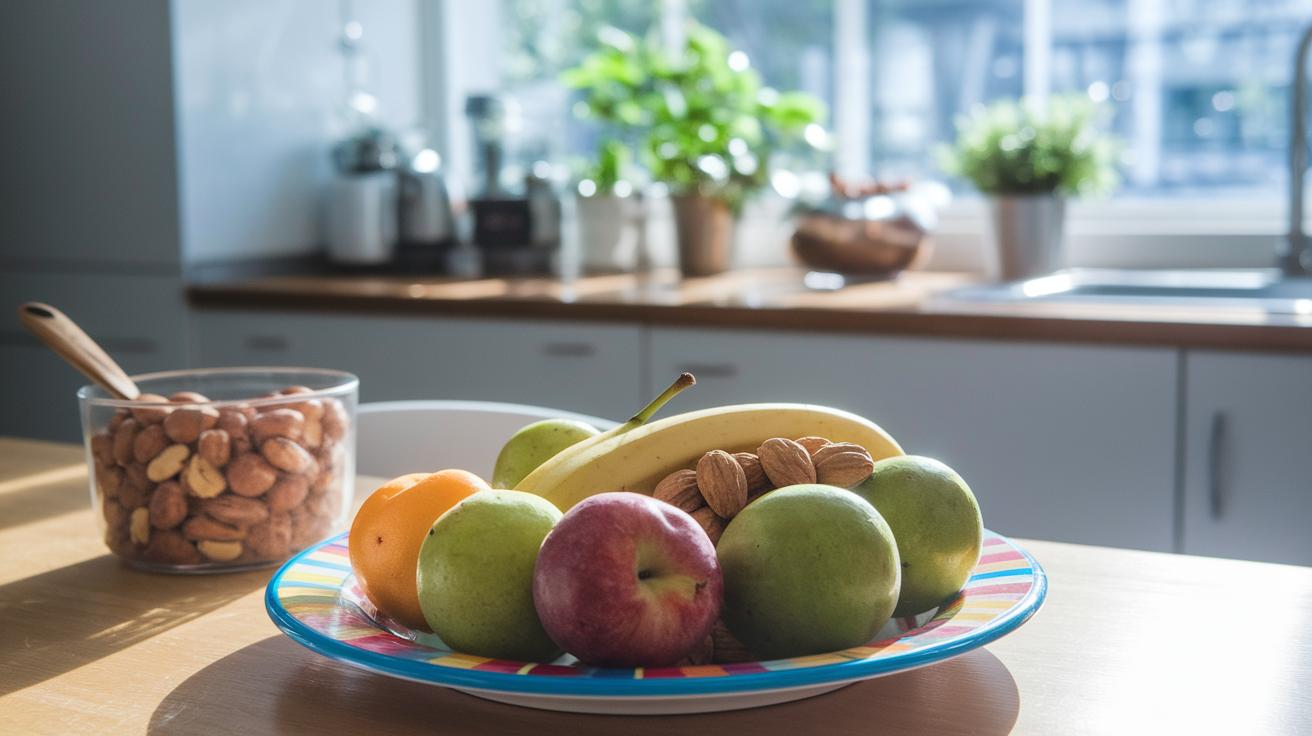
It all starts with feeding your brain the right mix of vitamins and minerals. B vitamins, specifically B6, B9, and B12, play a key role in helping your brain make neurotransmitters (the chemicals that help nerve cells communicate) and keep homocysteine levels in check (high levels of which can be linked to cognitive decline). Imagine your brain as a complex machine, when every part gets just the right fuel, everything runs more smoothly.
Magnesium is another big player here. This mineral helps regulate NMDA receptors, which are important for learning and memory (think of them as tiny gateways that let information pass from one cell to another). Without sufficient magnesium, your ability to form new memories might not be as sharp. Meanwhile, zinc and selenium support your brain by acting like natural protectors that shield cell membranes from oxidative stress, similar to how a layer of paint protects metal from rust.
Another aspect to consider is iron and its impact on hemoglobin, which should be around 13.7 g/dL in a healthy individual. It’s important not to add extra iron unless your blood work confirms a need, as too much iron, as well as an overload of zinc or copper, can lead to increased oxidative stress in your brain. Picture it like overfilling an engine with fuel; a little bit extra can actually cause problems.
In short, getting your micronutrient balance right is like tuning a finely crafted machine. With each vitamin and mineral playing its part, your brain is set up to work at its best, fueling both your everyday activities and your overall wellbeing.
Avoiding Dietary Triggers That Impair Brain Performance
When we load up on high-sugar foods, like those packed with white sugar or high fructose corn syrup, it can stir up inflammation in your brain, basically causing it to work under stress. These sugars, common in many snacks, might actually hurt how well your brain functions.
Likewise, processed carbohydrates and trans fats are troublemakers too. They slow down blood flow to your brain and jumble up the signals between nerve cells, which can make thinking clearly a real challenge. Have you ever felt foggy after a heavy, processed meal? That might be why.
Salt is another culprit. Too much salt can lead to a build-up of harmful free radicals, damaging the part of your brain known as the hippocampus, a key player in learning and memory. And don’t get me started on alcohol. It ramps up brain toxins and throws off your neurotransmitter balance, which affects both your mood and your thinking.
So, what can you do? Start by swapping out processed foods for those made with natural, whole ingredients. Choosing foods with a low glycemic index helps keep your energy steady and reduces inflammation. Think of a meal built around fresh fruits, veggies, whole grains, and lean proteins. For example, instead of reaching for a sugary treat, try enjoying a crisp apple with a handful of nuts. It’s a small change that can make a big difference for your brain, and your overall health.
Smart Food Charts and Mind Performance Meals
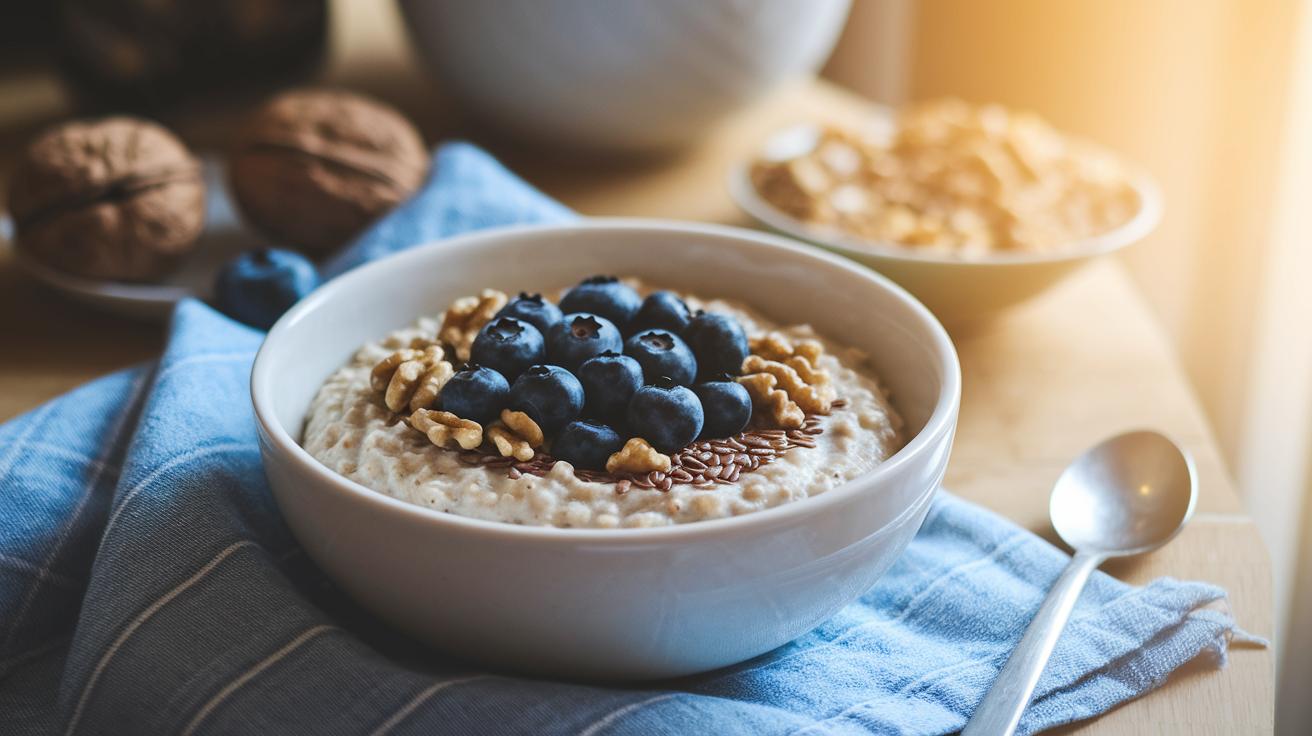
Fueling your brain should be both a delightful experience and a nutritious one. Think about starting your morning with a cozy bowl of oatmeal mixed with blueberries, walnuts, and flaxseeds. Every spoonful brings a dose of omega-3s and antioxidants, which can boost memory and help your brain’s connections grow stronger.
For a mid-morning pick-me-up, imagine savoring a piece of 70% dark chocolate alongside a cup of green tea. This tasty combo offers flavonoids and catechins that gently lift your alertness and set a cheerful tone for the day.
At lunchtime, try a colorful spinach and salmon salad drizzled with avocado and olive oil. The healthy fats here can support your brain’s natural growth factors, keeping your thinking sharp. Later, an afternoon snack of creamy Greek yogurt mixed with a handful of berries not only aids digestion with its probiotics and polyphenols but also keeps your mind clear and focused.
By dinner, you can round off your day with a warm chickpea and broccoli stir-fry spiced with turmeric. This dish is loaded with curcumin and vital cruciferous nutrients that help safeguard your brain cells and encourage their repair. It’s like giving your brain a gentle, healing hug before you wind down.
| Meal | Key Ingredients | Key Nutrients | Cognitive Benefits |
|---|---|---|---|
| Breakfast | Oatmeal, blueberries, walnuts, flaxseeds | Omega-3s, antioxidants | Boosts memory and focus |
| Mid-Morning Snack | 70% dark chocolate, green tea | Flavonoids, catechins | Enhances alertness and mood |
| Lunch | Spinach-salmon salad with avocado and olive oil | Healthy fats, brain growth factors | Supports sharp thinking |
| Afternoon Snack | Greek yogurt, mixed berries | Probiotics, polyphenols | Improves digestion and clarity |
| Dinner | Turmeric-spiced chickpea & broccoli stir-fry | Curcumin, cruciferous nutrients | Protects and repairs brain cells |
Final Words
In the action, we covered how nutrient-dense foods support memory, learning, and overall brain health. We discussed boosting synaptic function, regulating BDNF, and using omega-3 rich meals to protect neural tissues. Superfoods loaded with antioxidants add an extra layer of defense against oxidative stress. Integrating nutritional strategies for optimal brain function into your meal planning can pay off in everyday mental clarity. Stay curious about your food choices, and enjoy the positive impact on your well-being.
FAQ
What are effective brain foods for studying and memory enhancement?
The brain food for studying and memory enhancement includes nutrient-rich options such as fatty fish, leafy greens, berries, nuts, and whole grains that provide omega-3s and antioxidants to boost cognitive performance and concentration.
What are the best foods for brain recovery?
The best food for brain recovery emphasizes meals rich in antioxidants, omega-3 fatty acids, and vitamins to restore cell membranes and promote neurogenesis, with options like fatty fish, dark leafy greens, berries, and nuts.
What types of brain foods are recommended for exams and student performance?
The brain food for exams and student performance favors balanced meals that include omega-3 rich fish, berries, and whole grains, supporting synaptic function, sharper memory, and improved reaction time.
What are some common worst foods that impair memory?
The worst foods for memory generally include high-sugar snacks, refined carbohydrates, trans fats, excessive salt, and heavy alcohol, as these items trigger inflammation and disrupt essential cognitive processes.
What are some top brain foods for optimal performance?
The ten best brain foods typically feature fatty fish, blueberries, dark leafy greens, walnuts, whole grains, dark chocolate with high cocoa content, eggs, avocados, green tea, and turmeric to support overall cognitive function.
What nutrient best supports brain function?
The nutrient best supporting brain function is omega-3 fatty acids, which promote synaptic health, reduce inflammation, and nurture neurogenesis, all critical for maintaining sharp memory and cognition.
How can optimal brain function be achieved through diet?
Achieving optimal brain function involves a balanced diet rich in omega-3s, antioxidants, and vitamins, combined with whole foods while avoiding excessive sugars and processed items to reinforce synaptic strength.
What nutrition strategies improve cognitive function?
Nutrition strategies that improve cognitive function include consuming antioxidant-packed fruits and vegetables, omega-3 sources, lean proteins, and maintaining a balanced regular meal plan to ensure steady energy and brain health.
Which diet best supports brain function?
The diet that best supports brain function is one that prioritizes plant-based foods, lean proteins, healthy fats, and antioxidant-rich produce while limiting processed sugars and unhealthy fats to foster neural protection.