Ever thought about switching up your meals to feel more energetic? Studies show that a diet loaded with fruits, vegetables, beans, whole grains, and nuts can lower high blood pressure (when your heart works extra hard) and support heart health. Think of your plate as a toolbox where each plant-powered food plays its part in boosting your energy. In this guide, you'll discover simple, plant-based nutrition tips that not only revitalize your body but also pave the way to lasting health.
Key Benefits of Plant-Based Nutritional Strategies for Health
Plant-based nutritional strategies focus on vibrant, whole plant foods that help build a strong foundation for overall wellbeing. Research shows that a diet filled with fruits, vegetables, legumes, whole grains, and nuts can lower body mass index, blood pressure, blood sugar (HbA1C for those with diabetes), and cholesterol. This means not only is your heart feeling the love, but you might also find yourself relying less on medications and lowering your risk of heart disease. Plus, moving toward plant-based eating can be an affordable way to manage your weight and keep your energy balanced throughout the day.
It’s important to remember that the benefits of plant nutrition often depend on matching the right guidance to where you are in your own healthy journey. You could start by weaving more whole plant foods into your meals, check out options at plant based whole foods for ideas. Even a few simple changes can make a big difference in how you feel, with studies showing that even partial moves toward a plant-based diet lead to measurable improvements in everyday vitality.
Think of your meal as a toolkit: each ingredient, from the crisp freshness of leafy greens to the hearty satisfaction of legumes, works in harmony to boost your energy. Why not try starting with some easy swaps? They not only simplify your transition but also set you up for long-term health benefits.
Macronutrient Emphasis in Plant-Based Nutritional Strategies

Plant-based diets are bursting with delicious ways to hit your protein, complex carbohydrate, and fiber targets. You can mix in plant protein like tofu, beans, and soy options to boost your meals. Imagine starting your day with a warm bowl of oats topped with walnuts, banana slices, and a dash of cinnamon, providing you with steady, long-lasting energy and plenty of fiber.
For lunch, try a colorful Greek salad filled with mixed greens, tomatoes, olives, and a bit of feta, and pair it with a whole-wheat pita. This meal shows how whole grains work hand in hand with plant protein and fiber to keep you feeling full and satisfied.
At dinner, you might enjoy grilled vegetable kabobs served with tofu, quinoa, and a fresh spinach salad. Here, tofu and beans join forces with complex carbohydrates, while quinoa shines by offering both protein and carbs in one versatile bite.
By mixing and matching these dishes, you can easily balance your nutrients on a plant-based diet. Experiment with different flavors and textures, you might just discover a new favorite way to nourish your body while staying true to your wellness goals.
Micronutrient Balance in Plant-Based Nutritional Strategies
Plant-based diets can give you all the vitamins and minerals you need if you pay attention to nutrient balance. Foods like spinach and kale pack a punch with iron and calcium. And when you add citrus fruits for vitamin C, you help your body absorb iron from plants more easily. Fortified plant milks are also a great dairy-free option for strong bones, while almonds, black beans, and avocado add a good dose of magnesium to your meals.
Whole grains, nutritional yeast, and legumes are natural sources of B vitamins, they help keep energy levels up and your metabolism running smoothly. It’s a simple tip: if you’re skipping dairy, try topping your salad with nutritional yeast or mix in a side of quinoa to cover your B vitamin needs.
As you plan your meals, mix up your favorite sources of iron, calcium, magnesium, and B vitamins. This simple strategy not only supports healthy aging but also keeps you feeling energized and vibrant. Next time, experiment with seasonal produce or toss a splash of lemon over your greens to boost nutrient uptake even more.
Practical Meal Planning for Plant-Based Nutritional Strategies
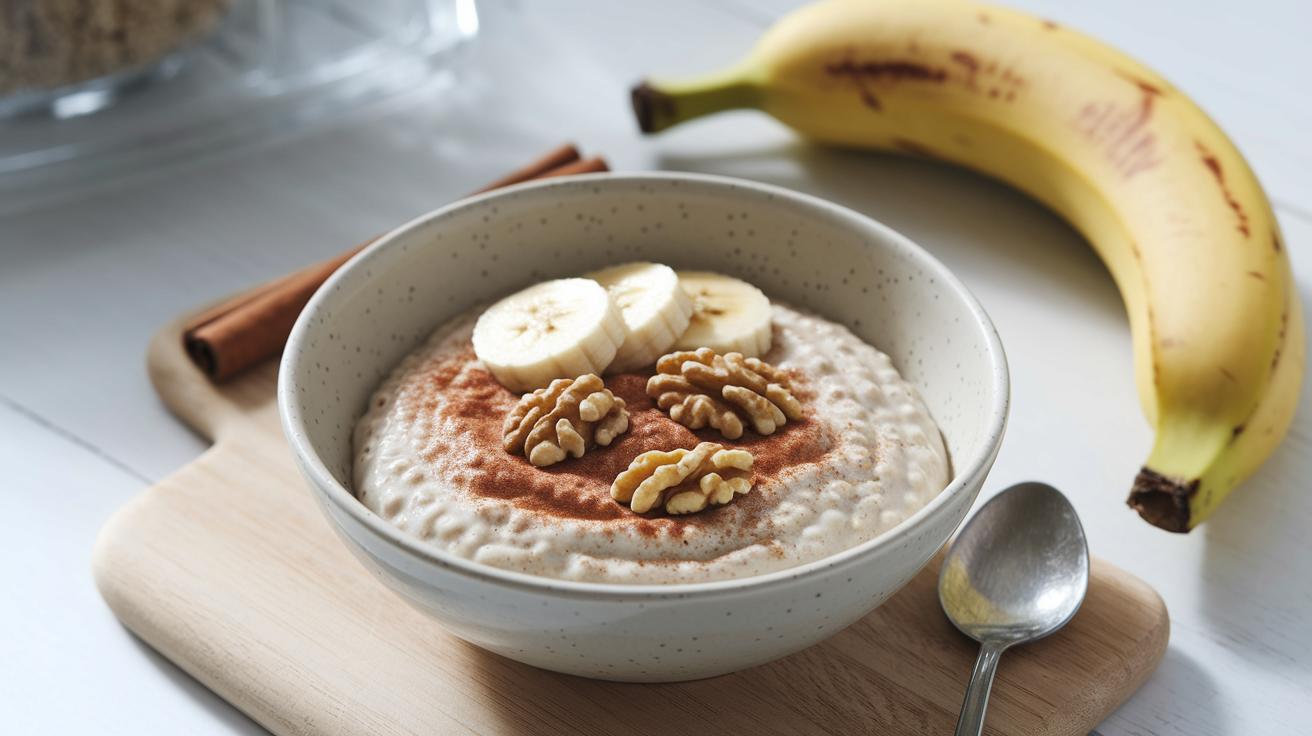
Mix whole, natural foods with imaginative recipes to build a plant-powered day that boosts your energy and nurtures your health. Start by considering breakfast options that break away from the usual routine. For example, try rolled oats with walnuts, banana slices, and a dash of cinnamon to pack in fiber and protein. Or whip up some chia pudding using almond milk and fresh berries. Fun fact: nearly 90% of plant-based diets can cover all your nutritional needs when planned wisely.
At lunch, blend classic ideas with a few twists. A Greek salad featuring mixed greens, ripe tomatoes, olives, and a bit of feta is always a win. Add creamy avocado or a sprinkle of nutritional yeast for an extra flavor boost and more nutrients. Pair it with a whole-wheat pita and a side of melon to round out your meal with essential vitamins and complex carbs.
Dinner is your chance to get both hearty and creative. Enjoy grilled vegetable kabobs with tofu on a bed of quinoa and spinach, a meal rich in antioxidants, protein, and balanced nutrients. Or mix things up with a stir-fry of tempeh, buckwheat noodles, and a colorful mix of vegetables. Either way, you’re in for a satisfying and nutritious dinner.
| Meal | Example | Nutritional Focus |
|---|---|---|
| Breakfast | Rolled oats with walnuts, banana, cinnamon or chia pudding with almond milk and berries | Fiber, protein, steady energy |
| Lunch | Greek salad with mixed greens, tomatoes, olives, feta plus avocado and whole-wheat pita | Vitamins, healthy fats, complex carbs |
| Dinner | Grilled veggie kabobs with tofu over quinoa-spinach or tempeh stir-fry with buckwheat noodles | Antioxidants, protein, balanced nutrients |
Remember to include a variety of proteins such as tofu, tempeh, beans, or lentils. Play with different textures and colors to keep your plate appealing, and keep extra ingredients handy so you can switch things up as needed. Don’t be afraid to explore creative combinations to keep meals interesting and avoid repetitive menus.
All in all, these ideas help you plan plant-based meals that are as nutritious as they are fun, blending sound health benefits with innovative recipe twists.
Supplementation & Bioavailability in Plant-Based Nutritional Strategies
A leading medical editor in nutrition recommends using specific supplements to cover any nutritional gaps in a plant-based diet. For instance, vitamin B12, a nutrient essential for nerve health and for forming red blood cells, is hard to find in plant foods. So, taking a B12 supplement can give your energy a boost and help keep your metabolism on track.
Omega fatty acids are also key. On a plant-based diet, you can get them from sources like flaxseeds, chia seeds, or specially made supplements. These healthy fats support your heart and help keep your brain sharp.
Another growing favorite is algae-based supplements, especially spirulina. Some studies say spirulina might even help your body get more out of the nutrients you eat. If you're curious, check out spirulina health benefits via the link provided. Plus, many people love adding nutritional yeast to their meals since it not only supplies extra B vitamins but also adds a delicious, savory flavor without straying from a whole-food approach.
Also, pairing these supplements with certain whole foods, like fortified plant milks or even citrus fruits, can make a big difference. This combo creates a kind of teamwork that helps your body absorb vital vitamins and minerals even better.
Gut Health Support within Plant-Based Nutritional Strategies

There’s something truly refreshing about a meal loaded with plant-based goodness. When you fill your plate with fiber-rich and naturally fermented foods, you’re not only savoring lively flavors, you’re also giving your gut a little boost. Community workshops at our local greenhouse and learning kitchen show you step-by-step how to whip up enzyme-packed recipes that help gently detox your body. One workshop even shared how fermenting your veggies can turn an everyday salad into a powerful, gut-balancing treat!
Foods like onions, asparagus, and garlic aren’t just tasty additions; they’re high-fiber prebiotics that nourish the friendly bacteria in your digestive system. This fiber acts like fuel to keep your microbiome active and balanced. And when you pair these with fruits such as crisp apples or sweet bananas, you’re setting the stage for a robust digestive environment.
If you’re looking to add a probiotic twist, think about incorporating fermented veggies like kimchi or sauerkraut into your meals. These live cultures work hand in hand with prebiotic foods to support your gut health naturally. A simple tip: mix a small serving of fermented vegetables into your daily routine for a natural detox that helps keep your gut happy.
- Gut health promotion
- Prebiotic food sources
- Probiotic botanical choices
- Natural detox meal plans
By blending these strategies into your everyday eating habits, you transform each meal into an opportunity to nurture a healthy and vibrant gut.
Sustainable & Eco-Friendly Plant-Based Nutritional Strategies
Plant-based diets give you a natural boost while caring for the earth, too. When you choose eco-friendly foods, you’re not only fueling your body but also supporting local farms and cutting down on environmental impact. Think about community gatherings at local greenhouses or cooking classes where seasonal produce takes center stage. These events encourage ingredients to come straight from nearby farms, which means fewer long trips for your food and less energy used along the way.
Rotating your ingredients with the seasons does wonders for both your meals and the planet. It keeps flavors fresh, boosts nutritional value, and respects nature’s own rhythm. Ever visited a local market or joined a community-supported agriculture program? It’s a fun way to mix up your routine while embracing natural growing cycles. For more creative tips on adding local, whole ingredients to your diet, check out whole foods recipes and let sustainable choices light up your everyday meals.
Final Words
In the action, we explored how plant-based nutritional strategies for health can powerfully support overall well-being. We touched on balancing macronutrients, optimizing micronutrient absorption, planning practical meals, and even boosting gut health naturally.
Every section underlines actionable, research-backed steps you can take to manage chronic conditions better, find everyday inspiration, and embrace a sustainable lifestyle. Let your next meal be a positive boost on your path to balanced living.
FAQ
Q: What does a plant-based diet food list for beginners include?
A: The plant-based food list for beginners includes a variety of minimally processed whole plant foods such as fruits, vegetables, legumes, whole grains, nuts, and seeds. These choices offer essential nutrients and ease the transition.
Q: What plant-based foods should be avoided?
A: The plant-based diet advises avoiding overly processed substitutes high in additives and added sugars, as well as refined grains and excessive oils that can diminish the natural benefits of whole foods.
Q: What are the benefits of a plant-based diet?
A: The benefits of a plant-based diet include improved heart health, better blood pressure control, weight management, and enhanced energy levels, with immediate boosts to nutrient intake that lower chronic disease risks.
Q: What meal plans are available for plant-based or vegetarian diets?
A: Available options include a 30-day plant-based diet plan and a 7-day vegetarian meal plan that offer balanced, flavorful recipes designed to meet protein, fiber, and micronutrient needs for healthy living.
Q: What negatives might be associated with a plant-based diet?
A: The negatives of a plant-based diet can include potential nutrient gaps like vitamin B12 deficiency and lower protein or iron intake if not planned carefully, though thoughtful menu design can overcome these challenges.
Q: How can one stay healthy on a plant-based diet and what do cardiologists say?
A: Staying healthy on a plant-based diet involves consuming diverse whole foods and necessary supplements, while many cardiologists support plant-based eating due to its proven benefits in reducing heart disease risks.
Q: What is considered the healthiest plant-based food?
A: The healthiest plant-based food depends on personal needs, but nutrient-dense options like leafy greens, berries, and whole grains are highly valued for their rich supply of vitamins, minerals, and antioxidants.