Clinical And Translational Research Building Sparks Growth

Have you ever wondered what happens when experts come together in a space designed to spark fresh ideas? Picture a building where busy labs mix with welcoming meeting spots, all working to make health better for everyone.

Inside this research center, advanced labs and creative minds join forces to improve patient care. It’s not just about high-tech equipment or precise engineering, it’s a place where teamwork turns everyday challenges into exciting opportunities.

In simple terms, this facility transforms common problems into breakthroughs that can change lives in our communities. Isn’t it amazing how collaboration can make a real difference in our health?

Key Objectives of the Clinical Translational Research Facility

This facility is the heart of our academic research and innovation. It houses the Clinical and Translational Sciences Institute and is focused on boosting health outcomes for all kinds of people. Imagine walking into a large, 120,000-square-foot building where every room, from high-tech labs to cozy meeting areas, has been designed with creativity and innovation in mind. It's like stepping into a place where everyday challenges spark brilliant ideas that can transform community health.

Located on a 2.5-acre site, this facility is the third building in the University Research Complex. The space was created by carefully dismantling outdated structures and shifting utilities, all while the complex kept running smoothly. A dedicated team oversaw the whole process to ensure everything fit together perfectly. This thoughtful approach sets the stage for exciting new research projects and practical breakthroughs in patient care.

The facility isn’t just about research; it’s a gathering spot for different health experts to connect and share ideas. This is a place where studies aren’t isolated, they come alive through teamwork and collaboration. Researchers get the chance to try fresh ideas and make meaningful changes that can improve health not just in Kentucky, but in surrounding areas too.

Architectural and Structural Features of the Translational Research Facility
img-1.jpg

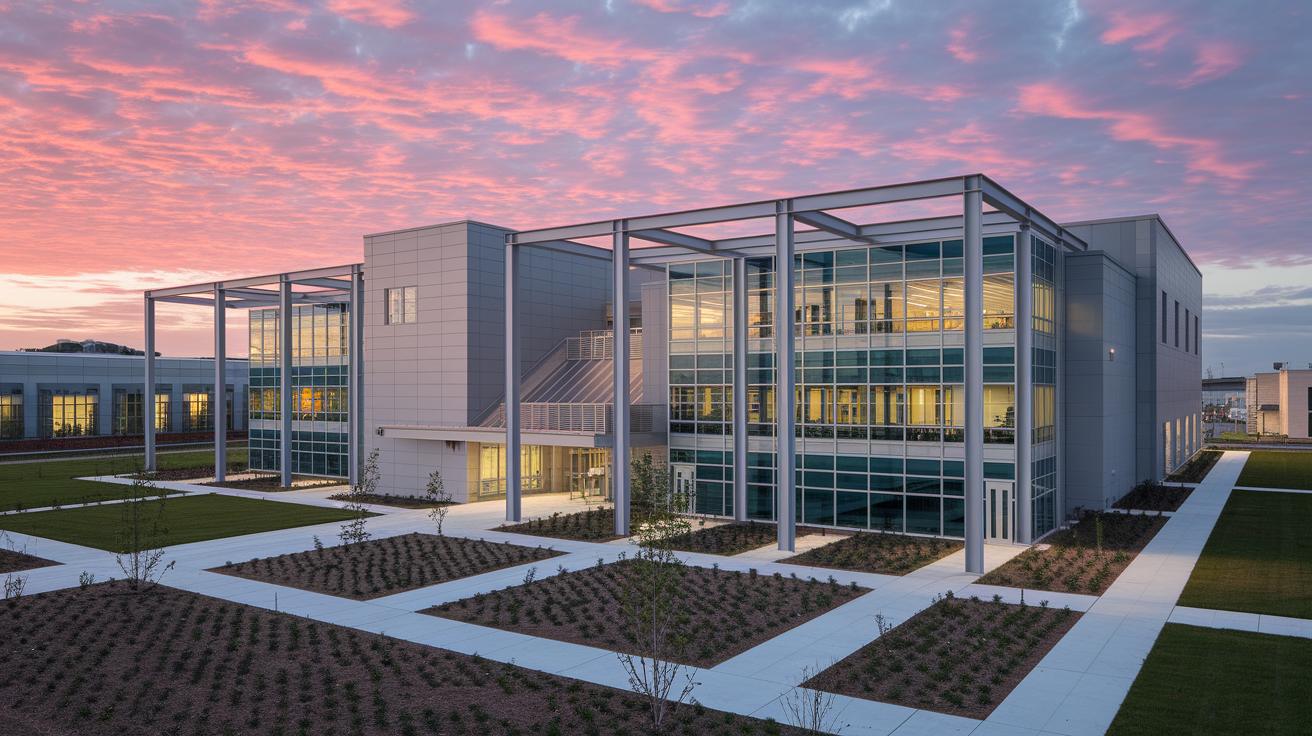
This research facility stands on a reliable, carefully planned framework that supports breakthrough studies. It uses sturdy steel elements that rest on auger-cast piles, pile caps, and grade beams, think of it like building a solid bridge where each part is measured and set precisely to handle heavy demands. Engineers even say these supports are as resilient as a living backbone.

The building’s outer layer is just as impressive. A blend of precast panels, sleek curtain wall systems, metal cladding, and traditional brickwork gives it a look that’s both modern and practical. This combination not only enhances its contemporary design but also ensures the facility runs smoothly in challenging research environments.

Inside, a chilled water system, integrated into the campus loop, efficiently cools key research areas. This careful design detail helps keep sensitive labs comfortable and maintains an optimal setting for clinical studies while managing energy use smartly.

Outside, thoughtful site improvements add charm and functionality. Colored concrete, raised walkways, and protective generator screens create a safe and welcoming environment. Meanwhile, decorative metal fencing, effective lighting, casual seating areas, and carefully planned landscaping all work together to encourage community interaction and smooth pedestrian flow.

Every element, from the solid structural design to the inviting outdoor spaces, comes together to form a research hub built to endure and encourage advancements in patient care and biomedical innovation.

Flexible Laboratory Modules and Collaborative Spaces in the Research Facility

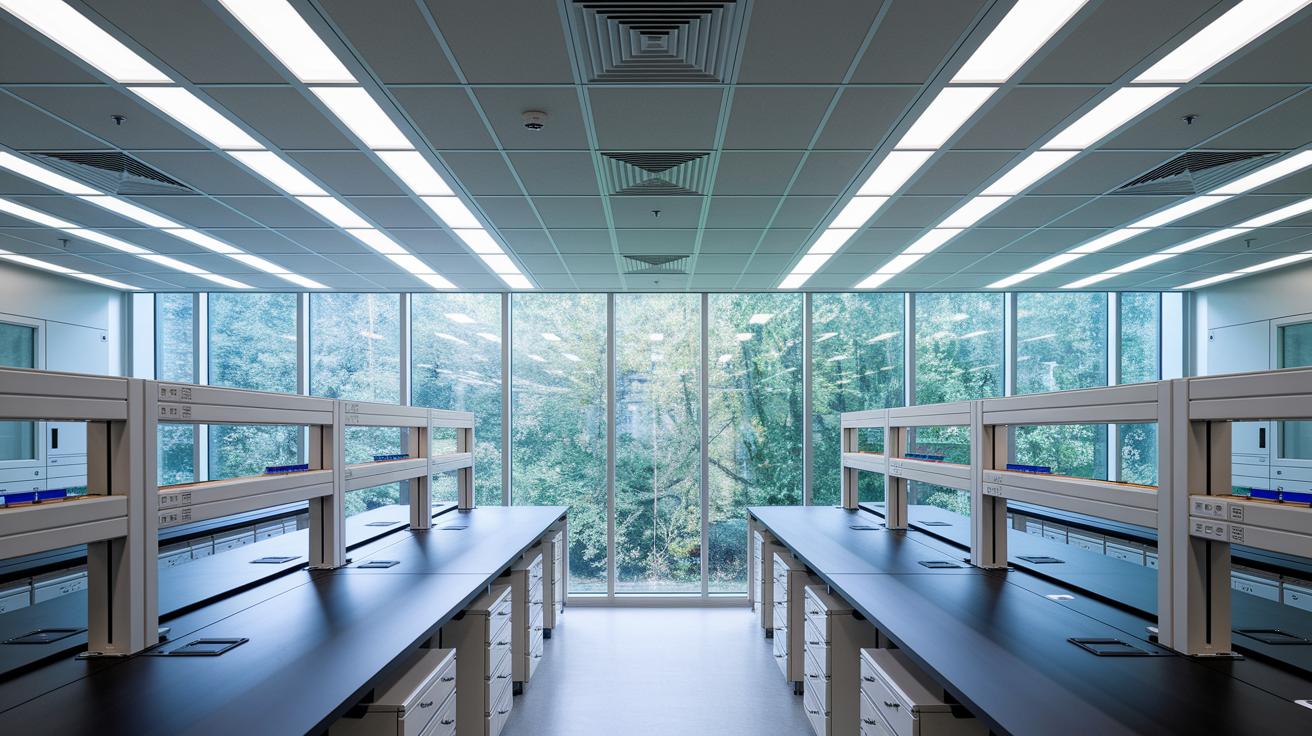
Inside, the facility is arranged with lab zones that work like building blocks, each one can be easily moved and customized. This flexible design lets researchers tailor their space for different experiments and study methods. Picture a lab that shifts as simply as changing your phone’s settings, opening up exciting new possibilities for patient research.

There are plenty of shared collaboration areas throughout the building. Open spaces, common desks, and multi-use meeting rooms all encourage spontaneous conversations and idea-sharing. Imagine scientists gathered around a table, discussing data while others consult side by side, all without leaving their work area.

For example, think of a room that hosts a lively discussion on clinical trials one minute, and then quickly transforms into a precision lab for new patient studies the next. This kind of flexibility makes it easy for experts from different fields, like those at the Institute on Aging, to come together and exchange insights.

The building was even designed so that construction can continue without interrupting daily work or pedestrian flow.

  • Modular labs adapt to various research needs.
  • Shared spaces encourage spontaneous chats and idea-sharing.
  • The integrated design brings together experts from multiple fields for innovative collaborations.

Research Programs and Partnership Integration in the Clinical Translational Facility
img-2.jpg

We've combined all the details from this section into the 'Key Objectives' and 'Flexible Laboratory Modules and Collaborative Spaces' sections. This update helps us keep the article clear and easy to follow without repeating the same information.

Sustainable Systems and Technology Integration in the Translational Research Facility

Inside the building, smart technology hums along, quietly boosting research productivity. A chilled water system, directly tied into the campus utility loop, keeps delicate labs at just the right temperature while trimming energy costs. It’s like having a hidden cooling network that works in the background, making sure every precise medical process flows smoothly.

Lighting and outdoor design play their own important roles too. Thoughtfully placed lights adjust automatically as the day changes, and energy-smart outdoor spaces help reduce waste. Picture a pathway that only lights up when needed, contributing to a leaner, greener energy footprint.

The building is ready for the future with potential smart campus sensors. These sensors can track real-time changes, like shifts in temperature and occupancy, and provide immediate insights. This live data helps researchers balance energy use while keeping operations at their peak, all of which supports groundbreaking precision medicine.

Here, efficiency and digital innovation come together. By merging sustainable systems with next-level tech, the facility not only offers a modern workspace but also lays the groundwork for exciting new advances in medical research.

Final Words

In the action, we've seen how the facility brings together clear research objectives, modern design, flexible lab modules, and robust partnerships. Each section, from the building’s detailed architectural features to its sustainable technology, illustrates how science and everyday wellness combine.

Every step in this process reflects genuine efforts to support better health outcomes. The clinical and translational research building stands as a testament to thoughtful planning and community care, inspiring progress toward a healthier, balanced future.

FAQ

What is clinical and translational research?

The clinical and translational research means studies that move discoveries from laboratory experiments into practical treatments to directly improve patient care and overall health outcomes.

What are the three types of translational research?

The three types of translational research include moving discoveries from the lab to clinical settings, applying clinical insights to further research, and translating findings into community-based health improvements.

What is the primary goal of clinical and translational research?

The primary goal of clinical and translational research is to convert scientific discoveries into effective treatments and care methods, ultimately boosting patient well-being and broad community health.

What is IDeA clinical and translational research?

The IDeA clinical and translational research means programs developed in regions with lower research funding to expand innovative healthcare studies and provide more equitable access to advanced medical breakthroughs.

What are some examples of clinical and translational research centers?

The examples include the Louisville Clinical and Translational Research Center, Research Louisville, the Florida Clinical Research Center, the UF CTSI building, and the UF CRC which all support high-level research and innovation.

Have you ever wondered what happens when experts come together in a space designed to spark fresh ideas? Picture a building where busy labs mix with welcoming meeting spots, all working to make health better for everyone.

Inside this research center, advanced labs and creative minds join forces to improve patient care. It’s not just about high-tech equipment or precise engineering, it’s a place where teamwork turns everyday challenges into exciting opportunities.

In simple terms, this facility transforms common problems into breakthroughs that can change lives in our communities. Isn’t it amazing how collaboration can make a real difference in our health?

Key Objectives of the Clinical Translational Research Facility

This facility is the heart of our academic research and innovation. It houses the Clinical and Translational Sciences Institute and is focused on boosting health outcomes for all kinds of people. Imagine walking into a large, 120,000-square-foot building where every room, from high-tech labs to cozy meeting areas, has been designed with creativity and innovation in mind. It's like stepping into a place where everyday challenges spark brilliant ideas that can transform community health.

Located on a 2.5-acre site, this facility is the third building in the University Research Complex. The space was created by carefully dismantling outdated structures and shifting utilities, all while the complex kept running smoothly. A dedicated team oversaw the whole process to ensure everything fit together perfectly. This thoughtful approach sets the stage for exciting new research projects and practical breakthroughs in patient care.

The facility isn’t just about research; it’s a gathering spot for different health experts to connect and share ideas. This is a place where studies aren’t isolated, they come alive through teamwork and collaboration. Researchers get the chance to try fresh ideas and make meaningful changes that can improve health not just in Kentucky, but in surrounding areas too.

Architectural and Structural Features of the Translational Research Facility

img-1.jpg

This research facility stands on a reliable, carefully planned framework that supports breakthrough studies. It uses sturdy steel elements that rest on auger-cast piles, pile caps, and grade beams, think of it like building a solid bridge where each part is measured and set precisely to handle heavy demands. Engineers even say these supports are as resilient as a living backbone.

The building’s outer layer is just as impressive. A blend of precast panels, sleek curtain wall systems, metal cladding, and traditional brickwork gives it a look that’s both modern and practical. This combination not only enhances its contemporary design but also ensures the facility runs smoothly in challenging research environments.

Inside, a chilled water system, integrated into the campus loop, efficiently cools key research areas. This careful design detail helps keep sensitive labs comfortable and maintains an optimal setting for clinical studies while managing energy use smartly.

Outside, thoughtful site improvements add charm and functionality. Colored concrete, raised walkways, and protective generator screens create a safe and welcoming environment. Meanwhile, decorative metal fencing, effective lighting, casual seating areas, and carefully planned landscaping all work together to encourage community interaction and smooth pedestrian flow.

Every element, from the solid structural design to the inviting outdoor spaces, comes together to form a research hub built to endure and encourage advancements in patient care and biomedical innovation.

Flexible Laboratory Modules and Collaborative Spaces in the Research Facility

Inside, the facility is arranged with lab zones that work like building blocks, each one can be easily moved and customized. This flexible design lets researchers tailor their space for different experiments and study methods. Picture a lab that shifts as simply as changing your phone’s settings, opening up exciting new possibilities for patient research.

There are plenty of shared collaboration areas throughout the building. Open spaces, common desks, and multi-use meeting rooms all encourage spontaneous conversations and idea-sharing. Imagine scientists gathered around a table, discussing data while others consult side by side, all without leaving their work area.

For example, think of a room that hosts a lively discussion on clinical trials one minute, and then quickly transforms into a precision lab for new patient studies the next. This kind of flexibility makes it easy for experts from different fields, like those at the Institute on Aging, to come together and exchange insights.

The building was even designed so that construction can continue without interrupting daily work or pedestrian flow.

  • Modular labs adapt to various research needs.
  • Shared spaces encourage spontaneous chats and idea-sharing.
  • The integrated design brings together experts from multiple fields for innovative collaborations.

Research Programs and Partnership Integration in the Clinical Translational Facility

img-2.jpg

We've combined all the details from this section into the 'Key Objectives' and 'Flexible Laboratory Modules and Collaborative Spaces' sections. This update helps us keep the article clear and easy to follow without repeating the same information.

Sustainable Systems and Technology Integration in the Translational Research Facility

Inside the building, smart technology hums along, quietly boosting research productivity. A chilled water system, directly tied into the campus utility loop, keeps delicate labs at just the right temperature while trimming energy costs. It’s like having a hidden cooling network that works in the background, making sure every precise medical process flows smoothly.

Lighting and outdoor design play their own important roles too. Thoughtfully placed lights adjust automatically as the day changes, and energy-smart outdoor spaces help reduce waste. Picture a pathway that only lights up when needed, contributing to a leaner, greener energy footprint.

The building is ready for the future with potential smart campus sensors. These sensors can track real-time changes, like shifts in temperature and occupancy, and provide immediate insights. This live data helps researchers balance energy use while keeping operations at their peak, all of which supports groundbreaking precision medicine.

Here, efficiency and digital innovation come together. By merging sustainable systems with next-level tech, the facility not only offers a modern workspace but also lays the groundwork for exciting new advances in medical research.

Final Words

In the action, we've seen how the facility brings together clear research objectives, modern design, flexible lab modules, and robust partnerships. Each section, from the building’s detailed architectural features to its sustainable technology, illustrates how science and everyday wellness combine.

Every step in this process reflects genuine efforts to support better health outcomes. The clinical and translational research building stands as a testament to thoughtful planning and community care, inspiring progress toward a healthier, balanced future.

FAQ

What is clinical and translational research?

The clinical and translational research means studies that move discoveries from laboratory experiments into practical treatments to directly improve patient care and overall health outcomes.

What are the three types of translational research?

The three types of translational research include moving discoveries from the lab to clinical settings, applying clinical insights to further research, and translating findings into community-based health improvements.

What is the primary goal of clinical and translational research?

The primary goal of clinical and translational research is to convert scientific discoveries into effective treatments and care methods, ultimately boosting patient well-being and broad community health.

What is IDeA clinical and translational research?

The IDeA clinical and translational research means programs developed in regions with lower research funding to expand innovative healthcare studies and provide more equitable access to advanced medical breakthroughs.

What are some examples of clinical and translational research centers?

The examples include the Louisville Clinical and Translational Research Center, Research Louisville, the Florida Clinical Research Center, the UF CTSI building, and the UF CRC which all support high-level research and innovation.

More from author

LEAVE A REPLY

Please enter your comment!
Please enter your name here

Related posts

Advertismentspot_img

Latest posts

How To Create A Daily Wellness Routine: Thriving

Curious about how to create a daily wellness routine that transforms your mornings and days? Read on as secrets await…

2 Daily Wellness Drink Tips For Radiance

Experience a daily wellness drink with natural herbs, green ingredients, and clinical backing that might change your routine forever, stay tuned.

Daily Wellness: Elevate Your Everyday Vitality

Daily wellness transforms everyday routines into mindful adjustments, merging nutrition, movement, and restorative sleep. What unforeseen practice awaits you next?

Want to stay up to date with the latest news?

We would love to hear from you! Please fill in your details and we will stay in touch. It's that simple!