Have you ever thought that your meal could brighten your day? When you plan your food with care, your body gets just the boost it needs to feel great. Imagine a plate full of crunchy vegetables, lean proteins, and hearty whole grains working together, not only to fill you up, but to give you strength, too.
In this piece, we share easy meal-planning ideas designed for busy days. We’re talking about simple steps that help you feel lively and balanced, even when things get hectic. It’s all about making smart choices that spark a warm, inner glow of wellness.
Foundations of Nutritional Meal Planning
Nutritional meal planning is all about boosting your intake of vegetables, fruits, lean proteins, whole grains, and other foods full of good nutrients. If you want to learn more about these food groups, check out “What Are Whole Foods” to see how these items pack a nutritional punch. This method is based on scientific research that promotes eating whole, unprocessed foods that are low in added sugars, salt, and unhealthy fats so your heart stays healthy and your meals taste great.
This plan is flexible and listens to your body instead of forcing strict calorie counts or fixed portions. For instance, if you feel like having a small treat or a glass of wine one day, you can enjoy it without worry because the focus is on balance rather than perfection. Registered dietitians create these meal plans using smart nutrition tools that match your lifestyle, whether you have an active day ahead or a more relaxed schedule.
Imagine a bowl filled with crisp salad veggies, a piece of grilled chicken, and a side of quinoa. Meals like these offer plenty of nutrients while letting you eat at a natural pace. Instead of stressing over every calorie, try listening to your body, eat when you're hungry and stop when you're satisfied. This approach can help you build long-lasting healthy habits and easily fit planned yet flexible meals into your everyday life.
Macronutrient Distribution and Calorie Allocation for Weekly Culinary Organization
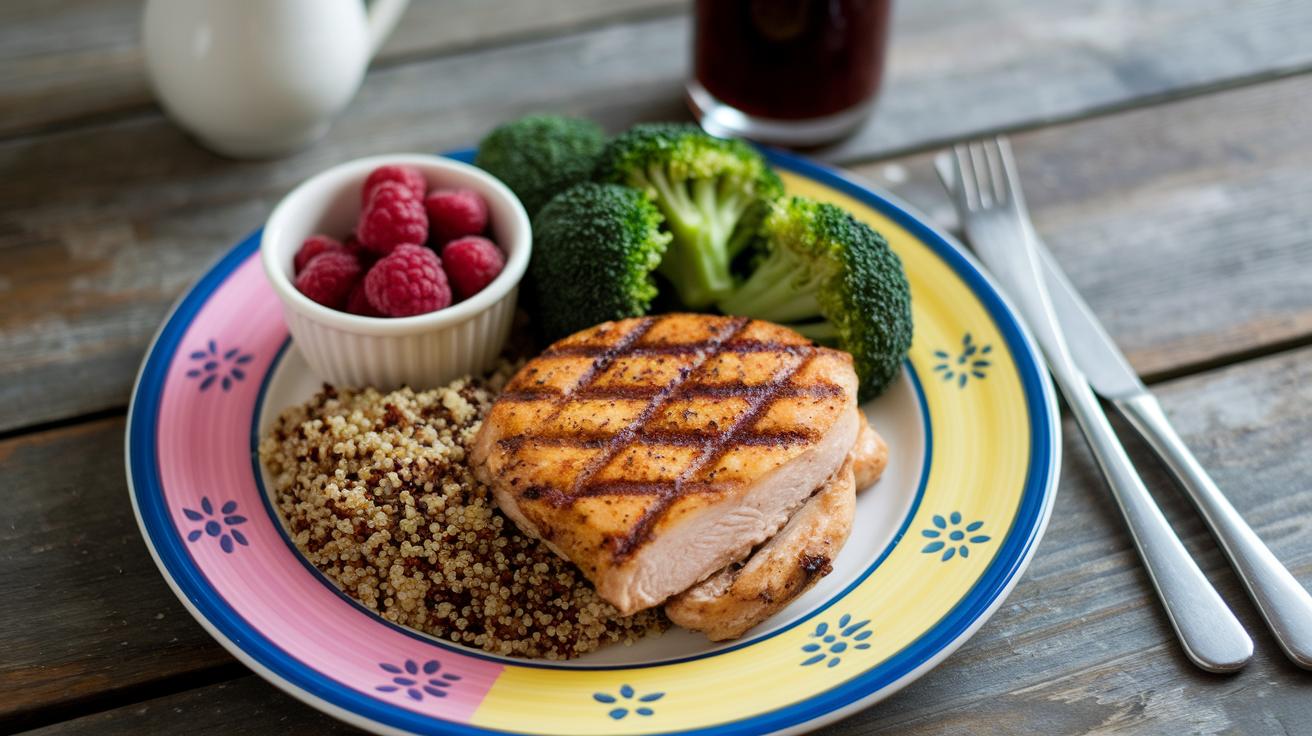
Planning your meals with clear macro goals is a smart way to fuel your body right and keep hunger at bay. By organizing your day into structured meals, you can boost your morning with extra protein and enjoy a balanced mix of carbohydrates, fiber, and fat later for lasting fullness. Think of it like following a favorite recipe where every meal has its own role in keeping both taste and nutrition in sync.
Here's a simple guide to help you plan your dinners and daily intake. Start with a typical dinner, maybe around 450 calories, that offers the right balance of protein, carbs, fiber, and healthy fats. Then, combine these numbers to hit your daily target of roughly 1,595 calories, spread smoothly across breakfast, lunch, dinner, and snacks. This strategy makes it easier to mix and match meals while keeping your overall nutrition on track.
| Meal | Calories | Protein (g) | Carbs (g) | Fiber (g) | Fat (g) | Sodium (mg) |
|---|---|---|---|---|---|---|
| Dinner Example | 450 | 25 | 40 | 8 | 18 | 600 |
| Daily Totals | 1,595 | 92 | 130 | 34 | 86 | 1,438 |
Using these numbers, you can mix up your plans for several days. It’s like having a flexible blueprint that lets you adjust recipes while keeping your meals balanced and enjoyable. Enjoy the journey of creating delicious and healthy meals without overthinking every bite!
Strategic Food Preparation Insights within Meal Planning
Smart meal prep can really change your day by cutting down stress and boosting your nutrition. Picture this: you come home and quickly wash your fresh apples, crisp greens, and juicy berries, setting the stage for a week of delicious, healthful meals.
One great idea is to use a slow cooker to make a hearty vegetable minestrone. It simmers gently for 6–8 hours, letting the veggies become perfectly tender and letting all those flavors blend. This simple method brings you a warm, fiber-packed dish that's ready when you are.
Batch cooking staples like quinoa or brown rice ahead of time is another smart move. Not only can these be easily transformed into a variety of meals, but leftovers also turn into satisfying options when you need a quick bite. Have you ever enjoyed the ease of grabbing a pre-prepped meal and felt a burst of energy from it?
Here are some time-saving strategies to streamline your meal planning:
| Strategy | Tip |
|---|---|
| Pre-portion meals | Match your targeted macros easily |
| Freezer portions | Enjoy single-serve meals that reheat fast |
| Store-bought prepped food | Great option when time is really short |
| Weekly recipe prep | Create an extra dinner option each week |
These easy tactics help you keep a steady intake of fiber and protein while saving time in the kitchen. Try setting up that slow-cooked minestrone on a busy day, and enjoy the steady boost in energy and balanced nutrition throughout your week.
Meal Planning Nutritional Strategies Spark Radiant Wellness
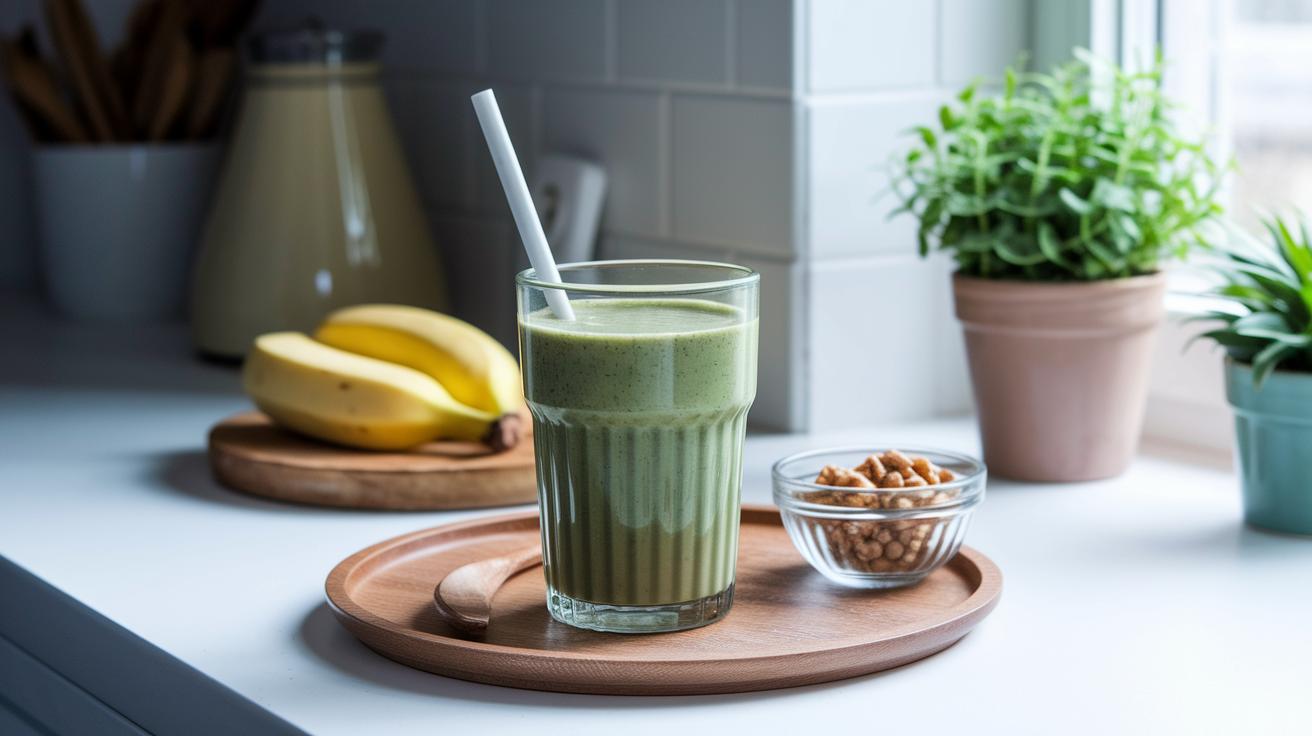
Imagine having a seven-day meal plan that feels both structured and relaxed, designed with balanced nutrients and the flexibility to match your lifestyle. Start your morning with a refreshing spinach, peanut butter, and banana smoothie, a tasty drink that gives you energy along with essential vitamins. One day might kick off with a hearty 490-calorie breakfast that helps release energy slowly throughout the day. Then, a quick snack of raw nuts or a spoonful of yogurt, about 77 calories on some days, keeps you powered between meals without feeling too heavy.
Lunch might be a vibrant white bean and veggie salad or a colorful vegan superfood grain bowl. These dishes mix fiber and protein to keep your energy steady and your hunger at bay. Come dinner, picture a warm bowl of chicken and kale soup, a dish that not only fills you up but also brings a comforting taste after a busy day. The whole plan is flexible: swap out ingredients, adjust portions, and follow your own taste. Registered dietitians have thoughtfully refined these menus with diverse nutritional needs in mind.
Daily Breakfast and Snack Timing
Kick off your morning right by fueling up within the first hour of waking. Aim for a breakfast in the 400–500 calorie range that mixes protein, healthy fats, and fiber. That spinach, peanut butter, and banana smoothie isn’t just delicious, it helps your metabolism start working the moment you rise. A light mid-morning snack, like a small handful of raw nuts or a bit of yogurt, works perfectly to keep your blood sugar steady until lunchtime.
Lunch and Dinner Nutrient Timing
When planning lunch and dinner, it’s all about balance. Enjoy a lunch that includes lean proteins and fresh vegetables to keep your energy stable throughout the day. In the evening, a protein-rich dinner like chicken and kale soup serves as a comforting cap to your day and helps support muscle recovery from your daily activities. And if you feel you need a little extra boost between meals, a small post-work snack can seamlessly complete your daily nutritional needs.
Customizing Meal Plans: Personalization and Tracking for Sustained Success
Customizing your meal plan means you can meet your own dietary needs and keep your nutrition on point. Whether you're avoiding gluten, enjoying a vegetarian diet, managing diabetes, or staying allergy-friendly, adjusting recipes and portions lets you enjoy meals that work for you. Plus, checking menus ahead of time when you dine out helps you choose options that match your health goals.
Using a printed weekly planner, a digital app, or even a dry-erase board is a friendly way to keep track of your meals and nutrients. Jotting down your favorite recipes means you can tweak your plan as you go along, making sure every meal fits both your taste and your nutrition. By keeping a food journal, you might notice trends and be able to adjust your portions or add in a little treat here and there without overdoing it.
Remember, personalizing your meal plan is an ongoing journey. As your needs change, take a moment to update your plan and refine your tracking. Even small tweaks can have a big impact over time. Keeping a record of your meals helps you see your progress and stay motivated along the way.
Final Words
In the action, we explored simple, evidence-based steps to improve everyday nutritional habits. We discussed the basics of building balanced meals, setting calorie and macronutrient targets, and prepping foods efficiently. Sample weekly menus and nutrient timing techniques were shared to help keep energy levels steady. We also reviewed ways to personalize meal plans for everyday needs. Using practical meal planning nutritional strategies, you can create flexible eating habits that support long-term well-being. Keep experimenting and enjoy each nutritious choice as a step forward in balanced living.
FAQ
Where can I find free meal planning nutritional strategies PDFs?
Free meal planning nutritional strategies PDFs are available on reputable health websites and nutrition portals. They provide guidelines on balanced eating, calorie allocation, and food prep techniques that support everyday healthy eating.
What MyPlate meal plan resources are available for a 7-day plan?
MyPlate resources include 7-day meal plan PDFs that offer clear examples of balanced meals, portion sizes, and nutrient-dense options. They help you incorporate diverse food groups into a manageable weekly plan.
How do I make a nutritional meal plan?
Making a nutritional meal plan starts with assessing your dietary goals, selecting nutrient-rich foods, creating balanced recipes, and tracking meals. This approach uses evidence-based tips to adjust to hunger and satiety cues.
What nutritional strategies support healthy meal planning?
Nutritional strategies for healthy meal planning involve emphasizing vegetables, fruits, lean proteins, and whole grains, listening to your body’s hunger cues, and even including a small treat to maintain balance and heart health.
What are the five basic steps of meal planning?
The five basic steps of meal planning are gathering recipes, crafting a shopping list, prepping ingredients, scheduling meals, and reviewing your plan. These steps help build a structured routine for balanced, clean eating.
What is the 5 4 3 2 1 diet plan?
The 5 4 3 2 1 diet plan organizes your meals by suggesting five portions of fruits and vegetables, four servings of whole grains, three lean proteins, two healthy fats, and one serving of dairy or its alternative to promote balanced nutrition.
What does a 7-day healthy eating plan include?
A 7-day healthy eating plan typically includes varied, nutrient-packed meals along with strategic snack timing. It focuses on whole foods, lean proteins, and minimal added sugars to support overall well-being.