Advances In Translational Research Shine With Promise

Imagine if a breakthrough in the lab could change your life right away. With the promise of translational research, tiny discoveries spark new treatments that start helping patients sooner than you might think. Today’s scientists are blending basic science with real-world care, reshaping how we view health. In this post, we explore how turning lab insights into everyday treatments can lead to better outcomes and more personalized patient care. It’s a fresh look at transforming what you see under a microscope into something that truly makes a difference at your bedside.

Advances in Translational Research: From Bench Discoveries to Clinical Solutions

Translational research transforms what scientists uncover in labs into real-world treatments that help people live better. It all starts in the basic science lab, where researchers explore the building blocks of life, then moves on to developing treatments that reach patients in everyday settings. Every discovery sets the stage for the next, steadily expanding our medical knowledge and improving patient care.

Picture this: a researcher once said, "I remember the moment I saw a new cell behavior under the microscope; it completely changed how I think about disease treatment." This personal touch reminds us that behind every scientific breakthrough, there's a human story.

Lately, we've witnessed real progress in medical translation. Detailed lab data now swiftly helps shape clinical trial designs and informs public health plans. By blending insights from basic science, clinical research, and public health, expert teams create targeted therapies to tackle complex health challenges. Researchers, clinicians, and public health pros team up to ensure that innovative treatments stay both evidence-based and practical.

This fresh approach not only speeds up the development of new treatments but also fine-tunes clinical methods to bridge the gap between discovery and everyday healthcare. When research flows smoothly from the lab bench to the patient's bedside, patient outcomes improve significantly, reinforcing the promise of translational research.

State-of-the-Art Laboratory Techniques Driving Advances in Translational Research
img-1.jpg

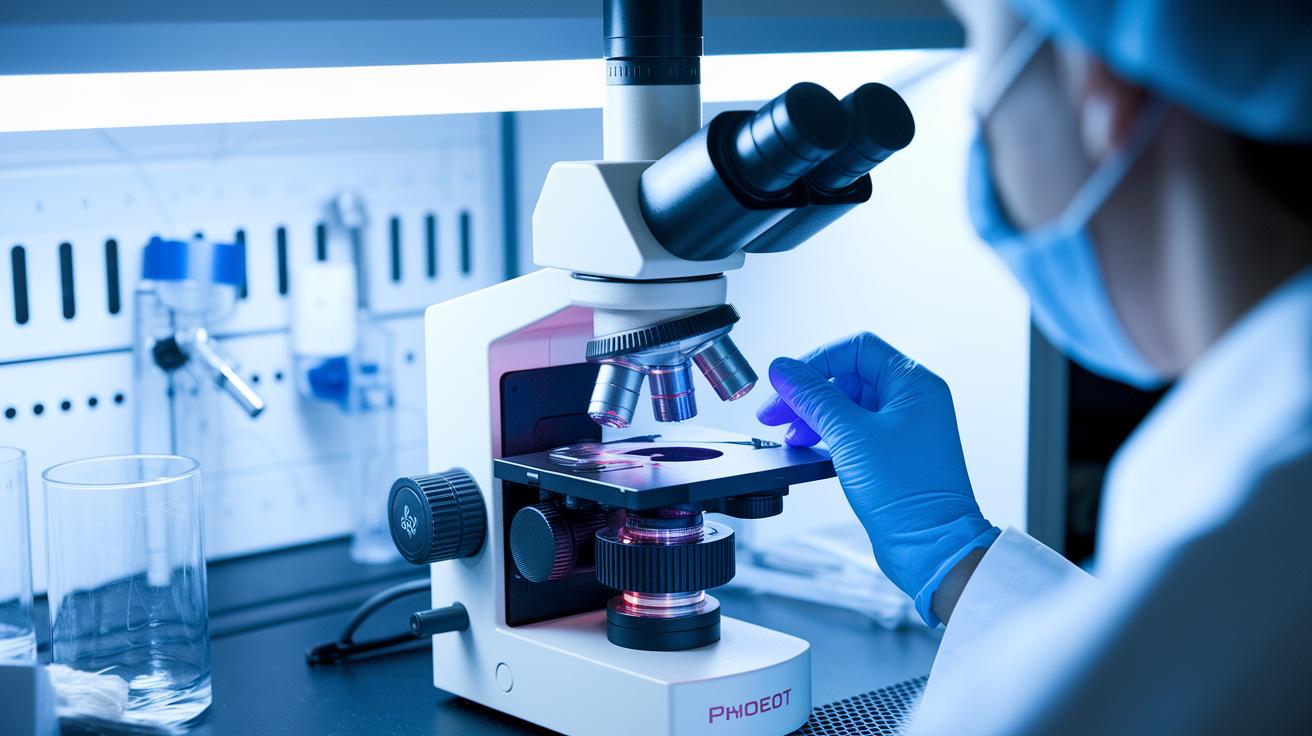
Imagine a microscope so advanced that it can zoom in on a single cell or even tiny parts of a cell like chromosomes. The Leica LMD6 Laser Microdissection Microscope does just that with its special laser design and smart software, letting scientists take a closer look than ever before.

Quick screening methods that handle hundreds of samples at once add another powerful tool to this approach. By testing many compounds rapidly, researchers can shorten the journey from discovery to treatment, meaning breakthroughs can reach clinical care much faster.

Today’s high-tech computer tools also play a big role. They turn mountains of complex data into clear, understandable insights. With these innovations, scientists can map out gene patterns and cellular interactions (essentially, how cells communicate) to design better therapies.

Here are a few core tools powering modern lab work:

Tool Purpose
Laser Microdissection Pinpoint accuracy in isolating cells
High Throughput Screening Rapid evaluation of many candidates
Computational Biology Converting complex data into insights

And it doesn’t stop there. Health tech companies are now partnering with researchers to turn these laboratory innovations into real-world clinical solutions that promise to boost patient care.

Bench-to-Bedside Methodologies and Clinical Applications in Translational Research

Scientists kick things off by rigorously testing their ideas using simple model systems that mirror human biology. They start with cell lines and animal models to closely examine how diseases work, gathering vital safety and effectiveness data along the way.

Next, the focus shifts to real patients in smart, flexible clinical trials. In these adaptive trials, studies invite actual patients and adjust on the fly as new insights emerge. Researchers fine-tune dosing, combine treatments, and tweak the timing of interventions based on early trends. For more details, check out what are clinical trials.

After this, the work becomes a true team effort. Researchers, clinicians, and statisticians collaborate closely to ensure that every lab finding yields reliable data. They keep a close eye on patient responses, using the information to improve treatment strategies step by step.

By putting patients first and drawing on a broad spectrum of scientific expertise, bench-to-bedside methods steadily refine new treatments. This clear, careful process transforms laboratory breakthroughs into real-world therapies that enhance care and improve lives.

Editorial Standards and Ethical Guidelines in Advances in Translational Research Publishing

img-2.jpg

The cornerstone of reliable research in the translation of lab findings to real-world treatments is strict editorial oversight. At Advances in Clinical and Translational Research (ACTR), we take ethical rules seriously to keep our work honest and trustworthy. Our guidelines cover everything from ensuring that digital images stay unaltered, to protecting confidentiality, managing early publicity and preprints (early versions of papers), and preventing plagiarism or data fabrication. Editors, reviewers, and the editor-in-chief all follow these clear instructions to support a thorough peer-review process and consistent study protocols.

Progress in regulatory science shows when every published study is checked carefully for accuracy and honesty. Picture a researcher saying, "Before submission, I double-checked every image and citation to maintain the highest ethical standards." This kind of diligence means every study meets the ethical benchmarks needed for trustworthy translation of research.

Having standardized protocols also helps maintain the quality and reproducibility of findings, which is essential for trust in science. Each manuscript is carefully reviewed to catch and fix any ethical issues before it sees the light of day. This thoughtful process builds reader confidence and supports ongoing improvements in translational research, ensuring every discovery can pave the way for better patient outcomes.

Interdisciplinary Collaboration Models Accelerating Advances in Translational Research

Interdisciplinary collaboration drives breakthrough moments where lab ideas quickly turn into real-world treatments. Think of it as a friendly hub where clinicians, researchers, lab experts, students, teachers, and industry pros come together, each bringing their own special skills and experiences. This mix sparks a creativity that speeds up how we discover new testing methods and treatments.

Imagine a clinical scientist sharing fresh insights from a recent study while an industry specialist offers practical feedback from the field. It’s this informal back-and-forth that accelerates finding solutions. Often, these diverse teams meet in relaxed sessions to swap data, ideas, and even early study results, turning promising lab findings into safer, more effective therapies. For example, one team member might mention, "Working with statisticians really helped refine our trial design," showing how joining forces builds better strategies.

Today’s collaboration models rely on structured partnerships that simplify sharing data and maximize resource use. Consider these common practices:

Practice What It Involves
Regular interdisciplinary meetings Teams gathering frequently to chart a clear course forward
Joint research initiatives and shared labs Working side by side, much like baking bread together, gathering all the right ingredients and mixing them well
Collaborative mentoring Experienced professionals guiding newer members, sharing wisdom in real-time

These teamwork strategies not only spark innovative tools and diagnostics but also pave the way for translating lab discoveries into improved patient care. It’s a reminder of how shared expertise can make big changes, one friendly conversation at a time.

Future Frontiers in Advances in Translational Research
img-3.jpg

New breakthroughs in translational research are sparking a fresh, human touch in healthcare. Researchers are diving into regenerative therapies that help repair injured tissues and organs, almost like your body is refreshing itself naturally. This could mean fewer invasive procedures and a more gentle recovery for many patients.

Precision medicine is also evolving in exciting ways. Imagine a treatment plan designed just for you, built from detailed patient data and tailored to your unique genetic story. It’s like having a personalized health guide that adjusts as your condition evolves. These innovations are steadily moving closer to becoming a regular part of everyday clinical practice.

Digital health technology plays a big role in this transformation. With cutting-edge digital platforms, breakthroughs can move quickly from the lab to your doctor’s office. These tools allow for real-time monitoring and swift adjustments, ensuring that treatments are as responsive as possible during clinical trials.

Collaboration is at the heart of these advancements. Researchers, clinicians, and tech companies are joining forces to reshape how we treat diseases and improve patient care. As these experimental treatments make their way from the lab into our communities, there’s real hope that many will benefit from a more efficient and compassionate approach to health.

The future in healthcare is bright and full of promise, opening up new avenues for healing and well-being.

Final Words

In the action, this article unpacked how basic science becomes practical care. We explored state-of-the-art lab techniques and patient-centered trial designs that sharpen our clinical insights. It looked at ethical standards and the power of interdisciplinary collaboration in driving new treatments. Advances in translational research continue to shape a future of innovative, accessible health solutions. Every step in this process sparks hope for a healthier tomorrow.

FAQ

How do translational research, clinical research, and basic research differ, and what does “translational” mean?

Translational research turns lab discoveries into treatments. It bridges basic studies, which reveal fundamental processes, and clinical research that tests therapies, while translational science combines both to guide real-world health improvements.

What are some examples of translational research or translational science?

Translational research examples include employing high-throughput screening to identify therapeutic targets and using laser microdissection to isolate specific cells. These techniques transform lab findings into effective clinical treatments.

What are the classifications and focus areas of translational research?

Translational research is divided into three types—discovery, development, and clinical validation. Its focus spans converting lab results into patient treatments and evaluating health outcomes at the community level.

How is the impact factor of a translational research journal, like Advances in Translational Medicine, significant?

Advances in Translational Medicine is a major journal whose impact factor measures citation frequency. This metric reflects its influence in turning lab discoveries into clinical solutions and advancing health research.

What challenges and barriers exist in translational pharmacology and research?

Translational pharmacology faces obstacles in bridging lab findings to clinical treatments. Broader translational research also encounters regulatory, logistical, and communication barriers that can delay moving discoveries into patient care.

Imagine if a breakthrough in the lab could change your life right away. With the promise of translational research, tiny discoveries spark new treatments that start helping patients sooner than you might think. Today’s scientists are blending basic science with real-world care, reshaping how we view health. In this post, we explore how turning lab insights into everyday treatments can lead to better outcomes and more personalized patient care. It’s a fresh look at transforming what you see under a microscope into something that truly makes a difference at your bedside.

Advances in Translational Research: From Bench Discoveries to Clinical Solutions

Translational research transforms what scientists uncover in labs into real-world treatments that help people live better. It all starts in the basic science lab, where researchers explore the building blocks of life, then moves on to developing treatments that reach patients in everyday settings. Every discovery sets the stage for the next, steadily expanding our medical knowledge and improving patient care.

Picture this: a researcher once said, "I remember the moment I saw a new cell behavior under the microscope; it completely changed how I think about disease treatment." This personal touch reminds us that behind every scientific breakthrough, there's a human story.

Lately, we've witnessed real progress in medical translation. Detailed lab data now swiftly helps shape clinical trial designs and informs public health plans. By blending insights from basic science, clinical research, and public health, expert teams create targeted therapies to tackle complex health challenges. Researchers, clinicians, and public health pros team up to ensure that innovative treatments stay both evidence-based and practical.

This fresh approach not only speeds up the development of new treatments but also fine-tunes clinical methods to bridge the gap between discovery and everyday healthcare. When research flows smoothly from the lab bench to the patient's bedside, patient outcomes improve significantly, reinforcing the promise of translational research.

State-of-the-Art Laboratory Techniques Driving Advances in Translational Research

img-1.jpg

Imagine a microscope so advanced that it can zoom in on a single cell or even tiny parts of a cell like chromosomes. The Leica LMD6 Laser Microdissection Microscope does just that with its special laser design and smart software, letting scientists take a closer look than ever before.

Quick screening methods that handle hundreds of samples at once add another powerful tool to this approach. By testing many compounds rapidly, researchers can shorten the journey from discovery to treatment, meaning breakthroughs can reach clinical care much faster.

Today’s high-tech computer tools also play a big role. They turn mountains of complex data into clear, understandable insights. With these innovations, scientists can map out gene patterns and cellular interactions (essentially, how cells communicate) to design better therapies.

Here are a few core tools powering modern lab work:

Tool Purpose
Laser Microdissection Pinpoint accuracy in isolating cells
High Throughput Screening Rapid evaluation of many candidates
Computational Biology Converting complex data into insights

And it doesn’t stop there. Health tech companies are now partnering with researchers to turn these laboratory innovations into real-world clinical solutions that promise to boost patient care.

Bench-to-Bedside Methodologies and Clinical Applications in Translational Research

Scientists kick things off by rigorously testing their ideas using simple model systems that mirror human biology. They start with cell lines and animal models to closely examine how diseases work, gathering vital safety and effectiveness data along the way.

Next, the focus shifts to real patients in smart, flexible clinical trials. In these adaptive trials, studies invite actual patients and adjust on the fly as new insights emerge. Researchers fine-tune dosing, combine treatments, and tweak the timing of interventions based on early trends. For more details, check out what are clinical trials.

After this, the work becomes a true team effort. Researchers, clinicians, and statisticians collaborate closely to ensure that every lab finding yields reliable data. They keep a close eye on patient responses, using the information to improve treatment strategies step by step.

By putting patients first and drawing on a broad spectrum of scientific expertise, bench-to-bedside methods steadily refine new treatments. This clear, careful process transforms laboratory breakthroughs into real-world therapies that enhance care and improve lives.

Editorial Standards and Ethical Guidelines in Advances in Translational Research Publishing

img-2.jpg

The cornerstone of reliable research in the translation of lab findings to real-world treatments is strict editorial oversight. At Advances in Clinical and Translational Research (ACTR), we take ethical rules seriously to keep our work honest and trustworthy. Our guidelines cover everything from ensuring that digital images stay unaltered, to protecting confidentiality, managing early publicity and preprints (early versions of papers), and preventing plagiarism or data fabrication. Editors, reviewers, and the editor-in-chief all follow these clear instructions to support a thorough peer-review process and consistent study protocols.

Progress in regulatory science shows when every published study is checked carefully for accuracy and honesty. Picture a researcher saying, "Before submission, I double-checked every image and citation to maintain the highest ethical standards." This kind of diligence means every study meets the ethical benchmarks needed for trustworthy translation of research.

Having standardized protocols also helps maintain the quality and reproducibility of findings, which is essential for trust in science. Each manuscript is carefully reviewed to catch and fix any ethical issues before it sees the light of day. This thoughtful process builds reader confidence and supports ongoing improvements in translational research, ensuring every discovery can pave the way for better patient outcomes.

Interdisciplinary Collaboration Models Accelerating Advances in Translational Research

Interdisciplinary collaboration drives breakthrough moments where lab ideas quickly turn into real-world treatments. Think of it as a friendly hub where clinicians, researchers, lab experts, students, teachers, and industry pros come together, each bringing their own special skills and experiences. This mix sparks a creativity that speeds up how we discover new testing methods and treatments.

Imagine a clinical scientist sharing fresh insights from a recent study while an industry specialist offers practical feedback from the field. It’s this informal back-and-forth that accelerates finding solutions. Often, these diverse teams meet in relaxed sessions to swap data, ideas, and even early study results, turning promising lab findings into safer, more effective therapies. For example, one team member might mention, "Working with statisticians really helped refine our trial design," showing how joining forces builds better strategies.

Today’s collaboration models rely on structured partnerships that simplify sharing data and maximize resource use. Consider these common practices:

Practice What It Involves
Regular interdisciplinary meetings Teams gathering frequently to chart a clear course forward
Joint research initiatives and shared labs Working side by side, much like baking bread together, gathering all the right ingredients and mixing them well
Collaborative mentoring Experienced professionals guiding newer members, sharing wisdom in real-time

These teamwork strategies not only spark innovative tools and diagnostics but also pave the way for translating lab discoveries into improved patient care. It’s a reminder of how shared expertise can make big changes, one friendly conversation at a time.

Future Frontiers in Advances in Translational Research

img-3.jpg

New breakthroughs in translational research are sparking a fresh, human touch in healthcare. Researchers are diving into regenerative therapies that help repair injured tissues and organs, almost like your body is refreshing itself naturally. This could mean fewer invasive procedures and a more gentle recovery for many patients.

Precision medicine is also evolving in exciting ways. Imagine a treatment plan designed just for you, built from detailed patient data and tailored to your unique genetic story. It’s like having a personalized health guide that adjusts as your condition evolves. These innovations are steadily moving closer to becoming a regular part of everyday clinical practice.

Digital health technology plays a big role in this transformation. With cutting-edge digital platforms, breakthroughs can move quickly from the lab to your doctor’s office. These tools allow for real-time monitoring and swift adjustments, ensuring that treatments are as responsive as possible during clinical trials.

Collaboration is at the heart of these advancements. Researchers, clinicians, and tech companies are joining forces to reshape how we treat diseases and improve patient care. As these experimental treatments make their way from the lab into our communities, there’s real hope that many will benefit from a more efficient and compassionate approach to health.

The future in healthcare is bright and full of promise, opening up new avenues for healing and well-being.

Final Words

In the action, this article unpacked how basic science becomes practical care. We explored state-of-the-art lab techniques and patient-centered trial designs that sharpen our clinical insights. It looked at ethical standards and the power of interdisciplinary collaboration in driving new treatments. Advances in translational research continue to shape a future of innovative, accessible health solutions. Every step in this process sparks hope for a healthier tomorrow.

FAQ

How do translational research, clinical research, and basic research differ, and what does “translational” mean?

Translational research turns lab discoveries into treatments. It bridges basic studies, which reveal fundamental processes, and clinical research that tests therapies, while translational science combines both to guide real-world health improvements.

What are some examples of translational research or translational science?

Translational research examples include employing high-throughput screening to identify therapeutic targets and using laser microdissection to isolate specific cells. These techniques transform lab findings into effective clinical treatments.

What are the classifications and focus areas of translational research?

Translational research is divided into three types—discovery, development, and clinical validation. Its focus spans converting lab results into patient treatments and evaluating health outcomes at the community level.

How is the impact factor of a translational research journal, like Advances in Translational Medicine, significant?

Advances in Translational Medicine is a major journal whose impact factor measures citation frequency. This metric reflects its influence in turning lab discoveries into clinical solutions and advancing health research.

What challenges and barriers exist in translational pharmacology and research?

Translational pharmacology faces obstacles in bridging lab findings to clinical treatments. Broader translational research also encounters regulatory, logistical, and communication barriers that can delay moving discoveries into patient care.

More from author

LEAVE A REPLY

Please enter your comment!
Please enter your name here

Related posts

Advertismentspot_img

Latest posts

How To Create A Daily Wellness Routine: Thriving

Curious about how to create a daily wellness routine that transforms your mornings and days? Read on as secrets await…

2 Daily Wellness Drink Tips For Radiance

Experience a daily wellness drink with natural herbs, green ingredients, and clinical backing that might change your routine forever, stay tuned.

Daily Wellness: Elevate Your Everyday Vitality

Daily wellness transforms everyday routines into mindful adjustments, merging nutrition, movement, and restorative sleep. What unforeseen practice awaits you next?

Want to stay up to date with the latest news?

We would love to hear from you! Please fill in your details and we will stay in touch. It's that simple!