Have you ever wondered if labels like "high protein" or "low fat" really tell you the truth? At first, these phrases might seem like just clever marketing, but they are backed by clear, strict rules. Every claim on your food comes from solid evidence and reliable numbers. In this article, we explain how these scientific standards work to protect you while keeping all claims honest. Reliable information is more than a catchy phrase, it is a promise to support your health.
Regulation of Health Claims: A Comprehensive Overview
When you see a health claim on any food product, it is saying that a food, a food group, or even a specific ingredient, is linked to benefits for your health. Nutrition claims use clear, measurable attributes to make their point. For example, a "low fat" claim might mean the product has at least 30% less fat than a similar food. Imagine a label that reads "Pea protein: High Quality – 25g per serving." That clear number helps back up the idea that the food supports your well-being.
In the European Union, strict rules guide these statements. Regulation (EC) No 178/2002 sets out the basic food law principles. Then, Directive 2002/46/EC makes sure that food supplements are labeled clearly. Additionally, Regulation (EU) No 1169/2011 protects your right to know the essential details of a product. Over in the United States, the FDA only lets health claims go forward if there is strong, scientific backing along with clear criteria for nutrient claims.
Scientific evidence is the real backbone of these claims. Detailed documents like clinical trials involving people or studies that have been reviewed by other experts need to support any claims about health benefits. So, a vague claim like "better for you" should be teamed up with specific statements like "sugar free" or "high protein" to meet legal standards. For example, if you see a product advertised as "detox," there should be real evidence showing that it helps your body eliminate toxins.
There are also other ways to show a product’s nutritional profile. Systems like Nutri-Score and the UK's traffic light system offer a clear snapshot of the food’s nutritional content while working alongside strict health claim regulations.
European Directive for Food Assertions and Health Claim Compliance
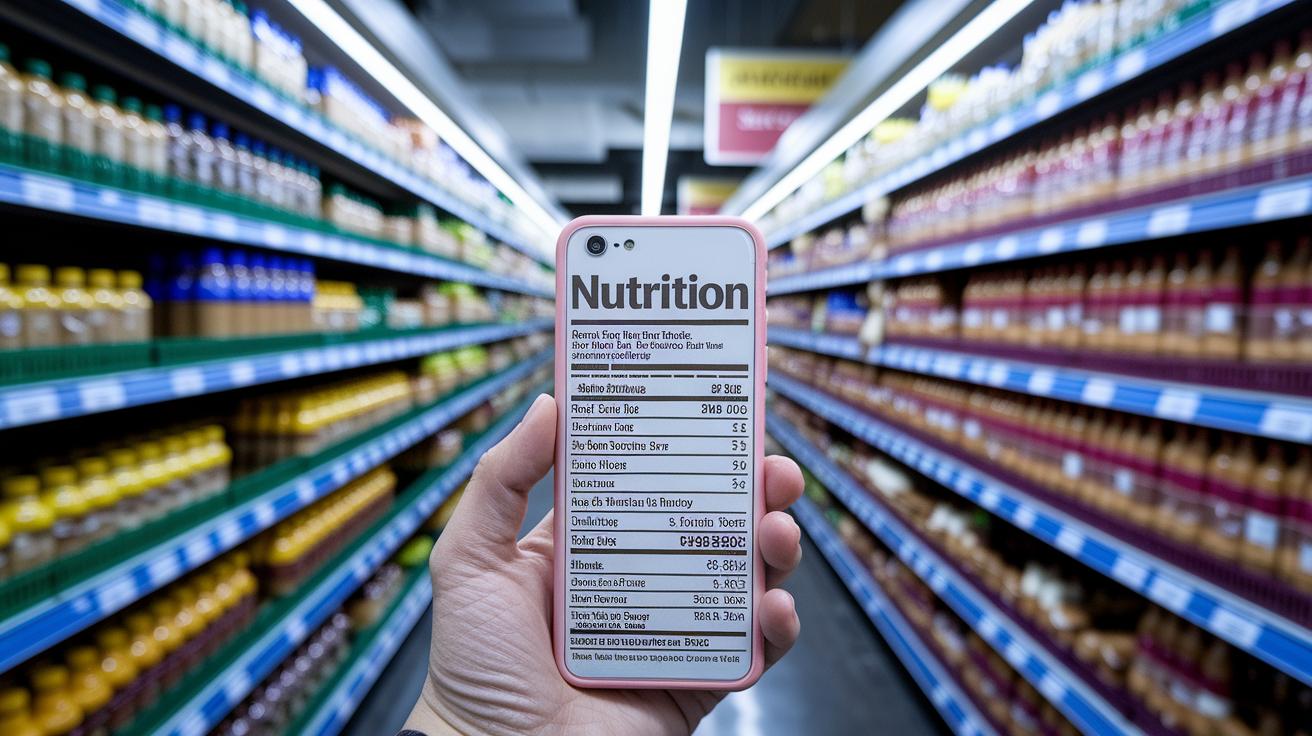
In the European Union, the term "better for you" carries strict meaning. It is considered a regulated general health claim, which means that if a product uses this phrase, it must also display a specific approved claim such as "high protein," "low fat," or "sugar free" right next to it. For example, if a label reads "Detox – sugar free," the "sugar free" part is the legally approved claim while "detox" adds a general suggestion of health benefits.
The rules are very clear. Under EU law, every nutrient claim must explain the nutritional benefit exactly as stated on the label. Any additional health claim needs to be placed immediately next to the general statement to meet the necessary regulations like Directive 2002/46/EC and Regulation (EC) No 1924/2006. For instance, a label might say: "better for you, Low fat (30% reduction)," with the authorized claim clearly next to the general message.
Also, the word "detox" is seen as a health claim because it implies the process of removing toxins from the body. Using such terms incorrectly can lead to serious legal issues, including warnings, fines, or even product recalls. Other labeling systems like Nutri-Score and Traffic Lights are also governed by separate EU rules that help enforce strict nutrient disclosure standards.
Evidence‐Based Dietary Substantiation and Legal Criteria for Health Claims
When regulators review health claims, they count on detailed, scientific reports that meet strict standards. For instance, the European Food Safety Authority (EFSA) examines each submission according to Regulation (EC) No 1924/2006. The evidence is solid and often comes from studies with people, summaries of many studies (meta-analyses), and research that experts have carefully checked (peer-reviewed studies). Imagine a trial showing that a high-protein snack can help maintain muscle.
Each claim follows set procedures that keep things clear and repeatable. Scientists use study designs chosen for their strong methods and minimal errors. They present detailed data that shows nutritional benefits through clear, measurable comparisons. For example, a meta-analysis might compare how a dietary supplement performs against a placebo across several studies.
New foods get the same careful review. They must have pre-market authorization under Regulation (EU) No 2015/2283, which means any new ingredient has to prove it is safe and effective before it reaches store shelves.
Key ways to support a health claim include:
- Human clinical trials that verify real health benefits.
- Meta-analyses that combine results from multiple studies.
- Peer-reviewed research that confirms nutritional advantages.
This strong focus on quality evidence means that only claims backed by solid research make it through, safeguarding both consumers and the honesty of our food labels.
Framework for Label Accuracy: Verification Process and Thresholds for Nutrient Claims

Regulators need solid proof before any nutrient claim finds its way on food labels. For example, if a product says it has less fat, it must show a 30% reduction compared to a similar item. Meanwhile, a salt reduction claim has to demonstrate at least a 25% decrease when compared to a reference food. Claims about high fiber mean meeting a specific minimum amount of fiber per 100 g or mL. This clear-cut method helps everyone feel confident that the nutritional facts are based on real measurements.
The process starts in the lab where food samples are carefully tested in controlled settings. Next, companies must provide detailed documents that back up their nutritional claims. Inspectors then make on-site visits, following Regulation 1333/2008, to check that production practices and record keeping meet the rules. Have you ever been surprised by how a quick lab test can reveal the real nutritional story behind your favorite snack?
Before any product hits the shelves, it goes through a pre-market certification to ensure it meets the established guidelines. After that, periodic sampling checks confirm that these standards continue to be met. Combined, these steps build a strong system that both reassures buyers and keeps manufacturers accountable to clear, scientific standards.
| Claim Type | Minimum Requirement | Applicable Regulation |
|---|---|---|
| Fat reduction | ≥ 30% decrease | Reg (EC) No 1924/2006 |
| Salt reduction | ≥ 25% decrease | Reg (EC) No 1924/2006 |
| High fiber | ≥ defined g per 100 g/mL | Reg (EU) No 1169/2011 |
| Sugar free | < 0.5 g sugar per 100 g/mL | Reg (EC) No 1924/2006 |
Enforcement of Health Claim Regulations and Industry Compliance Standards
Regulators and industry experts work side by side using clear, evidence-based methods. They often perform random audits, run lab tests, and conduct internal reviews, all combined with digital monitoring and third-party certifications. This approach helps brands stay prepared for any inspection. For instance, if a product makes a "detox" claim without proper proof, regulators might send warning letters, impose fines, or even demand a recall.
By blending modern checks with established rules, industry players and regulators team up to ensure that nutrient information is honest and backed by solid evidence.
Regulation of health claims: Clear, Reliable Standards
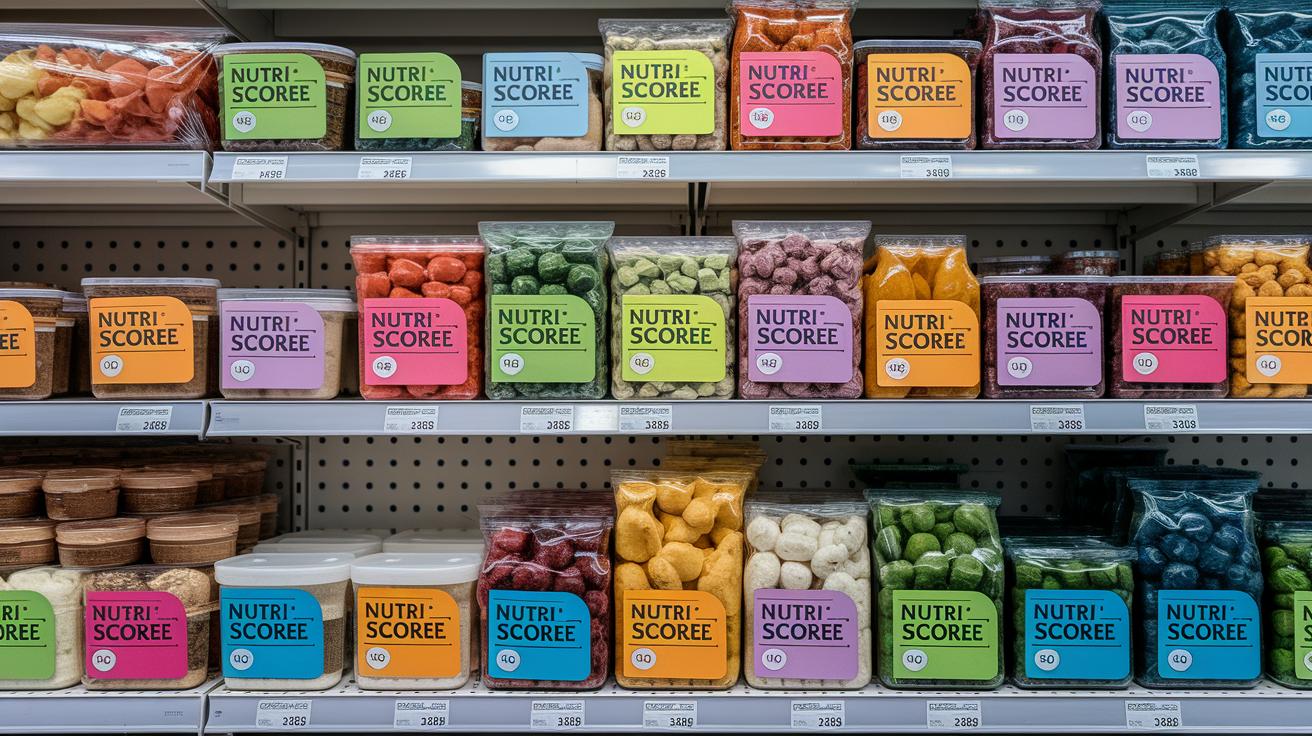
Front-of-pack labels like the Nutri-Score in the EU and the traffic light system in the UK give you a quick look at a product’s nutrition. Regulators keep watch to make sure these labels follow strict rules about design and colors. For instance, a bright green mark on a package quickly tells you the product meets set nutritional rules, much like a stoplight tells drivers when to go.
Shoppers tend to use these labels differently than individual health claims. Research shows that a simple and uniform label helps people understand a product’s nutritional value fast. When you see these trusted symbols, you’re more likely to feel confident that the product has been carefully checked, which cuts down on the confusion that comes with too many separate health claims.
Regulators also check these labels regularly through inspections and reviews. This steady oversight builds trust and makes sure that the colors and icons stay the same and easy to read when you shop.
| Aspect | Front-of-Pack Label | Traditional Health Claims |
|---|---|---|
| Speed of Understanding | Presents quick, visual cues | Requires reading and interpretation |
| Consumer Trust | Heightened by regulatory enforcement | Often viewed with skepticism |
- Inspection teams review these labels periodically to ensure they meet strict standards.
- They provide clear information, helping shoppers decide quickly without wading through dense details.
- Approved designs and clear placement boost the reliability of product claims.
In short, regulated labeling systems clear the clutter so consumers aren’t overwhelmed by repetitive nutritional messages.
Comparative Regulatory Approaches to Health Claims in the US and EU
In the United States, the FDA gives the green light to health claims only after it confirms there is strong scientific agreement. There are eight types of approved claims, and each one must have solid backing from evidence. For instance, a product can be labeled "low fat" only if it has no more than 3 grams of fat per serving, as set by regulation 21 CFR 101.62. This strict process shows that every claim is based on careful research.
Over in the European Union, a different process is in place, overseen by the EFSA. The EU follows Regulation (EC) No 1924/2006, which calls for a detailed review of health claims before any product hits the market. Companies must provide extensive dossiers that include results from human clinical trials and studies that have been reviewed by experts. Even new types of food must go through tighter checks under Regulation (EU) No 2015/2283 to make sure they are safe and effective.
Both regions also have different ways to enforce these rules. In the US, the FDA may send out Warning Letters or take legal action if claims do not meet the required standards. Meanwhile, the EU has the Rapid Alert System for Food and Feed (RASFF), which quickly steps in when there are issues, keeping consumers safe.
| Aspect | United States | European Union |
|---|---|---|
| Authorization Process | Strong scientific agreement; eight approved claim types | Pre-market review by EFSA under Regulation (EC) No 1924/2006 |
| Nutrient Claim Example | “Low fat” if ≤ 3 g fat per serving (21 CFR 101.62) | Claims must come with a detailed evidence dossier |
| Enforcement | Warning Letters and court actions | RASFF for fast action on non-compliance |
Final Words
In the action, this article explored how health claims are defined and regulated, from the strict nutrient requirements and detailed verification steps to the careful balance between general messages and specific, approved assertions. Regulation of health claims helps make sure product claims are backed by solid science and trustworthy evidence.
A side-by-side look at US and EU approaches shows that robust checks and transparent procedures give consumers reliable information. With clear guidelines in place, making informed and healthy choices becomes a more confident process.
FAQ
What are the guidelines for health claims?
The guidelines for health claims require using rigorous scientific evidence, meeting set nutritional thresholds, and following approved frameworks to support claims on product labels.
How does the FDA regulate health claims?
The FDA regulates health claims by applying significant scientific agreement, requiring manufacturers to provide strong evidence, and enforcing pre-market review and compliance through established testing protocols.
What are the three types of health claims?
The three types of health claims are authorized claims based on robust evidence, qualified claims that meet less rigorous standards yet still require substantiation, and nutrient content claims indicating specific nutritional benefits.
What is the regulation on nutrition and health claims?
The regulation on nutrition and health claims sets rules for scientific substantiation, accurate labeling, and minimum nutrient thresholds, ensuring that health and nutrient claims adhere to strict, evidence-based guidelines.