Finding Balance: Achieve Harmony Today

Ever wonder how to stay steady when life feels like a storm? When time slips away and the pressure to be perfect builds up, finding balance might seem impossible. But balance does not mean perfection. It naturally shifts with busy times and quiet moments. This article shares simple ways to set clear priorities and invite calm into your day. Have you ever noticed that even small, mindful changes can turn stress into a tool for a happier, smoother life?

Core Strategies for Finding Balance in Life

Chasing a picture-perfect balance can make you feel frustrated and stressed. Instead of trying to achieve flawlessness, think of balance as something that naturally shifts. Life isn’t a strict checklist of what you should do; it’s a journey with busy moments and peaceful pauses. Sometimes, stepping back for a moment can refresh your energy and help you feel more centered.

Start by setting realistic priorities. It’s important to figure out which tasks are essential and which ones are merely “nice-to-have.” Write down what you need to do, and then decide what really deserves your attention right away. Cutting back on extra commitments creates room for rest and self-care. After all, trying to tick off every single detail can leave you feeling burned out instead of balanced.

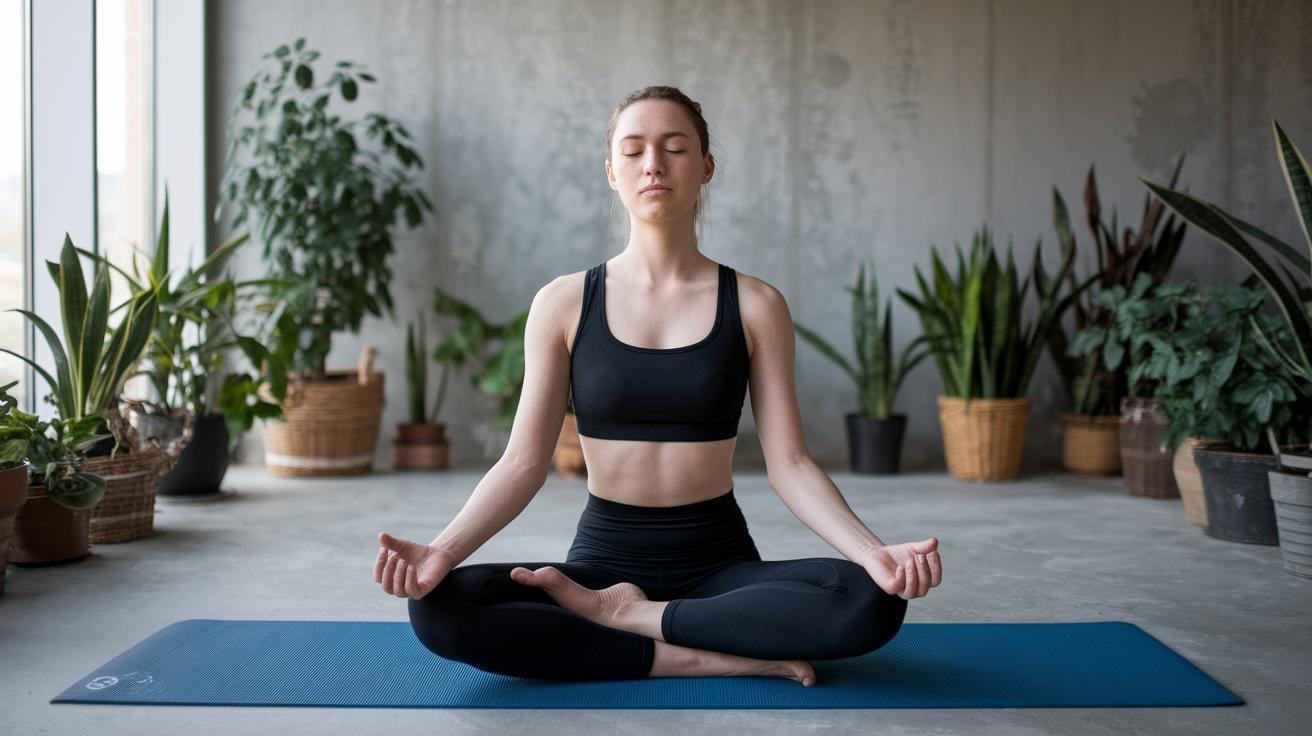
In addition to clear priorities, making time for mindful pauses can work wonders on tough days. Even a few moments of deep breathing can be like a reset button (learn more about mindful meditation here: https://greenjuicelife.com?p=723). Pair these short breaks with gentle movement, like a quick stretch or a brisk walk, to help regain your stability. These small, intentional actions enable you to get back on track whenever your day starts to feel overwhelming.

Stress Resilience Techniques for Finding Balance
img-1.jpg

Societal pressures to always appear calm can make us feel swamped. When we force ourselves to seem unruffled under stress, we often end up with hidden tension. This nonstop push to be “on” can throw off our natural balance and make stress tougher to handle. Building resilience helps you manage challenges like passive aggression (subtle hostility) or seasonal affective disorder (depression linked to seasonal changes) and reminds you that it’s perfectly fine to feel off sometimes.

  • Deep breathing: Taking slow, purposeful breaths helps settle your body and calm your mind.
  • Progressive muscle relaxation: Tighten your muscles and then release them to ease built-up tension.
  • Boundary setting: Clearly marking out your personal time can protect your energy and keep overload at bay.
  • Guided imagery: Imagining a peaceful scene can shift your focus and lessen mental strain.

When stress starts to feel overwhelming, consider trying self-assessment tests or talking with a professional. Options like talk therapy, online sessions, and support groups can offer extra help when everyday pressures are too heavy. Many major cities offer these services, including Austin, TX; Brooklyn, NY; Chicago, IL; Denver, CO; Houston, TX; Los Angeles, CA; New York, NY; Portland, OR; San Diego, CA; San Francisco, CA; Seattle, WA; Washington, DC; Atlanta, GA; and Sacramento, CA. For more mental wellness tips, have a look here: https://factcheckx.com?p=95.

Work-Life Synergy Approaches for Finding Balance

Gustavo Razzetti says, "You must keep moving," meaning that taking short breaks like standing stretches or a quick five-minute walk can clear your mind and refresh your body. Imagine this: right before a challenging meeting, a brisk walk helps you shake off stress and start fresh. Adding these little moments to your everyday routine can keep your energy balanced all day long.

Creating a simple end-of-day ritual tells your brain that work is finished and it's time for yourself. Try turning off your email, tidying up your desk, and taking a few calm minutes for reflection or a short meditation. For example, once you shut down your computer, sit quietly for a moment to release the tension from work. Over time, this routine helps you gently move from professional tasks to well-deserved self-care.

Time Management and Daily Routines for Finding Balance

img-2.jpg

Time-blocking and habit-stacking form the core of a smooth daily routine. Time-blocking means setting aside specific chunks of your day for one task alone, which helps cut down distractions and boosts productivity. Habit-stacking is about adding a new practice right after something you already do, like doing five minutes of stretching immediately after you make your morning coffee. You can even try methods like Pomodoro, which splits your work into smaller pieces with planned breaks to keep you refreshed.

When unexpected tasks pop up, adding buffer slots into your schedule becomes a lifesaver. These short breaks give you a moment to reset so you don't feel overwhelmed. Instead of sticking to a strict timetable, having flexible time periods means you can adjust easily when life throws a curveball. This not only saves energy but also eases stress, letting you handle sudden duties while keeping your day on track.

Local support, like wellness classes and direct primary care, can further strengthen your daily routines. These community resources provide tailored advice and boost your healthy habits. They create a supportive space where you can practice consistency and keep an eye on your progress. If you're curious about little health tweaks to try out, check out some daily wellness tips for more ideas.

Self-Reflection Practices to Support Finding Balance

Self-awareness is the beginning of a balanced life. When you take a moment to check in with your thoughts and feelings, you can notice where changes might be needed. Knowing your strengths and the areas you want to improve makes it easier to set up simple habits that boost your well-being. Reflecting on your actions and emotions helps guide you toward choices that bring a calm, centered feeling.

There are several simple self-assessments that can help clear things up. Tests for ADHD (attention issues), depression inventories (to spot signs of depression), anger-management quizzes (to understand your reactions), and emotional-intelligence scales (which look at social awareness) can offer useful insights into how you behave. These tools not only reveal patterns in your habits but also suggest small steps you can take. Imagine finding out that having a clear routine helps you thrive, or that short breaks can refresh your focus, it's like discovering everyday secrets that work for you.

If you need extra guidance, there are many resources available both in-person and online across major U.S. cities. Local therapists, support groups, and online programs offer ways to dive deeper into understanding who you are. These services give you a chance to explore your habits and adjust them in a way that supports a calm, balanced lifestyle.

Final Words

in the action steps we discussed show that achieving balance isn't about perfection. Rather, it's about adjusting your priorities, pausing for mindful breaks, and letting small movements re-center your day. These methods support adaptable time routines, stress resilience, and self-reflection practices that work together in finding balance. Each tip encourages flexible, practical changes that bring a steadier and positive rhythm to your life. Embrace these insights and take small steps toward a healthier future.

FAQ

Q: How do you find balance in life?

A: Finding balance in life involves recalibrating priorities, taking mindful pauses, and adjusting expectations when life feels overwhelming. These shifts can help restore a sense of equilibrium across different areas of your life.

Q: What does finding balance mean and which word represents it?

A: Finding balance means reaching a state of harmony where no single area of life dominates. Words like equilibrium and harmony capture this idea of maintaining order and stability.

Q: What is a finding balance book about?

A: A finding balance book typically offers clear strategies, personal stories, and science-backed tips to help readers create inner harmony and adjust daily practices for a more stable life.

Q: What does the finding balance bible refer to?

A: The finding balance bible refers to a comprehensive guide that combines practical methods and, at times, spiritual insights to support a balanced, resilient lifestyle.

Q: How is finding balance portrayed in Guild Wars 2?

A: In Guild Wars 2, finding balance often relates to achieving well-rounded character builds and gameplay strategies by effectively managing skills and choices for a smoother gaming experience.

Q: What are some popular finding balance quotes?

A: Popular finding balance quotes promote the importance of adapting, simplifying, and being present. They inspire reflective thinking and encourage small daily actions that contribute to well-being.

Q: How does psychology view finding balance?

A: Psychology views finding balance as creating mental steadiness by managing emotions, reducing stress, and adopting adaptive techniques that support overall mental and emotional health.

Q: What is discussed in the finding balance documentary?

A: The finding balance documentary explores real-life examples, expert insights, and practical methods people use to manage stress and create a more harmonious lifestyle.

Q: Why can’t I find balance in my life?

A: Not finding balance can be due to unclear priorities, excessive stress, or unrealistic expectations. Reassessing your daily routines and adjusting your goals can help bring back stability.

Ever wonder how to stay steady when life feels like a storm? When time slips away and the pressure to be perfect builds up, finding balance might seem impossible. But balance does not mean perfection. It naturally shifts with busy times and quiet moments. This article shares simple ways to set clear priorities and invite calm into your day. Have you ever noticed that even small, mindful changes can turn stress into a tool for a happier, smoother life?

Core Strategies for Finding Balance in Life

Chasing a picture-perfect balance can make you feel frustrated and stressed. Instead of trying to achieve flawlessness, think of balance as something that naturally shifts. Life isn’t a strict checklist of what you should do; it’s a journey with busy moments and peaceful pauses. Sometimes, stepping back for a moment can refresh your energy and help you feel more centered.

Start by setting realistic priorities. It’s important to figure out which tasks are essential and which ones are merely “nice-to-have.” Write down what you need to do, and then decide what really deserves your attention right away. Cutting back on extra commitments creates room for rest and self-care. After all, trying to tick off every single detail can leave you feeling burned out instead of balanced.

In addition to clear priorities, making time for mindful pauses can work wonders on tough days. Even a few moments of deep breathing can be like a reset button (learn more about mindful meditation here: https://greenjuicelife.com?p=723). Pair these short breaks with gentle movement, like a quick stretch or a brisk walk, to help regain your stability. These small, intentional actions enable you to get back on track whenever your day starts to feel overwhelming.

Stress Resilience Techniques for Finding Balance

img-1.jpg

Societal pressures to always appear calm can make us feel swamped. When we force ourselves to seem unruffled under stress, we often end up with hidden tension. This nonstop push to be “on” can throw off our natural balance and make stress tougher to handle. Building resilience helps you manage challenges like passive aggression (subtle hostility) or seasonal affective disorder (depression linked to seasonal changes) and reminds you that it’s perfectly fine to feel off sometimes.

  • Deep breathing: Taking slow, purposeful breaths helps settle your body and calm your mind.
  • Progressive muscle relaxation: Tighten your muscles and then release them to ease built-up tension.
  • Boundary setting: Clearly marking out your personal time can protect your energy and keep overload at bay.
  • Guided imagery: Imagining a peaceful scene can shift your focus and lessen mental strain.

When stress starts to feel overwhelming, consider trying self-assessment tests or talking with a professional. Options like talk therapy, online sessions, and support groups can offer extra help when everyday pressures are too heavy. Many major cities offer these services, including Austin, TX; Brooklyn, NY; Chicago, IL; Denver, CO; Houston, TX; Los Angeles, CA; New York, NY; Portland, OR; San Diego, CA; San Francisco, CA; Seattle, WA; Washington, DC; Atlanta, GA; and Sacramento, CA. For more mental wellness tips, have a look here: https://factcheckx.com?p=95.

Work-Life Synergy Approaches for Finding Balance

Gustavo Razzetti says, "You must keep moving," meaning that taking short breaks like standing stretches or a quick five-minute walk can clear your mind and refresh your body. Imagine this: right before a challenging meeting, a brisk walk helps you shake off stress and start fresh. Adding these little moments to your everyday routine can keep your energy balanced all day long.

Creating a simple end-of-day ritual tells your brain that work is finished and it's time for yourself. Try turning off your email, tidying up your desk, and taking a few calm minutes for reflection or a short meditation. For example, once you shut down your computer, sit quietly for a moment to release the tension from work. Over time, this routine helps you gently move from professional tasks to well-deserved self-care.

Time Management and Daily Routines for Finding Balance

img-2.jpg

Time-blocking and habit-stacking form the core of a smooth daily routine. Time-blocking means setting aside specific chunks of your day for one task alone, which helps cut down distractions and boosts productivity. Habit-stacking is about adding a new practice right after something you already do, like doing five minutes of stretching immediately after you make your morning coffee. You can even try methods like Pomodoro, which splits your work into smaller pieces with planned breaks to keep you refreshed.

When unexpected tasks pop up, adding buffer slots into your schedule becomes a lifesaver. These short breaks give you a moment to reset so you don't feel overwhelmed. Instead of sticking to a strict timetable, having flexible time periods means you can adjust easily when life throws a curveball. This not only saves energy but also eases stress, letting you handle sudden duties while keeping your day on track.

Local support, like wellness classes and direct primary care, can further strengthen your daily routines. These community resources provide tailored advice and boost your healthy habits. They create a supportive space where you can practice consistency and keep an eye on your progress. If you're curious about little health tweaks to try out, check out some daily wellness tips for more ideas.

Self-Reflection Practices to Support Finding Balance

Self-awareness is the beginning of a balanced life. When you take a moment to check in with your thoughts and feelings, you can notice where changes might be needed. Knowing your strengths and the areas you want to improve makes it easier to set up simple habits that boost your well-being. Reflecting on your actions and emotions helps guide you toward choices that bring a calm, centered feeling.

There are several simple self-assessments that can help clear things up. Tests for ADHD (attention issues), depression inventories (to spot signs of depression), anger-management quizzes (to understand your reactions), and emotional-intelligence scales (which look at social awareness) can offer useful insights into how you behave. These tools not only reveal patterns in your habits but also suggest small steps you can take. Imagine finding out that having a clear routine helps you thrive, or that short breaks can refresh your focus, it's like discovering everyday secrets that work for you.

If you need extra guidance, there are many resources available both in-person and online across major U.S. cities. Local therapists, support groups, and online programs offer ways to dive deeper into understanding who you are. These services give you a chance to explore your habits and adjust them in a way that supports a calm, balanced lifestyle.

Final Words

in the action steps we discussed show that achieving balance isn't about perfection. Rather, it's about adjusting your priorities, pausing for mindful breaks, and letting small movements re-center your day. These methods support adaptable time routines, stress resilience, and self-reflection practices that work together in finding balance. Each tip encourages flexible, practical changes that bring a steadier and positive rhythm to your life. Embrace these insights and take small steps toward a healthier future.

FAQ

Q: How do you find balance in life?

A: Finding balance in life involves recalibrating priorities, taking mindful pauses, and adjusting expectations when life feels overwhelming. These shifts can help restore a sense of equilibrium across different areas of your life.

Q: What does finding balance mean and which word represents it?

A: Finding balance means reaching a state of harmony where no single area of life dominates. Words like equilibrium and harmony capture this idea of maintaining order and stability.

Q: What is a finding balance book about?

A: A finding balance book typically offers clear strategies, personal stories, and science-backed tips to help readers create inner harmony and adjust daily practices for a more stable life.

Q: What does the finding balance bible refer to?

A: The finding balance bible refers to a comprehensive guide that combines practical methods and, at times, spiritual insights to support a balanced, resilient lifestyle.

Q: How is finding balance portrayed in Guild Wars 2?

A: In Guild Wars 2, finding balance often relates to achieving well-rounded character builds and gameplay strategies by effectively managing skills and choices for a smoother gaming experience.

Q: What are some popular finding balance quotes?

A: Popular finding balance quotes promote the importance of adapting, simplifying, and being present. They inspire reflective thinking and encourage small daily actions that contribute to well-being.

Q: How does psychology view finding balance?

A: Psychology views finding balance as creating mental steadiness by managing emotions, reducing stress, and adopting adaptive techniques that support overall mental and emotional health.

Q: What is discussed in the finding balance documentary?

A: The finding balance documentary explores real-life examples, expert insights, and practical methods people use to manage stress and create a more harmonious lifestyle.

Q: Why can’t I find balance in my life?

A: Not finding balance can be due to unclear priorities, excessive stress, or unrealistic expectations. Reassessing your daily routines and adjusting your goals can help bring back stability.

More from author

LEAVE A REPLY

Please enter your comment!
Please enter your name here

Related posts

Advertismentspot_img

Latest posts

How To Create A Daily Wellness Routine: Thriving

Curious about how to create a daily wellness routine that transforms your mornings and days? Read on as secrets await…

2 Daily Wellness Drink Tips For Radiance

Experience a daily wellness drink with natural herbs, green ingredients, and clinical backing that might change your routine forever, stay tuned.

Daily Wellness: Elevate Your Everyday Vitality

Daily wellness transforms everyday routines into mindful adjustments, merging nutrition, movement, and restorative sleep. What unforeseen practice awaits you next?

Want to stay up to date with the latest news?

We would love to hear from you! Please fill in your details and we will stay in touch. It's that simple!