Translational Research Methodology: Clear Insights

Have you ever wondered if a discovery made in a lab could turn into a treatment that saves lives every day? It really can, thanks to a process called translational research. This method moves breakthroughs from the lab, step by step, straight to patient care, much like a relay race where every handoff counts.

Each stage, from early experiments to real clinical tests, plays an important role in helping patients feel better. In this blog, you'll find clear insights on how careful testing and smart planning make it possible to transform fresh ideas into therapies that truly improve lives.

Defining Core Concepts in Translational Research Methodology

Translational research is all about taking breakthroughs from the lab and turning them into treatments and strategies that improve everyday health. It mixes the wonder of basic science with the practical side of clinical care, helping us understand diseases and create focused therapies. Think of it like building a bridge, from the neat experiments in a lab to the busy hallways of hospitals where real lives are touched.

At its core, this approach is like a relay race where discoveries move smoothly from one stage to the next. Early findings in a research lab spark ideas that then take shape in clinical trials and public health programs. And just like following a favorite recipe, researchers start with a clear question, design experiments to test their ideas, and then tweak those ideas into treatments that work in real life.

Each step of this process matters. It starts with a solid question, moves to hands-on experiments, and then transitions into practical trials that affect patient care. By linking skills from different fields, translational research breaks the barriers between theory and practice, making sure every piece of innovation ends up making a real difference for people.

In short, understanding translational research helps us see how scientific discoveries can grow into life-changing therapies that benefit patients every day.

Methodological Framework for Translational Research

img-1.jpg

Research in this field is like a lively bridge connecting the laboratory to real-world patient care. It all starts with preclinical protocol development, where scientists plan experiments using gene tests, special PCR techniques, and methods to extract DNA/RNA. At the very beginning, they study the detailed biology behind diseases, often by growing cells in a dish to see how they react. Later, when testing methods such as transfection (a way to deliver molecules into cells) and molecular tests, the lab turns into a busy workshop where ideas are refined and prepped for practical use.

Researchers follow a step-by-step approach. Early work centers on testing clear ideas in controlled settings where every result is checked for accuracy. Think of it as similar to the initial phase of a clinical trial, making sure everything is safe and reliable before moving on (clinical trial phases). At this stage, careful analysis helps figure out if the setup is good enough to move from a petri dish to treating patients.

Designing these experiments isn’t just about collecting data; it also means planning for any bumps along the way when transitioning from lab models to human studies. Scientists use advanced molecular tests to double-check their results, tweaking their methods based on what they find. This step-by-step process builds on solid scientific insights, ensuring a smooth ride from early lab work to patient care. In short, by moving steadily from initial cell tests to precise measurements and improved transfection techniques, the bench-to-bedside model boosts both safety and success.

Every phase is carefully thought out so that each transition is backed by scientific research and practical know-how. This careful planning turns basic discoveries into treatments that really help patients. Regular pilot studies keep the process on track and ready to handle any challenges, solidifying the framework that guides new therapies from the bench all the way to the bedside.

translational research methodology: Clear Insights

Case studies show us how new lab ideas turn into everyday medical tools. For example, consider the Leica LMD6 Laser Microdissection Microscope. This cool tool uses a smart laser design with flexible software to pick out specific areas from tissue. Whether it’s a big chunk or just one tiny chromosome, it makes it possible. Before laser microdissection existed, it was almost impossible to isolate single cells from busy tissues, which slowed down early cancer detection. Now, this microscope helps doctors catch cancer early by spotting tiny changes in cells.

Another neat example is molecular testing for infectious diseases. Labs mix techniques like TaqMan Real-Time PCR (a method that quickly amplifies DNA or RNA so we can detect tiny amounts of a virus) with proven DNA/RNA extraction processes. Imagine a lab isolating just a small virus sample from a patient’s tissue. This kind of precision means diagnoses happen faster and more accurately.

Special libraries full of case studies, notes, videos, and webinars help connect the dots from lab work to real patient care. Researchers and clinicians can dig into these collections to learn, improve, and refine how they turn basic discoveries into treatments.

Real-world examples like the Leica LMD6 show how careful research methods bring lab ideas into everyday medicine. They demonstrate that clear, hands-on research not only deepens our understanding but also sparks smart innovations – from early cancer detection to speedy diagnosis of infections.

Quality Metrics and Evaluation in Translational Research Methodology

img-2.jpg

New tech is changing how we measure quality by using smart stats and live digital data. Researchers aren’t sticking to old lab checkpoints; now, they use machine learning predictions to guide what comes next after a pilot study. Did you know an AI model once predicted a pilot study’s success with over 85% accuracy? It shows how modern methods can really forecast early results.

Today’s evaluation systems track how experiments perform over time instead of just counting basic numbers. Custom dashboards now show details like how long it takes to validate an experiment and unique reproducibility scores. Picture a setup where every experiment run gets an automatic score and a flag goes off if the results stray from the expected, prompting a quick check.

Recent case studies reveal that mixing old data with fresh outcomes makes evaluation standards even better. Researchers use new reproducibility criteria that combine clear checkpoints with context-specific hints. This way, quality and safety become part of every stage of a study, leading to a sharper look at experimental clarity and strength.

Blending these new methods with classic research techniques not only deepens the usual framework but also brings fresh insights into metric development and rigorous quality checks.

Integrating Digital Tools and Informatics in Translational Research Methodology

Digital platforms and data storage systems are now at the heart of turning lab experiments into real patient care. These tools, like the Comprehensive Informatics Resource Core (CIRC) and the Clinical Data Repository (AR-CDR), gather and sift through massive amounts of data in real time. They help researchers notice patterns early and tweak their methods quickly, so that breakthroughs make it to the clinic sooner.

By using digital health tech (digital health tech), labs can set up automated data channels and bioinformatics tools that boost accuracy while cutting down on manual work. Think of it like this: streamlined workflows let researchers compare molecular test results with patient outcomes to create treatments tailored just for them. Plus, handling big data in this way opens the door for predictive insights, which become essential as studies move from early testing to trials with humans.

Working together with health tech companies (health tech companies) makes a huge difference too. These partnerships bring in innovative software and hardware that simplify sharing information and refining tests. They even create detailed dashboards that track everything, from how well tests perform to how patients respond, making the whole research process clearer and easier to repeat.

In short, blending digital tools and informatics speeds up data collection and deepens analysis, which in turn makes sharing research results smoother. This tech upgrade not only bridges the gap between lab work and patient care but also sets the stage for the next wave of personalized medicine.

Collaborative Infrastructure for Translational Research Methodology

img-3.jpg

Collaboration is at the core of every breakthrough in translational research. Programs like the Pilot Award, the CORES Multi-Institutional Pilot Award, and the Team Science Voucher deliver vital funding and guidance, helping ideas travel from the lab right to patient care. These initiatives bring together scientists, clinicians, and public health experts as one united team.

Working with local communities is just as essential. Projects such as the CPEARL program and the FAITH network forge strong links between research centers and neighborhood organizations, ensuring that lab findings reach the people who need them most. By including community voices, researchers can fine-tune their strategies to meet everyday health challenges more effectively.

This strong network thrives on teamwork across different fields. Experts combine their skills, share data, and chat openly about their findings. It’s like putting together a puzzle, each piece adds clarity, turning innovative ideas into real-world solutions.

  • Pilot Award Program
  • CORES Multi-Institutional Pilot Award Program
  • Team Science Voucher Program
  • CPEARL program
  • FAITH network

Together, these collaborative efforts back every stage of the journey, from initial research to clinical care, thanks to a dedicated network of partners working hand in hand for better health outcomes.

Ethical and Regulatory Considerations in Translational Research Methodology
Ethical rules lie at the heart of moving discoveries from the lab to patient care. Informed consent makes sure everyone joining a study really understands what’s involved, and experts in ethics offer friendly advice when choices get tricky. Procedures like ethics consultations and data safety checks help keep experiments secure and in line with strict legal standards.

Data safety is another big deal. Researchers run regular checks and simple validations to catch problems early. For example, small teams focused on data safety watch the study progress to ensure risks stay low. This close oversight means every step from the lab to the patient is double-checked for accuracy and trustworthiness.

On top of that, services like grant writing support and practice review sessions work as helpful checkpoints. They guide scientists to plan clear steps and spot potential hurdles before the research moves to the next stage. By mixing strong ethical principles with careful reviews, the whole process stays on track while protecting everyone involved.

img-4.jpg

The field of translational research is taking exciting new turns. New lab techniques and digital innovations are making it easier to move discoveries from the lab right into patient care. Imagine a smart program that notices tiny changes in cells, kind of like spotting a hidden detail in a familiar painting. This hands-on, tech-powered approach means that breakthroughs can reach patients faster.

Next, the way research is done and taught is changing too. Today, practical resources such as case studies, videos, webinars, and easy-to-follow guides are becoming must-haves for both beginners and seasoned scientists. These tools not only offer step-by-step instructions but also point toward future trends, helping everyone stay current with the latest methods.

Looking ahead, we can expect even more smart tools in the research world. Think of real-time data systems that let researchers quickly adjust when surprises pop up, or instruments so precise they can detect minute changes in tissues. These innovations promise to boost the accuracy and consistency of scientific work, which could pave the way for better diagnostics and more personalized treatments.

Innovation
Real-time data analytics platforms
Highly sensitive instrumentation
Evolving educational resource libraries

Final Words

In the action, the article covered the journey from core concepts to practical lab-to-bedside techniques. We broke down how translational research methodology turns scientific insights into real-world solutions.

The post also showed how digital tools, collaborative networks, and strict ethical practices support a robust research process. Every step aims to build a healthier future for everyone. Keep moving forward with confidence and a positive outlook.

FAQ

Q: What are some examples of translational research?

A: Translational research examples highlight projects that convert lab discoveries into clinical treatments, such as using laser microdissection to target cancer cells for improved therapies.

Q: How does translational research differ from clinical research?

A: Translational research differs from clinical research by focusing on turning basic lab findings into real-world treatments, while clinical research tests these treatments in human subjects.

Q: How does translational research differ from applied research?

A: Translational research differs from applied research by emphasizing the shift of scientific discoveries into clinical use, whereas applied research often addresses practical problems using existing knowledge.

Q: What is the difference between translational science and translational research?

A: Translational science and translational research both aim to bring lab results into clinical action, with translational science often highlighting the systems and processes involved.

Q: What does translational mean in the context of research?

A: Translational in research means converting scientific insights from the laboratory into practical healthcare applications that directly improve patient outcomes.

Q: How is translational research different from basic research?

A: Translational research shifts discoveries from the lab into actionable treatments, while basic research focuses on understanding fundamental biological mechanisms for future applications.

Q: What defines a translational research journal?

A: A translational research journal publishes studies that detail methods for turning scientific discoveries into clinical applications, showcasing advances that bridge lab work and patient care.

Q: What does translational research in nursing involve?

A: Translational research in nursing focuses on applying scientific findings to clinical nursing practice, which enhances patient care with evidence-based methods.

Q: What methods are used in translational research?

A: Translational research methods involve systematic approaches such as preclinical studies, pilot trials, and practical implementation that move lab findings into effective treatments.

Q: What are the three types of translational research?

A: The three types include T1 research, which brings discoveries from the lab to initial clinical testing; T2 research, which applies clinical trial outcomes to everyday practice; and T3 research, which integrates treatments into public health settings.

Q: What does translation in research methodology mean?

A: Translation in research methodology means adapting scientific discoveries into practical clinical applications through measured experiments, evaluations, and protocol adjustments.

Q: Can you provide an example of translational research?

A: An example of translational research is using precise laser microdissection techniques to isolate cancer cells, leading to targeted therapies that improve treatment outcomes.

Have you ever wondered if a discovery made in a lab could turn into a treatment that saves lives every day? It really can, thanks to a process called translational research. This method moves breakthroughs from the lab, step by step, straight to patient care, much like a relay race where every handoff counts.

Each stage, from early experiments to real clinical tests, plays an important role in helping patients feel better. In this blog, you'll find clear insights on how careful testing and smart planning make it possible to transform fresh ideas into therapies that truly improve lives.

Defining Core Concepts in Translational Research Methodology

Translational research is all about taking breakthroughs from the lab and turning them into treatments and strategies that improve everyday health. It mixes the wonder of basic science with the practical side of clinical care, helping us understand diseases and create focused therapies. Think of it like building a bridge, from the neat experiments in a lab to the busy hallways of hospitals where real lives are touched.

At its core, this approach is like a relay race where discoveries move smoothly from one stage to the next. Early findings in a research lab spark ideas that then take shape in clinical trials and public health programs. And just like following a favorite recipe, researchers start with a clear question, design experiments to test their ideas, and then tweak those ideas into treatments that work in real life.

Each step of this process matters. It starts with a solid question, moves to hands-on experiments, and then transitions into practical trials that affect patient care. By linking skills from different fields, translational research breaks the barriers between theory and practice, making sure every piece of innovation ends up making a real difference for people.

In short, understanding translational research helps us see how scientific discoveries can grow into life-changing therapies that benefit patients every day.

Methodological Framework for Translational Research

img-1.jpg

Research in this field is like a lively bridge connecting the laboratory to real-world patient care. It all starts with preclinical protocol development, where scientists plan experiments using gene tests, special PCR techniques, and methods to extract DNA/RNA. At the very beginning, they study the detailed biology behind diseases, often by growing cells in a dish to see how they react. Later, when testing methods such as transfection (a way to deliver molecules into cells) and molecular tests, the lab turns into a busy workshop where ideas are refined and prepped for practical use.

Researchers follow a step-by-step approach. Early work centers on testing clear ideas in controlled settings where every result is checked for accuracy. Think of it as similar to the initial phase of a clinical trial, making sure everything is safe and reliable before moving on (clinical trial phases). At this stage, careful analysis helps figure out if the setup is good enough to move from a petri dish to treating patients.

Designing these experiments isn’t just about collecting data; it also means planning for any bumps along the way when transitioning from lab models to human studies. Scientists use advanced molecular tests to double-check their results, tweaking their methods based on what they find. This step-by-step process builds on solid scientific insights, ensuring a smooth ride from early lab work to patient care. In short, by moving steadily from initial cell tests to precise measurements and improved transfection techniques, the bench-to-bedside model boosts both safety and success.

Every phase is carefully thought out so that each transition is backed by scientific research and practical know-how. This careful planning turns basic discoveries into treatments that really help patients. Regular pilot studies keep the process on track and ready to handle any challenges, solidifying the framework that guides new therapies from the bench all the way to the bedside.

translational research methodology: Clear Insights

Case studies show us how new lab ideas turn into everyday medical tools. For example, consider the Leica LMD6 Laser Microdissection Microscope. This cool tool uses a smart laser design with flexible software to pick out specific areas from tissue. Whether it’s a big chunk or just one tiny chromosome, it makes it possible. Before laser microdissection existed, it was almost impossible to isolate single cells from busy tissues, which slowed down early cancer detection. Now, this microscope helps doctors catch cancer early by spotting tiny changes in cells.

Another neat example is molecular testing for infectious diseases. Labs mix techniques like TaqMan Real-Time PCR (a method that quickly amplifies DNA or RNA so we can detect tiny amounts of a virus) with proven DNA/RNA extraction processes. Imagine a lab isolating just a small virus sample from a patient’s tissue. This kind of precision means diagnoses happen faster and more accurately.

Special libraries full of case studies, notes, videos, and webinars help connect the dots from lab work to real patient care. Researchers and clinicians can dig into these collections to learn, improve, and refine how they turn basic discoveries into treatments.

Real-world examples like the Leica LMD6 show how careful research methods bring lab ideas into everyday medicine. They demonstrate that clear, hands-on research not only deepens our understanding but also sparks smart innovations – from early cancer detection to speedy diagnosis of infections.

Quality Metrics and Evaluation in Translational Research Methodology

img-2.jpg

New tech is changing how we measure quality by using smart stats and live digital data. Researchers aren’t sticking to old lab checkpoints; now, they use machine learning predictions to guide what comes next after a pilot study. Did you know an AI model once predicted a pilot study’s success with over 85% accuracy? It shows how modern methods can really forecast early results.

Today’s evaluation systems track how experiments perform over time instead of just counting basic numbers. Custom dashboards now show details like how long it takes to validate an experiment and unique reproducibility scores. Picture a setup where every experiment run gets an automatic score and a flag goes off if the results stray from the expected, prompting a quick check.

Recent case studies reveal that mixing old data with fresh outcomes makes evaluation standards even better. Researchers use new reproducibility criteria that combine clear checkpoints with context-specific hints. This way, quality and safety become part of every stage of a study, leading to a sharper look at experimental clarity and strength.

Blending these new methods with classic research techniques not only deepens the usual framework but also brings fresh insights into metric development and rigorous quality checks.

Integrating Digital Tools and Informatics in Translational Research Methodology

Digital platforms and data storage systems are now at the heart of turning lab experiments into real patient care. These tools, like the Comprehensive Informatics Resource Core (CIRC) and the Clinical Data Repository (AR-CDR), gather and sift through massive amounts of data in real time. They help researchers notice patterns early and tweak their methods quickly, so that breakthroughs make it to the clinic sooner.

By using digital health tech (digital health tech), labs can set up automated data channels and bioinformatics tools that boost accuracy while cutting down on manual work. Think of it like this: streamlined workflows let researchers compare molecular test results with patient outcomes to create treatments tailored just for them. Plus, handling big data in this way opens the door for predictive insights, which become essential as studies move from early testing to trials with humans.

Working together with health tech companies (health tech companies) makes a huge difference too. These partnerships bring in innovative software and hardware that simplify sharing information and refining tests. They even create detailed dashboards that track everything, from how well tests perform to how patients respond, making the whole research process clearer and easier to repeat.

In short, blending digital tools and informatics speeds up data collection and deepens analysis, which in turn makes sharing research results smoother. This tech upgrade not only bridges the gap between lab work and patient care but also sets the stage for the next wave of personalized medicine.

Collaborative Infrastructure for Translational Research Methodology

img-3.jpg

Collaboration is at the core of every breakthrough in translational research. Programs like the Pilot Award, the CORES Multi-Institutional Pilot Award, and the Team Science Voucher deliver vital funding and guidance, helping ideas travel from the lab right to patient care. These initiatives bring together scientists, clinicians, and public health experts as one united team.

Working with local communities is just as essential. Projects such as the CPEARL program and the FAITH network forge strong links between research centers and neighborhood organizations, ensuring that lab findings reach the people who need them most. By including community voices, researchers can fine-tune their strategies to meet everyday health challenges more effectively.

This strong network thrives on teamwork across different fields. Experts combine their skills, share data, and chat openly about their findings. It’s like putting together a puzzle, each piece adds clarity, turning innovative ideas into real-world solutions.

  • Pilot Award Program
  • CORES Multi-Institutional Pilot Award Program
  • Team Science Voucher Program
  • CPEARL program
  • FAITH network

Together, these collaborative efforts back every stage of the journey, from initial research to clinical care, thanks to a dedicated network of partners working hand in hand for better health outcomes.

Ethical and Regulatory Considerations in Translational Research Methodology

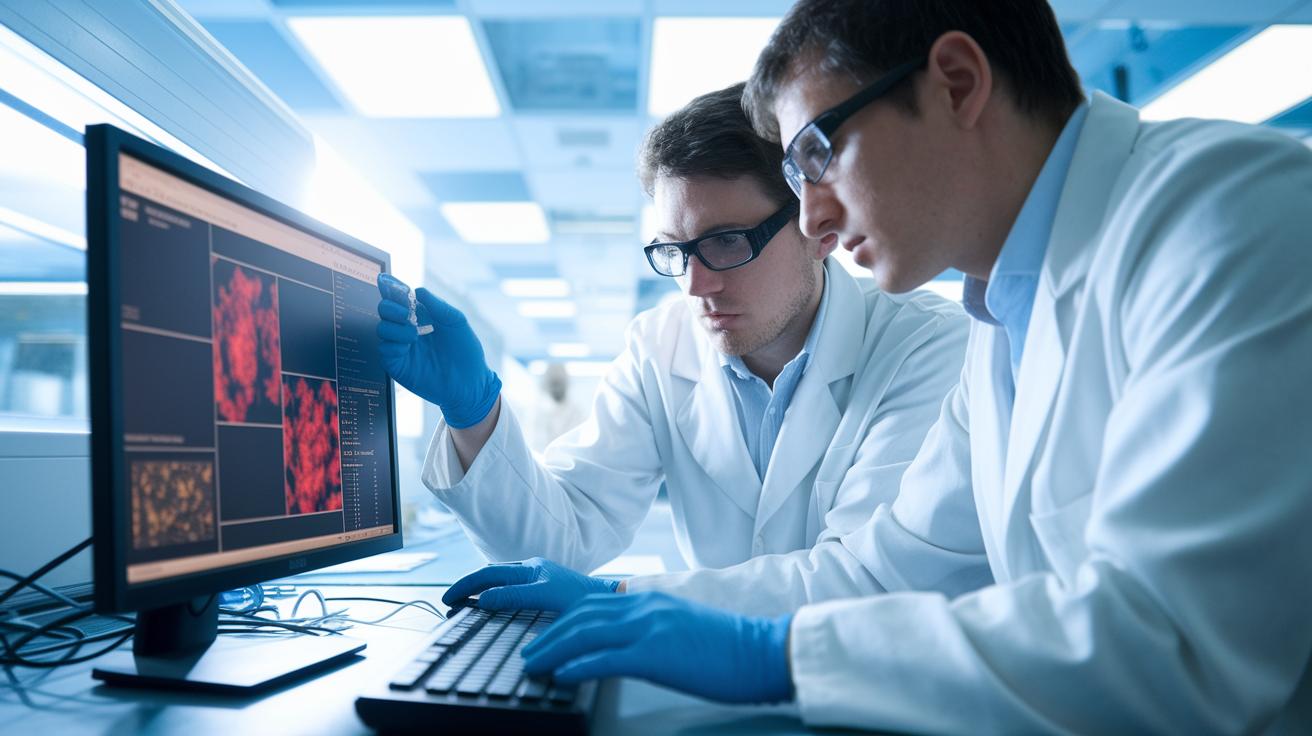
Ethical rules lie at the heart of moving discoveries from the lab to patient care. Informed consent makes sure everyone joining a study really understands what’s involved, and experts in ethics offer friendly advice when choices get tricky. Procedures like ethics consultations and data safety checks help keep experiments secure and in line with strict legal standards.

Data safety is another big deal. Researchers run regular checks and simple validations to catch problems early. For example, small teams focused on data safety watch the study progress to ensure risks stay low. This close oversight means every step from the lab to the patient is double-checked for accuracy and trustworthiness.

On top of that, services like grant writing support and practice review sessions work as helpful checkpoints. They guide scientists to plan clear steps and spot potential hurdles before the research moves to the next stage. By mixing strong ethical principles with careful reviews, the whole process stays on track while protecting everyone involved.

img-4.jpg

The field of translational research is taking exciting new turns. New lab techniques and digital innovations are making it easier to move discoveries from the lab right into patient care. Imagine a smart program that notices tiny changes in cells, kind of like spotting a hidden detail in a familiar painting. This hands-on, tech-powered approach means that breakthroughs can reach patients faster.

Next, the way research is done and taught is changing too. Today, practical resources such as case studies, videos, webinars, and easy-to-follow guides are becoming must-haves for both beginners and seasoned scientists. These tools not only offer step-by-step instructions but also point toward future trends, helping everyone stay current with the latest methods.

Looking ahead, we can expect even more smart tools in the research world. Think of real-time data systems that let researchers quickly adjust when surprises pop up, or instruments so precise they can detect minute changes in tissues. These innovations promise to boost the accuracy and consistency of scientific work, which could pave the way for better diagnostics and more personalized treatments.

Innovation
Real-time data analytics platforms
Highly sensitive instrumentation
Evolving educational resource libraries

Final Words

In the action, the article covered the journey from core concepts to practical lab-to-bedside techniques. We broke down how translational research methodology turns scientific insights into real-world solutions.

The post also showed how digital tools, collaborative networks, and strict ethical practices support a robust research process. Every step aims to build a healthier future for everyone. Keep moving forward with confidence and a positive outlook.

FAQ

Q: What are some examples of translational research?

A: Translational research examples highlight projects that convert lab discoveries into clinical treatments, such as using laser microdissection to target cancer cells for improved therapies.

Q: How does translational research differ from clinical research?

A: Translational research differs from clinical research by focusing on turning basic lab findings into real-world treatments, while clinical research tests these treatments in human subjects.

Q: How does translational research differ from applied research?

A: Translational research differs from applied research by emphasizing the shift of scientific discoveries into clinical use, whereas applied research often addresses practical problems using existing knowledge.

Q: What is the difference between translational science and translational research?

A: Translational science and translational research both aim to bring lab results into clinical action, with translational science often highlighting the systems and processes involved.

Q: What does translational mean in the context of research?

A: Translational in research means converting scientific insights from the laboratory into practical healthcare applications that directly improve patient outcomes.

Q: How is translational research different from basic research?

A: Translational research shifts discoveries from the lab into actionable treatments, while basic research focuses on understanding fundamental biological mechanisms for future applications.

Q: What defines a translational research journal?

A: A translational research journal publishes studies that detail methods for turning scientific discoveries into clinical applications, showcasing advances that bridge lab work and patient care.

Q: What does translational research in nursing involve?

A: Translational research in nursing focuses on applying scientific findings to clinical nursing practice, which enhances patient care with evidence-based methods.

Q: What methods are used in translational research?

A: Translational research methods involve systematic approaches such as preclinical studies, pilot trials, and practical implementation that move lab findings into effective treatments.

Q: What are the three types of translational research?

A: The three types include T1 research, which brings discoveries from the lab to initial clinical testing; T2 research, which applies clinical trial outcomes to everyday practice; and T3 research, which integrates treatments into public health settings.

Q: What does translation in research methodology mean?

A: Translation in research methodology means adapting scientific discoveries into practical clinical applications through measured experiments, evaluations, and protocol adjustments.

Q: Can you provide an example of translational research?

A: An example of translational research is using precise laser microdissection techniques to isolate cancer cells, leading to targeted therapies that improve treatment outcomes.

More from author

LEAVE A REPLY

Please enter your comment!
Please enter your name here

Related posts

Advertismentspot_img

Latest posts

How To Create A Daily Wellness Routine: Thriving

Curious about how to create a daily wellness routine that transforms your mornings and days? Read on as secrets await…

2 Daily Wellness Drink Tips For Radiance

Experience a daily wellness drink with natural herbs, green ingredients, and clinical backing that might change your routine forever, stay tuned.

Daily Wellness: Elevate Your Everyday Vitality

Daily wellness transforms everyday routines into mindful adjustments, merging nutrition, movement, and restorative sleep. What unforeseen practice awaits you next?

Want to stay up to date with the latest news?

We would love to hear from you! Please fill in your details and we will stay in touch. It's that simple!