Nutritional Strategies For Hormonal Balance Spark Joy

Ever thought your meals might be the secret to a balanced day? Picture each bite as part of a cheerful tune that helps your body work smoothly. Focusing on proteins, healthy fats, fiber, and antioxidants creates the perfect setting for your hormones to do their job. Eating at the right times feels like having a good friend by your side, keeping you energized and clear-minded. In short, planning your meals with care can let food support you in the simplest, most natural way.

Core Nutritional Strategies for Achieving Hormonal Balance

Eating well plays a big role in keeping your hormones steady, it influences levels of estrogen, progesterone, thyroid hormones, cortisol, and insulin. Imagine your body as a finely tuned orchestra, where every meal sets a rhythm that helps these vital chemicals perform in harmony.

When you plan your day around balanced meals and mindful nutrient timing, it's like giving your hormones the right kind of support. Think back to a time when a satisfying meal left you feeling energized and clear-headed. That’s the powerful effect of timing and balance working together.

Here are some key ideas to keep in mind:

  • Adequate high-quality protein with every meal
  • Healthy fats, such as omega-3 and monounsaturated fats
  • Fiber-rich whole foods
  • A diverse mix of antioxidants and micronutrients
  • Eating patterns that help reduce inflammation

When these components come together, they create an ideal setting for your hormones to do their job. Protein offers the amino acids needed to form hormone building blocks, while healthy fats contribute to strong cell membranes where these hormones are produced. Fiber supports better insulin sensitivity and nurtures good gut health, and antioxidants along with micronutrients protect delicate hormonal pathways. In short, adopting these consistent dietary habits helps manage cortisol and insulin levels, fostering a balanced and resilient endocrine system.

Balancing Macronutrients and Nutrient Timing for Endocrine Wellness
img-1.jpg

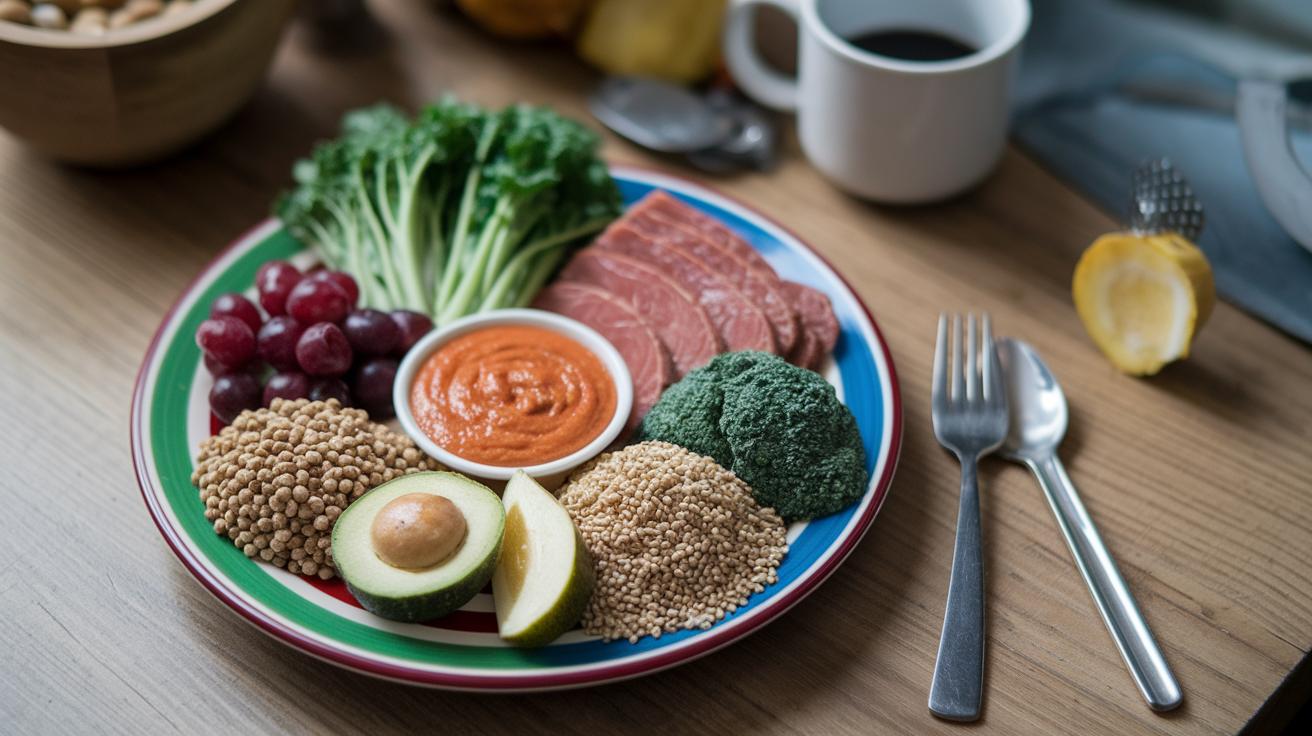
Eating small, frequent meals that balance proteins, fats, and low-glycemic carbohydrates helps keep your blood sugar steady and can even lower stress hormone levels. By planning your meal times carefully, you ensure your body always has a steady fuel supply, paving the way for smooth hormone balance and healthy endocrine function.

Protein’s Role in Hormone Synthesis

Protein gives you the essential amino acids your body needs to build hormones. When you include about 20–30 grams of protein in each meal, it supports the production of hormones related to your thyroid, adrenal, and reproductive systems, ensuring your cells can communicate effectively.

Carbohydrates for Blood Sugar Control

Choosing low-glycemic carbohydrates like whole grains, legumes, and vegetables releases energy slowly and helps improve insulin sensitivity. This approach can prevent sudden blood sugar spikes and keeps your daily energy levels consistent.

Healthy Fats in Endocrine Function

Healthy fats, such as omega-3s and monounsaturated fats, keep your cell membranes strong and promote anti-inflammatory signals. They help slow down the absorption of glucose and maintain stable energy levels, which are key for a well-balanced hormonal system.

Meal Frequency and Timing

Eating smaller, balanced meals at regular intervals syncs up with your body’s natural rhythms. This routine not only helps manage caffeine and cortisol spikes but also keeps a constant stream of fuel flowing through your body, supporting smooth and efficient hormone function.

Essential Micronutrients and Phytoactives for Hormonal Support

When you include foods rich in specific vitamins, minerals, and plant compounds in your diet, you're giving your body the right tools to keep its hormones balanced. These vital nutrients help manage insulin, support a healthy thyroid, and keep reproductive hormones in check. Adding enough of these elements into your regular meals can help your body run smoothly and boost your overall metabolic health.

Following proven daily dose guidelines sets the stage for your body to create, balance, and regulate hormones effectively. Every nutrient has its own role, whether it's energizing your metabolism or reducing cell stress. Even naturally occurring compounds like phytoestrogens can ease the little ups and downs that come with hormonal shifts.

  1. Vitamin D (1,000–2,000 IU/day): Helps manage insulin levels and balance reproductive hormones.
  2. Magnesium (200–400 mg/day): Supports the control of stress hormones and helps your thyroid convert hormones properly.
  3. B-vitamin complex: Boosts energy metabolism and keeps essential brain chemicals in balance.
  4. Selenium (55 µg/day): Vital for making thyroid hormones and supporting key enzyme functions.
  5. Zinc (8–11 mg/day): Crucial for optimal thyroid activity and overall hormone production.
  6. Omega-3 fatty acids (2–3 g EPA/DHA): Strengthen cell membranes where your hormones are produced.
  7. Phytoestrogens (found in foods like flaxseed and soy): May help ease menopausal symptoms by gently mimicking estrogen.
  8. Fiber from legumes, vegetables, and whole grains: Works with antioxidant-rich foods to sharpen your body’s insulin response and support hormonal harmony.

Together, these strategies build a solid nutritional foundation that keeps your endocrine system balanced and thriving.

Effective Dietary Patterns and Meal Planning for Hormone Equilibrium

img-2.jpg

Imagine a diet that feels like a sunlit Mediterranean afternoon. The Mediterranean-style protocol brings together extra-virgin olive oil, crunchy nuts, fresh fruits, vibrant vegetables, tender fish, and hearty legumes. These wholesome ingredients provide essential fats that help build the very cell membranes where hormones are made. Think of a crisp salad drizzled with olive oil and sprinkled with walnuts, the natural fats work to keep blood sugar steady and help reduce those pesky spikes that can stress your hormone levels. It’s a way of eating that gives you balanced nutrients and smooth, consistent energy throughout your day.

Now picture a plate filled mainly with whole, plant-based foods. This plant-focused approach is all about reaping the benefits of fiber, phytoestrogens (natural plant compounds that can influence estrogen levels), and antioxidants. Leafy greens, whole grains, and legumes team up to support both your hormone balance and your gut's health. And when you throw in prebiotic and probiotic foods like garlic, onions, asparagus, yogurt, or kefir, you’re really nurturing the good bacteria that help manage estrogen metabolism. Imagine a warm bowl of quinoa tossed with colorful vegetables and a sprinkle of flaxseeds, the flavors blending together in a natural harmony that supports smooth digestion and balanced hormones.

Sometimes all it takes is a little spice to set things right. That’s where anti-inflammatory meal templates come in. Think of recipes bursting with fresh produce and a pinch of spices like turmeric and ginger, which can help lower inflammatory markers and keep stress hormones like cortisol in check. Picture a lively stir-fry loaded with an array of vegetables, accented with just a dash of ginger and turmeric, each bite offering both zest and nourishment. In short, these meals not only delight your taste buds but also work quietly to calm inflammation and promote overall hormonal harmony.

Targeted Supplements and Adaptogenic Herbs in Hormone Regulation

Evidence-based supplement plans give your body targeted help to keep hormones naturally balanced. These choices deliver the key ingredients your body needs, from calming high estrogen to keeping stressed-out cortisol in check. For example, black cohosh is known to ease menopausal discomfort when taken at 20–40 mg twice a day. And with your doctor’s advice, DHEA at 5–25 mg a day supports both adrenal and reproductive hormones. Red clover isoflavones, recommended at 40–80 mg daily, help adjust estrogen levels in a gentle yet effective way.

Adaptogenic herbs add another layer of support by easing those stress-induced hormone spikes. Ashwagandha, taken at 300–500 mg of extract per day, is a great example. Plus, probiotics at 10 billion CFU a day help your gut and liver team up to manage estrogen metabolism. Together, these supplement strategies create a well-rounded plan that works hand in hand with a healthy diet and lifestyle to foster hormonal balance.

Supplement Daily Dose Primary Hormonal Benefit
Black cohosh 20–40 mg twice daily Menopausal symptom relief
DHEA 5–25 mg/day Supports adrenal and reproductive hormones
Red clover isoflavones 40–80 mg/day Estrogen modulation
Ashwagandha 300–500 mg extract/day Reduces cortisol, improves thyroid markers
Probiotics 10 billion CFU/day Regulates estrogen metabolism

Sample Hormone-Optimizing Meal Plans and Recipes
img-3.jpg

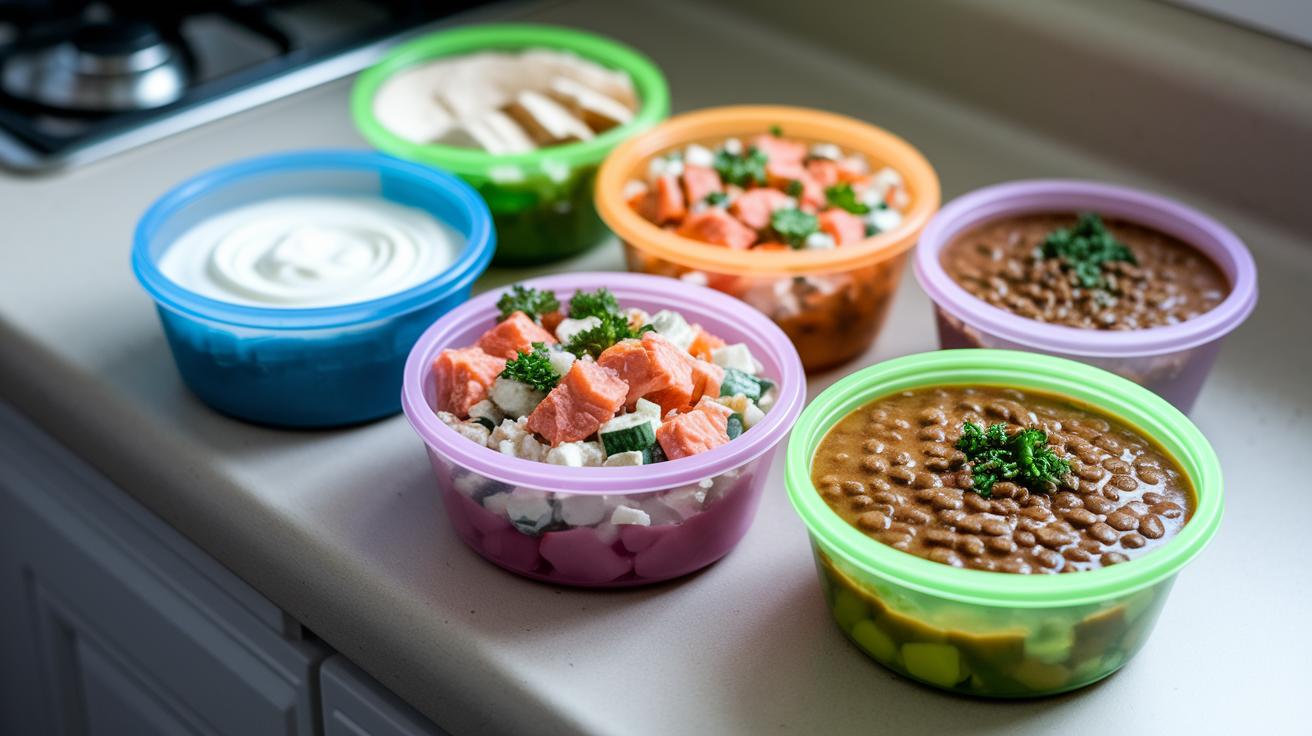
If you're aiming to rebalance your hormones and feel vibrant, a meal plan rich in nourishing ingredients could be the boost your body craves. A mix of protein, healthy fats, and carbohydrates not only keeps your energy stable but also ups your fiber intake and adds vital omega-3 fatty acids (fats that help your heart and brain). Every day, these plans bring together meals that work in concert with your body’s natural rhythm.

Imagine starting your day with a breakfast that truly supports your hormone health. Picture a bowl of Greek yogurt mixed with flaxseed and berries, each bite giving a gentle nudge to your hormone system. At lunchtime, a fresh plate of mixed greens topped with salmon and avocado continues to support balanced hormone production and aids in cell repair. A snack like apple slices with almond butter offers a quick lift of energy and nourishing fats, while dinner might feature a warm bowl of lentil stew paired with roasted veggies, rounding out your day perfectly.

On a different day, you might mix it up with a vegetable omelet and a slice of whole-grain toast to kickstart your morning. For lunch, try a colorful quinoa salad with chickpeas drizzled in olive oil. Later, a handful of walnuts along with a piece of dark chocolate makes for a satisfying afternoon snack, and dinner could be a turkey stir-fry with broccoli and brown rice that fills you with warmth and energy.

Day Meal Foods Macro Focus
Day 1 Breakfast, Lunch, Snack, Dinner Greek yogurt, flaxseed, berries; mixed greens, salmon, avocado; almond butter on apple; lentil stew, roasted veggies 25% protein, 35% fat, 40% carbohydrate; 20–30 g fiber; 2 g omega-3 EPA/DHA
Day 2 Breakfast, Lunch, Snack, Dinner Vegetable omelet, whole-grain toast; quinoa salad with chickpeas, olive oil; walnuts and dark chocolate; turkey stir-fry with broccoli, brown rice 25% protein, 35% fat, 40% carbohydrate; 20–30 g fiber; 2 g omega-3 EPA/DHA

This meal plan approach makes daily nutrition simple and flavorful. By hitting clear macro targets and blending them into delicious meals, you’re not only feeding your body but also supporting your endocrine system (the network that helps regulate your hormones) with every bite. Enjoy the journey to a more balanced, energized you!

Final Words

In the action, we explored how a balanced diet supports hormone regulation. The article covered core areas like macronutrients, micronutrients, targeted supplements, and meal plans that all work together to stabilize hormones while boosting overall wellness.

We saw how nutritional strategies for hormonal balance, like incorporating protein, healthy fats, fiber, antioxidants, and anti-inflammatory foods, can help manage chronic conditions and enhance day-to-day vitality. Stick with these practical tips and embrace a healthful routine for a brighter, balanced tomorrow.

FAQ

What foods balance hormones in females?

The foods that balance hormones in females include high-quality proteins, healthy fats, and fiber-rich whole foods that support optimal estrogen, progesterone, and insulin function.

What information does a hormone balancing diet plan PDF offer?

The hormone balancing diet plan PDF offers detailed guidelines on proper macro ratios, nutrient timing, and meal examples designed to promote steady hormone regulation.

How can you balance your hormones in a week and cure hormonal imbalance in females?

The steps to balance hormones quickly include eating balanced meals with lean proteins, healthy fats, and fiber, along with reducing processed foods, though long-term change often requires personalized guidance.

What vitamins and supplements help balance hormone levels and address nutrient deficiencies?

The vitamins and supplements for balancing hormones often include vitamin D, B vitamins, magnesium, and omega-3 fatty acids, which support hormone production and prevent nutrient deficiencies linked to imbalance.

What hormonal imbalance foods should be avoided?

The foods to avoid for hormonal balance are highly processed foods, refined sugars, and unhealthy fats that can trigger inflammation and disrupt insulin sensitivity.

How do you detox the body to improve hormone balance?

The method to detox and balance hormones involves boosting water and fiber intake, consuming antioxidant-rich produce, and supporting liver function to help clear excess toxins.

What is the best diet for hormonal balance?

The best diet for hormonal balance is similar to a Mediterranean pattern, emphasizing lean proteins, healthy fats, whole grains, fruits, and vegetables to support stable hormone production and regulation.

Ever thought your meals might be the secret to a balanced day? Picture each bite as part of a cheerful tune that helps your body work smoothly. Focusing on proteins, healthy fats, fiber, and antioxidants creates the perfect setting for your hormones to do their job. Eating at the right times feels like having a good friend by your side, keeping you energized and clear-minded. In short, planning your meals with care can let food support you in the simplest, most natural way.

Core Nutritional Strategies for Achieving Hormonal Balance

Eating well plays a big role in keeping your hormones steady, it influences levels of estrogen, progesterone, thyroid hormones, cortisol, and insulin. Imagine your body as a finely tuned orchestra, where every meal sets a rhythm that helps these vital chemicals perform in harmony.

When you plan your day around balanced meals and mindful nutrient timing, it's like giving your hormones the right kind of support. Think back to a time when a satisfying meal left you feeling energized and clear-headed. That’s the powerful effect of timing and balance working together.

Here are some key ideas to keep in mind:

  • Adequate high-quality protein with every meal
  • Healthy fats, such as omega-3 and monounsaturated fats
  • Fiber-rich whole foods
  • A diverse mix of antioxidants and micronutrients
  • Eating patterns that help reduce inflammation

When these components come together, they create an ideal setting for your hormones to do their job. Protein offers the amino acids needed to form hormone building blocks, while healthy fats contribute to strong cell membranes where these hormones are produced. Fiber supports better insulin sensitivity and nurtures good gut health, and antioxidants along with micronutrients protect delicate hormonal pathways. In short, adopting these consistent dietary habits helps manage cortisol and insulin levels, fostering a balanced and resilient endocrine system.

Balancing Macronutrients and Nutrient Timing for Endocrine Wellness

img-1.jpg

Eating small, frequent meals that balance proteins, fats, and low-glycemic carbohydrates helps keep your blood sugar steady and can even lower stress hormone levels. By planning your meal times carefully, you ensure your body always has a steady fuel supply, paving the way for smooth hormone balance and healthy endocrine function.

Protein’s Role in Hormone Synthesis

Protein gives you the essential amino acids your body needs to build hormones. When you include about 20–30 grams of protein in each meal, it supports the production of hormones related to your thyroid, adrenal, and reproductive systems, ensuring your cells can communicate effectively.

Carbohydrates for Blood Sugar Control

Choosing low-glycemic carbohydrates like whole grains, legumes, and vegetables releases energy slowly and helps improve insulin sensitivity. This approach can prevent sudden blood sugar spikes and keeps your daily energy levels consistent.

Healthy Fats in Endocrine Function

Healthy fats, such as omega-3s and monounsaturated fats, keep your cell membranes strong and promote anti-inflammatory signals. They help slow down the absorption of glucose and maintain stable energy levels, which are key for a well-balanced hormonal system.

Meal Frequency and Timing

Eating smaller, balanced meals at regular intervals syncs up with your body’s natural rhythms. This routine not only helps manage caffeine and cortisol spikes but also keeps a constant stream of fuel flowing through your body, supporting smooth and efficient hormone function.

Essential Micronutrients and Phytoactives for Hormonal Support

When you include foods rich in specific vitamins, minerals, and plant compounds in your diet, you're giving your body the right tools to keep its hormones balanced. These vital nutrients help manage insulin, support a healthy thyroid, and keep reproductive hormones in check. Adding enough of these elements into your regular meals can help your body run smoothly and boost your overall metabolic health.

Following proven daily dose guidelines sets the stage for your body to create, balance, and regulate hormones effectively. Every nutrient has its own role, whether it's energizing your metabolism or reducing cell stress. Even naturally occurring compounds like phytoestrogens can ease the little ups and downs that come with hormonal shifts.

  1. Vitamin D (1,000–2,000 IU/day): Helps manage insulin levels and balance reproductive hormones.
  2. Magnesium (200–400 mg/day): Supports the control of stress hormones and helps your thyroid convert hormones properly.
  3. B-vitamin complex: Boosts energy metabolism and keeps essential brain chemicals in balance.
  4. Selenium (55 µg/day): Vital for making thyroid hormones and supporting key enzyme functions.
  5. Zinc (8–11 mg/day): Crucial for optimal thyroid activity and overall hormone production.
  6. Omega-3 fatty acids (2–3 g EPA/DHA): Strengthen cell membranes where your hormones are produced.
  7. Phytoestrogens (found in foods like flaxseed and soy): May help ease menopausal symptoms by gently mimicking estrogen.
  8. Fiber from legumes, vegetables, and whole grains: Works with antioxidant-rich foods to sharpen your body’s insulin response and support hormonal harmony.

Together, these strategies build a solid nutritional foundation that keeps your endocrine system balanced and thriving.

Effective Dietary Patterns and Meal Planning for Hormone Equilibrium

img-2.jpg

Imagine a diet that feels like a sunlit Mediterranean afternoon. The Mediterranean-style protocol brings together extra-virgin olive oil, crunchy nuts, fresh fruits, vibrant vegetables, tender fish, and hearty legumes. These wholesome ingredients provide essential fats that help build the very cell membranes where hormones are made. Think of a crisp salad drizzled with olive oil and sprinkled with walnuts, the natural fats work to keep blood sugar steady and help reduce those pesky spikes that can stress your hormone levels. It’s a way of eating that gives you balanced nutrients and smooth, consistent energy throughout your day.

Now picture a plate filled mainly with whole, plant-based foods. This plant-focused approach is all about reaping the benefits of fiber, phytoestrogens (natural plant compounds that can influence estrogen levels), and antioxidants. Leafy greens, whole grains, and legumes team up to support both your hormone balance and your gut's health. And when you throw in prebiotic and probiotic foods like garlic, onions, asparagus, yogurt, or kefir, you’re really nurturing the good bacteria that help manage estrogen metabolism. Imagine a warm bowl of quinoa tossed with colorful vegetables and a sprinkle of flaxseeds, the flavors blending together in a natural harmony that supports smooth digestion and balanced hormones.

Sometimes all it takes is a little spice to set things right. That’s where anti-inflammatory meal templates come in. Think of recipes bursting with fresh produce and a pinch of spices like turmeric and ginger, which can help lower inflammatory markers and keep stress hormones like cortisol in check. Picture a lively stir-fry loaded with an array of vegetables, accented with just a dash of ginger and turmeric, each bite offering both zest and nourishment. In short, these meals not only delight your taste buds but also work quietly to calm inflammation and promote overall hormonal harmony.

Targeted Supplements and Adaptogenic Herbs in Hormone Regulation

Evidence-based supplement plans give your body targeted help to keep hormones naturally balanced. These choices deliver the key ingredients your body needs, from calming high estrogen to keeping stressed-out cortisol in check. For example, black cohosh is known to ease menopausal discomfort when taken at 20–40 mg twice a day. And with your doctor’s advice, DHEA at 5–25 mg a day supports both adrenal and reproductive hormones. Red clover isoflavones, recommended at 40–80 mg daily, help adjust estrogen levels in a gentle yet effective way.

Adaptogenic herbs add another layer of support by easing those stress-induced hormone spikes. Ashwagandha, taken at 300–500 mg of extract per day, is a great example. Plus, probiotics at 10 billion CFU a day help your gut and liver team up to manage estrogen metabolism. Together, these supplement strategies create a well-rounded plan that works hand in hand with a healthy diet and lifestyle to foster hormonal balance.

Supplement Daily Dose Primary Hormonal Benefit
Black cohosh 20–40 mg twice daily Menopausal symptom relief
DHEA 5–25 mg/day Supports adrenal and reproductive hormones
Red clover isoflavones 40–80 mg/day Estrogen modulation
Ashwagandha 300–500 mg extract/day Reduces cortisol, improves thyroid markers
Probiotics 10 billion CFU/day Regulates estrogen metabolism

Sample Hormone-Optimizing Meal Plans and Recipes

img-3.jpg

If you're aiming to rebalance your hormones and feel vibrant, a meal plan rich in nourishing ingredients could be the boost your body craves. A mix of protein, healthy fats, and carbohydrates not only keeps your energy stable but also ups your fiber intake and adds vital omega-3 fatty acids (fats that help your heart and brain). Every day, these plans bring together meals that work in concert with your body’s natural rhythm.

Imagine starting your day with a breakfast that truly supports your hormone health. Picture a bowl of Greek yogurt mixed with flaxseed and berries, each bite giving a gentle nudge to your hormone system. At lunchtime, a fresh plate of mixed greens topped with salmon and avocado continues to support balanced hormone production and aids in cell repair. A snack like apple slices with almond butter offers a quick lift of energy and nourishing fats, while dinner might feature a warm bowl of lentil stew paired with roasted veggies, rounding out your day perfectly.

On a different day, you might mix it up with a vegetable omelet and a slice of whole-grain toast to kickstart your morning. For lunch, try a colorful quinoa salad with chickpeas drizzled in olive oil. Later, a handful of walnuts along with a piece of dark chocolate makes for a satisfying afternoon snack, and dinner could be a turkey stir-fry with broccoli and brown rice that fills you with warmth and energy.

Day Meal Foods Macro Focus
Day 1 Breakfast, Lunch, Snack, Dinner Greek yogurt, flaxseed, berries; mixed greens, salmon, avocado; almond butter on apple; lentil stew, roasted veggies 25% protein, 35% fat, 40% carbohydrate; 20–30 g fiber; 2 g omega-3 EPA/DHA
Day 2 Breakfast, Lunch, Snack, Dinner Vegetable omelet, whole-grain toast; quinoa salad with chickpeas, olive oil; walnuts and dark chocolate; turkey stir-fry with broccoli, brown rice 25% protein, 35% fat, 40% carbohydrate; 20–30 g fiber; 2 g omega-3 EPA/DHA

This meal plan approach makes daily nutrition simple and flavorful. By hitting clear macro targets and blending them into delicious meals, you’re not only feeding your body but also supporting your endocrine system (the network that helps regulate your hormones) with every bite. Enjoy the journey to a more balanced, energized you!

Final Words

In the action, we explored how a balanced diet supports hormone regulation. The article covered core areas like macronutrients, micronutrients, targeted supplements, and meal plans that all work together to stabilize hormones while boosting overall wellness.

We saw how nutritional strategies for hormonal balance, like incorporating protein, healthy fats, fiber, antioxidants, and anti-inflammatory foods, can help manage chronic conditions and enhance day-to-day vitality. Stick with these practical tips and embrace a healthful routine for a brighter, balanced tomorrow.

FAQ

What foods balance hormones in females?

The foods that balance hormones in females include high-quality proteins, healthy fats, and fiber-rich whole foods that support optimal estrogen, progesterone, and insulin function.

What information does a hormone balancing diet plan PDF offer?

The hormone balancing diet plan PDF offers detailed guidelines on proper macro ratios, nutrient timing, and meal examples designed to promote steady hormone regulation.

How can you balance your hormones in a week and cure hormonal imbalance in females?

The steps to balance hormones quickly include eating balanced meals with lean proteins, healthy fats, and fiber, along with reducing processed foods, though long-term change often requires personalized guidance.

What vitamins and supplements help balance hormone levels and address nutrient deficiencies?

The vitamins and supplements for balancing hormones often include vitamin D, B vitamins, magnesium, and omega-3 fatty acids, which support hormone production and prevent nutrient deficiencies linked to imbalance.

What hormonal imbalance foods should be avoided?

The foods to avoid for hormonal balance are highly processed foods, refined sugars, and unhealthy fats that can trigger inflammation and disrupt insulin sensitivity.

How do you detox the body to improve hormone balance?

The method to detox and balance hormones involves boosting water and fiber intake, consuming antioxidant-rich produce, and supporting liver function to help clear excess toxins.

What is the best diet for hormonal balance?

The best diet for hormonal balance is similar to a Mediterranean pattern, emphasizing lean proteins, healthy fats, whole grains, fruits, and vegetables to support stable hormone production and regulation.

More from author

LEAVE A REPLY

Please enter your comment!
Please enter your name here

Related posts

Advertismentspot_img

Latest posts

How To Create A Daily Wellness Routine: Thriving

Curious about how to create a daily wellness routine that transforms your mornings and days? Read on as secrets await…

2 Daily Wellness Drink Tips For Radiance

Experience a daily wellness drink with natural herbs, green ingredients, and clinical backing that might change your routine forever, stay tuned.

Daily Wellness: Elevate Your Everyday Vitality

Daily wellness transforms everyday routines into mindful adjustments, merging nutrition, movement, and restorative sleep. What unforeseen practice awaits you next?

Want to stay up to date with the latest news?

We would love to hear from you! Please fill in your details and we will stay in touch. It's that simple!