Future Of Translational Research Energizes Clinical Impact

Can lab breakthroughs really change patient care right away? Translational research (the process of turning lab data into everyday treatments) is making this possible. Imagine a coach fine-tuning a game plan mid-match. New digital tools and smart analytics help doctors adjust treatments quickly and accurately. Supported by research from top centers, this method brings targeted care straight from the lab bench to the patient’s bedside.

Key Emerging Directions in Translational Research

Translational research is speeding ahead, turning lab discoveries into treatments that make a real difference for patients. Innovations like digital health tools and AI-powered decision helpers are at the heart of these changes. They take the complex data from clinical trials and shape it into care plans that work in everyday life. Imagine a trial where real-time results help adjust treatments on the fly, kind of like a coach tweaking a game plan as the match unfolds.

Milestones such as the NIH’s CTSA Consortium along with centers at Duke and the University of Pennsylvania have set the foundation for these advances. These initiatives have smoothed the journey from the lab bench to the patient’s bedside. Researchers now blend techniques like multi-omics biomarker analysis (which looks at various molecules to predict responses) with smart analytics, making treatments more targeted, speeding up research, and cutting costs at the same time.

We’re also seeing strong, cross-disciplinary teamwork in this field. Experts are teaming up to merge insights from molecular tests, imaging, and patient observations, all powered by advanced AI systems. This blend of data sharpens decision-making and paves the way for a future where personalized care is a daily reality. In short, this digital transformation is helping us deliver better treatments and healthier outcomes for everyone.

Emerging Medical Technologies in the Clinical Innovation Pipeline
img-1.jpg

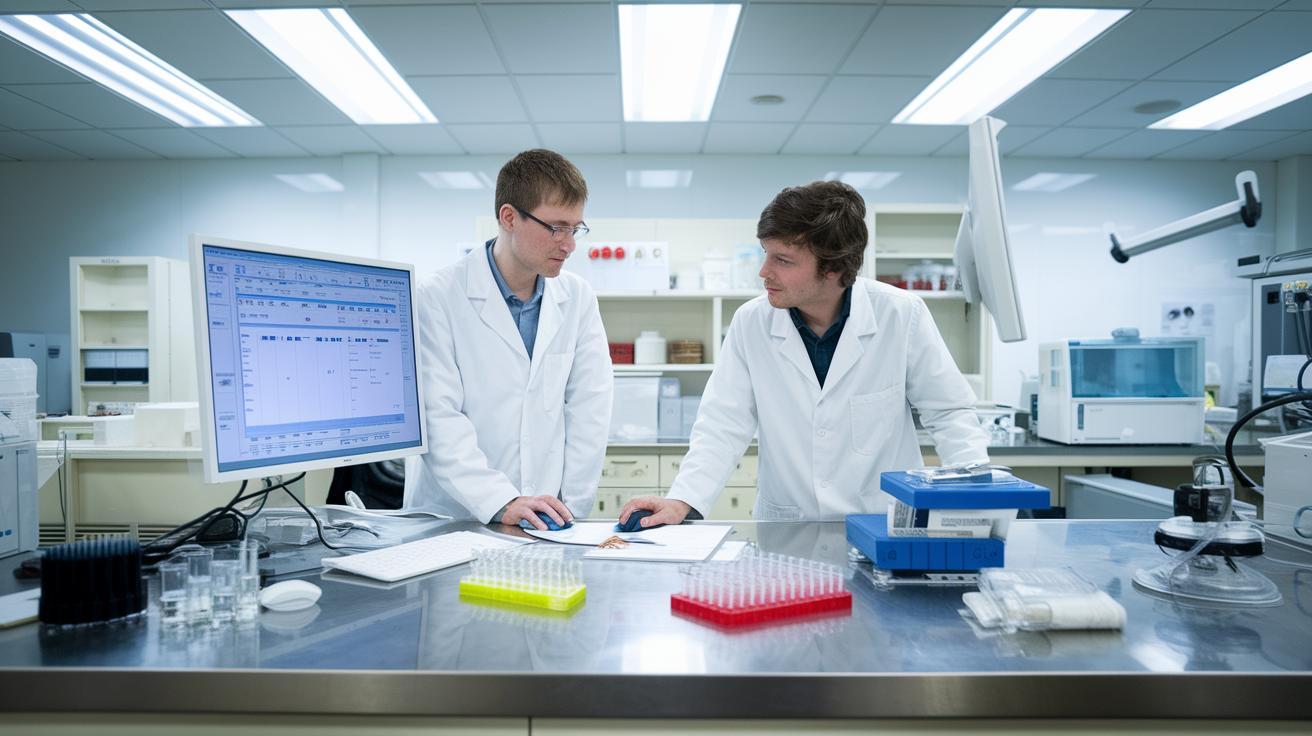
Last October, on the 26th and 27th, 2023, experts gathered at the Future Trends in Translational Medicine conference. They shared some really exciting breakthroughs that could change how we take care of patients. The event showcased advances like biophysical modelling and simulation (which means using computer tools to mimic real-life health processes), multimodal AI (smart systems that learn from different types of data), immunogenomics for cancer and infections (studying how our genes fight diseases), and cutting-edge neurodevelopmental research.

National labs and technology programs are working to speed up these innovations, helping them move from experiments in the lab to real treatments for patients. In short, this is setting the stage for a major shift in how we approach clinical care.

Here are some of the standout technologies:

  • AI-driven imaging platforms
  • High-throughput screening systems
  • Wearable monitoring devices
  • Multi-omics integration software
  • Advanced simulation models

These tools are not just ideas, they are actively changing clinical decision-making. For example, AI-driven imaging platforms can quickly and accurately review complex scans, helping doctors spot even the smallest signs of a problem. High-throughput screening systems speed up the discovery of new treatments, which means patients could get effective therapies faster. Technologies like digital health tools give doctors instant access to patient data, allowing them to adjust care plans in real time.

Wearable monitoring devices keep a constant check on a patient’s health, offering insights that lead to more personalized care. Meanwhile, multi-omics integration software collects data from different sources to create a full picture of a patient’s health, guiding smarter treatment choices. And advanced simulation models let researchers predict how patients might respond to new treatments, paving the way for better care strategies.

Together, these emerging medical technologies are cutting decision-making times, boosting accuracy, and helping create a more proactive and responsive healthcare system.

Next-generation sequencing (NGS) has completely changed how precision treatment works. It’s made genomic testing quick, efficient, and way more accessible. Recently, costs per sample have dropped 30%, while testing speed has increased by 50% compared to just five years ago. That means doctors can swiftly scan for genetic mutations to decide which patients might best respond to specific therapies. Imagine a treatment plan fine-tuned after NGS uncovers a rare mutation, it’s a real-life example of lab breakthroughs subtly transforming everyday care.

Immunogenomics is adding even more detail to treatment strategies. Research teams in the CTSA network are uncovering fresh biomarkers related to cancer and infections. By exploring how our immune system interacts with our genes, these studies detect signals that could predict disease behavior and treatment outcomes. It’s like an early warning system that nudges clinicians to notice small changes before they turn into bigger problems, leading to quicker, personalized interventions.

Multi-omics biomarker panels are further boosting diagnostic accuracy by combining insights from various biological layers, genomics, proteomics, and metabolomics, among others. This comprehensive approach gives doctors a full picture of a patient’s health, guiding them to choose the best possible therapy based on a unique mix of biomarkers. In short, every advance is a step closer to truly tailor-made care for each individual.

Adaptive Clinical Methodologies and Streamlined Trial Protocols

img-2.jpg

New trial designs are really shaking things up in clinical research. They’re speeding up how we care for patients and making trials more responsive to real-life needs. Based on tips from the CTSA Consortium, modern trials now blend different phases with quick check-ins and work across multiple centers. This fresh approach can shorten study times by up to 25%. Plus, using everyday data from electronic health records helps fine-tune study plans and double-check results after treatments are approved. Simpler consent forms and remote monitoring have even trimmed recruitment times by about 15%, making trials kinder and more efficient for everyone involved.

Here are five standout features of these adaptive methods:

  • Seamless phase transitions – Moving directly from one trial stage to the next without unnecessary waits.
  • Bayesian interim analyses – Using smart statistical models to get early insights and fine-tune the study as it unfolds.
  • Remote enrollment – Letting participants join studies online, much like in decentralized clinical trials.
  • Real-time monitoring – Keeping an eye on how patients react as it happens so treatments can be adjusted quickly.
  • Integrated data systems – Combining various sources of information to make better decisions throughout the trial.

These adaptive clinical strategies are making a big difference. By cutting red tape and continually updating study plans with fresh patient data, trials become more finely tuned to real-world needs. This means that when new information pops up, studies stay robust and truly reflect the diverse patients they serve. Thanks to smoother phase transitions, insightful interim analyses, and easier remote participation, innovative treatments reach patients faster than ever before.

Interdisciplinary Collaboration Models and Funding Partnerships

Public–Private Funding Initiatives

Government and industry teams are joining forces, sharing both resources and expertise to drive new research ideas forward. Take Ontario, for example. Their life sciences plan filled a US$500 million funding gap, channeling much-needed cash into breakthrough research and innovative technology. In places like Saudi Arabia, you can see smart, structured planning at work, teams map out who’s involved, detail the financial plans, and set clear rules to manage the partnerships. These projects not only spark early discoveries but also speed up their journey into everyday clinical care. When public and private interests align, money flows steadily, boosting real clinical results and cutting-edge biomedical research.

Corporate Collaboration Structures

In the business world, companies are carefully selecting partners and managing those relationships every step of the way. Many research networks use easy-to-read performance scorecards to track progress and keep every team member accountable. This way, everyone, from universities and government agencies to private investors, can see how their contributions are turning into real clinical improvements. By setting up clear rules and shared goals, these partnerships build trust and transparency. Ultimately, this kind of teamwork transforms clinical insights into practical treatments that truly make a difference.

Regulatory Frameworks Evolution and Ethical Considerations

img-3.jpg

Translational research is moving fast, with new policies bridging the gap between lab discoveries and everyday patient care. Today’s rules focus on getting everyone involved, from industry experts and clinicians to community members, to ensure innovative treatments are supported by strong, clear guidelines. These new frameworks cover everything from company strategy and specific disease research to detailed product access plans, keeping every step of the lab-to-clinic path aligned with our modern needs.

At the same time, ethical review processes are keeping up with our increasingly global and flexible clinical trials. For instance, robust measures to protect data privacy and patient rights are now built into every stage, from securing informed consent to remote monitoring and outcome checks. This continuous review helps maintain public trust by ensuring that new healthcare innovations are both effective and respectful of individual rights. In short, future policies are designed to blend scientific breakthroughs with strict ethical standards, benefiting both clinical progress and community well-being.

Predictive Analytics and Data-Driven Patient Care

Healthcare providers now enjoy integrative platforms that pull together insights from electronic health records, genomics, imaging studies, and digital biomarkers. Imagine it like putting together a puzzle: each piece helps form a full picture of someone’s health. A clinician might blend lab results, gene profiles, and scans to notice small changes that might otherwise get overlooked. This whole-picture approach sets a solid base for personalized care.

Smart machine learning models turn vast data sets into practical, real-life insights. By spotting patterns in patient data, these systems can predict outcomes with up to 85% accuracy when grouping patients. Plus, personalized performance scorecards pull together real-world evidence, guiding decisions on the spot. Think about an algorithm that flags patients likely to face complications, so the care team can step in early. This kind of predictive analytics helps make every step of care quicker and more effective.

Keeping track of digital biomarker trends and outcome measurements further refines clinical management. Constant monitoring lets doctors adjust treatments as the latest data comes in. It’s a move from just reacting to issues to anticipating them. For example, when emerging biomarker patterns signal a change, doctors can quickly tweak therapy. This proactive process ensures that treatment plans always align with the most current patient data, leading to better health outcomes.

Final Words

In the action, advanced approaches, digital innovations, and interdisciplinary partnerships are shaping better patient care. The blog captures breakthrough shifts from laboratory findings to real-world solutions through adaptive trials, biomarker discovery, and ethical oversight.

Each segment demonstrates how emerging technologies and strategic collaborations improve daily wellness. This clear blend of research and practical insights paves the way for a promising future of translational research. Stay inspired and keep informed.

FAQ

Frequently Asked Questions

Q: What is the impact factor of drug delivery and translational research 2025?

A: The impact factor indicates how frequently the journal’s articles are cited, reflecting its academic influence. Current figures should be verified from trusted indexing sources for the most up-to-date value.

Q: What are the three types of translational research?

A: The three types cover bench-to-bedside research, which turns lab discoveries into treatments; bedside-to-bench research, which informs lab work from clinical findings; and community-based research that applies results for broader public health.

Q: What is one major challenge in translational pharmacology?

A: A major challenge in translational pharmacology is effectively bridging complex lab discoveries with clinical practice, where variability in patient responses and reproducibility of results can complicate the process.

Q: What is the translational potential of research?

A: The translational potential of research refers to its ability to move discoveries from the lab into real-world clinical applications, ultimately improving patient outcomes and healthcare practices.

Can lab breakthroughs really change patient care right away? Translational research (the process of turning lab data into everyday treatments) is making this possible. Imagine a coach fine-tuning a game plan mid-match. New digital tools and smart analytics help doctors adjust treatments quickly and accurately. Supported by research from top centers, this method brings targeted care straight from the lab bench to the patient’s bedside.

Key Emerging Directions in Translational Research

Translational research is speeding ahead, turning lab discoveries into treatments that make a real difference for patients. Innovations like digital health tools and AI-powered decision helpers are at the heart of these changes. They take the complex data from clinical trials and shape it into care plans that work in everyday life. Imagine a trial where real-time results help adjust treatments on the fly, kind of like a coach tweaking a game plan as the match unfolds.

Milestones such as the NIH’s CTSA Consortium along with centers at Duke and the University of Pennsylvania have set the foundation for these advances. These initiatives have smoothed the journey from the lab bench to the patient’s bedside. Researchers now blend techniques like multi-omics biomarker analysis (which looks at various molecules to predict responses) with smart analytics, making treatments more targeted, speeding up research, and cutting costs at the same time.

We’re also seeing strong, cross-disciplinary teamwork in this field. Experts are teaming up to merge insights from molecular tests, imaging, and patient observations, all powered by advanced AI systems. This blend of data sharpens decision-making and paves the way for a future where personalized care is a daily reality. In short, this digital transformation is helping us deliver better treatments and healthier outcomes for everyone.

Emerging Medical Technologies in the Clinical Innovation Pipeline

img-1.jpg

Last October, on the 26th and 27th, 2023, experts gathered at the Future Trends in Translational Medicine conference. They shared some really exciting breakthroughs that could change how we take care of patients. The event showcased advances like biophysical modelling and simulation (which means using computer tools to mimic real-life health processes), multimodal AI (smart systems that learn from different types of data), immunogenomics for cancer and infections (studying how our genes fight diseases), and cutting-edge neurodevelopmental research.

National labs and technology programs are working to speed up these innovations, helping them move from experiments in the lab to real treatments for patients. In short, this is setting the stage for a major shift in how we approach clinical care.

Here are some of the standout technologies:

  • AI-driven imaging platforms
  • High-throughput screening systems
  • Wearable monitoring devices
  • Multi-omics integration software
  • Advanced simulation models

These tools are not just ideas, they are actively changing clinical decision-making. For example, AI-driven imaging platforms can quickly and accurately review complex scans, helping doctors spot even the smallest signs of a problem. High-throughput screening systems speed up the discovery of new treatments, which means patients could get effective therapies faster. Technologies like digital health tools give doctors instant access to patient data, allowing them to adjust care plans in real time.

Wearable monitoring devices keep a constant check on a patient’s health, offering insights that lead to more personalized care. Meanwhile, multi-omics integration software collects data from different sources to create a full picture of a patient’s health, guiding smarter treatment choices. And advanced simulation models let researchers predict how patients might respond to new treatments, paving the way for better care strategies.

Together, these emerging medical technologies are cutting decision-making times, boosting accuracy, and helping create a more proactive and responsive healthcare system.

Next-generation sequencing (NGS) has completely changed how precision treatment works. It’s made genomic testing quick, efficient, and way more accessible. Recently, costs per sample have dropped 30%, while testing speed has increased by 50% compared to just five years ago. That means doctors can swiftly scan for genetic mutations to decide which patients might best respond to specific therapies. Imagine a treatment plan fine-tuned after NGS uncovers a rare mutation, it’s a real-life example of lab breakthroughs subtly transforming everyday care.

Immunogenomics is adding even more detail to treatment strategies. Research teams in the CTSA network are uncovering fresh biomarkers related to cancer and infections. By exploring how our immune system interacts with our genes, these studies detect signals that could predict disease behavior and treatment outcomes. It’s like an early warning system that nudges clinicians to notice small changes before they turn into bigger problems, leading to quicker, personalized interventions.

Multi-omics biomarker panels are further boosting diagnostic accuracy by combining insights from various biological layers, genomics, proteomics, and metabolomics, among others. This comprehensive approach gives doctors a full picture of a patient’s health, guiding them to choose the best possible therapy based on a unique mix of biomarkers. In short, every advance is a step closer to truly tailor-made care for each individual.

Adaptive Clinical Methodologies and Streamlined Trial Protocols

img-2.jpg

New trial designs are really shaking things up in clinical research. They’re speeding up how we care for patients and making trials more responsive to real-life needs. Based on tips from the CTSA Consortium, modern trials now blend different phases with quick check-ins and work across multiple centers. This fresh approach can shorten study times by up to 25%. Plus, using everyday data from electronic health records helps fine-tune study plans and double-check results after treatments are approved. Simpler consent forms and remote monitoring have even trimmed recruitment times by about 15%, making trials kinder and more efficient for everyone involved.

Here are five standout features of these adaptive methods:

  • Seamless phase transitions – Moving directly from one trial stage to the next without unnecessary waits.
  • Bayesian interim analyses – Using smart statistical models to get early insights and fine-tune the study as it unfolds.
  • Remote enrollment – Letting participants join studies online, much like in decentralized clinical trials.
  • Real-time monitoring – Keeping an eye on how patients react as it happens so treatments can be adjusted quickly.
  • Integrated data systems – Combining various sources of information to make better decisions throughout the trial.

These adaptive clinical strategies are making a big difference. By cutting red tape and continually updating study plans with fresh patient data, trials become more finely tuned to real-world needs. This means that when new information pops up, studies stay robust and truly reflect the diverse patients they serve. Thanks to smoother phase transitions, insightful interim analyses, and easier remote participation, innovative treatments reach patients faster than ever before.

Interdisciplinary Collaboration Models and Funding Partnerships

Public–Private Funding Initiatives

Government and industry teams are joining forces, sharing both resources and expertise to drive new research ideas forward. Take Ontario, for example. Their life sciences plan filled a US$500 million funding gap, channeling much-needed cash into breakthrough research and innovative technology. In places like Saudi Arabia, you can see smart, structured planning at work, teams map out who’s involved, detail the financial plans, and set clear rules to manage the partnerships. These projects not only spark early discoveries but also speed up their journey into everyday clinical care. When public and private interests align, money flows steadily, boosting real clinical results and cutting-edge biomedical research.

Corporate Collaboration Structures

In the business world, companies are carefully selecting partners and managing those relationships every step of the way. Many research networks use easy-to-read performance scorecards to track progress and keep every team member accountable. This way, everyone, from universities and government agencies to private investors, can see how their contributions are turning into real clinical improvements. By setting up clear rules and shared goals, these partnerships build trust and transparency. Ultimately, this kind of teamwork transforms clinical insights into practical treatments that truly make a difference.

Regulatory Frameworks Evolution and Ethical Considerations

img-3.jpg

Translational research is moving fast, with new policies bridging the gap between lab discoveries and everyday patient care. Today’s rules focus on getting everyone involved, from industry experts and clinicians to community members, to ensure innovative treatments are supported by strong, clear guidelines. These new frameworks cover everything from company strategy and specific disease research to detailed product access plans, keeping every step of the lab-to-clinic path aligned with our modern needs.

At the same time, ethical review processes are keeping up with our increasingly global and flexible clinical trials. For instance, robust measures to protect data privacy and patient rights are now built into every stage, from securing informed consent to remote monitoring and outcome checks. This continuous review helps maintain public trust by ensuring that new healthcare innovations are both effective and respectful of individual rights. In short, future policies are designed to blend scientific breakthroughs with strict ethical standards, benefiting both clinical progress and community well-being.

Predictive Analytics and Data-Driven Patient Care

Healthcare providers now enjoy integrative platforms that pull together insights from electronic health records, genomics, imaging studies, and digital biomarkers. Imagine it like putting together a puzzle: each piece helps form a full picture of someone’s health. A clinician might blend lab results, gene profiles, and scans to notice small changes that might otherwise get overlooked. This whole-picture approach sets a solid base for personalized care.

Smart machine learning models turn vast data sets into practical, real-life insights. By spotting patterns in patient data, these systems can predict outcomes with up to 85% accuracy when grouping patients. Plus, personalized performance scorecards pull together real-world evidence, guiding decisions on the spot. Think about an algorithm that flags patients likely to face complications, so the care team can step in early. This kind of predictive analytics helps make every step of care quicker and more effective.

Keeping track of digital biomarker trends and outcome measurements further refines clinical management. Constant monitoring lets doctors adjust treatments as the latest data comes in. It’s a move from just reacting to issues to anticipating them. For example, when emerging biomarker patterns signal a change, doctors can quickly tweak therapy. This proactive process ensures that treatment plans always align with the most current patient data, leading to better health outcomes.

Final Words

In the action, advanced approaches, digital innovations, and interdisciplinary partnerships are shaping better patient care. The blog captures breakthrough shifts from laboratory findings to real-world solutions through adaptive trials, biomarker discovery, and ethical oversight.

Each segment demonstrates how emerging technologies and strategic collaborations improve daily wellness. This clear blend of research and practical insights paves the way for a promising future of translational research. Stay inspired and keep informed.

FAQ

Frequently Asked Questions

Q: What is the impact factor of drug delivery and translational research 2025?

A: The impact factor indicates how frequently the journal’s articles are cited, reflecting its academic influence. Current figures should be verified from trusted indexing sources for the most up-to-date value.

Q: What are the three types of translational research?

A: The three types cover bench-to-bedside research, which turns lab discoveries into treatments; bedside-to-bench research, which informs lab work from clinical findings; and community-based research that applies results for broader public health.

Q: What is one major challenge in translational pharmacology?

A: A major challenge in translational pharmacology is effectively bridging complex lab discoveries with clinical practice, where variability in patient responses and reproducibility of results can complicate the process.

Q: What is the translational potential of research?

A: The translational potential of research refers to its ability to move discoveries from the lab into real-world clinical applications, ultimately improving patient outcomes and healthcare practices.

More from author

LEAVE A REPLY

Please enter your comment!
Please enter your name here

Related posts

Advertismentspot_img

Latest posts

How To Create A Daily Wellness Routine: Thriving

Curious about how to create a daily wellness routine that transforms your mornings and days? Read on as secrets await…

2 Daily Wellness Drink Tips For Radiance

Experience a daily wellness drink with natural herbs, green ingredients, and clinical backing that might change your routine forever, stay tuned.

Daily Wellness: Elevate Your Everyday Vitality

Daily wellness transforms everyday routines into mindful adjustments, merging nutrition, movement, and restorative sleep. What unforeseen practice awaits you next?

Want to stay up to date with the latest news?

We would love to hear from you! Please fill in your details and we will stay in touch. It's that simple!