Have you ever thought that your meal could bring a little extra joy to your day while caring for our planet? Simple nutritional choices can make a big difference. When you reach for whole grains, fresh veggies, and plant proteins, you not only fuel your body but also help reduce harmful emissions.
Imagine a meal that not only fills your stomach but also feels like a gift back to nature. In this post, we're talking about how small, thoughtful changes in what you eat can brighten your table and nurture our world at the same time.
Key Nutritional Strategies to Achieve Sustainable Eating
Sustainable eating is about choosing foods grown in ways that care for our planet. It means supporting farming that protects our soil, water, and natural resources while keeping greenhouse gas emissions low. By focusing on vegetables, legumes, whole grains, nuts, and fruits, we naturally use fewer resources than when relying on meat-based foods.
This way of eating doesn’t just help our earth, it benefits our health too. Diets rich in plant-based ingredients can lower risks for issues like high blood pressure and even help you save money. When you choose foods that nurture both your body and our environment, you're building a lifestyle that values personal well-being and a healthier climate.
Here are a few simple tips to guide your choices:
- Prioritize plant-based proteins to fuel energy and support tissue repair.
- Add whole grains to aid digestion and keep your belly happy.
- Practice mindful portion control to enjoy each bite without overeating.
- Swap red meat for legumes to help reduce harmful methane emissions.
- Emphasize fiber-rich foods to feel full longer and boost gut health.
- Cut back on processed items so you can fully enjoy natural nutrients.
- Incorporate a variety of plants to support environmental resilience.
- Include anti-inflammatory ingredients to maintain balanced metabolic health.
These strategies work together to create a balanced eating plan that not only boosts your health but also lightens your ecological footprint. With every meal, you're doing a bit of good, nurturing yourself while caring for the world around you.
Building a Balanced Diet Blueprint for Sustainable Nutrition
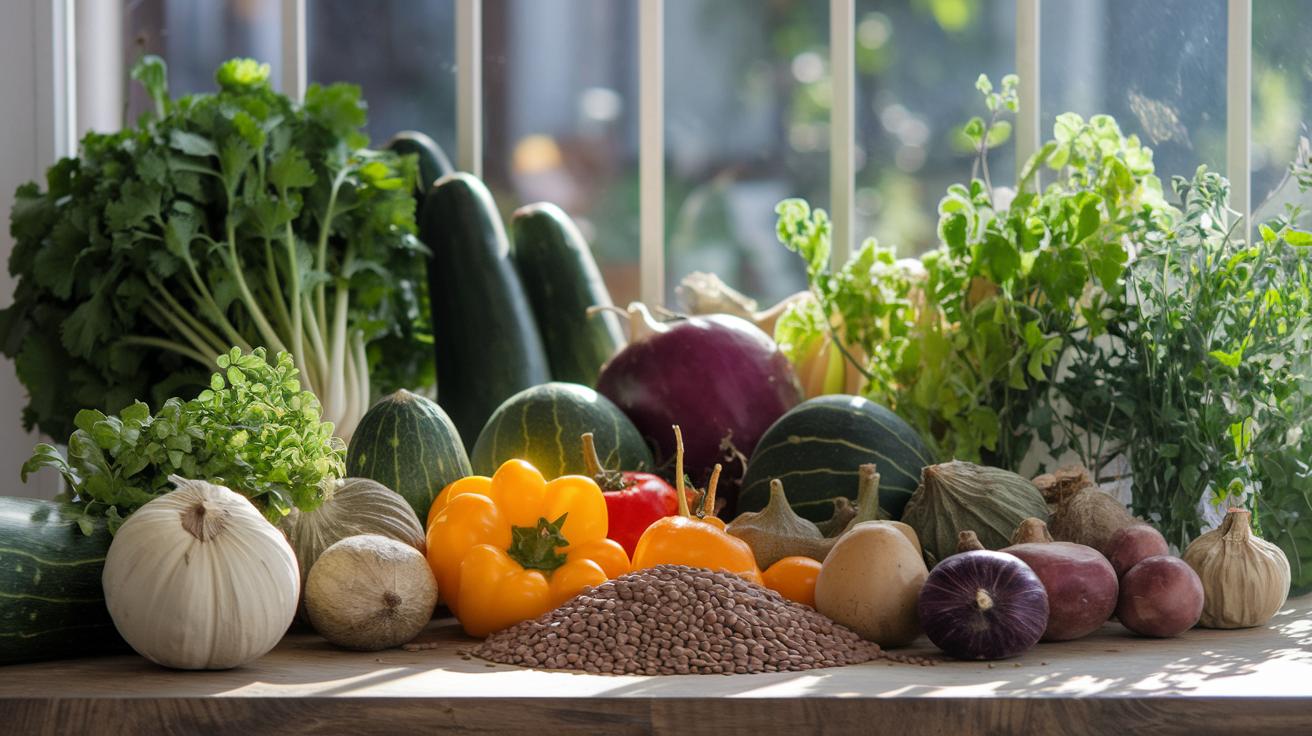
Imagine planning your meals in a way that not only nourishes your body but also cares for our planet. This blueprint is all about choosing foods packed with nutrients that come with a low cost to the environment. Think whole grains and fiber-rich foods, they help keep your digestion happy and use fewer resources than their refined counterparts. By picking foods made with sustainable practices, you’re setting up your plate with ingredients like legumes that help keep your blood sugar steady while giving you a wholesome, satisfying meal.
Core Plate Components
- Vegetables: Bright and fresh produce loaded with essential vitamins and antioxidants.
- Legumes: Versatile beans and lentils that are rich in protein and gentle on our earth.
- Whole Grains: Nutritious choices that support healthy digestion and steady energy.
- Healthy Fats: Nuts and seeds that bring heart-friendly benefits.
- Moderate Fruits: A perfect balance of natural sweetness, fiber, and vitamins.
Mix in foods that are low on the glycemic index and fight inflammation, like leafy greens, berries, and nuts, to boost your overall health. As you blend these ingredients into your meals throughout the week, you’re not just cooking; you’re creating dishes that are both nourishing and kind to the world around us. Enjoy every bite as a step toward a more sustainable lifestyle.
Ethical Food Sourcing and Organic Selection in Sustainable Eating
We're all in this together when it comes to protecting our planet. When food is sourced with care, it helps ease the stress on our environment. For example, did you know that agriculture is responsible for nearly 40% of global methane emissions? That extra methane, especially from livestock and rice farming, can make crops struggle and threaten our food supply. By choosing foods grown responsibly, you're supporting local communities while also preserving nature’s resources.
Many farmers now follow organic or regenerative practices. These time-honored techniques help soil breathe and save water, reducing the number of harsh chemicals we rely on. It’s similar to adding a handful of fresh basil to a recipe, the natural goodness brightens up your dish and nourishes you too. In short, these methods lower food production’s carbon footprint and keep the earth a little happier.
There's also a growing trend in community-supported agriculture. This model connects you directly with local growers, think of it as having a friendly chat with your neighbor who knows exactly how that fresh lettuce was grown. This relationship not only brings more variety and color to your plate but also shrinks the distance food travels, cutting down on transportation-related emissions and boosting local economies.
Choosing produce that’s harvested close to home means you get to enjoy food at its best, right when it’s in season. It’s a win-win: your meals become more flavorful, and you’re backing a system that cares about the earth and the people on it. Every bite then becomes a small celebration of health, community, and a more balanced environment.
Green Meal Planning and Zero Waste Recipe Creation for Sustainable Eating

Back in 2010, the United States tossed out about 133 billion pounds of food, almost 30 to 40 percent of what was produced! This huge amount of waste added nearly 10 percent to global greenhouse gas emissions. When we plan meals smartly and keep an eye on expiration dates, we not only save money at the grocery store but also help reduce waste. It's like giving each ingredient a second chance; imagine transforming extra vegetables into a hearty stew or reinventing last night’s dinner into a fresh lunch.
| Strategy | Action Steps | Environmental Benefit |
|---|---|---|
| Batch Cooking | Cook large portions at once to use for several meals | Decreases energy use and cuts down repeated cooking waste |
| Bulk Buys | Purchase ingredients in larger quantities with reusable containers | Reduces packaging waste and lowers transportation emissions |
| Leftovers Repurposing | Combine extra or nearing-expiration foods into new dishes | Prevents food from being thrown away and reduces methane emissions |
| Smart Storage | Use proper storage techniques to keep food fresh longer | Lowers the need for frequent buying and minimizes food waste |
When you switch to green meal planning and zero waste recipes, you're not just helping the planet, you’re also easing the strain on your wallet. Cutting out waste means you spend less money replacing spoiled ingredients, and you keep a steady supply of fresh, nutritious foods on hand. Every meal becomes a little step toward a healthier lifestyle and a smaller carbon footprint.
Mindful Cooking Techniques for Sustainable Meals and Eco-Friendly Culinary Methods
Cooking with awareness starts by being mindful about saving energy and water. When you steam or pressure cook, you cut down on both cooking time and wasted resources. You also keep more of the bright flavors and vital nutrients in your dishes. It’s a way to slow down, appreciate each step, and even feel a little nostalgic about cherished moments.
Today’s kitchen innovations are making it even easier to cook green. Take induction cooking, for example, it heats your pans quickly and uses far less energy, which means lower bills and a happier planet. And by being smart with water, like reusing pasta water or using just a bit for blanching veggies, you create a kitchen that’s both efficient and kind to the earth. In short, small changes in your cooking routine can lead to delicious meals that nourish your body and safeguard our world.
Leveraging Local and Seasonal Ingredients in Sustainable Eating Practices
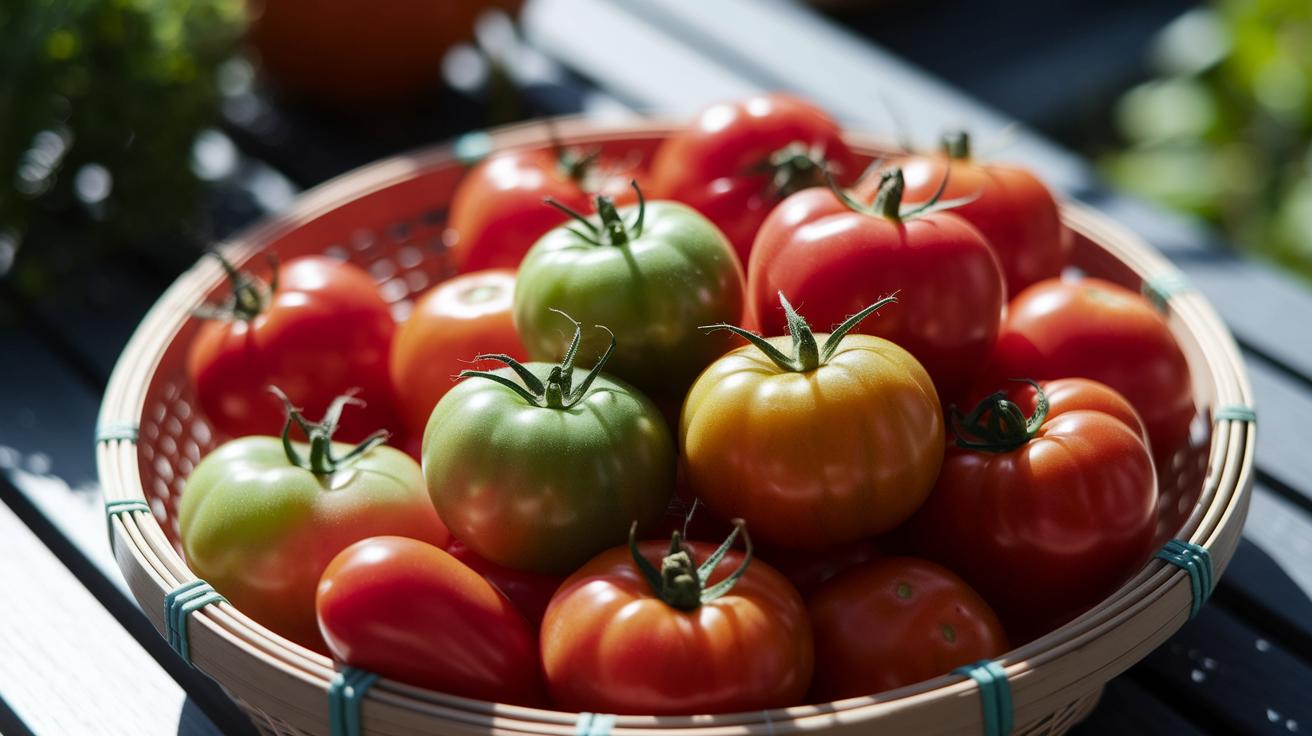
Fresh, local produce can pack up to 30% more vitamins when enjoyed right after being picked. Imagine biting into a tomato that’s only been off the vine for a few hours – it offers a nutrient boost that store-bought versions simply can’t match.
Every region shines with its own seasonal produce. In the cool of autumn, crisp apples add a refreshing crunch; early spring offers tender greens full of new life; and the warmth of summer bursts with vibrant berries that brighten any dish. Think of a fall salad where a crisp apple steals the show.
Smart meal planning means working with nature’s calendar. Try shaping your menu around seasonal peaks. Picture stirring early spring greens into a zesty citrus salad that captures the very essence of the season.
Final Words
In the action of exploring essential methods, we broke down plant-forward meal ideas, balanced diet blueprints, ethical food sourcing, and zero waste planning. We also touched on energy-saving cooking techniques and the benefits of local, seasonal produce. Each section offered practical tips to support health while caring for our planet.
Collectively, these nutritional strategies for sustainable eating show that everyday choices can boost well-being, ease chronic condition management, and help create a greener, healthier future.
FAQ
What are nutritional strategies for sustainable eating as outlined in PDF resources?
Nutritional strategies for sustainable eating often include selecting plant-based whole foods, practicing mindful portion control, reducing red meat consumption, and opting for locally sourced ingredients. These methods lower environmental impact while promoting better health.
What are some examples of sustainable food practices, including at home?
Sustainable food practices include planning meals to reduce waste, buying in bulk, and choosing locally grown produce. At home, you can repurpose leftovers and properly store foods to lessen overall waste and energy use.
How do sustainable eating habits support both health and the environment?
Sustainable eating habits support health by focusing on whole, nutrient-rich foods and protect the environment by lowering carbon emissions and resource use. This balanced approach benefits personal wellbeing and nature.
Why is sustainable eating important?
Sustainable eating is important because it provides a balanced, nutritious diet and reduces the impact on natural resources by lowering greenhouse gas emissions, which contributes to a healthier lifestyle and a cleaner environment.
How can I make healthy and sustainable food choices?
Making healthy and sustainable food choices involves selecting nutrient-dense whole foods, favoring local and seasonal produce, planning balanced meals, and cutting down on processed items, which together support both your health and the planet.
Can sustainable eating tips help with weight loss?
Sustainable eating tips can aid weight loss by promoting lower-calorie, nutrient-rich options like vegetables, legumes, and whole grains. These practices control portion sizes naturally while maintaining long-term energy and wellness.
What sustainable eating tools can be found in printable resources such as posters?
Sustainable eating posters offer visual guides with tips for balancing meals, choosing plant-based options, and reducing food waste. These tools help you remember simple practices for healthier, eco-friendly eating every day.
What are the key sustainable nutrition practices and strategies?
Key sustainable nutrition practices include emphasizing plant-based proteins, increasing whole grain consumption, practicing mindful portion control, and cutting back on processed foods. These strategies support personal health and reduce environmental strain.
What are the four principles or tips for eating sustainably?
The four key tips for eating sustainably involve focusing on plant-forward meals, choosing locally sourced produce, practicing mindful portion control, and limiting energy-intensive foods. These tips foster better personal health and lower environmental impact.