What Are Whole Foods: Pure, Simple Goodness

Have you ever thought about whether your food is as natural as nature intended? Whole foods are nature’s untouched treasures. Think of a crisp apple or a handful of nuts, they come straight from the earth and stay close to their original form.

They pack vitamins, minerals, and fiber without any extra sugars or bad fats. Eating these foods can help keep your energy steady and your blood sugar balanced.

This article walks you through how simple, pure whole foods can boost your everyday well-being.

what are whole foods: Pure, Simple Goodness

Whole foods are nature’s bounty in its purest form. They come straight from the earth without any extra sugars, salt, unhealthy fats, artificial flavors, or preservatives. Imagine an apple just as it hangs on a tree or a handful of raw almonds exactly as they were gathered.

On the other hand, processed foods are items that have been changed through steps like washing, cutting, or packaging. Ultra-processed foods take this even further by incorporating methods like canning or adding extra sugars, salt, unhealthy fats, and preservatives. Historical events, like sugar becoming common in the 1820s and later the use of cottonseed oil and roller-milled flour, highlight how food has gradually moved away from its natural state. Today, processed foods make up nearly 63% of the typical American diet.

Understanding the difference between whole, processed, and ultra-processed foods is key to making healthier choices. Natural foods deliver vital nutrients like vitamins, minerals, and fiber that help keep blood sugar steady and digestion on track. Research even links whole-food diets to better management of chronic conditions, such as heart disease and type 2 diabetes. This clarity can pave the way for a more mindful approach to eating that supports lasting well-being.

Whole Foods Examples: Fruits, Vegetables, Grains, Legumes, Nuts, and Seeds
img-1.jpg

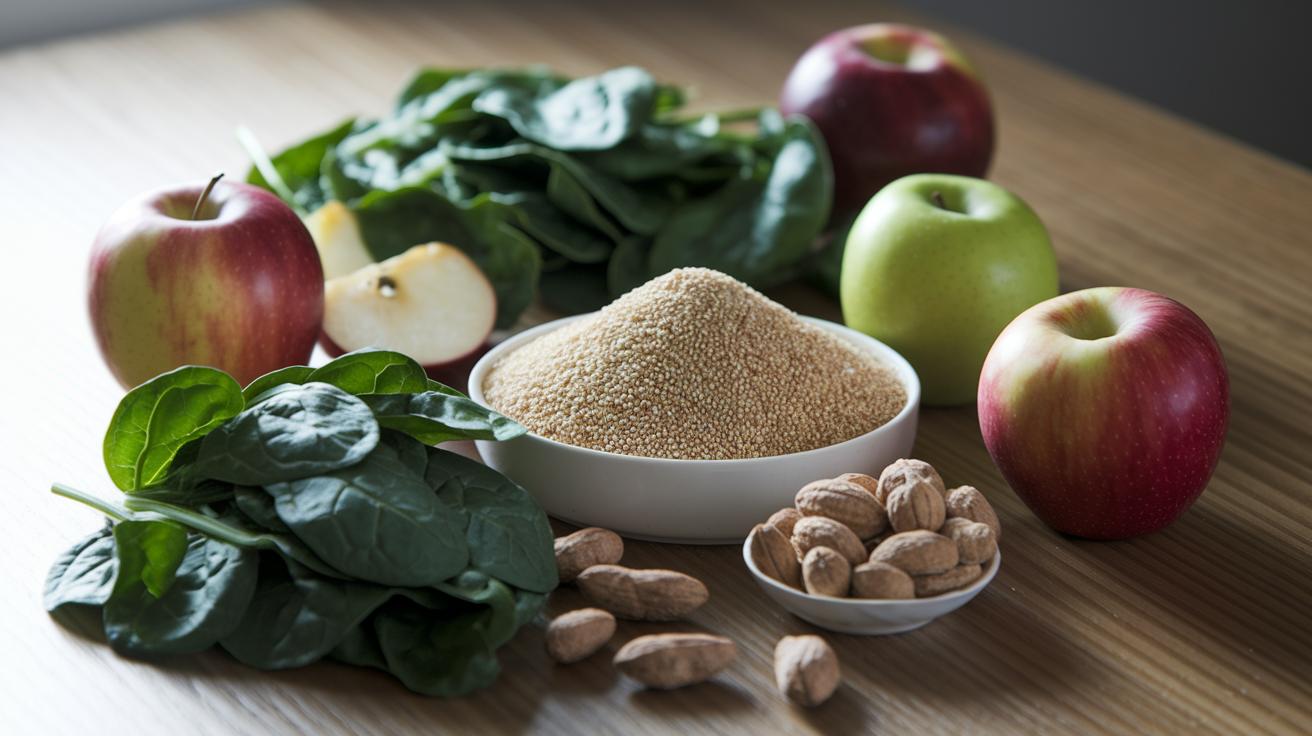
Whole foods burst with natural flavors and essential nutrients that help power our bodies every day. These foods include fresh fruits, crunchy vegetables, nourishing whole grains, delicious legumes, satisfying nuts, and versatile seeds. They are rich in vitamins, minerals, fiber, and natural compounds that support good health and steady energy. For example, crisp fruits like apples and berries are full of antioxidants (substances that protect your cells), while vegetables such as spinach and broccoli provide a powerful mix of nutrients beneficial for every cell.

Eating a mix of whole foods offers a fun way to plan balanced meals. Enjoying different types of these foods can help keep your blood sugar steady, support weight management, and improve digestion. For instance, whole grains like oats and quinoa provide complex carbohydrates that take longer to break down, giving you long-lasting energy along with much-needed fiber. Adding legumes, nuts, and seeds to your diet brings in plant-based proteins and healthy unsaturated fats that are great for everyday meals.

Category Examples
Fruits Apples, Berries, Oranges
Vegetables Spinach, Broccoli, Carrots
Whole Grains Brown Rice, Oats, Quinoa
Legumes Beans, Lentils, Chickpeas
Nuts Almonds, Walnuts, Cashews
Seeds Chia, Flax, Pumpkin

Health Benefits of Whole Foods: Nutrient Density and Disease Management

Whole foods are nature's way of giving us the best nutrients. They come packed with vitamins, minerals, plant compounds, and antioxidants to help keep our bodies strong and well. When you eat fresh vegetables, fruits, nuts, and seeds, you get all the natural goodness without any changes. Imagine biting into a crisp apple that gives you vitamins and powerful antioxidants, just like a wildflower that blooms beautifully on its own.

Fiber is another key part of whole foods. It plays an important role in how our bodies manage sugar. Foods like whole grains, beans, and leafy greens have lots of fiber, which slows down digestion. Think of fiber as a gentle guide that helps sugar enter your blood slowly, much like a calm stream spreading water evenly. This slow release of sugar keeps your energy steady and helps your body work smoothly.

Research shows that diets full of whole foods can improve chronic conditions like type 2 diabetes, heart disease, kidney issues, and even autoimmune problems. The healthy fats, vitamins, and antioxidants in foods like raw nuts and seeds fight inflammation and support healthy cells. Studies have found that eating pure, unprocessed foods can help control calorie and fat intake while giving you a mix of protective benefits. In fact, a diet rich in whole foods not only fills you up but may also lead to a healthier, more balanced life. Clinical trials keep showing that including a variety of whole foods in your meals lowers risks for long-term illnesses and boosts your overall strength and energy. These insights remind us that making smart food choices pays off in the long run.

Whole Foods vs. Processed and Ultra-Processed Fare: A Comparative Overview

img-2.jpg

When we compare foods that stay close to how they were grown with those that have been heavily changed, we get a clearer picture of today’s eating habits. Whole foods come packed with natural nutrients in a balanced way, while foods that are farther from their natural state often include extra ingredients that can strain your body’s digestion. For instance, swapping out a sugary snack for a fresh apple means choosing something that helps keep your energy steady and supports overall well-being.

These days, convenience and cost mean that many diets rely heavily on processed foods. In fact, about 63% of what Americans eat falls into this category, which might contribute to weight gain and heart issues. Even small shifts toward simpler, less processed options can boost energy and reduce inflammation. Isn’t it interesting how a small change at mealtime can lead to noticeable health benefits?

Integrating Whole Foods into Your Daily Meals: Planning and Recipe Suggestions

Meal planning is a great way to make sure you include wholesome foods in your everyday meals. Start by mapping out a weekly plan that mixes fruits, vegetables, whole grains, legumes, nuts, and seeds. This flexible method lets you adjust your menu to match what is fresh and in season, just like putting together a colorful picnic basket that feeds both your body and soul.

Imagine a menu that thrills your taste buds while boosting your well-being. One day, you might enjoy a vegetable omelet with a crisp, fresh orange to start your morning. A few days later, try a warm bowl of oatmeal crowned with berries and walnuts for a boost of fiber and natural energy. Other mornings might call for creamy yogurt layered with sliced fruit, seeds, and a sprinkle of cacao nibs, or even classic oatmeal with apples and pecans that brings a cozy, comforting feel.

Snacks are just as important in a whole-food diet. Instead of reaching for processed options, choose hummus with crunchy veggie sticks or whip up a homemade trail mix with nuts, seeds, and dried fruit. Preparing your snacks ahead of time helps keep hunger at bay while ensuring what you eat is both tasty and nourishing.

Final Words

In the action, we explored how whole foods, a natural, nutrient-rich choice, offer clear, research-backed benefits for everyday health. The post defined whole foods and drew a contrast with processed items, highlighting fresh fruits, vegetables, whole grains, legumes, nuts, and seeds as prime examples. It also provided practical meal planning tips that support clean eating and better well-being. By showing what are whole foods through clear comparisons and actionable strategies, the discussion inspires positive choices that can genuinely boost health over time.

FAQ

What are whole foods and what are some examples?

The term whole foods refers to natural, unprocessed items that retain their essential nutrients. Examples include fresh fruits, vegetables, whole grains, legumes, nuts, and seeds.

What are whole food meals and how do they support health?

Whole food meals consist of nutrient-rich, minimally processed ingredients that deliver vitamins, minerals, and fiber. This approach helps maintain steady energy levels and supports overall well-being.

Are common foods such as potatoes, pasta, and chicken considered whole foods?

In whole food terms, fresh potatoes and unprocessed chicken are considered whole, while most pasta is refined. Choosing whole grain pasta can be a better option for a natural nutrient profile.

What are whole food proteins and which sources qualify?

Whole food proteins come from natural sources like beans, legumes, nuts, and unprocessed meats. They provide essential amino acids without additives and support healthy muscle maintenance.

How can whole food eating benefit beginners starting a clean diet?

For beginners, adopting whole food eating means choosing foods in their natural state such as fruits, vegetables, and whole grains. This method boosts nutrient intake and helps balance blood sugar levels.

What is included in a whole foods list for weight loss?

A whole foods list for weight loss features nutrient-dense, low-calorie items like leafy greens, fresh fruits, vegetables, beans, and whole grains, which promote satiety and support steady energy.

How are whole foods discussions portrayed on Reddit?

Whole foods discussions on Reddit highlight personal experiences, meal ideas, and practical tips. Community members share advice on incorporating unprocessed, nutrient-rich foods into everyday diets.

Have you ever thought about whether your food is as natural as nature intended? Whole foods are nature’s untouched treasures. Think of a crisp apple or a handful of nuts, they come straight from the earth and stay close to their original form.

They pack vitamins, minerals, and fiber without any extra sugars or bad fats. Eating these foods can help keep your energy steady and your blood sugar balanced.

This article walks you through how simple, pure whole foods can boost your everyday well-being.

what are whole foods: Pure, Simple Goodness

Whole foods are nature’s bounty in its purest form. They come straight from the earth without any extra sugars, salt, unhealthy fats, artificial flavors, or preservatives. Imagine an apple just as it hangs on a tree or a handful of raw almonds exactly as they were gathered.

On the other hand, processed foods are items that have been changed through steps like washing, cutting, or packaging. Ultra-processed foods take this even further by incorporating methods like canning or adding extra sugars, salt, unhealthy fats, and preservatives. Historical events, like sugar becoming common in the 1820s and later the use of cottonseed oil and roller-milled flour, highlight how food has gradually moved away from its natural state. Today, processed foods make up nearly 63% of the typical American diet.

Understanding the difference between whole, processed, and ultra-processed foods is key to making healthier choices. Natural foods deliver vital nutrients like vitamins, minerals, and fiber that help keep blood sugar steady and digestion on track. Research even links whole-food diets to better management of chronic conditions, such as heart disease and type 2 diabetes. This clarity can pave the way for a more mindful approach to eating that supports lasting well-being.

Whole Foods Examples: Fruits, Vegetables, Grains, Legumes, Nuts, and Seeds

img-1.jpg

Whole foods burst with natural flavors and essential nutrients that help power our bodies every day. These foods include fresh fruits, crunchy vegetables, nourishing whole grains, delicious legumes, satisfying nuts, and versatile seeds. They are rich in vitamins, minerals, fiber, and natural compounds that support good health and steady energy. For example, crisp fruits like apples and berries are full of antioxidants (substances that protect your cells), while vegetables such as spinach and broccoli provide a powerful mix of nutrients beneficial for every cell.

Eating a mix of whole foods offers a fun way to plan balanced meals. Enjoying different types of these foods can help keep your blood sugar steady, support weight management, and improve digestion. For instance, whole grains like oats and quinoa provide complex carbohydrates that take longer to break down, giving you long-lasting energy along with much-needed fiber. Adding legumes, nuts, and seeds to your diet brings in plant-based proteins and healthy unsaturated fats that are great for everyday meals.

Category Examples
Fruits Apples, Berries, Oranges
Vegetables Spinach, Broccoli, Carrots
Whole Grains Brown Rice, Oats, Quinoa
Legumes Beans, Lentils, Chickpeas
Nuts Almonds, Walnuts, Cashews
Seeds Chia, Flax, Pumpkin

Health Benefits of Whole Foods: Nutrient Density and Disease Management

Whole foods are nature's way of giving us the best nutrients. They come packed with vitamins, minerals, plant compounds, and antioxidants to help keep our bodies strong and well. When you eat fresh vegetables, fruits, nuts, and seeds, you get all the natural goodness without any changes. Imagine biting into a crisp apple that gives you vitamins and powerful antioxidants, just like a wildflower that blooms beautifully on its own.

Fiber is another key part of whole foods. It plays an important role in how our bodies manage sugar. Foods like whole grains, beans, and leafy greens have lots of fiber, which slows down digestion. Think of fiber as a gentle guide that helps sugar enter your blood slowly, much like a calm stream spreading water evenly. This slow release of sugar keeps your energy steady and helps your body work smoothly.

Research shows that diets full of whole foods can improve chronic conditions like type 2 diabetes, heart disease, kidney issues, and even autoimmune problems. The healthy fats, vitamins, and antioxidants in foods like raw nuts and seeds fight inflammation and support healthy cells. Studies have found that eating pure, unprocessed foods can help control calorie and fat intake while giving you a mix of protective benefits. In fact, a diet rich in whole foods not only fills you up but may also lead to a healthier, more balanced life. Clinical trials keep showing that including a variety of whole foods in your meals lowers risks for long-term illnesses and boosts your overall strength and energy. These insights remind us that making smart food choices pays off in the long run.

Whole Foods vs. Processed and Ultra-Processed Fare: A Comparative Overview

img-2.jpg

When we compare foods that stay close to how they were grown with those that have been heavily changed, we get a clearer picture of today’s eating habits. Whole foods come packed with natural nutrients in a balanced way, while foods that are farther from their natural state often include extra ingredients that can strain your body’s digestion. For instance, swapping out a sugary snack for a fresh apple means choosing something that helps keep your energy steady and supports overall well-being.

These days, convenience and cost mean that many diets rely heavily on processed foods. In fact, about 63% of what Americans eat falls into this category, which might contribute to weight gain and heart issues. Even small shifts toward simpler, less processed options can boost energy and reduce inflammation. Isn’t it interesting how a small change at mealtime can lead to noticeable health benefits?

Integrating Whole Foods into Your Daily Meals: Planning and Recipe Suggestions

Meal planning is a great way to make sure you include wholesome foods in your everyday meals. Start by mapping out a weekly plan that mixes fruits, vegetables, whole grains, legumes, nuts, and seeds. This flexible method lets you adjust your menu to match what is fresh and in season, just like putting together a colorful picnic basket that feeds both your body and soul.

Imagine a menu that thrills your taste buds while boosting your well-being. One day, you might enjoy a vegetable omelet with a crisp, fresh orange to start your morning. A few days later, try a warm bowl of oatmeal crowned with berries and walnuts for a boost of fiber and natural energy. Other mornings might call for creamy yogurt layered with sliced fruit, seeds, and a sprinkle of cacao nibs, or even classic oatmeal with apples and pecans that brings a cozy, comforting feel.

Snacks are just as important in a whole-food diet. Instead of reaching for processed options, choose hummus with crunchy veggie sticks or whip up a homemade trail mix with nuts, seeds, and dried fruit. Preparing your snacks ahead of time helps keep hunger at bay while ensuring what you eat is both tasty and nourishing.

Final Words

In the action, we explored how whole foods, a natural, nutrient-rich choice, offer clear, research-backed benefits for everyday health. The post defined whole foods and drew a contrast with processed items, highlighting fresh fruits, vegetables, whole grains, legumes, nuts, and seeds as prime examples. It also provided practical meal planning tips that support clean eating and better well-being. By showing what are whole foods through clear comparisons and actionable strategies, the discussion inspires positive choices that can genuinely boost health over time.

FAQ

What are whole foods and what are some examples?

The term whole foods refers to natural, unprocessed items that retain their essential nutrients. Examples include fresh fruits, vegetables, whole grains, legumes, nuts, and seeds.

What are whole food meals and how do they support health?

Whole food meals consist of nutrient-rich, minimally processed ingredients that deliver vitamins, minerals, and fiber. This approach helps maintain steady energy levels and supports overall well-being.

Are common foods such as potatoes, pasta, and chicken considered whole foods?

In whole food terms, fresh potatoes and unprocessed chicken are considered whole, while most pasta is refined. Choosing whole grain pasta can be a better option for a natural nutrient profile.

What are whole food proteins and which sources qualify?

Whole food proteins come from natural sources like beans, legumes, nuts, and unprocessed meats. They provide essential amino acids without additives and support healthy muscle maintenance.

How can whole food eating benefit beginners starting a clean diet?

For beginners, adopting whole food eating means choosing foods in their natural state such as fruits, vegetables, and whole grains. This method boosts nutrient intake and helps balance blood sugar levels.

What is included in a whole foods list for weight loss?

A whole foods list for weight loss features nutrient-dense, low-calorie items like leafy greens, fresh fruits, vegetables, beans, and whole grains, which promote satiety and support steady energy.

How are whole foods discussions portrayed on Reddit?

Whole foods discussions on Reddit highlight personal experiences, meal ideas, and practical tips. Community members share advice on incorporating unprocessed, nutrient-rich foods into everyday diets.

More from author

LEAVE A REPLY

Please enter your comment!
Please enter your name here

Related posts

Advertismentspot_img

Latest posts

How To Create A Daily Wellness Routine: Thriving

Curious about how to create a daily wellness routine that transforms your mornings and days? Read on as secrets await…

2 Daily Wellness Drink Tips For Radiance

Experience a daily wellness drink with natural herbs, green ingredients, and clinical backing that might change your routine forever, stay tuned.

Daily Wellness: Elevate Your Everyday Vitality

Daily wellness transforms everyday routines into mindful adjustments, merging nutrition, movement, and restorative sleep. What unforeseen practice awaits you next?

Want to stay up to date with the latest news?

We would love to hear from you! Please fill in your details and we will stay in touch. It's that simple!