Plant Based Whole Foods Spark Radiant Healthy Living

Have you ever thought that switching to natural, unprocessed foods could boost your well-being? Picture starting your day with juicy fruits, crisp vegetables, crunchy nuts, and hearty grains. A plant-based whole foods diet feeds your body with key vitamins, minerals, and fiber that help keep your energy and mood up. With simple and tasty meals straight from nature, you might just find the little boost that brings more balance to your day.

Defining Plant Based Whole Foods: What to Eat and Why It Matters

A whole-foods, plant-based diet means choosing fruits, vegetables, nuts, seeds, legumes, and whole grains in their natural state. This way of eating focuses on fresh, minimally processed vegan foods that are both good for you and easy to prepare. If you want to know more, check out additional details on what makes whole foods special and why they matter for your health.

This method of eating is all about enjoying natural, unrefined foods while reducing fast-food choices like French fries, cheeseburgers, and chicken nuggets. By picking fresh, whole vegan meals, you are supporting better health with simple, pure ingredients straight from nature.

  • Berries
  • Citrus fruits
  • Pears
  • Peaches
  • Pineapple
  • Bananas
  • Dark leafy greens
  • Cruciferous vegetables
  • Nuts like almonds
  • Legumes such as chickpeas

Eating plant-based whole foods builds a strong nutritional foundation that keeps energy levels steady throughout your day. These foods are rich in essential vitamins, minerals, and fiber, all of which play a role in making you feel vibrant and balanced. By choosing ingredients that are both naturally delicious and minimally processed, you can nurture your body and help lower the risk of long-term health issues. Adopting this lifestyle is a simple yet rewarding way to care for yourself every day.

Nutrient Profile of Whole Plant Nutrition: Macronutrients, Micronutrients, and Beyond
img-1.jpg

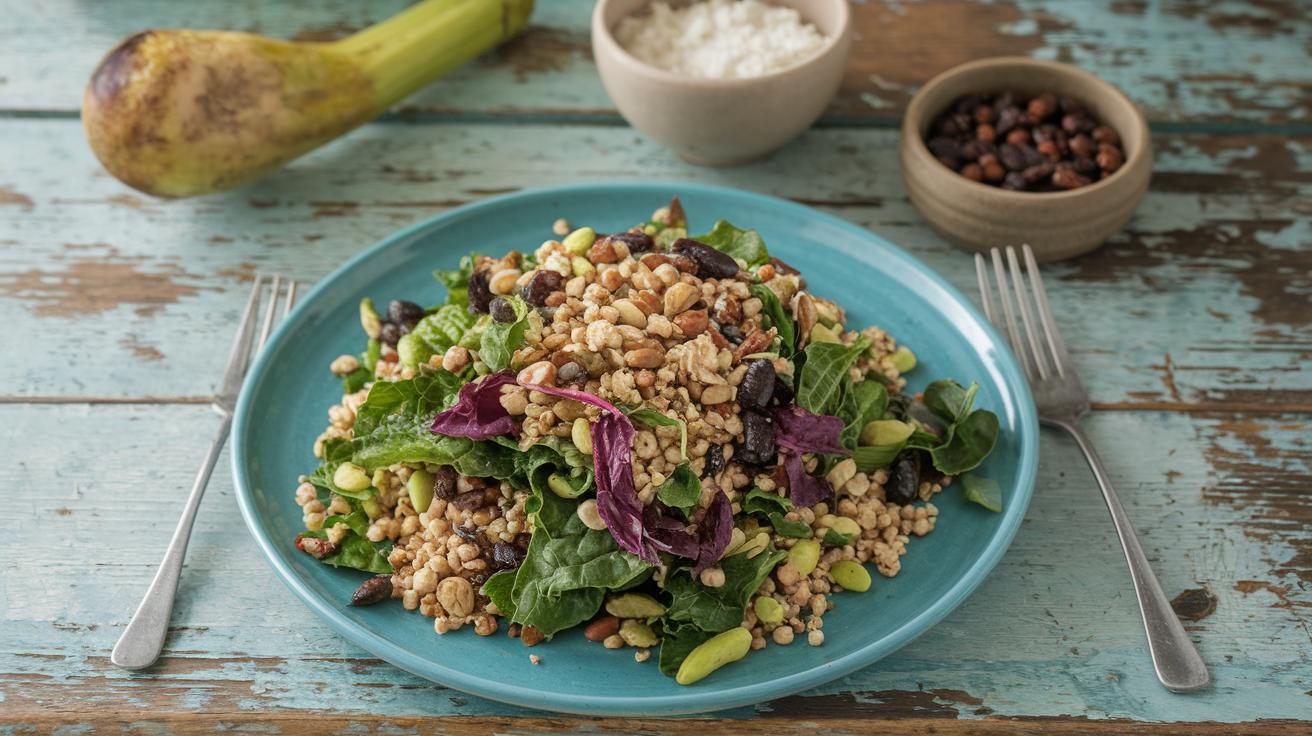
Eating a balanced diet means enjoying the right mix of big nutrients (macros) and small nutrients (micros) that give your body energy and keep it healthy. When you follow a plant-based diet, whole grains and legumes supply complex carbohydrates that provide steady energy, while natural proteins help repair and grow your tissues. Adding healthy fats, like those in avocados and nuts, can make you feel full longer and help your body absorb other nutrients better. Fruits and vegetables bring plenty of fiber to your meals, which can help with digestion and keep you satisfied.

Micronutrients such as vitamins A, C, and K, along with minerals like magnesium, are important for everything from keeping our bones strong to maintaining our immune system. For example, spirulina is a favorite among many because it packs a punch with protein, iron, and B-vitamins. It’s a natural choice if you want to boost your nutritional intake (spirulina health benefits).

Food Calories Protein (g) Fiber (g) Notable Vitamins/Minerals
Spinach 23 2.9 2.2 Vitamin A, C, K, Iron
Chickpeas 164 8.9 7.6 Folate, Magnesium
Oats 389 16.9 10.6 Thiamine, Manganese
Sweet Potato 86 1.6 3.3 Vitamin A, C, Potassium
Spirulina 290 57 0.5 Protein, Iron, B-Vitamins

When you mix these nutrient-packed foods into your meals, you create options that support steady energy throughout the day and help your overall well-being. Whether you’re preparing a bright, fresh green salad or starting your day with a hearty vegan breakfast, combining different ingredients sets a strong foundation for vibrant, healthy living.

Fiber-Full Botanical Diet Benefits: Evidence-Based Health Outcomes

Research shows that a plant-focused diet can lower your chances of getting chronic diseases. Big studies have found that eating more fruits, vegetables, whole grains, and legumes can help reduce the risk of breast cancer, type 2 diabetes, and heart disease. These foods are loaded with antioxidants (germ-fighting substances) that may lessen inflammation and keep your heart healthy. In short, choosing plant-based options could be a smart way to lower your risk of serious illnesses.

Recent numbers indicate that about 31% of U.S. adults are overweight and 42% are obese. Switching to a fiber-packed botanical diet might be one effective way to manage your weight. By choosing nutrient-rich, vegan-friendly foods, you can naturally curb your hunger and avoid extra calories. This approach relies on whole, minimally processed foods that help you feel full longer, potentially leading to better long-term weight control.

Focusing on fruits and vegetables does more than boost your physical health, it might also keep your brain sharp. Studies suggest that the antioxidants and vitamins in these foods can help prevent memory loss and lower the risk of Alzheimer’s (a condition that affects thinking and memory) in older adults. Embracing a plant-based diet can support both your body and mind, helping you enjoy lasting clarity as you age.

plant based whole foods spark radiant healthy living
img-2.jpg

Each day, planning meals with fresh, whole vegan ingredients turns your dining routine into a celebration of flavor and nourishment. By focusing on natural, plant-based foods, you create dishes that energize your body and satisfy your taste buds.

Breakfast

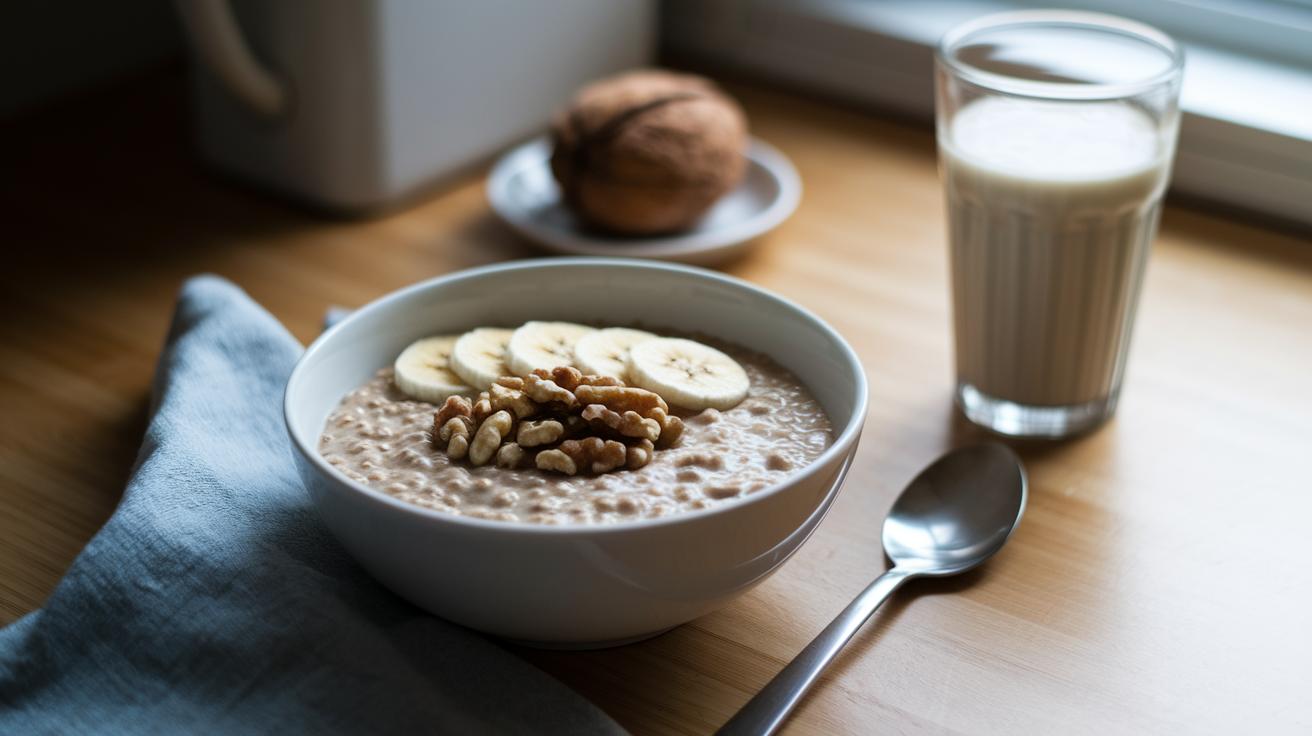
Start your morning with a warm bowl of rolled oats mixed with crunchy walnuts, sweet banana slices, and a dash of cinnamon. This comforting meal delivers complex carbohydrates and healthy fats to power your day. Picture the inviting aroma of cinnamon mingling with juicy banana pieces, a simple breakfast that feels both uplifting and delicious.

Lunch

For lunch, try a Greek-style salad made with mixed greens, ripe tomatoes, and tangy Kalamata olives, along with a side of whole-wheat pita and a cool slice of melon. The crisp greens and juicy tomatoes provide a satisfying crunch while the olives add a savory twist that brightens the dish. It’s a refreshing, vitamin-packed meal that keeps you energized all day.

Dinner

As evening comes, enjoy grilled vegetable kabobs with marinated tofu, paired with a hearty quinoa-spinach salad. The kabobs, loaded with colorful bell peppers, zucchini, and mushrooms, are grilled to bring out a gentle smoky flavor. With protein-rich tofu and fiber-packed quinoa and spinach, this dinner offers a balanced meal that feels both delightful and nourishing.

Fresh snack ideas like crunchy kale chips or a creamy hummus dip with carrot and cucumber sticks are perfect for keeping your energy up between meals.

Tips for Transitioning to a Minimally Processed Vegan Fare

Start by shifting your mindset and getting ready for success. Try setting aside a few days each week for meat-free meals so you can experiment with fresh flavors and different ingredients. This gentle change lets you explore creative meal ideas without feeling overwhelmed by a full switch.

When you head to the grocery store, make a clear list focused on whole foods. Fill it with fruits, vegetables, whole grains, legumes, and natural seasonings. You might like to check out this diet of whole foods for more ideas. Taking time to chop, portion, and store your ingredients helps you gradually replace highly processed items, ensuring you have tasty, ready-to-eat meals all week long.

Building lasting habits is the key to making clean eating a normal part of your life. Use meal-planning tools or even structured cooking courses to set up your weekly menu and keep track of your progress. With steady practice and smart planning, your new way of eating will soon feel natural and become a daily habit.

Sustainability and Environmental Impact of Plant Based Whole Foods
img-3.jpg

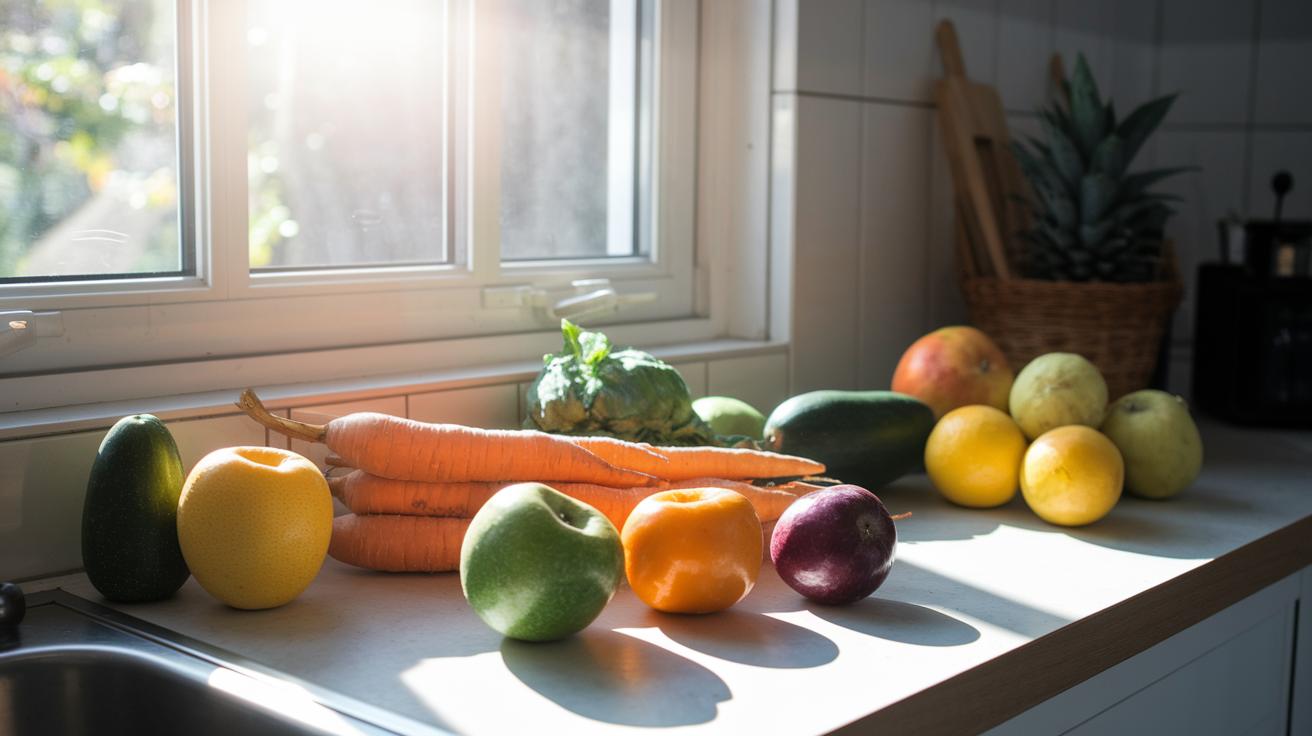
Switching to a diet full of plant based whole foods can really help the environment. When you choose fresh fruits, vegetables, legumes, nuts, and whole grains, you lower the need for animal products that use lots of resources. This means less carbon released into the air and less water used on farms. It’s a win-win for your health and our planet.

Choosing these healthy foods also supports better, more sustainable food practices. When more people opt for natural, green options, we help conserve water and energy while moving away from wasteful methods. In the end, enjoying simple, fresh vegan meals not only benefits you but also helps create a kinder, healthier world for everyone.

Final Words

In the action of exploring our plant-based whole foods approach, we broke down the basics, examined the nutrient profile, and reviewed health outcomes supported by solid research. We also shared practical recipe ideas, tips for transitioning to a fresh vegan diet, and insights on the environmental benefits of a balanced diet.

Every section highlights how choosing plant based whole foods can boost overall well-being and guide smarter health decisions. Enjoy experimenting with these ideas and feel empowered every day.

FAQ

What is a plant based whole foods list?

The plant based whole foods list includes fruits, vegetables, whole grains, legumes, nuts, and seeds in their natural state, supporting a diet with minimal processing.

What is a whole food plant-based diet pdf?

The whole food plant-based diet pdf is a downloadable guide that outlines recipes, shopping lists, and meal suggestions for adopting a natural, healthful eating approach.

What does a plant based whole foods menu consist of?

The plant based whole foods menu consists of dishes built around fruits, vegetables, whole grains, legumes, nuts, and seeds, offering balanced meals and fresh flavor.

What do plant based whole foods recipes include?

The plant based whole foods recipes include easy-to-follow directions that use natural ingredients like fruits, vegetables, whole grains, and legumes to create nourishing meals.

What plant-based foods should you avoid?

The plant-based foods to avoid are those heavily processed or containing artificial additives; sticking to whole foods helps maintain nutrient integrity and overall health.

What is whole food eating for beginners?

The whole food eating for beginners guide offers simple steps to replace processed items with natural fruits, vegetables, whole grains, and legumes, easing the transition into wholesome eating.

What is a 30-day plant-based diet plan?

The 30-day plant-based diet plan provides a structured framework of menus and recipes designed to gradually build healthy eating habits with a focus on natural, whole foods.

What does a whole food plant-based diet meal plan involve?

The whole food plant-based diet meal plan involves daily servings of fruits, vegetables, whole grains, and legumes structured to provide balanced nutrients and steady energy.

What foods are considered whole foods plant-based?

The whole foods plant-based diet includes natural, unprocessed fruits, vegetables, legumes, whole grains, nuts, and seeds that offer plenty of vitamins and minerals.

Is a whole foods plant-based diet good for you?

The whole foods plant-based diet supports overall wellness by promoting heart health, balanced weight, and a lower risk of chronic conditions when meals are well planned.

What is the healthiest plant-based food?

The healthiest plant-based food can vary by individual, but nutrient-dense choices such as leafy greens, berries, and cruciferous vegetables generally provide essential vitamins and minerals.

Why might I feel so hungry on a whole food plant-based diet?

The whole food plant-based diet might leave you hungry if meals are low in protein, healthy fats, or fiber, which are key to staying full longer and maintaining energy levels.

Have you ever thought that switching to natural, unprocessed foods could boost your well-being? Picture starting your day with juicy fruits, crisp vegetables, crunchy nuts, and hearty grains. A plant-based whole foods diet feeds your body with key vitamins, minerals, and fiber that help keep your energy and mood up. With simple and tasty meals straight from nature, you might just find the little boost that brings more balance to your day.

Defining Plant Based Whole Foods: What to Eat and Why It Matters

A whole-foods, plant-based diet means choosing fruits, vegetables, nuts, seeds, legumes, and whole grains in their natural state. This way of eating focuses on fresh, minimally processed vegan foods that are both good for you and easy to prepare. If you want to know more, check out additional details on what makes whole foods special and why they matter for your health.

This method of eating is all about enjoying natural, unrefined foods while reducing fast-food choices like French fries, cheeseburgers, and chicken nuggets. By picking fresh, whole vegan meals, you are supporting better health with simple, pure ingredients straight from nature.

  • Berries
  • Citrus fruits
  • Pears
  • Peaches
  • Pineapple
  • Bananas
  • Dark leafy greens
  • Cruciferous vegetables
  • Nuts like almonds
  • Legumes such as chickpeas

Eating plant-based whole foods builds a strong nutritional foundation that keeps energy levels steady throughout your day. These foods are rich in essential vitamins, minerals, and fiber, all of which play a role in making you feel vibrant and balanced. By choosing ingredients that are both naturally delicious and minimally processed, you can nurture your body and help lower the risk of long-term health issues. Adopting this lifestyle is a simple yet rewarding way to care for yourself every day.

Nutrient Profile of Whole Plant Nutrition: Macronutrients, Micronutrients, and Beyond

img-1.jpg

Eating a balanced diet means enjoying the right mix of big nutrients (macros) and small nutrients (micros) that give your body energy and keep it healthy. When you follow a plant-based diet, whole grains and legumes supply complex carbohydrates that provide steady energy, while natural proteins help repair and grow your tissues. Adding healthy fats, like those in avocados and nuts, can make you feel full longer and help your body absorb other nutrients better. Fruits and vegetables bring plenty of fiber to your meals, which can help with digestion and keep you satisfied.

Micronutrients such as vitamins A, C, and K, along with minerals like magnesium, are important for everything from keeping our bones strong to maintaining our immune system. For example, spirulina is a favorite among many because it packs a punch with protein, iron, and B-vitamins. It’s a natural choice if you want to boost your nutritional intake (spirulina health benefits).

Food Calories Protein (g) Fiber (g) Notable Vitamins/Minerals
Spinach 23 2.9 2.2 Vitamin A, C, K, Iron
Chickpeas 164 8.9 7.6 Folate, Magnesium
Oats 389 16.9 10.6 Thiamine, Manganese
Sweet Potato 86 1.6 3.3 Vitamin A, C, Potassium
Spirulina 290 57 0.5 Protein, Iron, B-Vitamins

When you mix these nutrient-packed foods into your meals, you create options that support steady energy throughout the day and help your overall well-being. Whether you’re preparing a bright, fresh green salad or starting your day with a hearty vegan breakfast, combining different ingredients sets a strong foundation for vibrant, healthy living.

Fiber-Full Botanical Diet Benefits: Evidence-Based Health Outcomes

Research shows that a plant-focused diet can lower your chances of getting chronic diseases. Big studies have found that eating more fruits, vegetables, whole grains, and legumes can help reduce the risk of breast cancer, type 2 diabetes, and heart disease. These foods are loaded with antioxidants (germ-fighting substances) that may lessen inflammation and keep your heart healthy. In short, choosing plant-based options could be a smart way to lower your risk of serious illnesses.

Recent numbers indicate that about 31% of U.S. adults are overweight and 42% are obese. Switching to a fiber-packed botanical diet might be one effective way to manage your weight. By choosing nutrient-rich, vegan-friendly foods, you can naturally curb your hunger and avoid extra calories. This approach relies on whole, minimally processed foods that help you feel full longer, potentially leading to better long-term weight control.

Focusing on fruits and vegetables does more than boost your physical health, it might also keep your brain sharp. Studies suggest that the antioxidants and vitamins in these foods can help prevent memory loss and lower the risk of Alzheimer’s (a condition that affects thinking and memory) in older adults. Embracing a plant-based diet can support both your body and mind, helping you enjoy lasting clarity as you age.

plant based whole foods spark radiant healthy living

img-2.jpg

Each day, planning meals with fresh, whole vegan ingredients turns your dining routine into a celebration of flavor and nourishment. By focusing on natural, plant-based foods, you create dishes that energize your body and satisfy your taste buds.

Breakfast

Start your morning with a warm bowl of rolled oats mixed with crunchy walnuts, sweet banana slices, and a dash of cinnamon. This comforting meal delivers complex carbohydrates and healthy fats to power your day. Picture the inviting aroma of cinnamon mingling with juicy banana pieces, a simple breakfast that feels both uplifting and delicious.

Lunch

For lunch, try a Greek-style salad made with mixed greens, ripe tomatoes, and tangy Kalamata olives, along with a side of whole-wheat pita and a cool slice of melon. The crisp greens and juicy tomatoes provide a satisfying crunch while the olives add a savory twist that brightens the dish. It’s a refreshing, vitamin-packed meal that keeps you energized all day.

Dinner

As evening comes, enjoy grilled vegetable kabobs with marinated tofu, paired with a hearty quinoa-spinach salad. The kabobs, loaded with colorful bell peppers, zucchini, and mushrooms, are grilled to bring out a gentle smoky flavor. With protein-rich tofu and fiber-packed quinoa and spinach, this dinner offers a balanced meal that feels both delightful and nourishing.

Fresh snack ideas like crunchy kale chips or a creamy hummus dip with carrot and cucumber sticks are perfect for keeping your energy up between meals.

Tips for Transitioning to a Minimally Processed Vegan Fare

Start by shifting your mindset and getting ready for success. Try setting aside a few days each week for meat-free meals so you can experiment with fresh flavors and different ingredients. This gentle change lets you explore creative meal ideas without feeling overwhelmed by a full switch.

When you head to the grocery store, make a clear list focused on whole foods. Fill it with fruits, vegetables, whole grains, legumes, and natural seasonings. You might like to check out this diet of whole foods for more ideas. Taking time to chop, portion, and store your ingredients helps you gradually replace highly processed items, ensuring you have tasty, ready-to-eat meals all week long.

Building lasting habits is the key to making clean eating a normal part of your life. Use meal-planning tools or even structured cooking courses to set up your weekly menu and keep track of your progress. With steady practice and smart planning, your new way of eating will soon feel natural and become a daily habit.

Sustainability and Environmental Impact of Plant Based Whole Foods

img-3.jpg

Switching to a diet full of plant based whole foods can really help the environment. When you choose fresh fruits, vegetables, legumes, nuts, and whole grains, you lower the need for animal products that use lots of resources. This means less carbon released into the air and less water used on farms. It’s a win-win for your health and our planet.

Choosing these healthy foods also supports better, more sustainable food practices. When more people opt for natural, green options, we help conserve water and energy while moving away from wasteful methods. In the end, enjoying simple, fresh vegan meals not only benefits you but also helps create a kinder, healthier world for everyone.

Final Words

In the action of exploring our plant-based whole foods approach, we broke down the basics, examined the nutrient profile, and reviewed health outcomes supported by solid research. We also shared practical recipe ideas, tips for transitioning to a fresh vegan diet, and insights on the environmental benefits of a balanced diet.

Every section highlights how choosing plant based whole foods can boost overall well-being and guide smarter health decisions. Enjoy experimenting with these ideas and feel empowered every day.

FAQ

What is a plant based whole foods list?

The plant based whole foods list includes fruits, vegetables, whole grains, legumes, nuts, and seeds in their natural state, supporting a diet with minimal processing.

What is a whole food plant-based diet pdf?

The whole food plant-based diet pdf is a downloadable guide that outlines recipes, shopping lists, and meal suggestions for adopting a natural, healthful eating approach.

What does a plant based whole foods menu consist of?

The plant based whole foods menu consists of dishes built around fruits, vegetables, whole grains, legumes, nuts, and seeds, offering balanced meals and fresh flavor.

What do plant based whole foods recipes include?

The plant based whole foods recipes include easy-to-follow directions that use natural ingredients like fruits, vegetables, whole grains, and legumes to create nourishing meals.

What plant-based foods should you avoid?

The plant-based foods to avoid are those heavily processed or containing artificial additives; sticking to whole foods helps maintain nutrient integrity and overall health.

What is whole food eating for beginners?

The whole food eating for beginners guide offers simple steps to replace processed items with natural fruits, vegetables, whole grains, and legumes, easing the transition into wholesome eating.

What is a 30-day plant-based diet plan?

The 30-day plant-based diet plan provides a structured framework of menus and recipes designed to gradually build healthy eating habits with a focus on natural, whole foods.

What does a whole food plant-based diet meal plan involve?

The whole food plant-based diet meal plan involves daily servings of fruits, vegetables, whole grains, and legumes structured to provide balanced nutrients and steady energy.

What foods are considered whole foods plant-based?

The whole foods plant-based diet includes natural, unprocessed fruits, vegetables, legumes, whole grains, nuts, and seeds that offer plenty of vitamins and minerals.

Is a whole foods plant-based diet good for you?

The whole foods plant-based diet supports overall wellness by promoting heart health, balanced weight, and a lower risk of chronic conditions when meals are well planned.

What is the healthiest plant-based food?

The healthiest plant-based food can vary by individual, but nutrient-dense choices such as leafy greens, berries, and cruciferous vegetables generally provide essential vitamins and minerals.

Why might I feel so hungry on a whole food plant-based diet?

The whole food plant-based diet might leave you hungry if meals are low in protein, healthy fats, or fiber, which are key to staying full longer and maintaining energy levels.

More from author

LEAVE A REPLY

Please enter your comment!
Please enter your name here

Related posts

Advertismentspot_img

Latest posts

How To Create A Daily Wellness Routine: Thriving

Curious about how to create a daily wellness routine that transforms your mornings and days? Read on as secrets await…

2 Daily Wellness Drink Tips For Radiance

Experience a daily wellness drink with natural herbs, green ingredients, and clinical backing that might change your routine forever, stay tuned.

Daily Wellness: Elevate Your Everyday Vitality

Daily wellness transforms everyday routines into mindful adjustments, merging nutrition, movement, and restorative sleep. What unforeseen practice awaits you next?

Want to stay up to date with the latest news?

We would love to hear from you! Please fill in your details and we will stay in touch. It's that simple!