Treatment Options For Lung Cancer Spark Hope

Have you ever thought that lung cancer treatment might really bring hope? New advances let doctors fight cancer on many fronts. For example, teams now mix surgery, chemotherapy, and modern therapies like immunotherapy (a treatment that boosts your immune system to fight cancer) to create plans that fit each patient perfectly. This variety of treatments attacks cancer from different angles, opening up chances for a better life. Many patients now feel that these evolving methods light up a future where hope and improved outcomes are within reach.

Comprehensive overview of lung cancer treatment options

Many doctors now use a mix of treatments to help fight lung cancer from different angles. This team approach means experts work together to design a plan that fits each patient's unique type and stage of cancer. They often combine well-known methods with newer options, sometimes including clinical trials (research studies that test new treatments).

  • Surgery: Involves cutting out the cancer through procedures like lobectomy (removing one part of the lung) or pneumonectomy (removing the entire lung) to eliminate tumors that are in one spot.
  • Chemotherapy: Uses drugs, such as platinum-based treatments, to attack cancer cells all over the body.
  • Radiation Therapy: Applies high-energy rays in either a general or highly focused way to shrink or control tumors.
  • Immunotherapy: Helps boost the immune system so it can better recognize and attack cancer cells.
  • Targeted Therapy: Uses medicines that aim at specific genetic changes found in some lung cancer cells.
  • Angiogenesis Inhibitors: Works by stopping new blood vessels from forming, effectively cutting off the tumor’s blood supply.

Choosing the right treatment usually depends on the detailed appearance of lung tissue under a microscope (histology) and the stage of the cancer, from stage I to stage IV. Knowing whether a cancer is non-small cell lung cancer or small cell lung cancer also helps doctors decide which methods will be most effective. With plans tailored to each patient’s situation, there is renewed hope for better survival and an improved quality of life.

Surgical treatment options for lung cancer
img-1.jpg

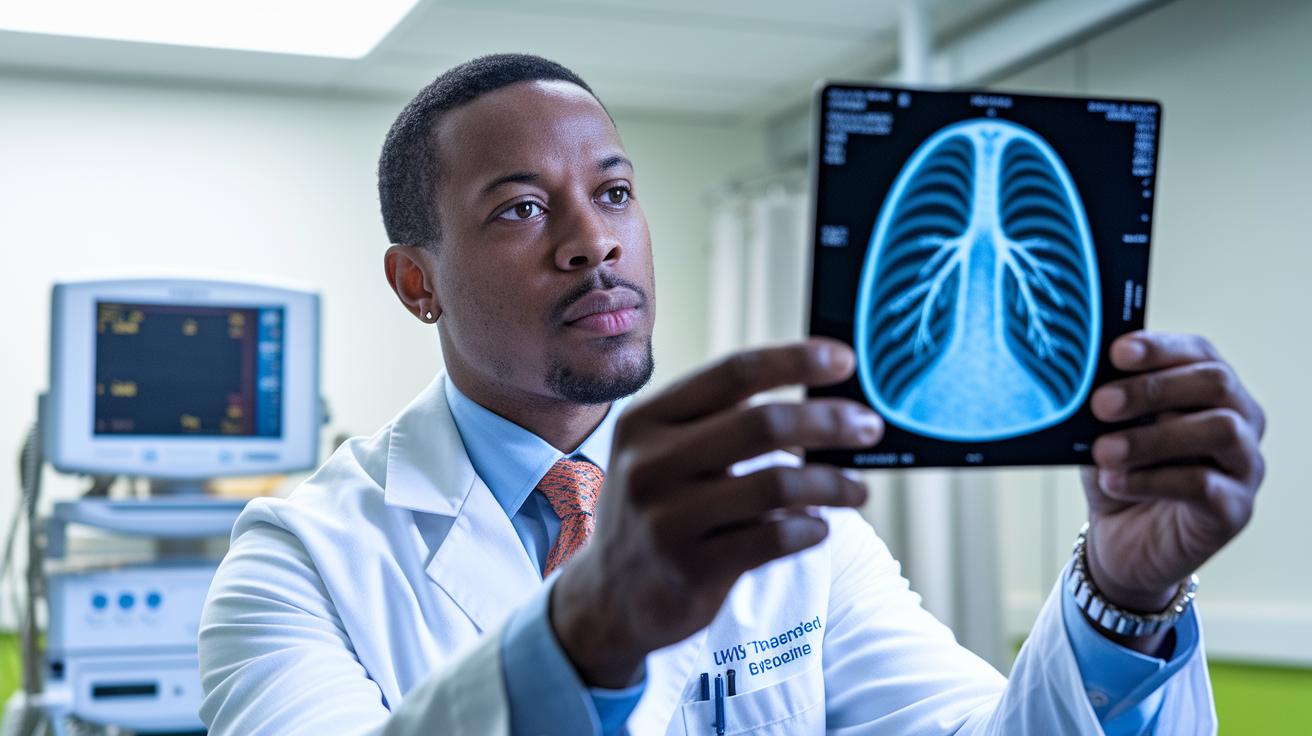
Patients with early stage non-small cell lung cancer, such as stage I or II, are often good candidates for surgery. Doctors choose surgery when the tumor stays in one area, the person is in overall good health, and the cancer has not spread to other parts of the body. Surgeons use scans and lung function tests to make sure the patient is fit for the operation.

There are different surgical methods available. One option is a wedge resection, where only the tumor and a small area of nearby tissue are removed. Another method, called a segmentectomy, removes one section of the lung. If needed, the surgeon may perform a lobectomy, which takes out an entire section of the lung, or even a pneumonectomy, which involves removing the whole lung. The choice of procedure depends on the tumor size, its location, and the overall health of the patient. For example, a wedge resection might be preferred when keeping as much lung tissue as possible is very important.

Most patients with early stage lung cancer experience positive outcomes after surgery. These operations can help control the cancer over a long period. However, there are risks such as infection or a temporary decrease in lung function while recovering. Surgeons take careful steps during planning and after the surgery to lower these risks and help patients enjoy an improved quality of life.

Chemotherapy regimens in lung cancer therapy

Chemotherapy for lung cancer uses medication that targets cells which grow quickly. It is given in cycles, periods of treatment followed by breaks. Think of it like rounds in a game, where each round is designed to fight the cancer while giving healthy cells a chance to bounce back.

For non-small cell lung cancer, doctors often use a pair of drugs that include a platinum drug, such as cisplatin with pemetrexed. In small cell lung cancer, a common team is cisplatin with etoposide. These treatment plans are set out over several weeks and include planned rest periods. This balance helps to attack the cancer while allowing the body to recover.

Patients may experience side effects like nausea, tiredness, and lower blood cell counts, which could increase the risk of infection. To help manage these effects, doctors might prescribe anti-nausea medicine, white blood cell boosters, or adjust the dose. This supportive care is key for keeping patients as comfortable and healthy as possible during their treatment.

Radiation therapy options for lung cancer

img-2.jpg

Radiation therapy uses a few different methods to target lung tumors with precision. One common approach is conventional X-ray therapy, where small doses are given over many sessions to gradually shrink the tumor. Another method, stereotactic body radiotherapy (SBRT), sends a high dose over one to five sessions that zero in on the tumor while protecting the healthy tissue around it. There is also proton therapy, which uses protons to deliver energy right to the cancer, reducing the risk of harm to nearby areas. Doctors decide on the best method by looking at the tumor size, location, and the patient’s overall health.

When surgery isn’t an option, especially in cases of unresectable stage III lung cancer, radiation treatment is often recommended. In such situations, radiation is usually combined with chemotherapy, known as chemoradiation, to make the tumor more likely to respond. Patients might experience side effects like fatigue, skin irritation, or slight discomfort when swallowing. Health professionals monitor these symptoms carefully and adjust the treatment as needed, ensuring that the therapy remains both effective and as comfortable as possible.

Targeted and immunotherapy strategies in lung cancer

Targeted treatments and immune therapies offer new hope for lung cancer by focusing on the unique features of cancer cells. These methods use precision medicine to block specific gene changes like EGFR, ALK, and ROS1 that cause tumors to grow. They also include medicines such as bevacizumab that work by stopping blood vessel growth, effectively cutting off the tumor's supply of nutrients. Immune therapies, like PD-1 inhibitors, help train your body to better identify and fight cancer cells. Think of it like finding the perfect key to unlock a difficult door, the right treatment targets the right part of the cancer to help your body fight back.

Treatment Class Drug Examples Mechanism & Indications
Targeted Therapy Erlotinib, Gefitinib Blocks EGFR mutations for patients with EGFR-positive tumors
Targeted Therapy Crizotinib, Ceritinib Inhibits ALK and ROS1 rearrangements to slow tumor growth
Immunotherapy Nivolumab, Pembrolizumab PD-1 inhibitors that boost the immune system’s ability to recognize cancer in advanced NSCLC
Immunotherapy Atezolizumab PD-L1 inhibitor that helps the immune system target cancer cells

Before starting any treatment, patients have tests to find specific markers, like gene changes and immune signals in their tumors. This important step helps doctors choose the best treatment plan for each individual. By matching the treatment to the unique profile of a patient's cancer, doctors can improve the benefits and work toward better outcomes in lung cancer care.

Supportive and palliative care in lung cancer treatment
img-3.jpg

When facing lung cancer, palliative care is an essential part of managing the disease at every stage. This kind of care focuses on easing symptoms and making day-to-day life better for both patients and their families. Whether you're in the middle of active treatment or dealing with more advanced stages, palliative care helps ease pain and lessen other physical challenges.

There are many support services that work alongside regular lung cancer treatments. For example, pulmonary rehabilitation programs help keep your lungs working well, while therapies like acupuncture and massage can ease discomfort. Plus, many patients find comfort with a team of experts who guide them through managing symptoms and coordinating care, even as they continue with other treatments. Together, these services are designed to meet both physical needs and everyday challenges, helping you feel more supported and cared for.

Emerging clinical trials and novel therapies for lung cancer

Scientists are now exploring lung cancer with fresh ideas. They are testing new immunotherapy mixes, special drugs that target cancer more precisely, and studies that could help detect the disease earlier. Some researchers are looking at how combining immunotherapy with standard treatments might help the body fight cancer more effectively. Others are focused on drugs designed to block the signals that make lung cancer grow. There is also promising work on liquid biopsies, which are simple blood tests that look for cancer markers early. This new research could lead to treatments that make a big difference for patients in the future.

If you or someone you care about is interested in cutting-edge treatment options, clinical trials might be a promising path. Many of these studies can be found online, carefully matching people with specific health profiles. It might be useful to chat with your doctor or healthcare team to see which clinical trial could be the right fit. Local cancer centers and specialized trial coordinators can also offer guidance on how to join. Taking these steps can help you play a more active role in your care and explore new treatments beyond the usual methods.

Final Words

In the action, we explored lung cancer treatment options by breaking down surgery, chemotherapy, radiation, targeted and immunotherapy, supportive care, and even the latest clinical trials. The post showed how each approach fits into a personalized plan based on cancer type and stage. We hope these insights help you gauge current strategies and feel confident about your health decisions. Every new study brings hope and progress as science continues to improve how we treat lung cancer.

FAQ

What does treatment for lung cancer stage 4 involve?

The treatment for lung cancer stage 4 involves a mix of chemotherapy, targeted therapy, immunotherapy, and supportive care. These approaches aim to slow cancer progression and improve quality of life.

How does lung cancer treatment differ by stage?

Lung cancer treatment by stage varies from surgical removal at an early stage to systemic therapies like chemotherapy and immunotherapy in advanced stages. Each plan is based on cancer spread and patient health.

What treatment is recommended for lung cancer stage 1?

The treatment for lung cancer stage 1 typically includes surgical removal of the tumor, sometimes combined with radiation or minimal chemotherapy to clear any remaining cancer cells.

What is the best lung cancer treatment available?

The best lung cancer treatment depends on the cancer type and stage. Options include surgery, radiation, chemotherapy, targeted agents, and immunotherapy, with choices made based on individual patient factors.

Can lung cancer be cured at stage 4?

The possibility of curing lung cancer at stage 4 is very low. Treatment instead focuses on extending life and relieving symptoms through systemic therapies and supportive care.

How can lung cancer be prevented?

Lung cancer prevention focuses on avoiding smoking and secondhand smoke, reducing exposure to harmful substances, and maintaining regular health screenings for those at risk.

What are the symptoms of stage 1 lung cancer?

Stage 1 lung cancer symptoms can be subtle or absent. Some patients may experience a mild cough, chest discomfort, or slight breathing difficulties, making early detection challenging.

What is the most effective lung cancer treatment?

The most effective lung cancer treatment is determined by the cancer’s stage and type. Early-stage cancers often benefit from surgery, while advanced cases need systemic treatments like chemotherapy, targeted, or immune therapies.

What is the life expectancy for someone with lung cancer?

Life expectancy for lung cancer patients varies widely. Early detection typically leads to longer survival, while advanced stages often have shorter survival times, influenced by overall health and treatment response.

Where does lung cancer usually spread first?

Lung cancer tends to spread first to nearby lymph nodes, then can involve the brain, bones, or liver. The spread pattern depends on the tumor’s biology and individual patient factors.

What is the best position for lung cancer patients during treatment?

The best position for lung cancer patients is one that eases breathing, such as sitting upright or with the head elevated. This positioning can help patients feel more comfortable during treatment sessions.

Have you ever thought that lung cancer treatment might really bring hope? New advances let doctors fight cancer on many fronts. For example, teams now mix surgery, chemotherapy, and modern therapies like immunotherapy (a treatment that boosts your immune system to fight cancer) to create plans that fit each patient perfectly. This variety of treatments attacks cancer from different angles, opening up chances for a better life. Many patients now feel that these evolving methods light up a future where hope and improved outcomes are within reach.

Comprehensive overview of lung cancer treatment options

Many doctors now use a mix of treatments to help fight lung cancer from different angles. This team approach means experts work together to design a plan that fits each patient's unique type and stage of cancer. They often combine well-known methods with newer options, sometimes including clinical trials (research studies that test new treatments).

  • Surgery: Involves cutting out the cancer through procedures like lobectomy (removing one part of the lung) or pneumonectomy (removing the entire lung) to eliminate tumors that are in one spot.
  • Chemotherapy: Uses drugs, such as platinum-based treatments, to attack cancer cells all over the body.
  • Radiation Therapy: Applies high-energy rays in either a general or highly focused way to shrink or control tumors.
  • Immunotherapy: Helps boost the immune system so it can better recognize and attack cancer cells.
  • Targeted Therapy: Uses medicines that aim at specific genetic changes found in some lung cancer cells.
  • Angiogenesis Inhibitors: Works by stopping new blood vessels from forming, effectively cutting off the tumor’s blood supply.

Choosing the right treatment usually depends on the detailed appearance of lung tissue under a microscope (histology) and the stage of the cancer, from stage I to stage IV. Knowing whether a cancer is non-small cell lung cancer or small cell lung cancer also helps doctors decide which methods will be most effective. With plans tailored to each patient’s situation, there is renewed hope for better survival and an improved quality of life.

Surgical treatment options for lung cancer

img-1.jpg

Patients with early stage non-small cell lung cancer, such as stage I or II, are often good candidates for surgery. Doctors choose surgery when the tumor stays in one area, the person is in overall good health, and the cancer has not spread to other parts of the body. Surgeons use scans and lung function tests to make sure the patient is fit for the operation.

There are different surgical methods available. One option is a wedge resection, where only the tumor and a small area of nearby tissue are removed. Another method, called a segmentectomy, removes one section of the lung. If needed, the surgeon may perform a lobectomy, which takes out an entire section of the lung, or even a pneumonectomy, which involves removing the whole lung. The choice of procedure depends on the tumor size, its location, and the overall health of the patient. For example, a wedge resection might be preferred when keeping as much lung tissue as possible is very important.

Most patients with early stage lung cancer experience positive outcomes after surgery. These operations can help control the cancer over a long period. However, there are risks such as infection or a temporary decrease in lung function while recovering. Surgeons take careful steps during planning and after the surgery to lower these risks and help patients enjoy an improved quality of life.

Chemotherapy regimens in lung cancer therapy

Chemotherapy for lung cancer uses medication that targets cells which grow quickly. It is given in cycles, periods of treatment followed by breaks. Think of it like rounds in a game, where each round is designed to fight the cancer while giving healthy cells a chance to bounce back.

For non-small cell lung cancer, doctors often use a pair of drugs that include a platinum drug, such as cisplatin with pemetrexed. In small cell lung cancer, a common team is cisplatin with etoposide. These treatment plans are set out over several weeks and include planned rest periods. This balance helps to attack the cancer while allowing the body to recover.

Patients may experience side effects like nausea, tiredness, and lower blood cell counts, which could increase the risk of infection. To help manage these effects, doctors might prescribe anti-nausea medicine, white blood cell boosters, or adjust the dose. This supportive care is key for keeping patients as comfortable and healthy as possible during their treatment.

Radiation therapy options for lung cancer

img-2.jpg

Radiation therapy uses a few different methods to target lung tumors with precision. One common approach is conventional X-ray therapy, where small doses are given over many sessions to gradually shrink the tumor. Another method, stereotactic body radiotherapy (SBRT), sends a high dose over one to five sessions that zero in on the tumor while protecting the healthy tissue around it. There is also proton therapy, which uses protons to deliver energy right to the cancer, reducing the risk of harm to nearby areas. Doctors decide on the best method by looking at the tumor size, location, and the patient’s overall health.

When surgery isn’t an option, especially in cases of unresectable stage III lung cancer, radiation treatment is often recommended. In such situations, radiation is usually combined with chemotherapy, known as chemoradiation, to make the tumor more likely to respond. Patients might experience side effects like fatigue, skin irritation, or slight discomfort when swallowing. Health professionals monitor these symptoms carefully and adjust the treatment as needed, ensuring that the therapy remains both effective and as comfortable as possible.

Targeted and immunotherapy strategies in lung cancer

Targeted treatments and immune therapies offer new hope for lung cancer by focusing on the unique features of cancer cells. These methods use precision medicine to block specific gene changes like EGFR, ALK, and ROS1 that cause tumors to grow. They also include medicines such as bevacizumab that work by stopping blood vessel growth, effectively cutting off the tumor's supply of nutrients. Immune therapies, like PD-1 inhibitors, help train your body to better identify and fight cancer cells. Think of it like finding the perfect key to unlock a difficult door, the right treatment targets the right part of the cancer to help your body fight back.

Treatment Class Drug Examples Mechanism & Indications
Targeted Therapy Erlotinib, Gefitinib Blocks EGFR mutations for patients with EGFR-positive tumors
Targeted Therapy Crizotinib, Ceritinib Inhibits ALK and ROS1 rearrangements to slow tumor growth
Immunotherapy Nivolumab, Pembrolizumab PD-1 inhibitors that boost the immune system’s ability to recognize cancer in advanced NSCLC
Immunotherapy Atezolizumab PD-L1 inhibitor that helps the immune system target cancer cells

Before starting any treatment, patients have tests to find specific markers, like gene changes and immune signals in their tumors. This important step helps doctors choose the best treatment plan for each individual. By matching the treatment to the unique profile of a patient's cancer, doctors can improve the benefits and work toward better outcomes in lung cancer care.

Supportive and palliative care in lung cancer treatment

img-3.jpg

When facing lung cancer, palliative care is an essential part of managing the disease at every stage. This kind of care focuses on easing symptoms and making day-to-day life better for both patients and their families. Whether you're in the middle of active treatment or dealing with more advanced stages, palliative care helps ease pain and lessen other physical challenges.

There are many support services that work alongside regular lung cancer treatments. For example, pulmonary rehabilitation programs help keep your lungs working well, while therapies like acupuncture and massage can ease discomfort. Plus, many patients find comfort with a team of experts who guide them through managing symptoms and coordinating care, even as they continue with other treatments. Together, these services are designed to meet both physical needs and everyday challenges, helping you feel more supported and cared for.

Emerging clinical trials and novel therapies for lung cancer

Scientists are now exploring lung cancer with fresh ideas. They are testing new immunotherapy mixes, special drugs that target cancer more precisely, and studies that could help detect the disease earlier. Some researchers are looking at how combining immunotherapy with standard treatments might help the body fight cancer more effectively. Others are focused on drugs designed to block the signals that make lung cancer grow. There is also promising work on liquid biopsies, which are simple blood tests that look for cancer markers early. This new research could lead to treatments that make a big difference for patients in the future.

If you or someone you care about is interested in cutting-edge treatment options, clinical trials might be a promising path. Many of these studies can be found online, carefully matching people with specific health profiles. It might be useful to chat with your doctor or healthcare team to see which clinical trial could be the right fit. Local cancer centers and specialized trial coordinators can also offer guidance on how to join. Taking these steps can help you play a more active role in your care and explore new treatments beyond the usual methods.

Final Words

In the action, we explored lung cancer treatment options by breaking down surgery, chemotherapy, radiation, targeted and immunotherapy, supportive care, and even the latest clinical trials. The post showed how each approach fits into a personalized plan based on cancer type and stage. We hope these insights help you gauge current strategies and feel confident about your health decisions. Every new study brings hope and progress as science continues to improve how we treat lung cancer.

FAQ

What does treatment for lung cancer stage 4 involve?

The treatment for lung cancer stage 4 involves a mix of chemotherapy, targeted therapy, immunotherapy, and supportive care. These approaches aim to slow cancer progression and improve quality of life.

How does lung cancer treatment differ by stage?

Lung cancer treatment by stage varies from surgical removal at an early stage to systemic therapies like chemotherapy and immunotherapy in advanced stages. Each plan is based on cancer spread and patient health.

What treatment is recommended for lung cancer stage 1?

The treatment for lung cancer stage 1 typically includes surgical removal of the tumor, sometimes combined with radiation or minimal chemotherapy to clear any remaining cancer cells.

What is the best lung cancer treatment available?

The best lung cancer treatment depends on the cancer type and stage. Options include surgery, radiation, chemotherapy, targeted agents, and immunotherapy, with choices made based on individual patient factors.

Can lung cancer be cured at stage 4?

The possibility of curing lung cancer at stage 4 is very low. Treatment instead focuses on extending life and relieving symptoms through systemic therapies and supportive care.

How can lung cancer be prevented?

Lung cancer prevention focuses on avoiding smoking and secondhand smoke, reducing exposure to harmful substances, and maintaining regular health screenings for those at risk.

What are the symptoms of stage 1 lung cancer?

Stage 1 lung cancer symptoms can be subtle or absent. Some patients may experience a mild cough, chest discomfort, or slight breathing difficulties, making early detection challenging.

What is the most effective lung cancer treatment?

The most effective lung cancer treatment is determined by the cancer’s stage and type. Early-stage cancers often benefit from surgery, while advanced cases need systemic treatments like chemotherapy, targeted, or immune therapies.

What is the life expectancy for someone with lung cancer?

Life expectancy for lung cancer patients varies widely. Early detection typically leads to longer survival, while advanced stages often have shorter survival times, influenced by overall health and treatment response.

Where does lung cancer usually spread first?

Lung cancer tends to spread first to nearby lymph nodes, then can involve the brain, bones, or liver. The spread pattern depends on the tumor’s biology and individual patient factors.

What is the best position for lung cancer patients during treatment?

The best position for lung cancer patients is one that eases breathing, such as sitting upright or with the head elevated. This positioning can help patients feel more comfortable during treatment sessions.

More from author

LEAVE A REPLY

Please enter your comment!
Please enter your name here

Related posts

Advertismentspot_img

Latest posts

How To Create A Daily Wellness Routine: Thriving

Curious about how to create a daily wellness routine that transforms your mornings and days? Read on as secrets await…

2 Daily Wellness Drink Tips For Radiance

Experience a daily wellness drink with natural herbs, green ingredients, and clinical backing that might change your routine forever, stay tuned.

Daily Wellness: Elevate Your Everyday Vitality

Daily wellness transforms everyday routines into mindful adjustments, merging nutrition, movement, and restorative sleep. What unforeseen practice awaits you next?

Want to stay up to date with the latest news?

We would love to hear from you! Please fill in your details and we will stay in touch. It's that simple!