Electronic Health: Empowering Digital Care

Have you ever felt that using paper charts might hold up your treatment? Imagine your doctor being able to see your full health history in seconds, like solving a simple puzzle. Electronic health records turn old paper files into a real-time tool that helps doctors decide fast. They gather lab results, medications, and pictures from tests to give a clear view of your overall health. This digital change means you get service quicker and care that fits your needs even better.

Defining Electronic Health: Key Concepts and Components

Electronic health means converting a patient’s paper chart into digital records. It moves us away from old paper files to systems that update patient data in real time. This way, authorized users can quickly get accurate, patient-focused information when needed. Picture a doctor checking a patient’s full medical history during an emergency. This easy access not only speeds up care decisions but also improves the quality of treatment. It includes current medication lists, lab test results, and even diagnostic images, all working together to give a complete picture.

This new way of handling health information also focuses on interoperability, which is a fancy term meaning different healthcare systems can easily share data with each other. Think of it like putting together a puzzle where every piece, billing, test results, and treatment history, fits perfectly to show the whole story of a patient’s health. By bringing these parts together, digital health systems help different healthcare providers work as a team, making sure no important details are missed.

Benefits of Electronic Health Systems for Patient Care

img-1.jpg

Electronic health systems change the way patients receive care. They offer quick, safe, and complete access to important health records, making it easier for care providers to work efficiently and for patients to get the best treatment. Here are seven clear benefits:

  • Better quality care: Doctors and nurses can view a full, real-time history of a patient's health. This means they can make fast and smart decisions.
  • Improved efficiency: Hospitals and clinics can cut down on paperwork, saving time and money. These savings help them deliver better care.
  • More patient involvement: When patients can see their own records, they become active partners in managing their health.
  • Fewer medication mistakes: Having instant access to details like allergies and previous treatments helps prevent errors in prescriptions.
  • Stronger data security: Using methods like encryption (a way to keep data secret) and regular backups makes sure that patient information stays safe.
  • Easier data access: Whether you're at a hospital, a small clinic, or even in a remote area, care teams can get to essential records on any authorized device.
  • Long-term cost savings: Reducing duplicate tests and speeding up operations helps save money over time.

Overall, these benefits show how digital health systems put patients at the center of care. By making health records both transparent and secure, these systems help ensure that every patient gets timely, safe, and effective treatment.

Integrating Electronic Health into Clinical Workflows

Using digital health records that connect smoothly within clinical workflows can really change the way care is delivered. When patient data flows automatically between different areas of a clinic, healthcare providers get the most recent information right away. Imagine a patient arriving at a clinic and every department, from the lab to imaging, already knowing their accurate medical history. A dedicated team created an interoperability framework that looks at many factors to make this happen. This system supports secure, real-time data sharing, reduces duplicate tests, and helps in making smarter treatment choices. It’s like a relay race where each runner hands off the baton in perfect rhythm.

Bringing these systems into everyday care makes everything run more smoothly and avoids extra work. Picture a nurse checking updated records on a secure portal while another specialist reviews past imaging results at the same time. This concurrent access boosts efficiency, making sure every healthcare professional gets the information they need right away. Clinics are now turning to workflow automation and digital data integration as key strategies. These smart approaches help cut down on repetition, coordinate care better, and ultimately lead to improved patient outcomes and fewer treatment delays.

Framework Name Developer Group Primary Focus
Framework A Specialized Health Group A Real-time data exchange
Framework B National Health Consortium Inter-department coordination
Framework C Global IT Solutions Secure access integration

Regulatory and Security Considerations in Electronic Health
img-2.jpg

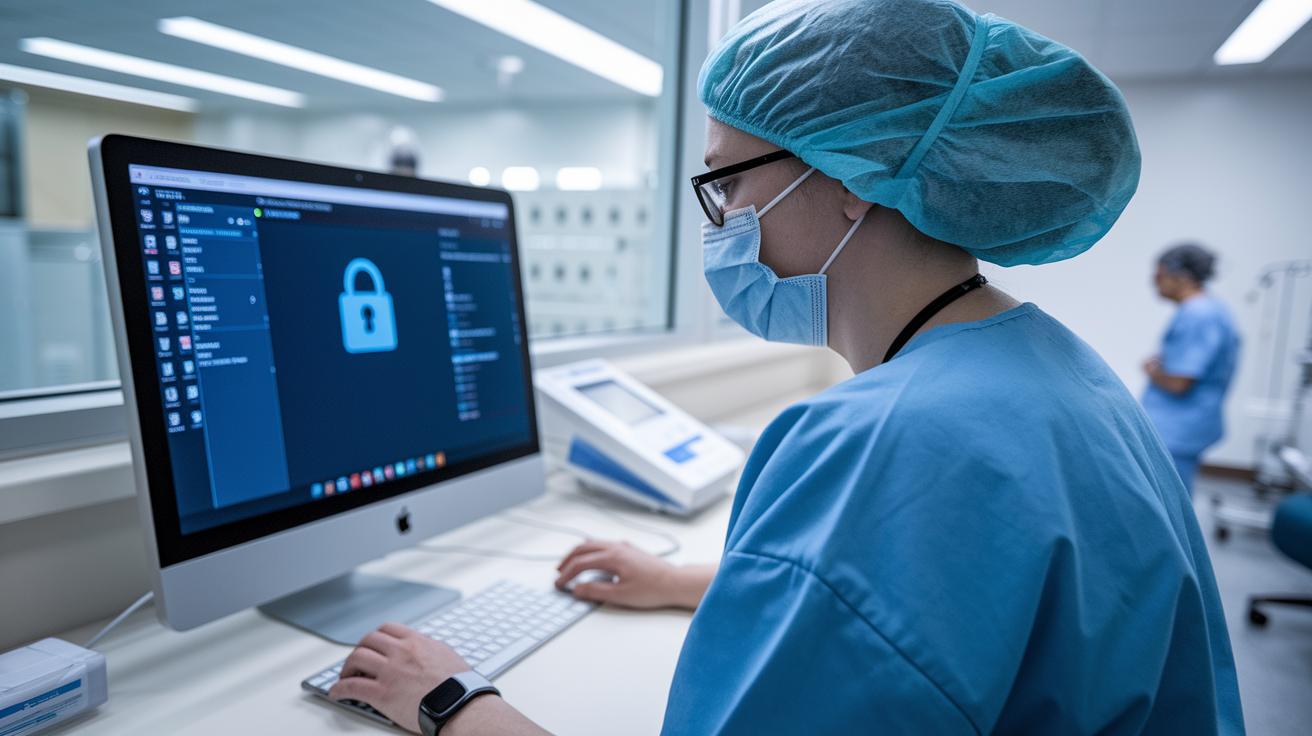
Digital health systems use strong encryption methods and routine backups to protect patients' sensitive information. Encryption works like a secret code that only allowed users can unlock. Regular backups act like safety nets, ensuring data can be recovered if there are computer problems or cyber threats. Imagine having a secure backup that stops data loss during an unexpected system issue, it gives comfort to both patients and healthcare workers.

Keeping a digital audit trail is very important. Every time someone looks at, changes, or moves a record, the system automatically logs details like the date, time, and user. This log shows who accessed the information and when. For example, if a patient's record is checked during an emergency, the audit trail records what happened, helping to spot unusual activities and supporting data trustworthiness.

Following HIPAA standards is essential in this digital setup. HIPAA is a law that requires systems to let only approved people access records, to produce clear reports on compliance, and to perform regular risk checks. Health organizations update their security rules to handle new risks. These routine reviews help identify weak spots so that care providers can continuously improve their defenses. This constant effort keeps digital health systems safe, lawful, and reliable.

Best Practices for Implementing Electronic Health Solutions

Healthcare organizations can benefit from clear, step-by-step plans that mix time-tested methods with modern IT practices. By updating care with digital practice management, teams can simplify their work processes and lower costs. The transition involves reviewing the costs of digitization, blending innovative digital tools, and using practical steps like electronic prior authorization. This roadmap helps shift old methods into lean digital models that improve patient care and reduce administrative delays.

Structured Training Programs

A vital part of digital transformation is hands-on training. For example, a two-day boot camp set for Sept. 17–18, 2025, offers interactive modules that mimic everyday clinical situations. This approach walks participants through everything from navigating the system to troubleshooting issues, ensuring they pick up practical digital skills they can use immediately. It’s much like a workshop where fresh ideas meet real solutions.

Case Studies on Burnout Reduction

Real-world examples show that focused training and practical problem-solving can lower physician burnout. When health AI (computer systems that aid health care decisions) is combined with electronic prior authorization, the impact is clear. One study even found that physicians in hospitals use health AI about 8% more than those in private practice. These insights suggest that well-designed digital training not only sharpens technical skills but also helps balance workloads, boosting overall well-being and productivity in clinical settings.

img-3.jpg

Health AI is transforming how medical care is delivered. It offers smart tools that help predict risks early, much like a second set of experienced eyes supporting decisions. In fact, doctors who use these tools adopt them 8% more quickly compared to those in typical private practices. Imagine a clinician watching an AI dashboard that picks up even small changes in patient data, it makes spotting potential problems much easier.

Cloud solutions are also changing the way we store and access medical records. Now, healthcare providers can securely retrieve important records from any authorized device across the country. Picture a small rural clinic that taps into a national system to view a patient’s entire medical history. This means that care is delivered more smoothly and efficiently, no matter where you are.

Innovation labs and startups are testing new digital ideas to further improve healthcare. For example, some are exploring blockchain technology for extra security with patient data. Others are developing mobile apps so patients can monitor their health from home, with the same trust you’d have in a hospital system. These experiments open up a world of possibilities, guiding the healthcare industry toward more connected and proactive care.

Final Words

In the action, we reviewed how electronic health redefines patient care by merging secure digital records with smoother clinical workflows. We touched on its key components, patient safety measures, and best practices for adoption. Each section brought insight into data management, tech integration, and emerging tools like AI and cloud-based solutions.

This recap highlights straightforward approaches to making informed health decisions. Keep embracing the evolving world of electronic health and stay motivated toward improved well-being!

FAQ

What is an example of an electronic health record?

The electronic health record example is a digital version of a patient’s paper chart that securely provides real-time, patient-focused information to authorized healthcare providers.

What are the benefits and advantages of electronic health records?

The benefits of electronic health records include faster access to patient data, improved care quality, fewer medication errors, increased engagement, heightened efficiency, and long-term cost savings that support better clinical outcomes.

What are the different types of electronic health record systems?

The different types of electronic health record systems include integrated systems for hospitals, standalone systems for private practices, and specialty-specific systems designed to meet unique clinical needs.

What is the difference between EMR and EHR?

The difference between EMR and EHR is that an EMR is a digital version of a patient chart used within one facility, whereas an EHR offers a comprehensive view of patient health that is shared across multiple care settings.

What does an electronic health specialist do?

The role of an electronic health specialist involves managing digital patient records, optimizing system functionality, ensuring data security, and supporting compliance with healthcare regulations to improve patient care.

How do electronic health records support nursing practice?

Electronic health records support nursing practice by streamlining documentation, reducing errors, and providing immediate access to patient histories, all of which help nurses deliver timely and effective care.

What file formats like PDF or PPT are available for electronic health records?

Electronic health records resources are often available in PDF and PPT formats, offering sample files and presentation materials that guide healthcare providers in adopting digital record systems.

What are electronic healthcare resources?

Electronic healthcare resources refer to digital platforms and tools that manage patient data securely, streamline care coordination, and improve communication among healthcare professionals.

Have you ever felt that using paper charts might hold up your treatment? Imagine your doctor being able to see your full health history in seconds, like solving a simple puzzle. Electronic health records turn old paper files into a real-time tool that helps doctors decide fast. They gather lab results, medications, and pictures from tests to give a clear view of your overall health. This digital change means you get service quicker and care that fits your needs even better.

Defining Electronic Health: Key Concepts and Components

Electronic health means converting a patient’s paper chart into digital records. It moves us away from old paper files to systems that update patient data in real time. This way, authorized users can quickly get accurate, patient-focused information when needed. Picture a doctor checking a patient’s full medical history during an emergency. This easy access not only speeds up care decisions but also improves the quality of treatment. It includes current medication lists, lab test results, and even diagnostic images, all working together to give a complete picture.

This new way of handling health information also focuses on interoperability, which is a fancy term meaning different healthcare systems can easily share data with each other. Think of it like putting together a puzzle where every piece, billing, test results, and treatment history, fits perfectly to show the whole story of a patient’s health. By bringing these parts together, digital health systems help different healthcare providers work as a team, making sure no important details are missed.

Benefits of Electronic Health Systems for Patient Care

img-1.jpg

Electronic health systems change the way patients receive care. They offer quick, safe, and complete access to important health records, making it easier for care providers to work efficiently and for patients to get the best treatment. Here are seven clear benefits:

  • Better quality care: Doctors and nurses can view a full, real-time history of a patient's health. This means they can make fast and smart decisions.
  • Improved efficiency: Hospitals and clinics can cut down on paperwork, saving time and money. These savings help them deliver better care.
  • More patient involvement: When patients can see their own records, they become active partners in managing their health.
  • Fewer medication mistakes: Having instant access to details like allergies and previous treatments helps prevent errors in prescriptions.
  • Stronger data security: Using methods like encryption (a way to keep data secret) and regular backups makes sure that patient information stays safe.
  • Easier data access: Whether you're at a hospital, a small clinic, or even in a remote area, care teams can get to essential records on any authorized device.
  • Long-term cost savings: Reducing duplicate tests and speeding up operations helps save money over time.

Overall, these benefits show how digital health systems put patients at the center of care. By making health records both transparent and secure, these systems help ensure that every patient gets timely, safe, and effective treatment.

Integrating Electronic Health into Clinical Workflows

Using digital health records that connect smoothly within clinical workflows can really change the way care is delivered. When patient data flows automatically between different areas of a clinic, healthcare providers get the most recent information right away. Imagine a patient arriving at a clinic and every department, from the lab to imaging, already knowing their accurate medical history. A dedicated team created an interoperability framework that looks at many factors to make this happen. This system supports secure, real-time data sharing, reduces duplicate tests, and helps in making smarter treatment choices. It’s like a relay race where each runner hands off the baton in perfect rhythm.

Bringing these systems into everyday care makes everything run more smoothly and avoids extra work. Picture a nurse checking updated records on a secure portal while another specialist reviews past imaging results at the same time. This concurrent access boosts efficiency, making sure every healthcare professional gets the information they need right away. Clinics are now turning to workflow automation and digital data integration as key strategies. These smart approaches help cut down on repetition, coordinate care better, and ultimately lead to improved patient outcomes and fewer treatment delays.

Framework Name Developer Group Primary Focus
Framework A Specialized Health Group A Real-time data exchange
Framework B National Health Consortium Inter-department coordination
Framework C Global IT Solutions Secure access integration

Regulatory and Security Considerations in Electronic Health

img-2.jpg

Digital health systems use strong encryption methods and routine backups to protect patients' sensitive information. Encryption works like a secret code that only allowed users can unlock. Regular backups act like safety nets, ensuring data can be recovered if there are computer problems or cyber threats. Imagine having a secure backup that stops data loss during an unexpected system issue, it gives comfort to both patients and healthcare workers.

Keeping a digital audit trail is very important. Every time someone looks at, changes, or moves a record, the system automatically logs details like the date, time, and user. This log shows who accessed the information and when. For example, if a patient's record is checked during an emergency, the audit trail records what happened, helping to spot unusual activities and supporting data trustworthiness.

Following HIPAA standards is essential in this digital setup. HIPAA is a law that requires systems to let only approved people access records, to produce clear reports on compliance, and to perform regular risk checks. Health organizations update their security rules to handle new risks. These routine reviews help identify weak spots so that care providers can continuously improve their defenses. This constant effort keeps digital health systems safe, lawful, and reliable.

Best Practices for Implementing Electronic Health Solutions

Healthcare organizations can benefit from clear, step-by-step plans that mix time-tested methods with modern IT practices. By updating care with digital practice management, teams can simplify their work processes and lower costs. The transition involves reviewing the costs of digitization, blending innovative digital tools, and using practical steps like electronic prior authorization. This roadmap helps shift old methods into lean digital models that improve patient care and reduce administrative delays.

Structured Training Programs

A vital part of digital transformation is hands-on training. For example, a two-day boot camp set for Sept. 17–18, 2025, offers interactive modules that mimic everyday clinical situations. This approach walks participants through everything from navigating the system to troubleshooting issues, ensuring they pick up practical digital skills they can use immediately. It’s much like a workshop where fresh ideas meet real solutions.

Case Studies on Burnout Reduction

Real-world examples show that focused training and practical problem-solving can lower physician burnout. When health AI (computer systems that aid health care decisions) is combined with electronic prior authorization, the impact is clear. One study even found that physicians in hospitals use health AI about 8% more than those in private practice. These insights suggest that well-designed digital training not only sharpens technical skills but also helps balance workloads, boosting overall well-being and productivity in clinical settings.

img-3.jpg

Health AI is transforming how medical care is delivered. It offers smart tools that help predict risks early, much like a second set of experienced eyes supporting decisions. In fact, doctors who use these tools adopt them 8% more quickly compared to those in typical private practices. Imagine a clinician watching an AI dashboard that picks up even small changes in patient data, it makes spotting potential problems much easier.

Cloud solutions are also changing the way we store and access medical records. Now, healthcare providers can securely retrieve important records from any authorized device across the country. Picture a small rural clinic that taps into a national system to view a patient’s entire medical history. This means that care is delivered more smoothly and efficiently, no matter where you are.

Innovation labs and startups are testing new digital ideas to further improve healthcare. For example, some are exploring blockchain technology for extra security with patient data. Others are developing mobile apps so patients can monitor their health from home, with the same trust you’d have in a hospital system. These experiments open up a world of possibilities, guiding the healthcare industry toward more connected and proactive care.

Final Words

In the action, we reviewed how electronic health redefines patient care by merging secure digital records with smoother clinical workflows. We touched on its key components, patient safety measures, and best practices for adoption. Each section brought insight into data management, tech integration, and emerging tools like AI and cloud-based solutions.

This recap highlights straightforward approaches to making informed health decisions. Keep embracing the evolving world of electronic health and stay motivated toward improved well-being!

FAQ

What is an example of an electronic health record?

The electronic health record example is a digital version of a patient’s paper chart that securely provides real-time, patient-focused information to authorized healthcare providers.

What are the benefits and advantages of electronic health records?

The benefits of electronic health records include faster access to patient data, improved care quality, fewer medication errors, increased engagement, heightened efficiency, and long-term cost savings that support better clinical outcomes.

What are the different types of electronic health record systems?

The different types of electronic health record systems include integrated systems for hospitals, standalone systems for private practices, and specialty-specific systems designed to meet unique clinical needs.

What is the difference between EMR and EHR?

The difference between EMR and EHR is that an EMR is a digital version of a patient chart used within one facility, whereas an EHR offers a comprehensive view of patient health that is shared across multiple care settings.

What does an electronic health specialist do?

The role of an electronic health specialist involves managing digital patient records, optimizing system functionality, ensuring data security, and supporting compliance with healthcare regulations to improve patient care.

How do electronic health records support nursing practice?

Electronic health records support nursing practice by streamlining documentation, reducing errors, and providing immediate access to patient histories, all of which help nurses deliver timely and effective care.

What file formats like PDF or PPT are available for electronic health records?

Electronic health records resources are often available in PDF and PPT formats, offering sample files and presentation materials that guide healthcare providers in adopting digital record systems.

What are electronic healthcare resources?

Electronic healthcare resources refer to digital platforms and tools that manage patient data securely, streamline care coordination, and improve communication among healthcare professionals.

More from author

LEAVE A REPLY

Please enter your comment!
Please enter your name here

Related posts

Advertismentspot_img

Latest posts

How To Create A Daily Wellness Routine: Thriving

Curious about how to create a daily wellness routine that transforms your mornings and days? Read on as secrets await…

2 Daily Wellness Drink Tips For Radiance

Experience a daily wellness drink with natural herbs, green ingredients, and clinical backing that might change your routine forever, stay tuned.

Daily Wellness: Elevate Your Everyday Vitality

Daily wellness transforms everyday routines into mindful adjustments, merging nutrition, movement, and restorative sleep. What unforeseen practice awaits you next?

Want to stay up to date with the latest news?

We would love to hear from you! Please fill in your details and we will stay in touch. It's that simple!