Whole Wheat Foods: Wholesome Benefits And Tasty Choices

Is whole wheat just an ordinary grain or a hidden nutritional powerhouse? Have you ever wondered if switching to whole wheat can add both flavor and health benefits to your meals?

Whole wheat uses every part of the grain, which means you get plenty of fiber (a natural aid for digestion), vitamins, and energy in every bite. It’s like enjoying a simple, natural boost that not only supports smooth digestion but also keeps your energy levels steady.

In this article, we explain how whole wheat foods can help you feel satisfied and nourished without sacrificing taste. You might just be surprised by how making this simple change can transform your everyday meals into something both wholesome and delicious.

Understanding Whole Wheat Foods: Definition and Key Characteristics

Whole wheat foods come from whole grains, which means the grain's bran, germ, and endosperm are all included. The bran gives you plenty of fiber, the germ is packed with vitamins and antioxidants (substances that help protect your cells), and the endosperm is where the energy-packed carbohydrates live. Unlike refined grains where the healthy parts are removed during processing, whole wheat holds on to all its natural benefits. For example, whole wheat bread or pasta not only tastes great but also makes a solid contribution to a balanced diet.

The natural fiber in whole wheat helps keep your digestion smooth and makes you feel full after eating, helping to steady your energy. When you use whole wheat flour in recipes, you might enjoy a pleasantly nutty taste in pancakes, muffins, or other baked goodies. This flexibility is why many cooks and health enthusiasts are switching from refined grains to whole wheat to enrich both flavor and nutrition in everyday meals.

Food Item Serving Size Fiber (g) Protein (g) Calories
Whole Wheat Flour 30g 3 4 110
Whole Wheat Bread 1 slice (40g) 2 3 100
Whole Wheat Pasta 56g 3 7 200
Bulgur Wheat 1/2 cup 4 5 75
Cracked Wheat 1/2 cup 4 6 80

Health Advantages of Whole Wheat Foods
img-1.jpg

Whole wheat foods are full of fiber, which is great for keeping your digestion on track. Fiber helps move food through your digestive system, easing constipation and supporting a healthy gut. For example, a slice of whole wheat bread can naturally help keep things moving while also making you feel full longer. This feeling of fullness can be really helpful if you're trying to manage your weight.

Whole wheat foods also offer complex carbohydrates that serve as a slow and steady source of energy. Unlike the quick burst you get from simple carbs in sugary snacks or processed grains, the energy from whole grains is released gradually. Think of it like fueling your body with a slow-burning log rather than a quick spark. This means you can enjoy balanced energy levels throughout the day, whether you just finished a morning workout or are deep into a busy workday.

Regularly including whole wheat in your meals can also boost your overall wellness. The combination of fiber and complex carbohydrates helps keep your blood sugar levels steady by preventing sharp spikes and drops. Over time, these benefits can contribute to a lower risk of chronic conditions and support a healthier lifestyle.

Whole wheat foods: wholesome benefits and tasty choices

Bulgur wheat, also known as cracked wheat, shines in many traditional Middle Eastern dishes. Typically, you boil or soak it first, then mix it with crisp vegetables and fresh herbs to create lively salads or warm pilafs. Its chewy texture and gentle nutty flavor make it a perfect match for a variety of meals, plus it offers all the nutritious parts of the grain.

Spelt is one of the oldest forms of whole wheat. It has a mild, sweet flavor and a charming nutty aroma that many have loved over the centuries. People enjoy it in hearty porridges or use it as an alternative flour in baked goods. Whether you’re making bread or muffins, spelt adds a cozy, distinctive taste that feels both rustic and modern.

Whole-wheat pasta is a smart and simple choice for those wanting a nutritious twist on their favorite dishes. Made from the entire wheat kernel, it brings a full spectrum of nutrients to meals that range from light vegetable mixes to rich tomato sauces. Its firm texture and soft, earthy flavor make it a great partner for both basic toppings and more complex, spice-filled ingredients.

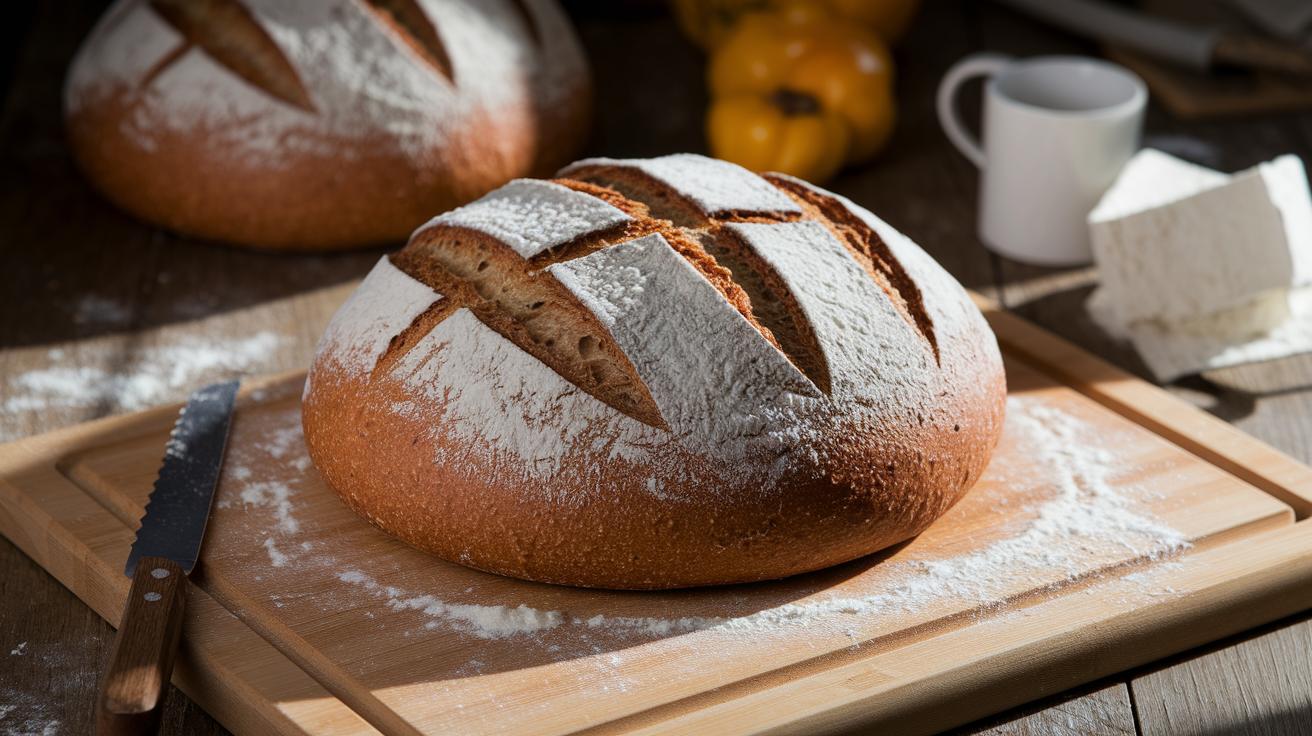
Whole wheat bread is a beloved kitchen staple for many families. Whether it’s used for sandwiches, toast, or as a side with soups and salads, this bread delivers a wholesome, nutty flavor that boosts everyday meals. Its rich taste and balanced texture make it a satisfying substitute for breads made with refined grains, offering both great flavor and solid nutritional benefits.

Simple Whole Wheat Meal Inspirations and Recipes

img-2.jpg

Whole wheat can add a natural boost to your everyday meals. It brings comfort to traditional dishes while packing in the extra nutrition that whole grains provide. The recipes below are simple to prepare and fit perfectly into your daily routine.

When you choose whole wheat over refined grains, you enjoy the benefits of all parts of the grain, the fiber-rich bran, the nutrient-dense germ, and the energy-giving endosperm. This balanced blend can give you a satisfying meal that keeps you full and energized through the day.

Recipe Description
Whole Wheat Pancakes Swap half of the white flour with whole wheat flour for a hearty start.
Bulgur Wheat Mediterranean Salad A fresh mix of tomatoes, cucumbers, and olive oil, perfect for a light meal.
Whole Wheat Pasta Primavera Enjoy a colorful plate of mixed vegetables tossed with a light sauce.
Hearty Whole Wheat Bread Loaf A basic recipe for a delicious and filling homemade bread.
Muffins with Whole Wheat Flour and Berries Sweet, nutritious muffins that are a great grab-and-go snack.
Warm Cracked-Wheat Breakfast Cereal with Fruit A comforting bowl of breakfast cereal that is both warm and satisfying.

Feel free to adjust these ideas to suit your taste and what you have in your pantry. You might add a pinch of cinnamon to your pancakes or sprinkle some fresh herbs over your salad. Mixing in seasonal vegetables with your pasta or tossing a handful of nuts into your muffins can also add a new twist to these recipes. Enjoy experimenting in your kitchen as you explore these whole wheat options that make meals both healthier and more creative.

Shopping, Storage, and Selection of Whole Wheat Products

When you're picking whole wheat products, always inspect the label closely. Look for clear markers like "100% whole wheat" or "whole wheat flour" as the first ingredient. This way, you avoid vague terms like "multigrain" or "made with whole grains" that can be misleading.

Take a careful look at the order of ingredients. If a package touts whole wheat benefits, make sure that whole grain is the main ingredient. That simple check ensures you get the fiber, nutrients, and natural flavor you expect from real whole grains.

Store your whole wheat flour and grains in airtight containers to keep them fresh. Keeping these items in the fridge or freezer helps slow down spoilage and prevents them from going rancid. For example, transferring your flour to a glass jar with a tight lid can help preserve its nutrients for a longer time.

Proper storage not only extends the shelf-life of your whole wheat products but also maintains their taste. Use cool, dry spots in your refrigerator or freezer and label your containers with the purchase date. This easy step keeps your pantry organized while ensuring that your natural grain products stay fresh and full of flavor.

Common Questions about Whole Wheat Foods

img-3.jpg

Are whole wheat foods safe for everyone, even if you're avoiding gluten? Whole wheat naturally contains gluten, which is a protein found in wheat that can be troublesome for people who have celiac disease (an immune reaction to gluten) or a gluten sensitivity.

If you need a gluten-free diet, you might want to try other grains instead. Options like quinoa, brown rice, or oats that are certified gluten-free can give you similar nutrition without the worry.

Before you pick your next grain-based meal, make sure to look for products that are clearly marked as gluten-free.

Final Words

In the action, this blog post explained what whole wheat foods are, diving into their key features and nutritional value. It broke down the fiber-rich benefits that support digestion and energy, while also spotlighting popular types like whole wheat bread and bulgur.

The post offered simple meal ideas and smart shopping tips for keeping these natural grains fresh. A friendly look at common questions made understanding whole wheat foods even more accessible. Enjoy adding these nutrient-rich options to your daily routine!

FAQ

What are some top whole wheat and whole grain foods?

The whole wheat foods list typically features items like whole wheat bread, pasta, flour, bulgur, and cracked wheat. Many guides offer picture lists or PDFs to help you find healthy whole grain options.

What whole grain foods work well for breakfast?

Whole grain foods for breakfast often include oatmeal, whole wheat toast, or cereals made with whole grains. These choices add fiber and provide lasting energy to start your day right.

What is the healthiest whole grain?

The idea of the healthiest whole grain centers on options that retain all kernel parts, like whole wheat, which supplies ample fiber, vitamins, and antioxidants. The best choice depends on your personal nutritional needs.

Are rice and oatmeal whole wheat foods?

The inquiry about rice and oatmeal reveals that neither is classified as whole wheat. Rice is a separate grain, and while oatmeal is a whole grain, it does not belong to the whole wheat family.

Is whole wheat just an ordinary grain or a hidden nutritional powerhouse? Have you ever wondered if switching to whole wheat can add both flavor and health benefits to your meals?

Whole wheat uses every part of the grain, which means you get plenty of fiber (a natural aid for digestion), vitamins, and energy in every bite. It’s like enjoying a simple, natural boost that not only supports smooth digestion but also keeps your energy levels steady.

In this article, we explain how whole wheat foods can help you feel satisfied and nourished without sacrificing taste. You might just be surprised by how making this simple change can transform your everyday meals into something both wholesome and delicious.

Understanding Whole Wheat Foods: Definition and Key Characteristics

Whole wheat foods come from whole grains, which means the grain's bran, germ, and endosperm are all included. The bran gives you plenty of fiber, the germ is packed with vitamins and antioxidants (substances that help protect your cells), and the endosperm is where the energy-packed carbohydrates live. Unlike refined grains where the healthy parts are removed during processing, whole wheat holds on to all its natural benefits. For example, whole wheat bread or pasta not only tastes great but also makes a solid contribution to a balanced diet.

The natural fiber in whole wheat helps keep your digestion smooth and makes you feel full after eating, helping to steady your energy. When you use whole wheat flour in recipes, you might enjoy a pleasantly nutty taste in pancakes, muffins, or other baked goodies. This flexibility is why many cooks and health enthusiasts are switching from refined grains to whole wheat to enrich both flavor and nutrition in everyday meals.

Food Item Serving Size Fiber (g) Protein (g) Calories
Whole Wheat Flour 30g 3 4 110
Whole Wheat Bread 1 slice (40g) 2 3 100
Whole Wheat Pasta 56g 3 7 200
Bulgur Wheat 1/2 cup 4 5 75
Cracked Wheat 1/2 cup 4 6 80

Health Advantages of Whole Wheat Foods

img-1.jpg

Whole wheat foods are full of fiber, which is great for keeping your digestion on track. Fiber helps move food through your digestive system, easing constipation and supporting a healthy gut. For example, a slice of whole wheat bread can naturally help keep things moving while also making you feel full longer. This feeling of fullness can be really helpful if you're trying to manage your weight.

Whole wheat foods also offer complex carbohydrates that serve as a slow and steady source of energy. Unlike the quick burst you get from simple carbs in sugary snacks or processed grains, the energy from whole grains is released gradually. Think of it like fueling your body with a slow-burning log rather than a quick spark. This means you can enjoy balanced energy levels throughout the day, whether you just finished a morning workout or are deep into a busy workday.

Regularly including whole wheat in your meals can also boost your overall wellness. The combination of fiber and complex carbohydrates helps keep your blood sugar levels steady by preventing sharp spikes and drops. Over time, these benefits can contribute to a lower risk of chronic conditions and support a healthier lifestyle.

Whole wheat foods: wholesome benefits and tasty choices

Bulgur wheat, also known as cracked wheat, shines in many traditional Middle Eastern dishes. Typically, you boil or soak it first, then mix it with crisp vegetables and fresh herbs to create lively salads or warm pilafs. Its chewy texture and gentle nutty flavor make it a perfect match for a variety of meals, plus it offers all the nutritious parts of the grain.

Spelt is one of the oldest forms of whole wheat. It has a mild, sweet flavor and a charming nutty aroma that many have loved over the centuries. People enjoy it in hearty porridges or use it as an alternative flour in baked goods. Whether you’re making bread or muffins, spelt adds a cozy, distinctive taste that feels both rustic and modern.

Whole-wheat pasta is a smart and simple choice for those wanting a nutritious twist on their favorite dishes. Made from the entire wheat kernel, it brings a full spectrum of nutrients to meals that range from light vegetable mixes to rich tomato sauces. Its firm texture and soft, earthy flavor make it a great partner for both basic toppings and more complex, spice-filled ingredients.

Whole wheat bread is a beloved kitchen staple for many families. Whether it’s used for sandwiches, toast, or as a side with soups and salads, this bread delivers a wholesome, nutty flavor that boosts everyday meals. Its rich taste and balanced texture make it a satisfying substitute for breads made with refined grains, offering both great flavor and solid nutritional benefits.

Simple Whole Wheat Meal Inspirations and Recipes

img-2.jpg

Whole wheat can add a natural boost to your everyday meals. It brings comfort to traditional dishes while packing in the extra nutrition that whole grains provide. The recipes below are simple to prepare and fit perfectly into your daily routine.

When you choose whole wheat over refined grains, you enjoy the benefits of all parts of the grain, the fiber-rich bran, the nutrient-dense germ, and the energy-giving endosperm. This balanced blend can give you a satisfying meal that keeps you full and energized through the day.

Recipe Description
Whole Wheat Pancakes Swap half of the white flour with whole wheat flour for a hearty start.
Bulgur Wheat Mediterranean Salad A fresh mix of tomatoes, cucumbers, and olive oil, perfect for a light meal.
Whole Wheat Pasta Primavera Enjoy a colorful plate of mixed vegetables tossed with a light sauce.
Hearty Whole Wheat Bread Loaf A basic recipe for a delicious and filling homemade bread.
Muffins with Whole Wheat Flour and Berries Sweet, nutritious muffins that are a great grab-and-go snack.
Warm Cracked-Wheat Breakfast Cereal with Fruit A comforting bowl of breakfast cereal that is both warm and satisfying.

Feel free to adjust these ideas to suit your taste and what you have in your pantry. You might add a pinch of cinnamon to your pancakes or sprinkle some fresh herbs over your salad. Mixing in seasonal vegetables with your pasta or tossing a handful of nuts into your muffins can also add a new twist to these recipes. Enjoy experimenting in your kitchen as you explore these whole wheat options that make meals both healthier and more creative.

Shopping, Storage, and Selection of Whole Wheat Products

When you're picking whole wheat products, always inspect the label closely. Look for clear markers like "100% whole wheat" or "whole wheat flour" as the first ingredient. This way, you avoid vague terms like "multigrain" or "made with whole grains" that can be misleading.

Take a careful look at the order of ingredients. If a package touts whole wheat benefits, make sure that whole grain is the main ingredient. That simple check ensures you get the fiber, nutrients, and natural flavor you expect from real whole grains.

Store your whole wheat flour and grains in airtight containers to keep them fresh. Keeping these items in the fridge or freezer helps slow down spoilage and prevents them from going rancid. For example, transferring your flour to a glass jar with a tight lid can help preserve its nutrients for a longer time.

Proper storage not only extends the shelf-life of your whole wheat products but also maintains their taste. Use cool, dry spots in your refrigerator or freezer and label your containers with the purchase date. This easy step keeps your pantry organized while ensuring that your natural grain products stay fresh and full of flavor.

Common Questions about Whole Wheat Foods

img-3.jpg

Are whole wheat foods safe for everyone, even if you're avoiding gluten? Whole wheat naturally contains gluten, which is a protein found in wheat that can be troublesome for people who have celiac disease (an immune reaction to gluten) or a gluten sensitivity.

If you need a gluten-free diet, you might want to try other grains instead. Options like quinoa, brown rice, or oats that are certified gluten-free can give you similar nutrition without the worry.

Before you pick your next grain-based meal, make sure to look for products that are clearly marked as gluten-free.

Final Words

In the action, this blog post explained what whole wheat foods are, diving into their key features and nutritional value. It broke down the fiber-rich benefits that support digestion and energy, while also spotlighting popular types like whole wheat bread and bulgur.

The post offered simple meal ideas and smart shopping tips for keeping these natural grains fresh. A friendly look at common questions made understanding whole wheat foods even more accessible. Enjoy adding these nutrient-rich options to your daily routine!

FAQ

What are some top whole wheat and whole grain foods?

The whole wheat foods list typically features items like whole wheat bread, pasta, flour, bulgur, and cracked wheat. Many guides offer picture lists or PDFs to help you find healthy whole grain options.

What whole grain foods work well for breakfast?

Whole grain foods for breakfast often include oatmeal, whole wheat toast, or cereals made with whole grains. These choices add fiber and provide lasting energy to start your day right.

What is the healthiest whole grain?

The idea of the healthiest whole grain centers on options that retain all kernel parts, like whole wheat, which supplies ample fiber, vitamins, and antioxidants. The best choice depends on your personal nutritional needs.

Are rice and oatmeal whole wheat foods?

The inquiry about rice and oatmeal reveals that neither is classified as whole wheat. Rice is a separate grain, and while oatmeal is a whole grain, it does not belong to the whole wheat family.

More from author

LEAVE A REPLY

Please enter your comment!
Please enter your name here

Related posts

Advertismentspot_img

Latest posts

How To Create A Daily Wellness Routine: Thriving

Curious about how to create a daily wellness routine that transforms your mornings and days? Read on as secrets await…

2 Daily Wellness Drink Tips For Radiance

Experience a daily wellness drink with natural herbs, green ingredients, and clinical backing that might change your routine forever, stay tuned.

Daily Wellness: Elevate Your Everyday Vitality

Daily wellness transforms everyday routines into mindful adjustments, merging nutrition, movement, and restorative sleep. What unforeseen practice awaits you next?

Want to stay up to date with the latest news?

We would love to hear from you! Please fill in your details and we will stay in touch. It's that simple!