Vaginal Health: Embrace Natural Balance

Have you ever thought that a calm routine might be the key to keeping your intimate health in check? Many people miss the simple habits that help prevent discomfort and infections.

Everyday choices matter. Using a mild cleanser and choosing fabrics that let your skin breathe is like gently tending to a special garden.

In this article, you'll learn easy steps to support your natural balance and enjoy lasting comfort. This way, you can feel confident and well-cared for every day.

Core Practices for Optimal Vaginal Health

Taking care of your intimate areas starts with knowing that the vulva and the vagina are not the same. The vulva is the outer part of your genital area and includes the pubic mound, clitoris, labia, and the openings for both the vagina and the urethra. The vagina, on the other hand, is an inner canal that links the external area to the cervix and uterus. Understanding these differences can help you follow daily hygiene tips and keep a balanced routine.

Simple daily habits lay the groundwork for long-term well-being. Think of your intimate area like a delicate flower, handle it with gentle care. Using a mild, water-based cleanser goes a long way in keeping it healthy. Here are five straightforward tips you can try:

  • Clean the area with gentle, unscented cleansers that keep the natural balance intact.
  • Practice safe sex by choosing doctor-recommended lubricants and protection, which help reduce irritation.
  • Wear breathable clothing, such as cotton underwear, to help keep the area dry.
  • Remember that pubic hair plays a protective role. Just keep it clean whether you trim it or let it grow.
  • Maintain your overall health by, for example, urinating after sex to help flush out bacteria.

Incorporating these simple routines into your daily life creates a natural defense against imbalances and infections. Sticking to these care practices not only boosts your immediate comfort but also supports your long-term vaginal health.

The Vaginal Microbiome: Bacteria and Balance

img-1.jpg

Inside your vagina, millions of tiny bacteria team up to keep everything in balance. This lively community plays a key role in blocking infections and supporting overall feminine health. A trusted gynecologist has checked these ideas to make sure they align with today’s medical advice. It’s important to keep a mix of different bacteria because variety helps build a stronger barrier against harmful germs.

Probiotics for feminine wellness naturally help nurture these good bacteria. Many choose everyday supplements that offer top probiotic support for their natural flora. These products include specific bacterial strains known to lower the risk of infections. When the vaginal ecosystem is balanced, it works together like a well-coordinated team, protecting you from irritation and inflammation.

Imagine the bacteria as teammates, each one playing a special role in defense. Probiotics for feminine wellness boost this teamwork, while top probiotics help provide your body with essential tools for protection. Regular use of these good bacteria helps maintain lasting balance and fortifies your natural defense. This approach shows the real value of keeping a diverse bacterial community to make your intimate area naturally resilient.

Establishing Advanced Vaginal Hygiene Routines

Daily gentle cleansing is the foundation of good vaginal health. Today, experts and new trends are suggesting you add extra steps for personalized insights and extra support.

Health professionals recommend checking your pH balance with easy-to-use test strips every few weeks. For example, test your pH regularly, and if you see any changes, talk with your doctor to adjust your routine.

Research shows that probiotics containing Lactobacillus strains (good bacteria that support natural flora) may help keep your balance in check. One expert mentioned that women who added a specific probiotic noticed fewer imbalances.

Using a simple health app to track symptoms lets you see patterns and discuss them with your provider for a routine that fits your needs.

  • Test your pH periodically to get quick feedback on your balance.
  • Consider targeted probiotics if imbalances keep coming back.
  • Record changes using a health app to better personalize your care.

Nutrition and Supplements to Support Vaginal Health
img-2.jpg

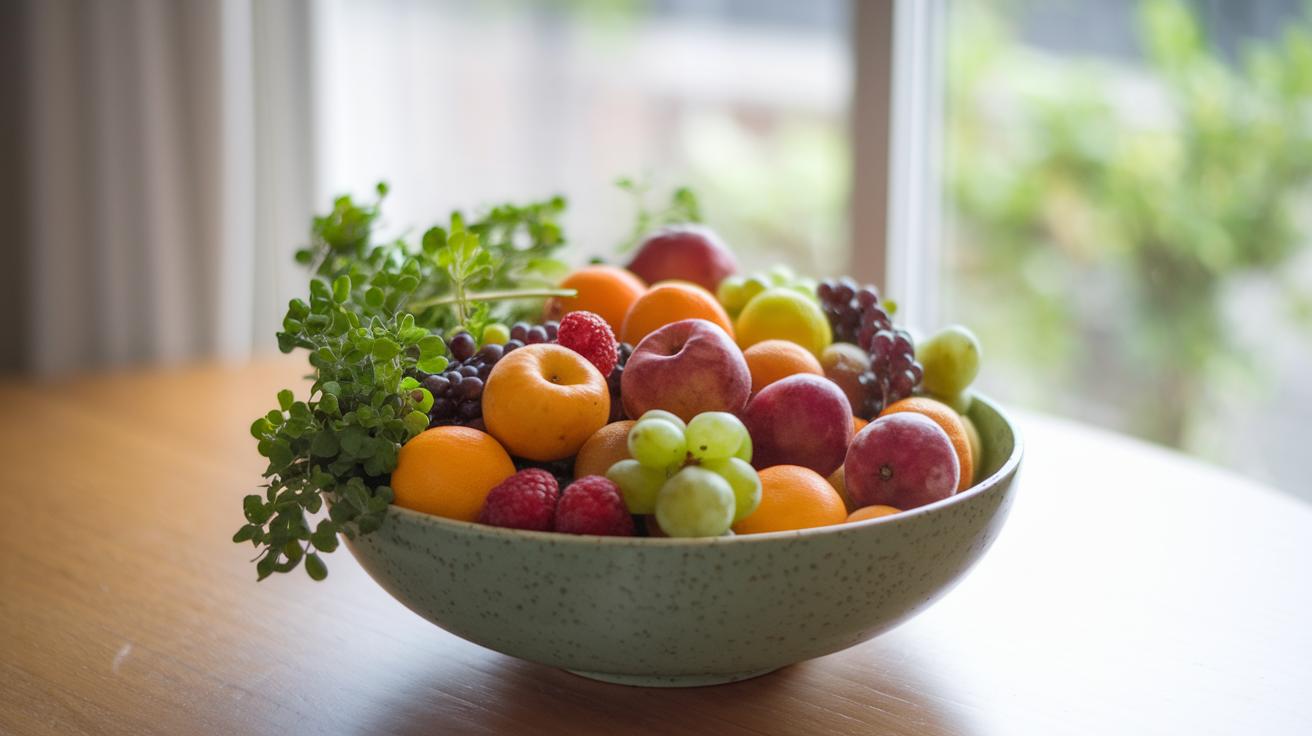
Eating a balanced mix of foods helps support your whole body, including your intimate area. Foods that boost tissue health keep your natural balance in check. You might even try nutrient-packed supplements when your meals feel like they’re missing something. Think of it like enjoying a smoothie bursting with antioxidant-rich fruits such as blueberries and strawberries, a tasty, refreshing way to care for yourself.

Vitamins can also make a big difference in feminine care. For example, vitamin E helps protect delicate tissues and supports natural repair. Adding a daily multivitamin with vitamin E to your routine can ensure your body gets enough nutrients, especially when your diet may fall short.

Another great tip is to include superfoods in your meals for extra strength. Leafy greens and nuts provide essential minerals and vitamins that boost tissue health. Pairing these superfoods with nutrient-packed supplements creates a double boost that not only nourishes your body overall but also supports the natural balance in your intimate area.

Consider simple options like a bowl of mixed fruits with whole grains or lean protein. These easy meal ideas help increase your vitamin intake and offer extra support for feminine care. With mindful choices in nutrition and the right supplements, you can maintain a healthy internal balance that benefits overall vaginal health.

At-Home Remedies for Vaginal Discomfort and Infections

When you feel vaginal discomfort, you can try some simple home remedies to ease burning, redness, or itching. For example, if you notice a thick white discharge with irritation, a cool compress can calm the inflammation. One woman mentioned that a cool washcloth gave her quick relief during a mild yeast infection flare-up. Many find this tip useful in the early stages of discomfort.

When managing BV (bacterial vaginosis), sticking to a simple routine can help stop small imbalances from getting worse. Here are some easy tips you might try:

  • Drink plenty of water. It helps flush out bacteria and can lower the risk of yeast infections and irritation in the urinary tract.
  • Keep good hygiene by gently washing with warm water and a mild, unscented soap. This keeps the natural balance without washing away good bacteria.
  • Consider treatments approved by your doctor. Over-the-counter antifungal creams can sometimes help restore balance.
  • Take it easy and keep an eye on your symptoms. If things get worse or new signs appear, it might be more than just a minor infection.

If you want to prevent BV, watching your symptoms is important. You can try a trusted online tool like the symptom checker for women to assess your condition before starting any home remedy.

Remember, these tips may help with mild symptoms, but if your discomfort continues or gets worse, it’s best to consult a healthcare professional to ensure you receive the proper treatment.

Establishing Advanced Vaginal Hygiene Routines
img-3.jpg

Before becoming a world-renowned scientist, Marie Curie used to carry test tubes of radioactive material in her pockets – unaware of the dangers that would later shape her legacy.

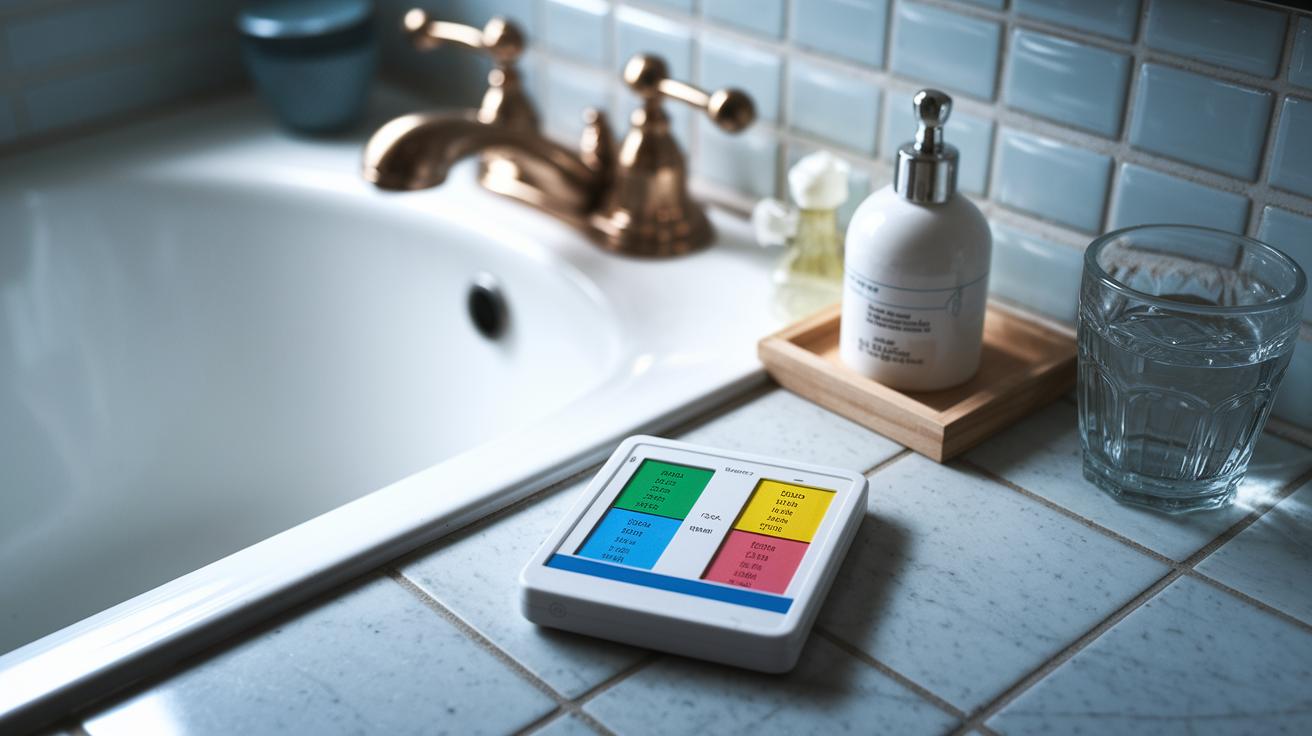
A balanced hygiene routine is simple yet effective. Daily care means keeping an eye on your vaginal pH using at-home pH kits and testing tools. These easy-to-use kits come with clear indicator charts that help you read your results. If your readings change, you might switch to pH-friendly products or drink more water.

Regular checks give you helpful hints for your daily routine. Even small changes, like choosing a gentler cleanser or upping your water intake, can keep your vaginal environment balanced. The visual charts in these kits make it easy for anyone to learn what their readings mean.

By adding pH monitoring into your routine, you create a clear and connected care plan that helps you adjust and maintain your intimate health.

When to Seek Professional Care for Vaginal Health Concerns

Sometimes, your body gives you a little nudge when something feels off. You might try mild cleansing or a dose of targeted probiotics for slight irritations, but if the discomfort sticks around or new symptoms pop up, it’s a good idea to see a healthcare professional.

One woman shared her experience: what started as a mild irritation that wouldn’t go away eventually prompted her to visit her OB-GYN. That appointment provided her with personalized advice and the right treatment plan. Some warning signs to watch for include:

  • A burning sensation or pain that doesn’t go away
  • Noticeable changes in discharge, whether it’s the color, thickness, or smell
  • Persistent itching, redness, or swelling around your vaginal area
  • Sudden, severe pain during sex

When a clinician evaluates you, they can help pinpoint issues like bacterial imbalances (which can lead to infections such as bacterial vaginosis) and offer the proper prescribed treatment. Regular check-ups with your OB-GYN give you expert tips for feminine care and help make quick tweaks to your routine. Listening to your body and getting professional advice can keep minor concerns from turning into bigger problems.

Final Words

In the action, this post outlined core practices for maintaining vaginal health. It explained the differences between the vulva and vagina while sharing simple daily routines, smart nutrition tips, and natural remedies for intimate care.

We also looked at how balanced bacteria and pH monitoring work together to support overall wellness. Each step offers a clear path to a healthier lifestyle. Keep trying these strategies and enjoy the benefits of feeling confident in your everyday care.

FAQ

What are the best vitamins for vaginal health?

The best vitamins for vaginal health include vitamin E for tissue support, vitamin C for immune strength, and probiotics that help maintain a balanced vaginal microbiome.

How can vaginal health be improved?

Improving vaginal health involves daily gentle cleansing, safe intimate practices, and choosing breathable fabrics. A balanced diet and proper hydration also support natural pH and a healthy microbiome.

What drinks are good for promoting vaginal health?

Drinks like plain water and herbal teas help maintain hydration, which supports healthy tissue and natural pH balance, complementing your overall wellness practices.

What foods support vaginal health?

Foods such as yogurt, berries, and leafy greens promote a balanced vaginal environment by providing antioxidants and probiotics that contribute to tissue health and pH balance.

Which products are best for maintaining vaginal health?

Doctor-approved gentle cleansers and fragrance-free washes clean without irritation, helping preserve the natural pH balance essential for maintaining a healthy vaginal area.

What does a vaginal health test involve?

Vaginal health tests, like pH indicator kits, measure acidity levels to identify imbalances and guide adjustments in your daily hygiene routine for optimal wellness.

How can tea benefit vaginal health?

Herb-based teas, such as chamomile or ginger, offer a soothing effect and support overall well-being when used alongside regular hygiene and a balanced diet.

How can I feel fresher in my private area?

Feeling fresher involves daily gentle cleansing, wearing breathable clothing, and using mild, doctor-approved products, while also keeping well-hydrated throughout the day.

How can vaginal odors be prevented?

Preventing unwanted odors relies on routine gentle cleansing, wearing breathable fabrics, and maintaining a balanced pH through proper diet and effective hygiene practices.

How frequently should the private area be washed?

Washing the private area daily with a mild, doctor-recommended cleanser is advised, avoiding overwashing which could disrupt the natural pH balance and lead to irritation.

What are the signs of a healthy private area?

A healthy private area typically shows balanced color, smooth skin texture, and an absence of persistent irritation or unusual discharge, reflecting consistent, gentle self-care.

Have you ever thought that a calm routine might be the key to keeping your intimate health in check? Many people miss the simple habits that help prevent discomfort and infections.

Everyday choices matter. Using a mild cleanser and choosing fabrics that let your skin breathe is like gently tending to a special garden.

In this article, you'll learn easy steps to support your natural balance and enjoy lasting comfort. This way, you can feel confident and well-cared for every day.

Core Practices for Optimal Vaginal Health

Taking care of your intimate areas starts with knowing that the vulva and the vagina are not the same. The vulva is the outer part of your genital area and includes the pubic mound, clitoris, labia, and the openings for both the vagina and the urethra. The vagina, on the other hand, is an inner canal that links the external area to the cervix and uterus. Understanding these differences can help you follow daily hygiene tips and keep a balanced routine.

Simple daily habits lay the groundwork for long-term well-being. Think of your intimate area like a delicate flower, handle it with gentle care. Using a mild, water-based cleanser goes a long way in keeping it healthy. Here are five straightforward tips you can try:

  • Clean the area with gentle, unscented cleansers that keep the natural balance intact.
  • Practice safe sex by choosing doctor-recommended lubricants and protection, which help reduce irritation.
  • Wear breathable clothing, such as cotton underwear, to help keep the area dry.
  • Remember that pubic hair plays a protective role. Just keep it clean whether you trim it or let it grow.
  • Maintain your overall health by, for example, urinating after sex to help flush out bacteria.

Incorporating these simple routines into your daily life creates a natural defense against imbalances and infections. Sticking to these care practices not only boosts your immediate comfort but also supports your long-term vaginal health.

The Vaginal Microbiome: Bacteria and Balance

img-1.jpg

Inside your vagina, millions of tiny bacteria team up to keep everything in balance. This lively community plays a key role in blocking infections and supporting overall feminine health. A trusted gynecologist has checked these ideas to make sure they align with today’s medical advice. It’s important to keep a mix of different bacteria because variety helps build a stronger barrier against harmful germs.

Probiotics for feminine wellness naturally help nurture these good bacteria. Many choose everyday supplements that offer top probiotic support for their natural flora. These products include specific bacterial strains known to lower the risk of infections. When the vaginal ecosystem is balanced, it works together like a well-coordinated team, protecting you from irritation and inflammation.

Imagine the bacteria as teammates, each one playing a special role in defense. Probiotics for feminine wellness boost this teamwork, while top probiotics help provide your body with essential tools for protection. Regular use of these good bacteria helps maintain lasting balance and fortifies your natural defense. This approach shows the real value of keeping a diverse bacterial community to make your intimate area naturally resilient.

Establishing Advanced Vaginal Hygiene Routines

Daily gentle cleansing is the foundation of good vaginal health. Today, experts and new trends are suggesting you add extra steps for personalized insights and extra support.

Health professionals recommend checking your pH balance with easy-to-use test strips every few weeks. For example, test your pH regularly, and if you see any changes, talk with your doctor to adjust your routine.

Research shows that probiotics containing Lactobacillus strains (good bacteria that support natural flora) may help keep your balance in check. One expert mentioned that women who added a specific probiotic noticed fewer imbalances.

Using a simple health app to track symptoms lets you see patterns and discuss them with your provider for a routine that fits your needs.

  • Test your pH periodically to get quick feedback on your balance.
  • Consider targeted probiotics if imbalances keep coming back.
  • Record changes using a health app to better personalize your care.

Nutrition and Supplements to Support Vaginal Health

img-2.jpg

Eating a balanced mix of foods helps support your whole body, including your intimate area. Foods that boost tissue health keep your natural balance in check. You might even try nutrient-packed supplements when your meals feel like they’re missing something. Think of it like enjoying a smoothie bursting with antioxidant-rich fruits such as blueberries and strawberries, a tasty, refreshing way to care for yourself.

Vitamins can also make a big difference in feminine care. For example, vitamin E helps protect delicate tissues and supports natural repair. Adding a daily multivitamin with vitamin E to your routine can ensure your body gets enough nutrients, especially when your diet may fall short.

Another great tip is to include superfoods in your meals for extra strength. Leafy greens and nuts provide essential minerals and vitamins that boost tissue health. Pairing these superfoods with nutrient-packed supplements creates a double boost that not only nourishes your body overall but also supports the natural balance in your intimate area.

Consider simple options like a bowl of mixed fruits with whole grains or lean protein. These easy meal ideas help increase your vitamin intake and offer extra support for feminine care. With mindful choices in nutrition and the right supplements, you can maintain a healthy internal balance that benefits overall vaginal health.

At-Home Remedies for Vaginal Discomfort and Infections

When you feel vaginal discomfort, you can try some simple home remedies to ease burning, redness, or itching. For example, if you notice a thick white discharge with irritation, a cool compress can calm the inflammation. One woman mentioned that a cool washcloth gave her quick relief during a mild yeast infection flare-up. Many find this tip useful in the early stages of discomfort.

When managing BV (bacterial vaginosis), sticking to a simple routine can help stop small imbalances from getting worse. Here are some easy tips you might try:

  • Drink plenty of water. It helps flush out bacteria and can lower the risk of yeast infections and irritation in the urinary tract.
  • Keep good hygiene by gently washing with warm water and a mild, unscented soap. This keeps the natural balance without washing away good bacteria.
  • Consider treatments approved by your doctor. Over-the-counter antifungal creams can sometimes help restore balance.
  • Take it easy and keep an eye on your symptoms. If things get worse or new signs appear, it might be more than just a minor infection.

If you want to prevent BV, watching your symptoms is important. You can try a trusted online tool like the symptom checker for women to assess your condition before starting any home remedy.

Remember, these tips may help with mild symptoms, but if your discomfort continues or gets worse, it’s best to consult a healthcare professional to ensure you receive the proper treatment.

Establishing Advanced Vaginal Hygiene Routines

img-3.jpg

Before becoming a world-renowned scientist, Marie Curie used to carry test tubes of radioactive material in her pockets – unaware of the dangers that would later shape her legacy.

A balanced hygiene routine is simple yet effective. Daily care means keeping an eye on your vaginal pH using at-home pH kits and testing tools. These easy-to-use kits come with clear indicator charts that help you read your results. If your readings change, you might switch to pH-friendly products or drink more water.

Regular checks give you helpful hints for your daily routine. Even small changes, like choosing a gentler cleanser or upping your water intake, can keep your vaginal environment balanced. The visual charts in these kits make it easy for anyone to learn what their readings mean.

By adding pH monitoring into your routine, you create a clear and connected care plan that helps you adjust and maintain your intimate health.

When to Seek Professional Care for Vaginal Health Concerns

Sometimes, your body gives you a little nudge when something feels off. You might try mild cleansing or a dose of targeted probiotics for slight irritations, but if the discomfort sticks around or new symptoms pop up, it’s a good idea to see a healthcare professional.

One woman shared her experience: what started as a mild irritation that wouldn’t go away eventually prompted her to visit her OB-GYN. That appointment provided her with personalized advice and the right treatment plan. Some warning signs to watch for include:

  • A burning sensation or pain that doesn’t go away
  • Noticeable changes in discharge, whether it’s the color, thickness, or smell
  • Persistent itching, redness, or swelling around your vaginal area
  • Sudden, severe pain during sex

When a clinician evaluates you, they can help pinpoint issues like bacterial imbalances (which can lead to infections such as bacterial vaginosis) and offer the proper prescribed treatment. Regular check-ups with your OB-GYN give you expert tips for feminine care and help make quick tweaks to your routine. Listening to your body and getting professional advice can keep minor concerns from turning into bigger problems.

Final Words

In the action, this post outlined core practices for maintaining vaginal health. It explained the differences between the vulva and vagina while sharing simple daily routines, smart nutrition tips, and natural remedies for intimate care.

We also looked at how balanced bacteria and pH monitoring work together to support overall wellness. Each step offers a clear path to a healthier lifestyle. Keep trying these strategies and enjoy the benefits of feeling confident in your everyday care.

FAQ

What are the best vitamins for vaginal health?

The best vitamins for vaginal health include vitamin E for tissue support, vitamin C for immune strength, and probiotics that help maintain a balanced vaginal microbiome.

How can vaginal health be improved?

Improving vaginal health involves daily gentle cleansing, safe intimate practices, and choosing breathable fabrics. A balanced diet and proper hydration also support natural pH and a healthy microbiome.

What drinks are good for promoting vaginal health?

Drinks like plain water and herbal teas help maintain hydration, which supports healthy tissue and natural pH balance, complementing your overall wellness practices.

What foods support vaginal health?

Foods such as yogurt, berries, and leafy greens promote a balanced vaginal environment by providing antioxidants and probiotics that contribute to tissue health and pH balance.

Which products are best for maintaining vaginal health?

Doctor-approved gentle cleansers and fragrance-free washes clean without irritation, helping preserve the natural pH balance essential for maintaining a healthy vaginal area.

What does a vaginal health test involve?

Vaginal health tests, like pH indicator kits, measure acidity levels to identify imbalances and guide adjustments in your daily hygiene routine for optimal wellness.

How can tea benefit vaginal health?

Herb-based teas, such as chamomile or ginger, offer a soothing effect and support overall well-being when used alongside regular hygiene and a balanced diet.

How can I feel fresher in my private area?

Feeling fresher involves daily gentle cleansing, wearing breathable clothing, and using mild, doctor-approved products, while also keeping well-hydrated throughout the day.

How can vaginal odors be prevented?

Preventing unwanted odors relies on routine gentle cleansing, wearing breathable fabrics, and maintaining a balanced pH through proper diet and effective hygiene practices.

How frequently should the private area be washed?

Washing the private area daily with a mild, doctor-recommended cleanser is advised, avoiding overwashing which could disrupt the natural pH balance and lead to irritation.

What are the signs of a healthy private area?

A healthy private area typically shows balanced color, smooth skin texture, and an absence of persistent irritation or unusual discharge, reflecting consistent, gentle self-care.

More from author

LEAVE A REPLY

Please enter your comment!
Please enter your name here

Related posts

Advertismentspot_img

Latest posts

How To Create A Daily Wellness Routine: Thriving

Curious about how to create a daily wellness routine that transforms your mornings and days? Read on as secrets await…

2 Daily Wellness Drink Tips For Radiance

Experience a daily wellness drink with natural herbs, green ingredients, and clinical backing that might change your routine forever, stay tuned.

Daily Wellness: Elevate Your Everyday Vitality

Daily wellness transforms everyday routines into mindful adjustments, merging nutrition, movement, and restorative sleep. What unforeseen practice awaits you next?

Want to stay up to date with the latest news?

We would love to hear from you! Please fill in your details and we will stay in touch. It's that simple!