Health Innovation Sparks New Healthcare Trends

Imagine having a doctor just one click away. Advances in healthcare are making this possible. New technology now lets patients receive care at home or during virtual visits, with smart imaging (clear digital pictures) and special robots that help speed up treatments.

Many companies are already seeing big successes with these ideas. In this article, we explore how these fresh health innovations are sparking new trends and why this new approach could change the way we get care.

How Health Innovation Is Redefining Patient Care

New technology in healthcare is changing the way patients are cared for. Programs that let people receive care at home and virtual-first care options make it easier for patients to get the personal treatment they need. For example, when children have surgery with the help of special robots, their procedures are quicker and their recovery is smoother.

There are real examples that show these changes are happening now. Omada recently raised $150 million in its public offering, which tells us that many believe in these new ways of caring for patients. And US Radiology Specialists is set to open 12 imaging centers by 2025, spending big on advanced scans that help doctors understand health problems better. Also, eClinicalWorks uses AI tools that help doctors decide on treatments faster and keep track of patients’ follow-ups more accurately.

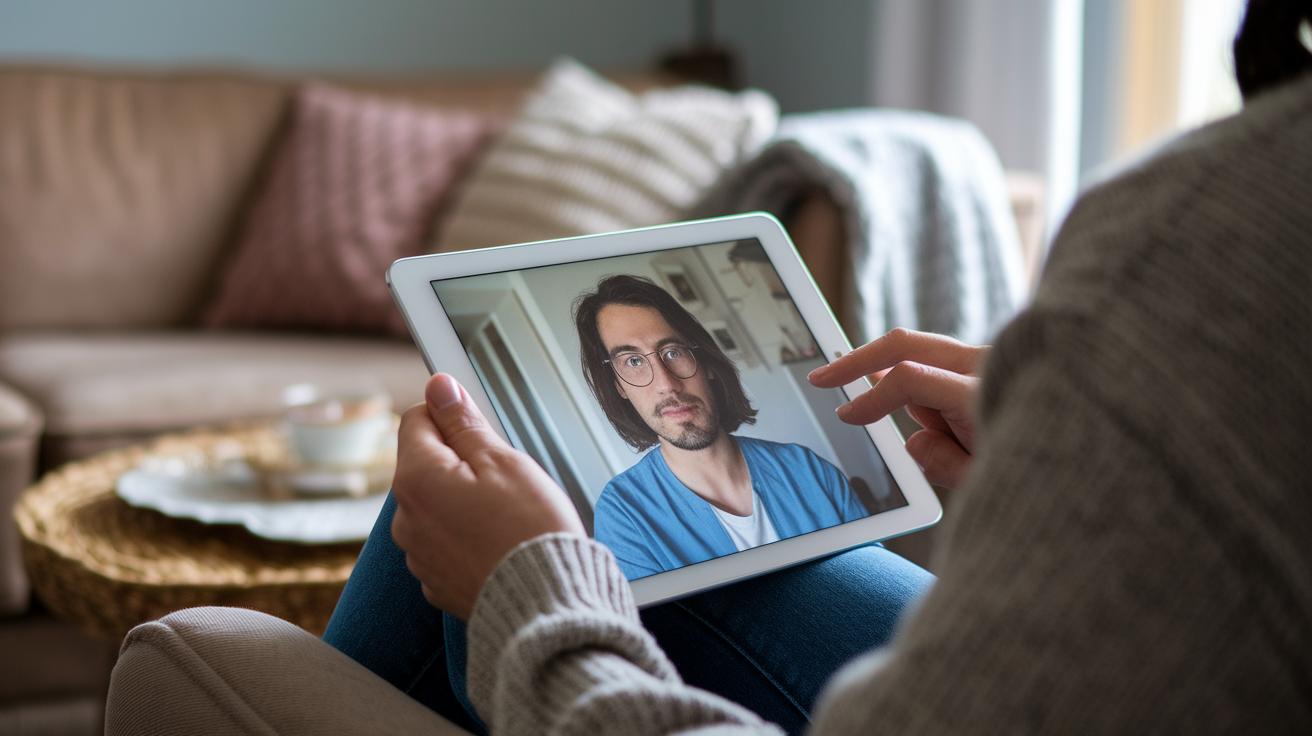
Telehealth is another big trend reshaping healthcare. Modern digital health solutions let patients monitor their health from home and have virtual visits with their doctors. These tools mean more people can get the care they need, no matter where they live.

All these changes show that healthcare is moving toward a future where technology helps make care more patient-centered and effective.

img-1.jpg

Telehealth tools are changing the way we manage our mental and emotional health. Today, secure websites let you easily book a virtual visit, check your health records, and even talk with your doctor, all from home. Imagine logging in and finding everything you need in one simple space. Virtual care programs now include remote therapy options that have support from regulators through 2025, promising well-connected care from various providers.

New digital health platforms are making it easier for doctors to help you. With these systems, more patients can have remote consultations and gain access to a wide range of mental health resources. In a typical digital visit, your health data turns into helpful steps that improve treatment accuracy and speed. Doctors use these advances to create personal treatment plans, making health care more accessible and reliable for everyone.

AI-Powered Diagnostic Tools and Advanced Imaging in Health Innovation

AI tools have changed the way doctors diagnose and treat patients. At eClinicalWorks, these tools help cut down on paperwork and speed up the process of finding the right diagnosis. Imagine a system that uses augmented reality with medical images to highlight spots needing extra attention.

US Radiology Specialists are set to open 12 new imaging centers featuring robotic-assisted imaging and advanced diagnostic scanners. These centers use fast computers and secure data methods to follow updated rules like the new HIPAA Security standards (HIPAA is the Health Insurance Portability and Accountability Act, which protects patient information). Healthtech websites, such as healthyfax, show how these improvements simplify workflows and keep records safe.

Wearable Health Devices Driving Health Innovation
img-2.jpg

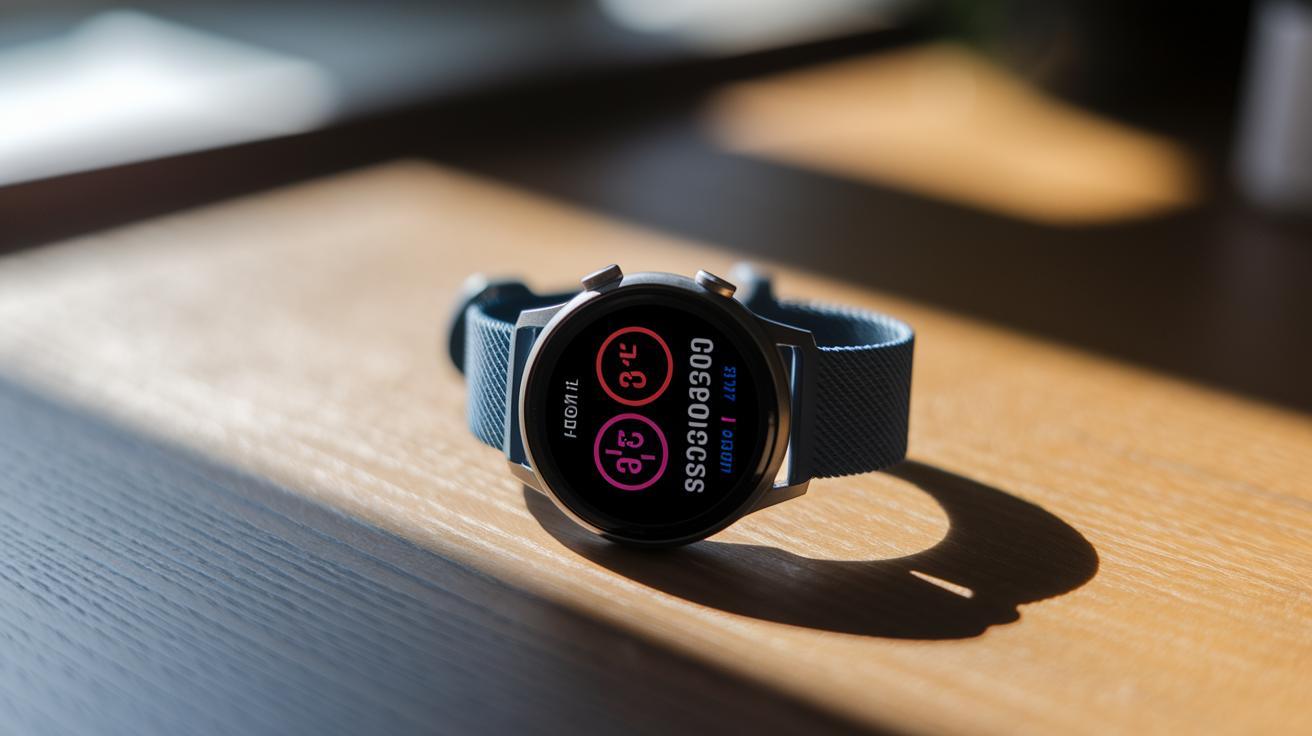
Advances in IoT-enabled wearables are changing how we monitor our health. These gadgets check important signs like heart rate, glucose (sugar) levels, and blood pressure while you go about your day. Imagine a smartwatch that not only records your heart rhythm but also lets you know if something doesn't seem right.

Remote monitoring helps keep patients out of the hospital by watching chronic conditions all the time. Mobile health apps work with these devices, turning the data into simple tips. Picture getting a message on your phone that suggests a small change in your routine because of your latest readings.

This mix of technology and care makes it easier than ever to take charge of your health. The table below shows some popular wearable devices, what they do, and their benefits:

Device Function Key Benefit
Smartwatch ECG Monitoring Tracks heart rhythms Detects heart issues early
Continuous Glucose Sensor Checks glucose levels Helps manage diabetes in real time
Ambulatory Blood Pressure Monitor Measures blood pressure Lessens hospital readmissions
Wireless Pulse Oximeter Measures oxygen levels Alerts you promptly for breathing issues

Explore more about leading wearable device categories at "Wearable tech for health."

Breakthrough Therapy Models and Disruptive Treatment Solutions in Health Innovation

Robotic-assisted surgery for children is changing how operations are done. These precision robotic arms help surgeons work faster, which lowers pain and speeds up healing. Every minute saved can make the journey to feeling better much smoother for young patients.

Digital advances in clinical trials are also making a big impact. With smart online tools and remote monitoring, studies can include patients and gather information more quickly than before. For example, partnerships like MD Anderson with HealthEx simplify the process of getting patient consent. This blend of digital ease and clinical know-how offers a fresh way to develop new treatments.

Another exciting breakthrough is the hospital-at-home model. This approach lets patients receive quality care right at home. It cuts down on the risk of catching infections in hospitals and reduces costs. Imagine getting personalized, in-home care that leads to quicker healing and fewer returns to the hospital.

Together, these innovative treatments are building a healthcare system that is faster, safer, and focused on the patient. They empower doctors to provide targeted care that improves safety and reduces costs, opening the door to a future where modern medicine meets everyday needs in a smart, caring way.

Data-Driven Medical Management and Health Data Analytics Shaping Health Innovation

img-3.jpg

Data-driven care is changing the way we deliver health services. Projects like Manifest MedEx are creating trusted ways for systems to share data, which helps different systems work together smoothly.

Advanced analytics now help predict health risks in our communities and guide smarter use of resources. This technology supports clinical decisions so doctors can act quickly when issues arise. Meanwhile, updates to frameworks like NIST’s Privacy Framework and conversations about changes to the HIPAA Security Rule keep a close eye on data safety, making sure our sensitive information is well-protected.

These analytical tools are the cornerstone of more accurate, evidence-based care. Health professionals now have more confidence in their decisions because data helps spot potential problems early on and points to the best use of human and financial resources.

Key methods include:

  • Predictive risk modeling
  • Population health segmentation
  • Outcome measurement techniques
  • Quality assurance protocols
  • Resource utilization optimization

Using these smart strategies, medical management is evolving into a system that is more reliable, informed, and truly centered on the patient.

Future Pathways for Health Innovation: Policy, Interoperability, and Cross-Disciplinary Research

Policymakers are shifting gears. They want to cancel some proposed updates to the HIPAA Security Rule and boost data sharing across different care systems by 2025. This move comes at a time when federal talks about health data lawsuits and budget changes for cybersecurity are heating up. In plain terms, it means we're moving toward a system where clinics, hospitals, and research centers can talk to each other more easily.

Experts from fields like AI, genomics (the study of genes), biotech, and clinical care are joining forces. When specialists from different areas work together, they can design care models that focus on quality and value. This teamwork is showing us that when cutting-edge technology meets hands-on care, patients get better results without the high costs.

Efforts to fix how different systems share data are also underway. Laboratories and health centers are aligning their efforts for smoother, trust-based data sharing. Imagine if a breakthrough in one area quickly benefits treatment in another, helping doctors make faster, well-informed decisions for better care.

In short, these changes in policy, tech sharing strategies, and multi-field research will likely reshape healthcare in the coming years. We're headed toward a future of care that is more connected, efficient, and centered around the patient.

Final Words

In the action of reshaping patient care, we explored telehealth advancements, innovative diagnostic tools, wearable devices, breakthrough therapies, and data-driven treatment models. Each section showcased real-world examples and trends driving health innovation forward, from virtual consultations to hospital-at-home programs.

The blog post emphasized how combining technology with personalized care can boost outcomes and patient experience. This evolving scope of care offers a fresh perspective on staying informed and proactive about one’s health. Keep embracing these insights for a healthier, more connected tomorrow.

FAQ

What is a health innovation?

The concept of a health innovation involves creating new technologies or practices that improve patient care through efficient, evidence-based methods designed with the patient in mind.

What are the great innovations in healthcare?

The great innovations in healthcare include AI diagnostic tools, telehealth platforms, wearable devices, robotic-assisted surgery, and virtual-first care models that streamline treatment and boost patient outcomes.

How do organizations and networks support innovative healthcare practices?

Organizations like Health Innovation Emory and groups such as the Health Innovation Alliance promote research and connect experts, fostering the development and adoption of advanced digital solutions in healthcare.

What role does health innovation technology play in patient care?

Health innovation technology enhances patient care by integrating advanced imaging, AI-powered diagnostics, and telehealth services, all contributing to more accurate diagnoses and improved patient experiences.

What is a healthcare innovation degree?

A healthcare innovation degree prepares professionals to design and implement new care models, focusing on technology, research, and practical solutions to elevate patient outcomes in modern healthcare.

What is the concept behind Innovation Health payment?

The concept behind Innovation Health payment centers on updating payment models to support value-based care delivery, ensuring that innovative treatments and services are financially sustainable and patient-focused.

Imagine having a doctor just one click away. Advances in healthcare are making this possible. New technology now lets patients receive care at home or during virtual visits, with smart imaging (clear digital pictures) and special robots that help speed up treatments.

Many companies are already seeing big successes with these ideas. In this article, we explore how these fresh health innovations are sparking new trends and why this new approach could change the way we get care.

How Health Innovation Is Redefining Patient Care

New technology in healthcare is changing the way patients are cared for. Programs that let people receive care at home and virtual-first care options make it easier for patients to get the personal treatment they need. For example, when children have surgery with the help of special robots, their procedures are quicker and their recovery is smoother.

There are real examples that show these changes are happening now. Omada recently raised $150 million in its public offering, which tells us that many believe in these new ways of caring for patients. And US Radiology Specialists is set to open 12 imaging centers by 2025, spending big on advanced scans that help doctors understand health problems better. Also, eClinicalWorks uses AI tools that help doctors decide on treatments faster and keep track of patients’ follow-ups more accurately.

Telehealth is another big trend reshaping healthcare. Modern digital health solutions let patients monitor their health from home and have virtual visits with their doctors. These tools mean more people can get the care they need, no matter where they live.

All these changes show that healthcare is moving toward a future where technology helps make care more patient-centered and effective.

img-1.jpg

Telehealth tools are changing the way we manage our mental and emotional health. Today, secure websites let you easily book a virtual visit, check your health records, and even talk with your doctor, all from home. Imagine logging in and finding everything you need in one simple space. Virtual care programs now include remote therapy options that have support from regulators through 2025, promising well-connected care from various providers.

New digital health platforms are making it easier for doctors to help you. With these systems, more patients can have remote consultations and gain access to a wide range of mental health resources. In a typical digital visit, your health data turns into helpful steps that improve treatment accuracy and speed. Doctors use these advances to create personal treatment plans, making health care more accessible and reliable for everyone.

AI-Powered Diagnostic Tools and Advanced Imaging in Health Innovation

AI tools have changed the way doctors diagnose and treat patients. At eClinicalWorks, these tools help cut down on paperwork and speed up the process of finding the right diagnosis. Imagine a system that uses augmented reality with medical images to highlight spots needing extra attention.

US Radiology Specialists are set to open 12 new imaging centers featuring robotic-assisted imaging and advanced diagnostic scanners. These centers use fast computers and secure data methods to follow updated rules like the new HIPAA Security standards (HIPAA is the Health Insurance Portability and Accountability Act, which protects patient information). Healthtech websites, such as healthyfax, show how these improvements simplify workflows and keep records safe.

Wearable Health Devices Driving Health Innovation

img-2.jpg

Advances in IoT-enabled wearables are changing how we monitor our health. These gadgets check important signs like heart rate, glucose (sugar) levels, and blood pressure while you go about your day. Imagine a smartwatch that not only records your heart rhythm but also lets you know if something doesn't seem right.

Remote monitoring helps keep patients out of the hospital by watching chronic conditions all the time. Mobile health apps work with these devices, turning the data into simple tips. Picture getting a message on your phone that suggests a small change in your routine because of your latest readings.

This mix of technology and care makes it easier than ever to take charge of your health. The table below shows some popular wearable devices, what they do, and their benefits:

Device Function Key Benefit
Smartwatch ECG Monitoring Tracks heart rhythms Detects heart issues early
Continuous Glucose Sensor Checks glucose levels Helps manage diabetes in real time
Ambulatory Blood Pressure Monitor Measures blood pressure Lessens hospital readmissions
Wireless Pulse Oximeter Measures oxygen levels Alerts you promptly for breathing issues

Explore more about leading wearable device categories at "Wearable tech for health."

Breakthrough Therapy Models and Disruptive Treatment Solutions in Health Innovation

Robotic-assisted surgery for children is changing how operations are done. These precision robotic arms help surgeons work faster, which lowers pain and speeds up healing. Every minute saved can make the journey to feeling better much smoother for young patients.

Digital advances in clinical trials are also making a big impact. With smart online tools and remote monitoring, studies can include patients and gather information more quickly than before. For example, partnerships like MD Anderson with HealthEx simplify the process of getting patient consent. This blend of digital ease and clinical know-how offers a fresh way to develop new treatments.

Another exciting breakthrough is the hospital-at-home model. This approach lets patients receive quality care right at home. It cuts down on the risk of catching infections in hospitals and reduces costs. Imagine getting personalized, in-home care that leads to quicker healing and fewer returns to the hospital.

Together, these innovative treatments are building a healthcare system that is faster, safer, and focused on the patient. They empower doctors to provide targeted care that improves safety and reduces costs, opening the door to a future where modern medicine meets everyday needs in a smart, caring way.

Data-Driven Medical Management and Health Data Analytics Shaping Health Innovation

img-3.jpg

Data-driven care is changing the way we deliver health services. Projects like Manifest MedEx are creating trusted ways for systems to share data, which helps different systems work together smoothly.

Advanced analytics now help predict health risks in our communities and guide smarter use of resources. This technology supports clinical decisions so doctors can act quickly when issues arise. Meanwhile, updates to frameworks like NIST’s Privacy Framework and conversations about changes to the HIPAA Security Rule keep a close eye on data safety, making sure our sensitive information is well-protected.

These analytical tools are the cornerstone of more accurate, evidence-based care. Health professionals now have more confidence in their decisions because data helps spot potential problems early on and points to the best use of human and financial resources.

Key methods include:

  • Predictive risk modeling
  • Population health segmentation
  • Outcome measurement techniques
  • Quality assurance protocols
  • Resource utilization optimization

Using these smart strategies, medical management is evolving into a system that is more reliable, informed, and truly centered on the patient.

Future Pathways for Health Innovation: Policy, Interoperability, and Cross-Disciplinary Research

Policymakers are shifting gears. They want to cancel some proposed updates to the HIPAA Security Rule and boost data sharing across different care systems by 2025. This move comes at a time when federal talks about health data lawsuits and budget changes for cybersecurity are heating up. In plain terms, it means we're moving toward a system where clinics, hospitals, and research centers can talk to each other more easily.

Experts from fields like AI, genomics (the study of genes), biotech, and clinical care are joining forces. When specialists from different areas work together, they can design care models that focus on quality and value. This teamwork is showing us that when cutting-edge technology meets hands-on care, patients get better results without the high costs.

Efforts to fix how different systems share data are also underway. Laboratories and health centers are aligning their efforts for smoother, trust-based data sharing. Imagine if a breakthrough in one area quickly benefits treatment in another, helping doctors make faster, well-informed decisions for better care.

In short, these changes in policy, tech sharing strategies, and multi-field research will likely reshape healthcare in the coming years. We're headed toward a future of care that is more connected, efficient, and centered around the patient.

Final Words

In the action of reshaping patient care, we explored telehealth advancements, innovative diagnostic tools, wearable devices, breakthrough therapies, and data-driven treatment models. Each section showcased real-world examples and trends driving health innovation forward, from virtual consultations to hospital-at-home programs.

The blog post emphasized how combining technology with personalized care can boost outcomes and patient experience. This evolving scope of care offers a fresh perspective on staying informed and proactive about one’s health. Keep embracing these insights for a healthier, more connected tomorrow.

FAQ

What is a health innovation?

The concept of a health innovation involves creating new technologies or practices that improve patient care through efficient, evidence-based methods designed with the patient in mind.

What are the great innovations in healthcare?

The great innovations in healthcare include AI diagnostic tools, telehealth platforms, wearable devices, robotic-assisted surgery, and virtual-first care models that streamline treatment and boost patient outcomes.

How do organizations and networks support innovative healthcare practices?

Organizations like Health Innovation Emory and groups such as the Health Innovation Alliance promote research and connect experts, fostering the development and adoption of advanced digital solutions in healthcare.

What role does health innovation technology play in patient care?

Health innovation technology enhances patient care by integrating advanced imaging, AI-powered diagnostics, and telehealth services, all contributing to more accurate diagnoses and improved patient experiences.

What is a healthcare innovation degree?

A healthcare innovation degree prepares professionals to design and implement new care models, focusing on technology, research, and practical solutions to elevate patient outcomes in modern healthcare.

What is the concept behind Innovation Health payment?

The concept behind Innovation Health payment centers on updating payment models to support value-based care delivery, ensuring that innovative treatments and services are financially sustainable and patient-focused.

More from author

LEAVE A REPLY

Please enter your comment!
Please enter your name here

Related posts

Advertismentspot_img

Latest posts

How To Create A Daily Wellness Routine: Thriving

Curious about how to create a daily wellness routine that transforms your mornings and days? Read on as secrets await…

2 Daily Wellness Drink Tips For Radiance

Experience a daily wellness drink with natural herbs, green ingredients, and clinical backing that might change your routine forever, stay tuned.

Daily Wellness: Elevate Your Everyday Vitality

Daily wellness transforms everyday routines into mindful adjustments, merging nutrition, movement, and restorative sleep. What unforeseen practice awaits you next?

Want to stay up to date with the latest news?

We would love to hear from you! Please fill in your details and we will stay in touch. It's that simple!