What Is A Symptom Tracker And How Does It Work? – Clear

Ever thought a little tool might ease your health worries? A symptom tracker works like your personal diary, recording how you feel and any physical signs you notice.

It helps you see patterns in your health. For example, you might notice that a headache comes on after a change in the weather.

There are many kinds of symptom trackers. Some are simple journals you write in, while others are smart apps that work with wearable devices.

In this post, we break down how these trackers work and explain why they could make a big difference in keeping you on top of your well-being.

Understanding Symptom Trackers: Definition & Functionality

A symptom tracker is a digital tool that lets you keep a close eye on your health by recording details like triggers, symptoms, and side effects. It works much like a diary, where you note what your body is telling you, whether you write it down yourself or let sensors capture the data automatically. For example, if you experience a migraine, you might note how severe it was and what may have set it off, such as a sudden change in weather. Over time, these notes help you see patterns in your health.

Symptom trackers come in many forms. Some are simple journals that guide you through daily recordings, while others are smartphone apps that remind you to update your log. There are even systems that connect with wearable devices to automatically capture information. Whether you are tracking conditions like lupus, irritable bowel syndrome (IBS), migraines, or multiple sclerosis, these tools can be tailored to your individual needs by letting you select triggers like diet or exercise.

Collecting data with a symptom tracker is more than just keeping a record, it can play a key role in improving your care. By continuously gathering information, these tools help spot patterns that might call for early treatment changes. For instance, a study at the University of Strathclyde found that remote digital symptom tracking for chemotherapy patients led to noticeable improvements in quality of life and helped lower anxiety. This shows just how powerful timely health data can be for both you and your healthcare team.

Key Features of Symptom Trackers: Inputs, Scales & Prompts
img-1.jpg

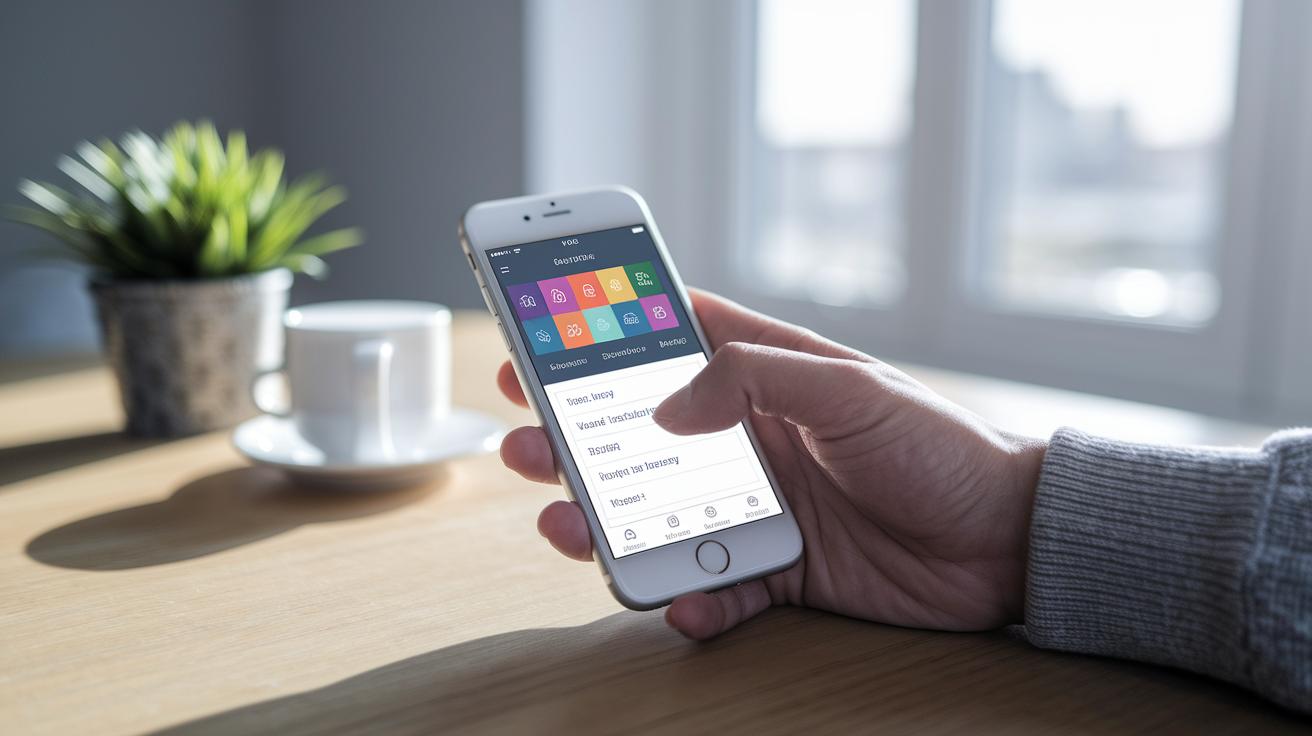
Symptom trackers are designed to be easy to use and help you record important details about your health. They simplify logging your symptoms, tracking how strong they are, and spotting what might trigger a flare-up. With clear, step-by-step options and the flexibility to add your own notes, these tools make managing your health straightforward. Here are six key features you can expect:

  • A severity scale (1–10) that lets you rate how intense your symptoms are
  • Dropdown menus to choose specific types of symptoms
  • Free-text fields where you can add personal notes and extra details
  • Daily questionnaires that encourage regular check-ins
  • Voice recording options to capture spoken descriptions during health episodes
  • Automated data capture that can sync with wearable sensors to record physical details like heart rate or sleep patterns

Using these clear inputs helps keep your records accurate and consistent. When you rate your symptoms on the same scale each time and answer similar questions daily, it becomes much easier to see patterns over time. This organized approach not only helps you notice changes in your condition but also supports better decisions about your health care. Plus, customizing the tracker to match your unique needs means the information you gather is both detailed and useful for improving your care.

Symptom Tracker Workflow: From Data Entry to Analytics

Your journey starts when you enter your symptoms, triggers, and other details into the tracker. Whether you type them in, record your voice, or let a wearable device capture your heart rate or sleep patterns, each entry is marked with the time it was made and stored for later review. The system then works behind the scenes, connecting your self-reported details with everyday factors like changes in the weather or how much you moved that day. This steady flow of information helps build a detailed history of your health.

Step Data Type Output
Data Entry Self-reports, Sensor inputs Initial symptom records
Data Processing Time-stamped entries, Local conditions Trend formation and pattern detection
Report Generation Aggregated data, Analytical filters Actionable insights for care providers

After the data is gathered, it appears on clear and easy-to-read dashboards. These dashboards use charts and graphs to show changes in things like pain levels, mood swings, or the frequency of triggers over days or weeks. By spotting unusual shifts or an increase in symptom severity, the system lets you and your healthcare team know when treatment adjustments might be needed. This organized approach helps ensure that any changes in your health are noticed early and addressed quickly.

Benefits of Symptom Trackers: Patient Empowerment & Clinical Value

img-2.jpg

Symptom trackers let you take control of your health by encouraging you to note down how you feel every day. When you record your symptoms, triggers, and responses regularly, you start to see patterns that can help you make small, impactful changes. It’s like keeping a daily journal that slowly reveals what your body is telling you.

These tools aren’t just for personal insight, they also add real value in a clinical setting. For example, when your symptoms take a sudden turn, immediate alerts can prompt you and your doctor to look into it early. This timely action might help prevent larger health problems. Plus, detailed logs give your doctor a clear picture of your day-to-day condition, which can lead to treatment plans that really fit your needs. Research has shown that people managing conditions like cancer, mental health issues, or menstrual disorders often feel less anxious and enjoy a better quality of life when using these trackers.

Another great benefit is that symptom tracking makes your visits with healthcare providers more effective. When you show up with clear, consistent records, it’s easier to discuss your progress and adjust your treatment accordingly. This strengthens the bond between you and your care team, ensuring your health stays at the center of every decision.

Exploring Symptom Tracker Types: Apps, Journals & Wearables

Symptom trackers come in many user-friendly formats that let you record your daily health details in a way that fits your lifestyle. These tools are designed to be flexible, easy-to-use, and help you stay on top of your well-being. Here are four main types of symptom tracking tools:

  • General symptom-tracking apps: These apps let you track different conditions and triggers such as your diet, weather, and physical activity. They offer a customizable experience so you can log how you feel and see changes over time.

  • Physical symptom journals: These are printed guides, like a 90-day lupus tracker, that help you document your symptoms on paper. Many people enjoy the real feel of writing things down because it makes tracking detailed health information more personal.

  • Specialty apps: Made for specific conditions, these apps focus on issues like migraines or multiple sclerosis. For example, one migraine tracker lets you record your pain levels, note how the weather may affect you, and get advice from others. An app for multiple sclerosis might include features such as medication reminders and easy data sharing with your care team.

  • Wearable-integrated trackers: These devices sync with sensors to automatically record information like your heart rate and sleep patterns. They combine the convenience of a digital diary with the clarity of real-time data.

Choosing the tracking format that fits your personal style can make keeping an eye on your health not only easier but also more effective.

Privacy & Security in Symptom Tracker Apps
img-3.jpg

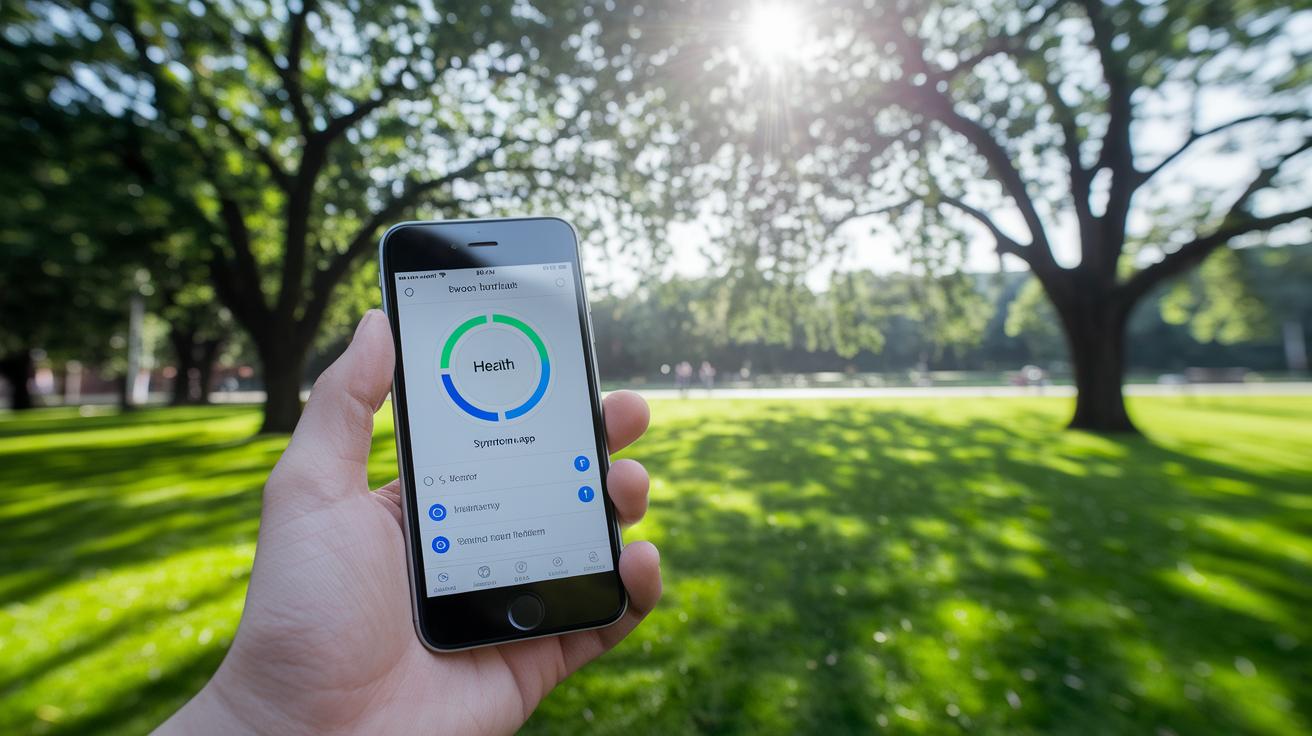
Symptom trackers follow strict privacy rules like HIPAA and GDPR. This means your health details are handled with care, so you can feel confident your personal information stays safe.

These apps use strong encryption to protect your data both on their servers and when it's sent over the internet. They also update their security often and keep detailed records of activity, which helps stop unwanted access and keeps your information secure.

Many tracker apps offer the option to share data anonymously for research, but only with your clear permission. This way, your privacy remains respected, and your data can help improve healthcare for everyone.

New AI techniques are making symptom tracking smarter. In simple terms, advanced computer programs can now spot tiny changes in your health. This means you might get a heads-up before a mild issue turns into something more serious.

Health data is also becoming more connected. With online doctor visits and electronic health records working together, your information can easily move from one system to another. This helps doctors get a fuller picture of your progress.

Have you seen trackers that use your voice, video check-ups, and body sensors? Imagine upgrading from a paper map to a real-time GPS guide. These new tools don't just record your symptoms, they also offer helpful tips right on your phone, making it easier to know what to do next.

Soon, using these technologies in everyday health care will feel as natural as checking your email.

Final Words

in the action, we discussed how symptom trackers help record daily health details with tools like digital apps, journals, and wearables.

We explained how they gather self-reported data and automatically collect information to spot patterns that guide better care.

This article answered what is a symptom tracker and how does it work? Embrace these insights to make informed health decisions and enjoy a more confident approach to your well-being.

FAQ

What is a symptom tracker?

A symptom tracker is a digital tool that lets you record and review health changes, helping you notice patterns and manage your symptoms more effectively.

What does a symptom chart do?

A symptom chart organizes your recorded data into clear visuals, making it easier to spot trends and share accurate health information with your doctor.

What is a symptom diary?

A symptom diary, available as a PDF template or mobile app, lets you log daily symptoms and triggers to support better self-care and monitoring.

How do symptom checkers work?

A symptom checker uses your input on reported symptoms and severity to suggest potential causes, sometimes using AI algorithms or trusted sources like WebMD.

What is an autoimmune symptom tracker app?

An autoimmune symptom tracker app is designed for conditions such as lupus or rheumatoid arthritis, enabling precise monitoring of specific symptoms and effective care management.

Ever thought a little tool might ease your health worries? A symptom tracker works like your personal diary, recording how you feel and any physical signs you notice.

It helps you see patterns in your health. For example, you might notice that a headache comes on after a change in the weather.

There are many kinds of symptom trackers. Some are simple journals you write in, while others are smart apps that work with wearable devices.

In this post, we break down how these trackers work and explain why they could make a big difference in keeping you on top of your well-being.

Understanding Symptom Trackers: Definition & Functionality

A symptom tracker is a digital tool that lets you keep a close eye on your health by recording details like triggers, symptoms, and side effects. It works much like a diary, where you note what your body is telling you, whether you write it down yourself or let sensors capture the data automatically. For example, if you experience a migraine, you might note how severe it was and what may have set it off, such as a sudden change in weather. Over time, these notes help you see patterns in your health.

Symptom trackers come in many forms. Some are simple journals that guide you through daily recordings, while others are smartphone apps that remind you to update your log. There are even systems that connect with wearable devices to automatically capture information. Whether you are tracking conditions like lupus, irritable bowel syndrome (IBS), migraines, or multiple sclerosis, these tools can be tailored to your individual needs by letting you select triggers like diet or exercise.

Collecting data with a symptom tracker is more than just keeping a record, it can play a key role in improving your care. By continuously gathering information, these tools help spot patterns that might call for early treatment changes. For instance, a study at the University of Strathclyde found that remote digital symptom tracking for chemotherapy patients led to noticeable improvements in quality of life and helped lower anxiety. This shows just how powerful timely health data can be for both you and your healthcare team.

Key Features of Symptom Trackers: Inputs, Scales & Prompts

img-1.jpg

Symptom trackers are designed to be easy to use and help you record important details about your health. They simplify logging your symptoms, tracking how strong they are, and spotting what might trigger a flare-up. With clear, step-by-step options and the flexibility to add your own notes, these tools make managing your health straightforward. Here are six key features you can expect:

  • A severity scale (1–10) that lets you rate how intense your symptoms are
  • Dropdown menus to choose specific types of symptoms
  • Free-text fields where you can add personal notes and extra details
  • Daily questionnaires that encourage regular check-ins
  • Voice recording options to capture spoken descriptions during health episodes
  • Automated data capture that can sync with wearable sensors to record physical details like heart rate or sleep patterns

Using these clear inputs helps keep your records accurate and consistent. When you rate your symptoms on the same scale each time and answer similar questions daily, it becomes much easier to see patterns over time. This organized approach not only helps you notice changes in your condition but also supports better decisions about your health care. Plus, customizing the tracker to match your unique needs means the information you gather is both detailed and useful for improving your care.

Symptom Tracker Workflow: From Data Entry to Analytics

Your journey starts when you enter your symptoms, triggers, and other details into the tracker. Whether you type them in, record your voice, or let a wearable device capture your heart rate or sleep patterns, each entry is marked with the time it was made and stored for later review. The system then works behind the scenes, connecting your self-reported details with everyday factors like changes in the weather or how much you moved that day. This steady flow of information helps build a detailed history of your health.

Step Data Type Output
Data Entry Self-reports, Sensor inputs Initial symptom records
Data Processing Time-stamped entries, Local conditions Trend formation and pattern detection
Report Generation Aggregated data, Analytical filters Actionable insights for care providers

After the data is gathered, it appears on clear and easy-to-read dashboards. These dashboards use charts and graphs to show changes in things like pain levels, mood swings, or the frequency of triggers over days or weeks. By spotting unusual shifts or an increase in symptom severity, the system lets you and your healthcare team know when treatment adjustments might be needed. This organized approach helps ensure that any changes in your health are noticed early and addressed quickly.

Benefits of Symptom Trackers: Patient Empowerment & Clinical Value

img-2.jpg

Symptom trackers let you take control of your health by encouraging you to note down how you feel every day. When you record your symptoms, triggers, and responses regularly, you start to see patterns that can help you make small, impactful changes. It’s like keeping a daily journal that slowly reveals what your body is telling you.

These tools aren’t just for personal insight, they also add real value in a clinical setting. For example, when your symptoms take a sudden turn, immediate alerts can prompt you and your doctor to look into it early. This timely action might help prevent larger health problems. Plus, detailed logs give your doctor a clear picture of your day-to-day condition, which can lead to treatment plans that really fit your needs. Research has shown that people managing conditions like cancer, mental health issues, or menstrual disorders often feel less anxious and enjoy a better quality of life when using these trackers.

Another great benefit is that symptom tracking makes your visits with healthcare providers more effective. When you show up with clear, consistent records, it’s easier to discuss your progress and adjust your treatment accordingly. This strengthens the bond between you and your care team, ensuring your health stays at the center of every decision.

Exploring Symptom Tracker Types: Apps, Journals & Wearables

Symptom trackers come in many user-friendly formats that let you record your daily health details in a way that fits your lifestyle. These tools are designed to be flexible, easy-to-use, and help you stay on top of your well-being. Here are four main types of symptom tracking tools:

  • General symptom-tracking apps: These apps let you track different conditions and triggers such as your diet, weather, and physical activity. They offer a customizable experience so you can log how you feel and see changes over time.

  • Physical symptom journals: These are printed guides, like a 90-day lupus tracker, that help you document your symptoms on paper. Many people enjoy the real feel of writing things down because it makes tracking detailed health information more personal.

  • Specialty apps: Made for specific conditions, these apps focus on issues like migraines or multiple sclerosis. For example, one migraine tracker lets you record your pain levels, note how the weather may affect you, and get advice from others. An app for multiple sclerosis might include features such as medication reminders and easy data sharing with your care team.

  • Wearable-integrated trackers: These devices sync with sensors to automatically record information like your heart rate and sleep patterns. They combine the convenience of a digital diary with the clarity of real-time data.

Choosing the tracking format that fits your personal style can make keeping an eye on your health not only easier but also more effective.

Privacy & Security in Symptom Tracker Apps

img-3.jpg

Symptom trackers follow strict privacy rules like HIPAA and GDPR. This means your health details are handled with care, so you can feel confident your personal information stays safe.

These apps use strong encryption to protect your data both on their servers and when it's sent over the internet. They also update their security often and keep detailed records of activity, which helps stop unwanted access and keeps your information secure.

Many tracker apps offer the option to share data anonymously for research, but only with your clear permission. This way, your privacy remains respected, and your data can help improve healthcare for everyone.

New AI techniques are making symptom tracking smarter. In simple terms, advanced computer programs can now spot tiny changes in your health. This means you might get a heads-up before a mild issue turns into something more serious.

Health data is also becoming more connected. With online doctor visits and electronic health records working together, your information can easily move from one system to another. This helps doctors get a fuller picture of your progress.

Have you seen trackers that use your voice, video check-ups, and body sensors? Imagine upgrading from a paper map to a real-time GPS guide. These new tools don't just record your symptoms, they also offer helpful tips right on your phone, making it easier to know what to do next.

Soon, using these technologies in everyday health care will feel as natural as checking your email.

Final Words

in the action, we discussed how symptom trackers help record daily health details with tools like digital apps, journals, and wearables.

We explained how they gather self-reported data and automatically collect information to spot patterns that guide better care.

This article answered what is a symptom tracker and how does it work? Embrace these insights to make informed health decisions and enjoy a more confident approach to your well-being.

FAQ

What is a symptom tracker?

A symptom tracker is a digital tool that lets you record and review health changes, helping you notice patterns and manage your symptoms more effectively.

What does a symptom chart do?

A symptom chart organizes your recorded data into clear visuals, making it easier to spot trends and share accurate health information with your doctor.

What is a symptom diary?

A symptom diary, available as a PDF template or mobile app, lets you log daily symptoms and triggers to support better self-care and monitoring.

How do symptom checkers work?

A symptom checker uses your input on reported symptoms and severity to suggest potential causes, sometimes using AI algorithms or trusted sources like WebMD.

What is an autoimmune symptom tracker app?

An autoimmune symptom tracker app is designed for conditions such as lupus or rheumatoid arthritis, enabling precise monitoring of specific symptoms and effective care management.

More from author

LEAVE A REPLY

Please enter your comment!
Please enter your name here

Related posts

Advertismentspot_img

Latest posts

How To Create A Daily Wellness Routine: Thriving

Curious about how to create a daily wellness routine that transforms your mornings and days? Read on as secrets await…

2 Daily Wellness Drink Tips For Radiance

Experience a daily wellness drink with natural herbs, green ingredients, and clinical backing that might change your routine forever, stay tuned.

Daily Wellness: Elevate Your Everyday Vitality

Daily wellness transforms everyday routines into mindful adjustments, merging nutrition, movement, and restorative sleep. What unforeseen practice awaits you next?

Want to stay up to date with the latest news?

We would love to hear from you! Please fill in your details and we will stay in touch. It's that simple!