What Is Translational Research: A Scientific Breakthrough

Ever wonder how a tiny lab discovery turns into a treatment that can really change lives? Translational research takes what scientists learn in basic experiments and carefully tests it to make sure it’s safe to use in clinics.

In simple terms, it’s like moving an exciting idea from the lab bench to your doctor’s office. Researchers spot something new, run careful tests, and then shape that fresh discovery into a treatment you might receive someday.

It’s a process that gives hope to patients, turning basic science into real-world solutions. And when experts join forces, they transform research into the everyday care that truly makes a difference.

What is Translational Research: A Scientific Breakthrough

Translational research takes brand-new findings from the laboratory and turns them into treatments that help real people. It’s a bridge between the science experiments you hear about in research labs and the care you receive in clinics. Imagine a scientist spotting a promising target for a new drug and setting the stage for researchers to test it in controlled studies, all to make treatments work even better.

This approach started in the world of medicine because there was a clear need to convert scientific breakthroughs into everyday healthcare. It’s all about making sure that the latest discoveries improve patient care, boost public health, and even influence medical guidelines. For example, clinical studies, as explained in "What Are Clinical Trials" (https://factcheckx.com?p=103), are a core part of how lab ideas turn into safe, effective treatments.

At its core, translational research is a team effort. Scientists, doctors, and healthcare professionals work side-by-side to turn theory into practice. This journey from discovery to real-world application transforms patient care and sparks new ideas beyond the lab. It’s a process that keeps medicine moving forward, one evidence-based step at a time.

Stages of Translational Research: Bench to Bedside Continuum
img-1.jpg

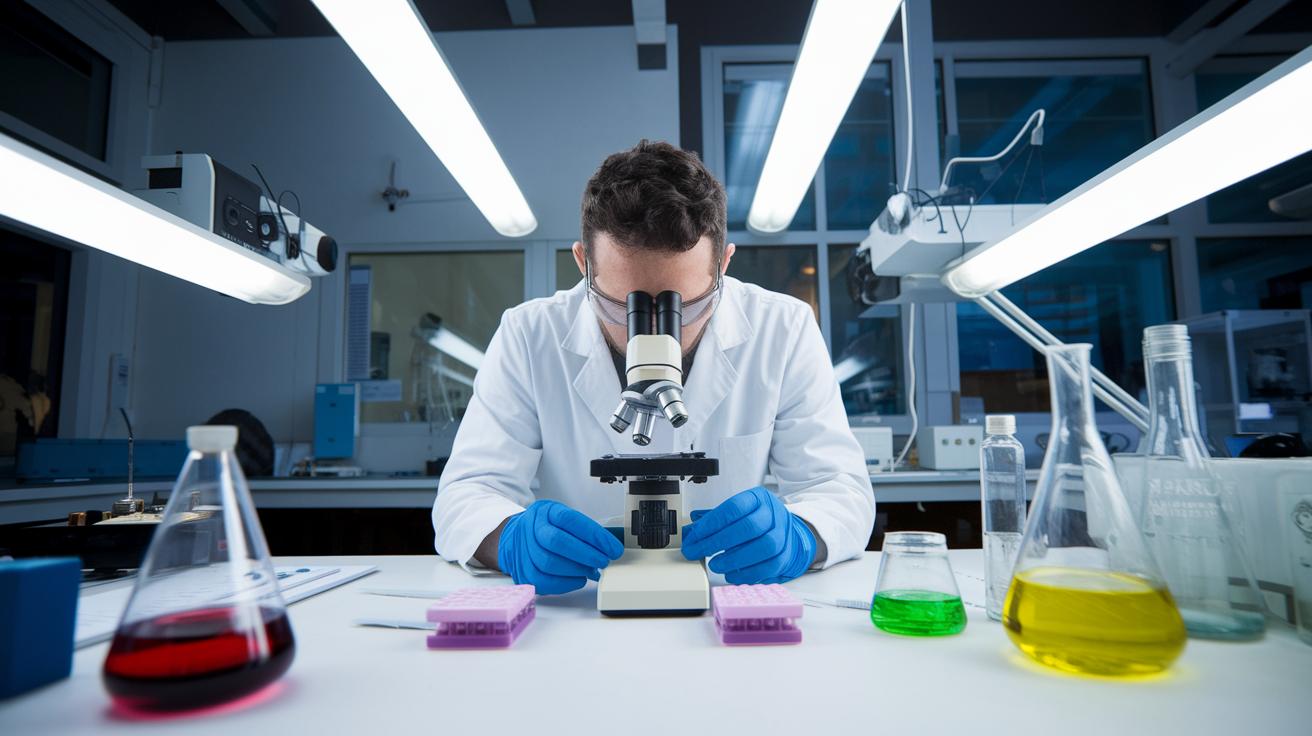
Translational research is all about turning what we learn in the lab into treatments that help real people. It starts with basic studies, often called T1, where scientists explore and uncover how our bodies work at a tiny level. This stage lays the groundwork by transforming scientific ideas into proof through hands-on experiments.

Next up is T2, where the focus shifts to clinical trials. Here, researchers carefully test new treatments on people to make sure they’re both safe and effective. Think of it as the bridge between promising lab discoveries and reliable, day-to-day care.

Then comes T3, a phase that gears up for everyday practice. During this step, guidelines are set and healthcare providers get training to use these new insights in their clinics. It’s all about taking controlled research and making it work in the real world.

Finally, in T4, the impact of these efforts is measured on a community level. Researchers check long-term benefits and work to weave successful treatments into health policies. Every single stage builds on teamwork and a shared commitment to improving patient care and overall community well-being.

Stage Description Key Activities
T1 – Preclinical Research Early lab discoveries and testing Identifying targets, studying biological mechanisms
T2 – Clinical Trials Controlled human testing of treatments Safety assessments, effectiveness checks, protocol development
T3 – Implementation Research Integrating findings into routine care Creating practice guidelines, training clinicians
T4 – Population Health Impact Measuring long-term outcomes in real-life settings Policy integration, outcome monitoring

In short, the bench-to-bedside approach shows how careful research and teamwork turn lab insights into real improvements in healthcare for patients and communities alike.

Translational Research vs. Clinical Research: Key Distinctions

Clinical research explores many aspects of our health and illnesses. It involves studies that either observe people over time or test new treatments on groups to understand illness patterns and potential cures. For example, imagine following a group to see how a new medicine might improve heart health.

On the other hand, translational research takes discoveries from the lab and transforms them into practical care for patients. It acts as a bridge, turning detailed lab findings into treatments that doctors can use in everyday practice. It’s like figuring out how a breakthrough made in a controlled setting can help an individual patient in a real-world scenario.

This teamwork between scientists and clinicians is key. By working together, they ensure that promising lab discoveries move into clinical settings, where they can truly benefit patient care.

Case Studies in Translational Research: Medical Application Pipeline
img-2.jpg

Translational research is all about taking fresh lab discoveries and turning them into real tools that help patients every day. Let’s explore some projects that show how science becomes practical medicine.

Breast Cancer Screening Device

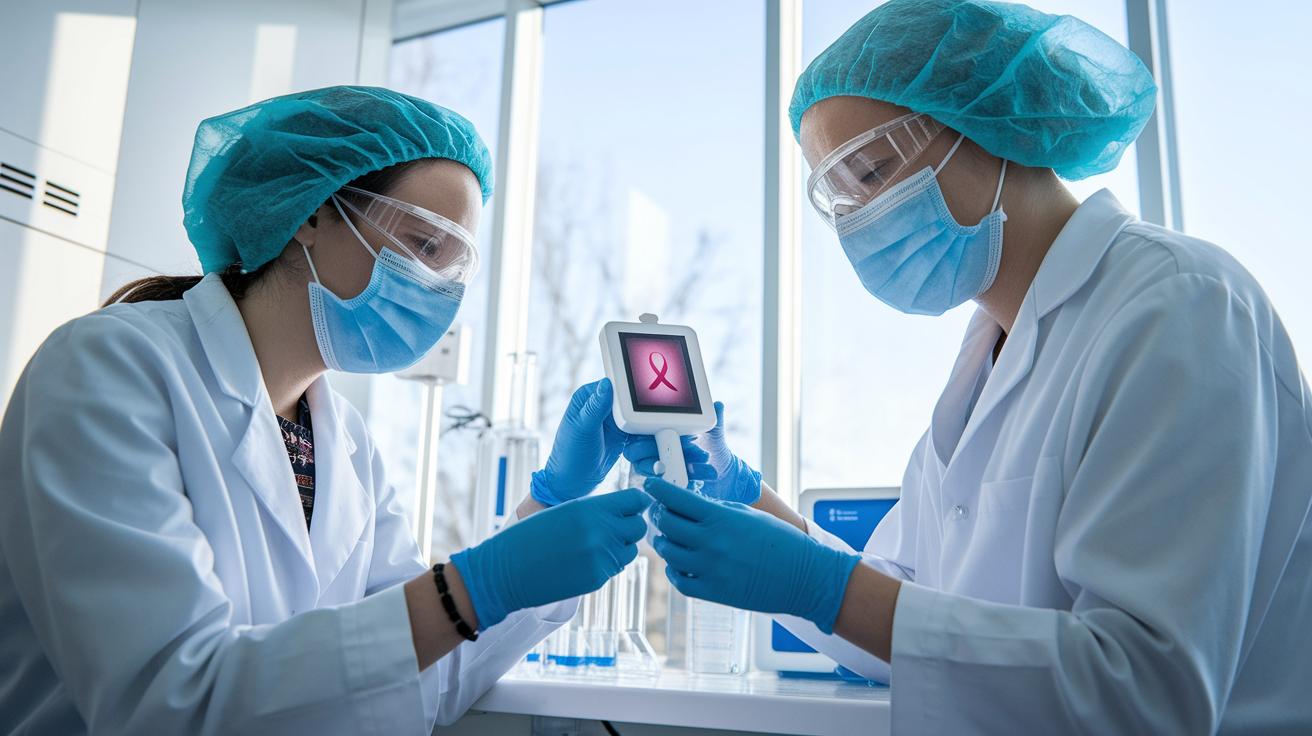
Imagine a small, portable device that checks how soft or firm breast tissue is to spot tumors early. This handy tool is made especially for women under 40 and works even in places with fewer medical resources. It transforms high-tech lab ideas into an easy, radiation-free option compared to usual screenings. This breakthrough shows that early detection can really save lives by catching cancer when it’s the easiest to treat.

Wearable Ultrasound for Wound Healing

Think of a lightweight, wearable ultrasound gadget designed to help heal stubborn wounds like chronic venous ulcers. This device takes ultrasound technology, normally seen in busy hospitals, and makes it portable, so patients can use it at home. With its gentle and steady therapy, it cuts down on hospital visits and helps wounds mend more smoothly. It’s like having a mini treatment session with every wear, making healing simpler and more affordable.

Near-Infrared Imaging for Traumatic Brain Injury

Picture a system that uses near-infrared light to look inside the head, quickly spotting brain bleeds and measuring blood flow after an injury. Born from military-supported research, this technology is built to speed up diagnoses during emergencies. By using light to reveal hidden injuries, it gives doctors a clear and fast view that can be crucial in saving time and lives during trauma care.

Each of these examples shows how turning laboratory breakthroughs into everyday tools can greatly boost patient care and make a real difference in medical treatment.

Benefits and Challenges of Translational Research Integration

Translational research bridges the gap between what’s discovered in the lab and how patients are treated. It takes exciting scientific breakthroughs and turns them into new treatments available sooner, which can help improve patient outcomes and even lower overall costs. Still, this process isn’t without its bumps.

Benefits:

  • Faster development of innovative tests and treatments.
  • Better patient care through tried-and-true methods.
  • Enhanced teamwork across different expert groups.
  • Shorter transition from discovery to real-world use, saving time and money.
  • A solid base for personalized medicine that fits each patient’s needs.

Even with these clear advantages, many discoveries hit obstacles when moving from the lab to daily clinical use. Funding problems, strict procedures, and technical gaps often stand in the way. Researchers and clinicians have to work together to overcome these hurdles so that their hard work benefits everyday patient care.

Challenges:

  • Not enough funding and limited resources.
  • Complicated and strict approval processes.
  • Lacking expertise in developing new devices and protocols.
  • Difficulties in coordinating work across various fields and institutions.
  • Organizational and logistical issues that slow progress.

Balancing these strengths and challenges is key to turning lab breakthroughs into practical solutions that truly make a difference in healthcare.

Advancing Translational Research: Future Directions and Collaborative Models
img-3.jpg

Translational research, turning lab discoveries into treatments that help real people, is booming thanks to solid support systems. When you have dedicated mentors, hands-on project support, and smart funding, emerging scientists get the boost they need. Fellowship programs and specialized degree tracks are carving out exciting career paths, making this field more accessible than ever.

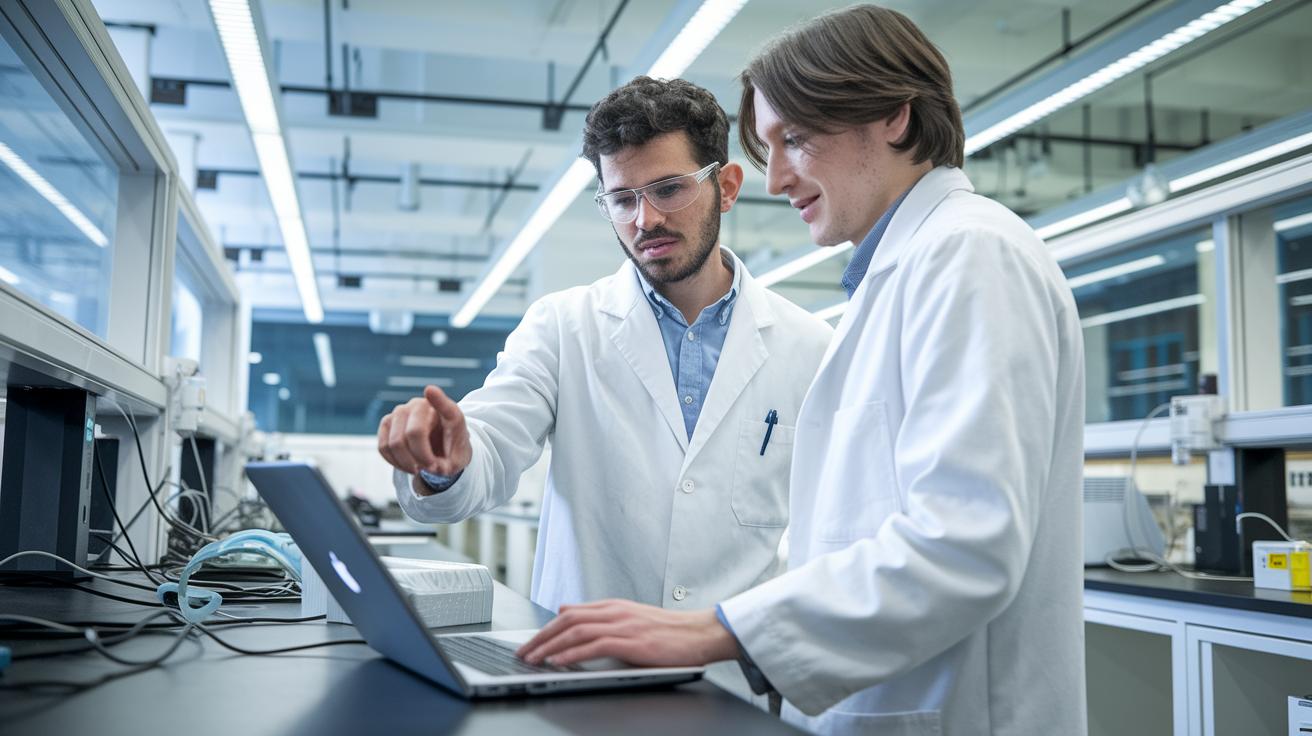
Across schools, hospitals, and industry, experts are joining forces to share ideas and resources. Picture a modern lab working hand-in-hand with experienced clinicians, where a mentor sparks new ideas while guiding fresh talent. It’s like watching a team work together in perfect harmony, it just makes sense.

Today, researchers are teaming up with healthcare providers and even policy makers to transform early lab findings into treatments you can count on. This joint effort not only creates scalable research methods but also builds solutions that benefit communities. With policies that encourage real change, scientific breakthroughs are finding their way into everyday care, promising a future that’s both dynamic and centered on the people it serves.

Final Words

In the action, we explored translational research, defined by its role in turning lab discoveries into practical health solutions. We unraveled stages from T1 preclinical work to T4 population impact, compared it with clinical research, and reviewed real-world case studies. The blog post highlighted its benefits and shared challenges facing effective integration into everyday care. This evidence-based view of what is translational research offers clear steps toward better health and improved patient care. Stay optimistic and engaged while keeping informed on these advancements.

FAQ

What is translational research?

The term translational research means converting new scientific discoveries into practical treatments. It bridges laboratory findings with patient care to enhance health outcomes through proven, real-world applications.

How does translational research apply in fields like nursing, psychology, and ABA?

The concept of translational research in nursing, psychology, and ABA means adapting lab discoveries to improve practices and treatments within each field, ensuring that scientific advances benefit patient care and therapy approaches.

What are examples of translational research?

The concept of translational research is illustrated by innovations such as a portable breast cancer screening device, a wearable ultrasound for wound healing, and near-infrared imaging for traumatic brain injury.

How does translational research differ from clinical research and basic research?

The notion of translational research differs from clinical research by focusing on applying lab results to patient care, whereas clinical research covers broader health studies; it also contrasts with basic research, which explores fundamental mechanisms without immediate clinical aims.

What are the stages of translational research like T0, T1, and T2?

The concept of translational research stages includes T1 for preclinical studies, T2 for clinical trials, T3 for implementation in practice, and T4 for evaluating population impact, moving findings step-by-step from the lab to real-world care.

What is translational medicine?

The term translational medicine refers to the process of turning scientific discoveries into clinical treatments, emphasizing a seamless bridge from laboratory breakthroughs to effective patient care.

Ever wonder how a tiny lab discovery turns into a treatment that can really change lives? Translational research takes what scientists learn in basic experiments and carefully tests it to make sure it’s safe to use in clinics.

In simple terms, it’s like moving an exciting idea from the lab bench to your doctor’s office. Researchers spot something new, run careful tests, and then shape that fresh discovery into a treatment you might receive someday.

It’s a process that gives hope to patients, turning basic science into real-world solutions. And when experts join forces, they transform research into the everyday care that truly makes a difference.

What is Translational Research: A Scientific Breakthrough

Translational research takes brand-new findings from the laboratory and turns them into treatments that help real people. It’s a bridge between the science experiments you hear about in research labs and the care you receive in clinics. Imagine a scientist spotting a promising target for a new drug and setting the stage for researchers to test it in controlled studies, all to make treatments work even better.

This approach started in the world of medicine because there was a clear need to convert scientific breakthroughs into everyday healthcare. It’s all about making sure that the latest discoveries improve patient care, boost public health, and even influence medical guidelines. For example, clinical studies, as explained in "What Are Clinical Trials" (https://factcheckx.com?p=103), are a core part of how lab ideas turn into safe, effective treatments.

At its core, translational research is a team effort. Scientists, doctors, and healthcare professionals work side-by-side to turn theory into practice. This journey from discovery to real-world application transforms patient care and sparks new ideas beyond the lab. It’s a process that keeps medicine moving forward, one evidence-based step at a time.

Stages of Translational Research: Bench to Bedside Continuum

img-1.jpg

Translational research is all about turning what we learn in the lab into treatments that help real people. It starts with basic studies, often called T1, where scientists explore and uncover how our bodies work at a tiny level. This stage lays the groundwork by transforming scientific ideas into proof through hands-on experiments.

Next up is T2, where the focus shifts to clinical trials. Here, researchers carefully test new treatments on people to make sure they’re both safe and effective. Think of it as the bridge between promising lab discoveries and reliable, day-to-day care.

Then comes T3, a phase that gears up for everyday practice. During this step, guidelines are set and healthcare providers get training to use these new insights in their clinics. It’s all about taking controlled research and making it work in the real world.

Finally, in T4, the impact of these efforts is measured on a community level. Researchers check long-term benefits and work to weave successful treatments into health policies. Every single stage builds on teamwork and a shared commitment to improving patient care and overall community well-being.

Stage Description Key Activities
T1 – Preclinical Research Early lab discoveries and testing Identifying targets, studying biological mechanisms
T2 – Clinical Trials Controlled human testing of treatments Safety assessments, effectiveness checks, protocol development
T3 – Implementation Research Integrating findings into routine care Creating practice guidelines, training clinicians
T4 – Population Health Impact Measuring long-term outcomes in real-life settings Policy integration, outcome monitoring

In short, the bench-to-bedside approach shows how careful research and teamwork turn lab insights into real improvements in healthcare for patients and communities alike.

Translational Research vs. Clinical Research: Key Distinctions

Clinical research explores many aspects of our health and illnesses. It involves studies that either observe people over time or test new treatments on groups to understand illness patterns and potential cures. For example, imagine following a group to see how a new medicine might improve heart health.

On the other hand, translational research takes discoveries from the lab and transforms them into practical care for patients. It acts as a bridge, turning detailed lab findings into treatments that doctors can use in everyday practice. It’s like figuring out how a breakthrough made in a controlled setting can help an individual patient in a real-world scenario.

This teamwork between scientists and clinicians is key. By working together, they ensure that promising lab discoveries move into clinical settings, where they can truly benefit patient care.

Case Studies in Translational Research: Medical Application Pipeline

img-2.jpg

Translational research is all about taking fresh lab discoveries and turning them into real tools that help patients every day. Let’s explore some projects that show how science becomes practical medicine.

Breast Cancer Screening Device

Imagine a small, portable device that checks how soft or firm breast tissue is to spot tumors early. This handy tool is made especially for women under 40 and works even in places with fewer medical resources. It transforms high-tech lab ideas into an easy, radiation-free option compared to usual screenings. This breakthrough shows that early detection can really save lives by catching cancer when it’s the easiest to treat.

Wearable Ultrasound for Wound Healing

Think of a lightweight, wearable ultrasound gadget designed to help heal stubborn wounds like chronic venous ulcers. This device takes ultrasound technology, normally seen in busy hospitals, and makes it portable, so patients can use it at home. With its gentle and steady therapy, it cuts down on hospital visits and helps wounds mend more smoothly. It’s like having a mini treatment session with every wear, making healing simpler and more affordable.

Near-Infrared Imaging for Traumatic Brain Injury

Picture a system that uses near-infrared light to look inside the head, quickly spotting brain bleeds and measuring blood flow after an injury. Born from military-supported research, this technology is built to speed up diagnoses during emergencies. By using light to reveal hidden injuries, it gives doctors a clear and fast view that can be crucial in saving time and lives during trauma care.

Each of these examples shows how turning laboratory breakthroughs into everyday tools can greatly boost patient care and make a real difference in medical treatment.

Benefits and Challenges of Translational Research Integration

Translational research bridges the gap between what’s discovered in the lab and how patients are treated. It takes exciting scientific breakthroughs and turns them into new treatments available sooner, which can help improve patient outcomes and even lower overall costs. Still, this process isn’t without its bumps.

Benefits:

  • Faster development of innovative tests and treatments.
  • Better patient care through tried-and-true methods.
  • Enhanced teamwork across different expert groups.
  • Shorter transition from discovery to real-world use, saving time and money.
  • A solid base for personalized medicine that fits each patient’s needs.

Even with these clear advantages, many discoveries hit obstacles when moving from the lab to daily clinical use. Funding problems, strict procedures, and technical gaps often stand in the way. Researchers and clinicians have to work together to overcome these hurdles so that their hard work benefits everyday patient care.

Challenges:

  • Not enough funding and limited resources.
  • Complicated and strict approval processes.
  • Lacking expertise in developing new devices and protocols.
  • Difficulties in coordinating work across various fields and institutions.
  • Organizational and logistical issues that slow progress.

Balancing these strengths and challenges is key to turning lab breakthroughs into practical solutions that truly make a difference in healthcare.

Advancing Translational Research: Future Directions and Collaborative Models

img-3.jpg

Translational research, turning lab discoveries into treatments that help real people, is booming thanks to solid support systems. When you have dedicated mentors, hands-on project support, and smart funding, emerging scientists get the boost they need. Fellowship programs and specialized degree tracks are carving out exciting career paths, making this field more accessible than ever.

Across schools, hospitals, and industry, experts are joining forces to share ideas and resources. Picture a modern lab working hand-in-hand with experienced clinicians, where a mentor sparks new ideas while guiding fresh talent. It’s like watching a team work together in perfect harmony, it just makes sense.

Today, researchers are teaming up with healthcare providers and even policy makers to transform early lab findings into treatments you can count on. This joint effort not only creates scalable research methods but also builds solutions that benefit communities. With policies that encourage real change, scientific breakthroughs are finding their way into everyday care, promising a future that’s both dynamic and centered on the people it serves.

Final Words

In the action, we explored translational research, defined by its role in turning lab discoveries into practical health solutions. We unraveled stages from T1 preclinical work to T4 population impact, compared it with clinical research, and reviewed real-world case studies. The blog post highlighted its benefits and shared challenges facing effective integration into everyday care. This evidence-based view of what is translational research offers clear steps toward better health and improved patient care. Stay optimistic and engaged while keeping informed on these advancements.

FAQ

What is translational research?

The term translational research means converting new scientific discoveries into practical treatments. It bridges laboratory findings with patient care to enhance health outcomes through proven, real-world applications.

How does translational research apply in fields like nursing, psychology, and ABA?

The concept of translational research in nursing, psychology, and ABA means adapting lab discoveries to improve practices and treatments within each field, ensuring that scientific advances benefit patient care and therapy approaches.

What are examples of translational research?

The concept of translational research is illustrated by innovations such as a portable breast cancer screening device, a wearable ultrasound for wound healing, and near-infrared imaging for traumatic brain injury.

How does translational research differ from clinical research and basic research?

The notion of translational research differs from clinical research by focusing on applying lab results to patient care, whereas clinical research covers broader health studies; it also contrasts with basic research, which explores fundamental mechanisms without immediate clinical aims.

What are the stages of translational research like T0, T1, and T2?

The concept of translational research stages includes T1 for preclinical studies, T2 for clinical trials, T3 for implementation in practice, and T4 for evaluating population impact, moving findings step-by-step from the lab to real-world care.

What is translational medicine?

The term translational medicine refers to the process of turning scientific discoveries into clinical treatments, emphasizing a seamless bridge from laboratory breakthroughs to effective patient care.

More from author

LEAVE A REPLY

Please enter your comment!
Please enter your name here

Related posts

Advertismentspot_img

Latest posts

How To Create A Daily Wellness Routine: Thriving

Curious about how to create a daily wellness routine that transforms your mornings and days? Read on as secrets await…

2 Daily Wellness Drink Tips For Radiance

Experience a daily wellness drink with natural herbs, green ingredients, and clinical backing that might change your routine forever, stay tuned.

Daily Wellness: Elevate Your Everyday Vitality

Daily wellness transforms everyday routines into mindful adjustments, merging nutrition, movement, and restorative sleep. What unforeseen practice awaits you next?

Want to stay up to date with the latest news?

We would love to hear from you! Please fill in your details and we will stay in touch. It's that simple!