Have you ever wondered if the treatments you know might be missing a part of the picture? Traditional care often focuses on one aspect of your health, but there’s an alternative approach that combines familiar medical care with well-established practices like acupuncture (using fine needles to help balance your body's energy) and guided relaxation (a calming way to ease stress).
This method doesn’t just treat symptoms, it cares for your body, mind, and spirit all at once. Instead of opting for quick fixes, it offers a more complete way to support your overall well-being.
Imagine taking a step that goes beyond simply managing issues, one that helps you feel balanced and truly healthy. Let’s take a closer look at how this blend of techniques might set you on a path to lasting health.
Integrative medicine definition: Clear, Simple Health Fusion
Integrative medicine takes a heart-centered approach by blending regular medical care with tried-and-true alternative techniques like acupuncture (which uses tiny needles to spark energy flow) and hypnosis (a guided way to relax). It views your body, mind, and spirit as one connected whole. Picture a patient who once believed that only prescription meds could heal him, until he discovered that combining treatments can change the game. This caring method pairs solid scientific research with a warm doctor-patient bond, ensuring every treatment is safe and effective.
At its core, integrative medicine builds on five simple ingredients for health: nutrition, exercise, stress management, sleep, and targeted supplements. By focusing on these basics, you become an active part of your own wellness journey. Instead of just wiping away symptoms, it looks at the big picture, your habits, emotions, and environment, to help you live well over the long haul. Personalized care plans honor your unique lifestyle, turning everyday choices into powerful health decisions.
In short, integrative medicine fuses modern medical science with time-tested therapies in a way that feels both grounded and refreshingly simple. Its practical, research-backed steps not only help fend off disease but also nurture lasting well-being.
Evolution of Integrative Medicine: From Ancient Practices to Modern Standards
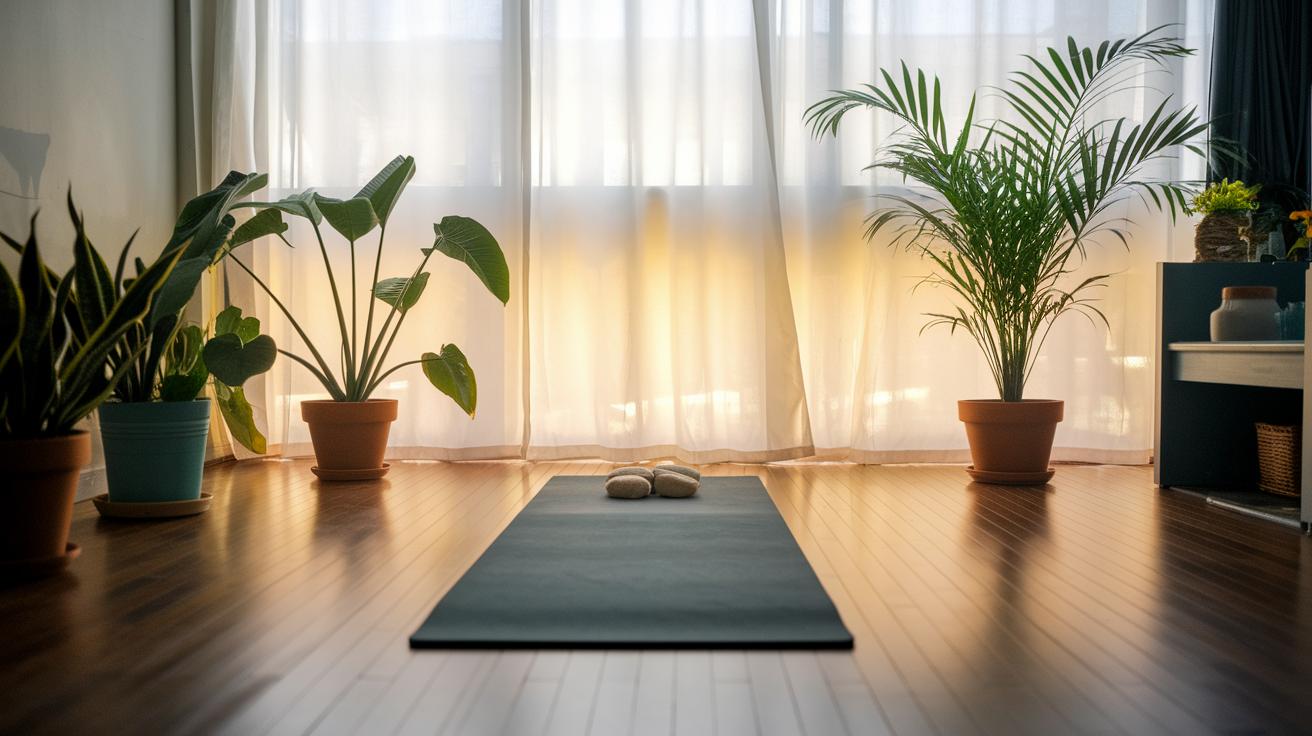
Integrative medicine began long ago in Eastern traditions. People relied on natural herbs and simple breathing exercises to heal their bodies and minds. Even without modern tests, communities trusted these methods to create a sense of balance and well-being. It’s interesting to note that many early healers believed each herbal remedy carried a special message from nature, guiding them toward harmony.
In the 20th century, modern science lent support to these age-old practices. Researchers discovered that therapies like acupuncture and hypnosis could work alongside more traditional treatments. The creation of the American Board of Integrative Medicine set clear standards, bridging ancient wisdom with today's scientific methods. This blend means that while we honor time-tested traditions, each treatment is now checked and refined with current research.
Core Modalities in Integrative Medicine: Conventional and Alternative Therapies
Integrative medicine mixes modern treatments with tried-and-true alternative methods to help you heal in a balanced way. It brings together different kinds of care so that your body, mind, and emotions all get the attention they need. Think of it like creating a well-balanced meal – every ingredient adds its own benefit.
Conventional Interventions
Traditional treatments, such as medications and surgery, provide a solid foundation for healing. These methods have been backed by years of trusted research and clear guidelines. For instance, someone in severe pain might take medicine to ease symptoms and, when needed, have a precise surgery to fix the problem. This approach makes sure you get safe, tested care right when you need it most.
Mind-Body Practices
Alternative techniques like acupuncture and hypnosis work hand in hand with conventional treatments. Practices such as meditation and yoga are also key parts of the mix. Imagine settling into a gentle yoga session, feeling each soft stretch relieve your tension – it’s a simple way to calm your mind and support your body’s healing. By adding these mind-body practices, integrative medicine helps you manage stress and keep your emotions steady, which is really helpful if you’re facing long-term health challenges.
Lifestyle & Nutritional Strategies
Integrative medicine isn’t just about treatments – it also focuses on your daily habits. Personal plans may include nutrition advice, exercise routines, better sleep habits, and smart supplements. Picture it like putting together a balanced puzzle, where each piece like food, movement, and rest fits perfectly to improve your health. This customized approach gives you the tools you need to make informed choices for a lasting, positive change in your well-being.
Why Integrative Medicine Excels: Benefits Over Conventional Care

Integrative medicine blends natural, less invasive therapies with traditional treatments to help you feel your best without over-relying on meds. It’s like nurturing a garden, rather than using a load of chemicals, you care for the soil with water, sunlight, and nutrients. Picture adding stress-busting exercises and personalized nutrition advice into your routine alongside any needed prescriptions, creating a balanced care plan that looks after the whole you. This approach not only smooths out the rough patches of chronic conditions but also helps you take proactive steps to stay healthy, possibly cutting down on those surprise hospital trips.
This method goes deep by looking at the real reasons behind your health issues, whether it’s your gut health, eating habits, emotional well-being, physical strength, or stress levels. Imagine chatting with a doctor who really listens to every part of your health story, not just the symptoms that pop up in a checkup. It’s like following your own customized recipe, with every ingredient chosen just for you. By building a caring, personal connection with your provider, integrative medicine creates a treatment plan that truly fits your unique needs, empowering you to embrace long-lasting wellness.
Certification and Standards: Defining Integrative Medicine in Practice
Integrative medicine follows strong standards that ensure care is both scientifically sound and truly whole-body. To earn certification, doctors must graduate from an accredited allopathic or osteopathic medical school and keep an active, unrestricted license. The American Board of Integrative Medicine is reviewing exam applications for 2025 and 2026 while also offering graduate fellowships. This pathway is designed to confirm that practitioners meet the high benchmarks needed for safe, evidence-based care.
A supportive advisory network is also in place, offering access to professional resources like career centers and partnerships with top organizations. Groups of experts work together using research-based guidelines to set the best practices in integrative medicine. This system not only protects patient safety but also encourages ongoing learning and teamwork. Ultimately, patients can feel reassured knowing their holistic care plans are based on well-established, continually updated methods.
Final Words
In the action of exploring integrative medicine definition, we’ve uncovered a whole-person approach that blends conventional care with proven alternative therapies. The blog highlighted core elements like balanced nutrition, regular exercise, stress relief, quality sleep, and supplements. We saw how ancient practices meet modern science, establishing trusted standards and personalized care. This approach not only treats symptoms but empowers you to manage chronic conditions and boost everyday wellness. Embrace these insights and take a step toward a more balanced, fulfilling way of living.
FAQ
What are some examples of integrative medicine?
The integrative medicine examples combine conventional care with evidence-based practices like acupuncture, hypnosis, nutrition counseling, exercise plans, and guided stress management to support the whole body.
What is an integrative medicine doctor and is an integrative medicine specialist a doctor?
The integrative medicine doctor is a certified physician who blends traditional treatments with complementary therapies, focusing on the whole person, and is fully licensed to practice medicine.
How can I find integrative medicine near me?
The integrative medicine near you can be found by checking local health centers, online directories, or asking your primary care provider for referrals to certified integrative health practitioners.
What are the differences between integrative medicine and functional medicine?
The integrative medicine vs functional medicine comparison shows that integrative medicine blends conventional and alternative treatments for overall balance, while functional medicine focuses more on identifying and addressing root causes for individualized care.
How do I become an integrative medicine doctor, including training and degree requirements?
The path to become an integrative medicine doctor involves completing a standard medical degree followed by specialized integrative medicine training or certification, guided by programs like those offered by recognized medical boards.
What is integrative medicine in simple terms?
The explanation of integrative medicine in simple terms is that it combines regular medical treatments with safe, complementary approaches to care for the body, mind, and spirit as a whole.
What is the difference between holistic and integrative medicine?
The difference between holistic and integrative medicine is that holistic care focuses on the whole person’s wellness in all areas, while integrative medicine specifically blends conventional treatments with complementary therapies for balanced care.
What are the 5 domains of integrative medicine?
The integrative medicine domains include nutrition, exercise, stress management, sleep, and targeted supplements, each contributing to improved overall health and well-being.
What is another word for integrative medicine?
The term another word for integrative medicine is often seen as complementary and alternative medicine, emphasizing combined treatment approaches that address the complete spectrum of health.