Have you ever wondered if our approach to caring for the sick might change when we dig deeper into cultural practices? Medical anthropology brings together social, cultural, and biological insights to show us surprising ways in which traditions can boost modern health care. It explains how community rituals, supportive family bonds, and everyday customs can work right alongside clinical treatments. Imagine the warm comfort of a long-loved local practice blending with today's medical techniques, healing becomes more than just treating symptoms; it turns into a story of genuine human connection.
Core Concepts and Foundations of Medical Anthropology
Medical anthropology brings together social, cultural, biological, and language views to explore what shapes our health and well-being. It looks at how communities feel about and handle illness by not only examining the biological side of disease but also the cultural practices that guide healing. For example, a researcher might take detailed notes on how family members rally around a patient during recovery, showing that caring is both a medical and a cultural act.
This field shines a light on why illnesses spread differently in various communities and how each group works to prevent and treat diseases. Think of it like comparing a local healer’s traditional methods with modern clinical treatments, different approaches but the same goal of health improvement. Medical anthropologists roll up their sleeves and use methods like ethnographic fieldwork, getting involved in everyday life, and conducting in-depth interviews. They build solid theories to explain why certain health practices catch on in specific societies.
Imagine a village where a ritual dance helps heal people, much like a support group meeting today. This perspective helps us understand how cultural traditions play a big role in shaping healthcare practices around the globe.
Historical Trajectory and Evolution of Medical Anthropology
Medical anthropology started in the 1800s when early social medicine experts began noticing how the ways people lived could affect their health. They saw that communities adjusting to their surroundings often showed unique health trends. For example, one early researcher pointed out that places with different farming practices experienced distinct illness patterns, which sparked a closer look at how nature and culture work together.
By the mid-1900s, the field really came into its own with the launch of the Society for Medical Anthropology. This moment brought together fresh ideas from social, cultural, and biological research, letting experts compare healthcare systems from all over the world. Researchers began to explore healing not just in clinical settings but also through community rituals and local traditions that have been around for generations.
Later on, scientists widened their focus to include things like economic conditions, the environment, and deep-seated cultural beliefs. These inquiries laid important groundwork for today’s global research on health differences. In short, this evolving journey continues to inspire new discoveries about how our lifestyles and environments shape our well-being.
Ethnographic and Biocultural Research Methods in Medical Anthropology
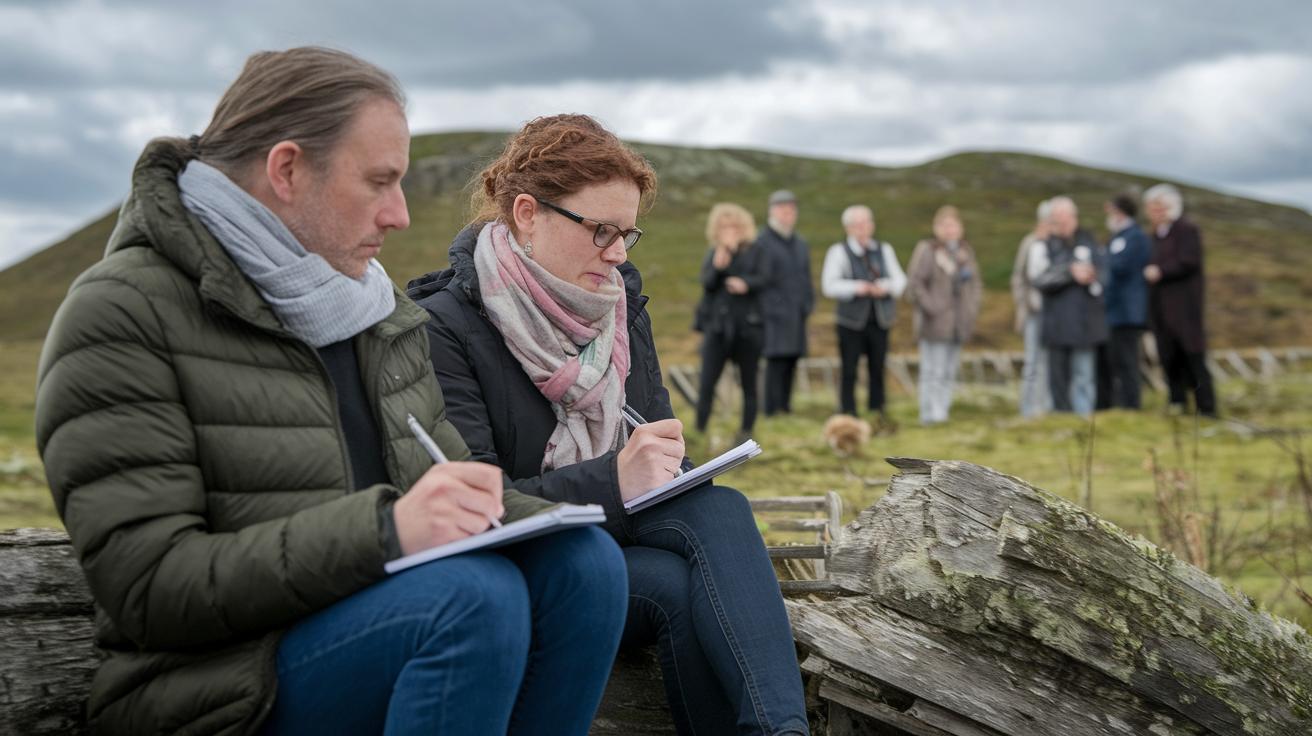
Anthropologists dive right into communities, chatting with people and watching daily life to learn about local healing practices and health stories. They take lively, detailed notes, jotting down everything from everyday rituals to special healing ceremonies and conversations about being unwell. Imagine a note that says, "In the soft light of early morning, a community member explained how a simple herbal tea soothed not just the body but also the spirit." Such words bring the local way of healing right to life.
These hands-on research methods mix the practical feel of everyday life with clinical insights. Researchers get a real sense of how health clinics connect with what people go through every day. They record interactions and personal stories about healthcare to build a complete picture, creating bridges between documented clinical data and lived experiences.
Biocultural perspectives take this further by linking the way people adapt to their surroundings with how their bodies respond. In other words, environmental factors and cultural practices together can shape health. When these findings are published in trusted, open-access journals, it shows there’s a solid blend of deep, qualitative insight and reliable numbers behind the conclusions.
Researchers often combine several techniques, like using numbers alongside descriptive stories to understand health better. Here are a few common methods:
- Participant observation: Being present in the moment and recording natural healing practices.
- In-depth interviews: Collecting personal stories and insights firsthand.
- Clinical ethnography: Connecting what happens in a clinic with the personal experiences of patients.
| Method | Description |
|---|---|
| Participant Observation | Living alongside community members to capture everyday healing practices as they naturally occur |
| Biocultural Analysis | Studying how cultural habits and the natural environment combine to affect physical health |
Cultural Frameworks and Interpretations of Illness in Medical Anthropology
Medical anthropologists look at how our cultural beliefs and everyday practices shape what we think and feel about illness. They listen to patients’ stories and observe local rituals to uncover the real meaning communities give to symptoms and healing. In Denmark, for example, patients having elective orthopedic surgery often describe their recovery as if mending a broken relationship, a vivid way to express their journey toward health.
Researchers also dig into the symbolic meanings that different cultures attach to illness. They might ask, “What does a scar mean in this setting?” In one community, a scar isn’t seen as a sign of injury at all, it’s a badge of honor that tells a story of survival. This shows us just how much symbolic meaning can shape treatment choices and public health advice.
The study of illness isn’t just about the body; it also connects deeply with cultural practices. By using a biocultural approach, scholars explore how physical conditions intertwine with the everyday rituals and beliefs of a community. For example, long-term exposure to chemicals might change not only our bodies but also the way society views disease.
Medical anthropologists bring together their findings using detailed field notes. They capture personal anecdotes and local sayings, creating cultural frameworks that explain how different societies interpret illness. By weaving these observations into stories from patient interviews and community rituals, they provide a window into real, lived experiences.
Key methods in this field include:
- Participant observation: Watching daily interactions to understand individual and shared health narratives.
- In-depth interviews: Collecting personal stories that reveal the symbolic meanings behind symptoms and recovery.
When these approaches come together, scholars offer fresh, culturally sensitive perspectives on healthcare. This blend of personal experience and research helps honor the cultural knowledge that’s so essential to understanding disease.
Interdisciplinary and Global Perspectives in Medical Anthropology
Medical anthropology mixes ideas from biomedicine, global health studies, medical humanities, and science and technology studies. It shows us how social customs, economic settings, and health policies work together, painting a fuller picture of our well-being. Sometimes, journals include photo essays that capture everyday views on vaccination or show how games and play truly boost health. These studies offer clear real-world examples and shine a light on how our surroundings influence illness.
Researchers often study health care systems side by side, comparing urban hospitals with rural clinics. They look at how cultural traditions and economic realities impact the way people get care. This kind of work gives us practical insights that help policymakers design programs tailored to local needs. For instance, one study might tell the story of a community that blends modern medicine with time-tested healing techniques to manage seasonal illnesses. It reminds us that health is a shared journey influenced by many factors.
Cross-disciplinary projects bring together experts from different fields to explore how social forces guide our health choices. Imagine a team comparing patient experiences in hospitals from different continents, each story rooted in local traditions yet tied to global trends. These collaborations not only enrich academic discussions but also drive policy changes that make a real difference in people’s lives. Ultimately, this approach helps merge local voices with global medical research to create solutions that work in the real world.
Case Studies and Clinical Ethnography in Medical Anthropology
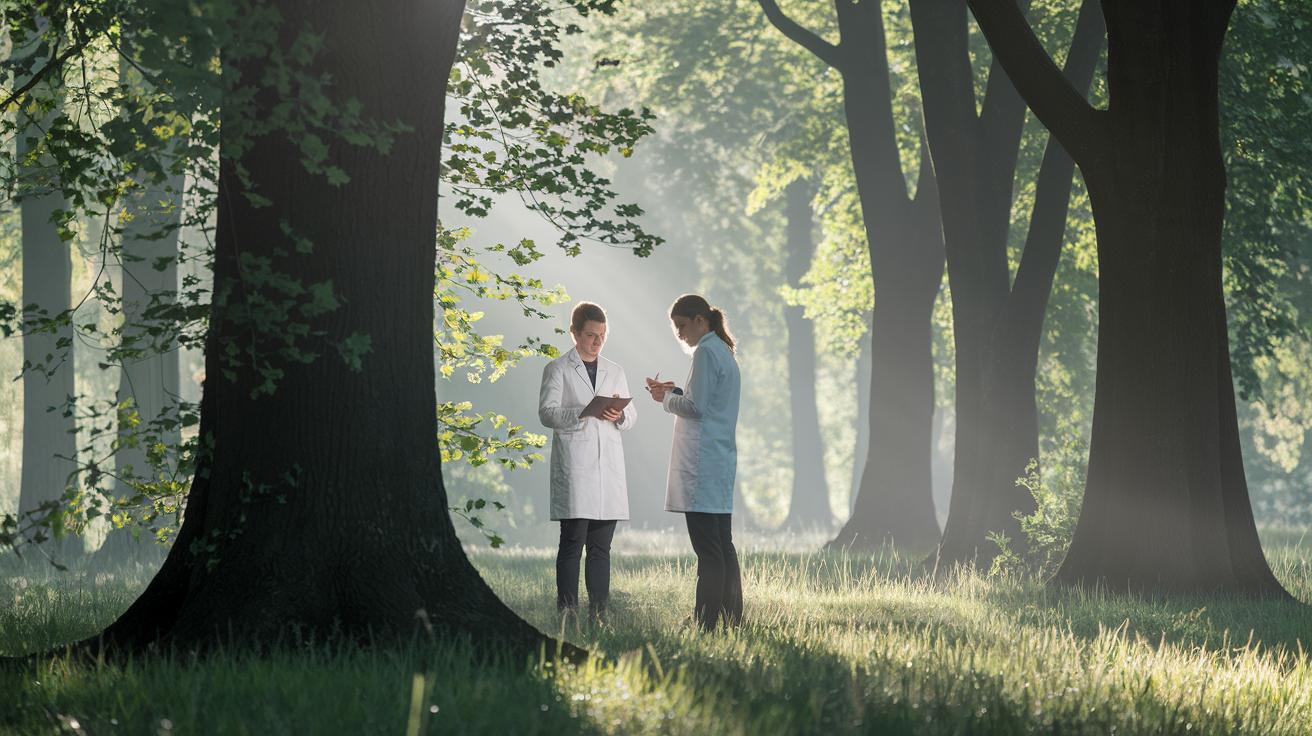
Recent case studies are shedding new light on what patients really go through. Researchers have spent time in quiet woodlands and other natural settings, carefully jotting down observations during forest therapy sessions in psychiatric care. These peaceful environments seem to help patients clear their minds and find balance, reminding us that nature can be a comforting ally in healing.
Ethnographic research into health disparities has uncovered personal stories that reveal how social and economic challenges impact patient care. For instance, one study followed a family as they navigated the healthcare system for pediatric heart surgery. Their journey highlighted not only the tough barriers in accessing care but also moments of unexpected kindness. It’s a reminder that even in complex systems, compassion can make a big difference.
Other studies focus on the everyday battles faced by people managing long-term illnesses. By conducting interviews during routine care, researchers capture both the medical details and the emotional ups and downs of living with chronic conditions. You can sense the struggle mixed with hope as patients adjust to a range of cultural influences in their care.
Key methods used in these investigations include:
| Method | Description |
|---|---|
| In-depth Interviews | Talking with patients to gather detailed personal experiences. |
| Participant Observation | Recording cultural practices in real-time for a vivid snapshot of care. |
| Clinical Ethnography | Linking patient stories with broader trends in health systems. |
These studies remind us that medicine is as much about individual experiences as it is about clinical data. They offer real-life snapshots of how people in different communities tackle health challenges and find their own ways to heal. Detailed field notes and firsthand accounts combine academic insights with everyday reality, giving us a richer understanding of the hurdles and triumphs in managing health.
Field notes truly deepen our understanding of these multifaceted issues.
Social Determinants and Public Health Applications in Medical Anthropology
Anthropological research is crucial for building community health programs that really work for everyone. Researchers explore everyday living conditions, community traditions, and unique experiences like menstruation or menopause to see how they shape our health. For example, at a community meeting, a women's group might share how the stigma around menstruation stops them from getting proper care.
This type of study also digs into bigger, underlying reasons for health differences among people. Simple factors like the layout of a town, economic challenges, and cultural beliefs all play a part in who gets sick and who stays healthy. In some small towns, for instance, limited access to fresh food and safe places to play can lead to more chronic health problems. This connection shows how everyday settings can influence broader health trends.
Medical anthropologists work hand in hand with public health experts to turn these insights into real policy changes. Their studies back up quick response reports and important health updates. The results go into designing programs that address both the social habits and the physical environments that pull health in different directions.
Key efforts include:
- Engaging communities to identify local health priorities
- Evaluating public health policies through community-focused lenses
- Comparing healthcare systems across different cultural settings
All these insights help shape community-level actions and empower policymakers to create solutions that respect local cultures and meet real needs. This approach makes health programs both effective and respectful, paving the way for thoughtful public health strategies that benefit everyone.
Emerging Debates, Ethical Considerations and Career Pathways in Medical Anthropology
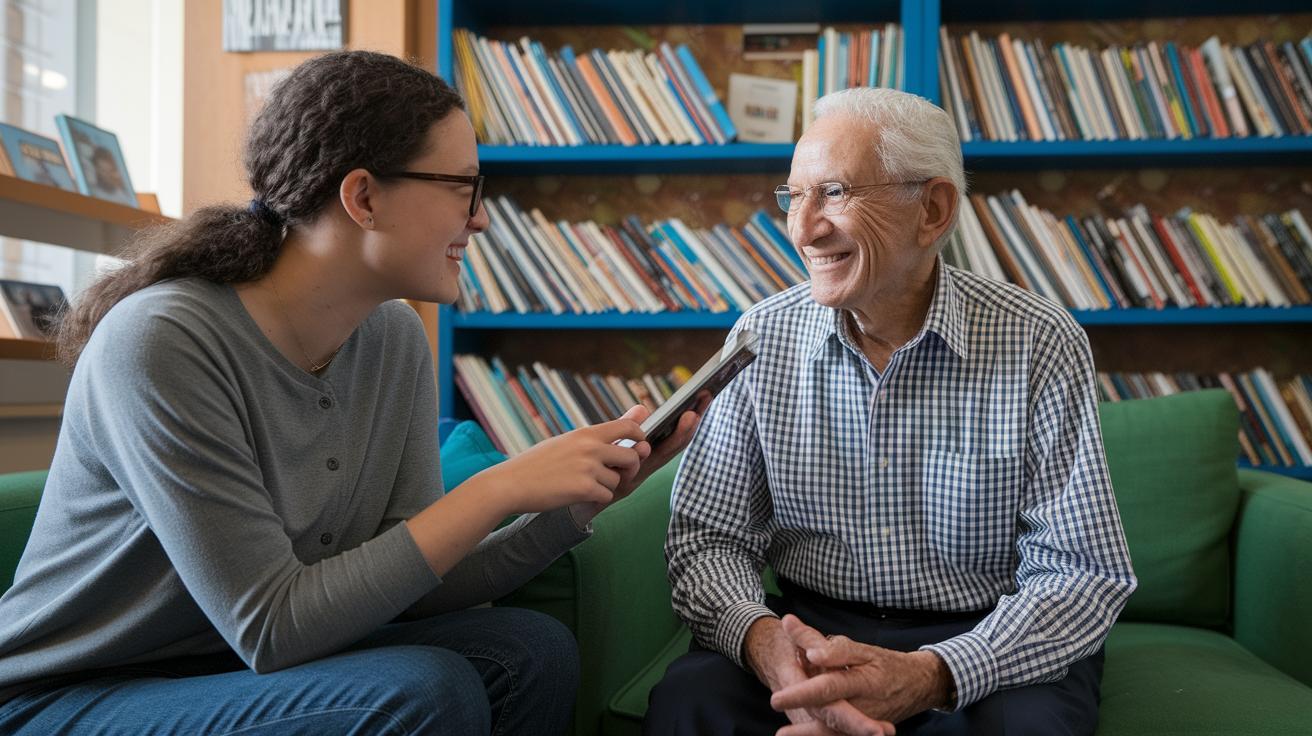
Scholars in medical anthropology are rethinking how research ethics mix with the cultural practices of medicine. Journal guidelines now stress being clear about ethics and peer-review standards. One guide even shared a story about a young researcher who carefully read every guideline to make sure each interview honored the storyteller’s unique voice.
New methods in clinical ethnography are sparking fresh debates about ethical care in culturally sensitive ways. Researchers and students are blending classic medical theories with hands-on techniques to see how communities actually experience health. Graduate courses, online speaker series, and award events are all practical ways this field nurtures professional growth, opening doors in academia, NGOs, and policy research.
A recent call for papers summed it up perfectly: "Real stories combined with ethical practice pave the way for transformative research." In short, by pairing rigorous research with strong ethical standards, the field of medical anthropology is carving out exciting career pathways for emerging professionals passionate about making a real difference in how we understand culture and health.
Final Words
In the action of examining medical anthropology, the article spotlighted its foundations, historical progress, and ethnographic methods. It unpacked cultural interpretations of illness, explored research methods, and highlighted global health perspectives. These insights help connect the dots between clinical research and everyday health practices. By appreciating the cultural dimensions backed by solid evidence, we can better manage chronic conditions and feel confident in our daily health choices. There’s a real power in integrating these approaches into everyday life, making informed decisions that brighten our wellness outlook.
FAQ
What are Medical Anthropology books?
Medical Anthropology books offer insights into how culture, society, and biology shape health. They help readers explore theories, case studies, and research methods that uncover the roots of health practices and disparities.
What are Medical Anthropology careers?
Medical Anthropology careers span academic research, policy consulting, and roles in public health organizations. Professionals explore how cultural and social factors influence health to inform better community and global health strategies.
What is a Medical Anthropology journal?
A Medical Anthropology journal publishes peer-reviewed studies on cultural, social, and biological aspects of health. It provides up-to-date research findings and case studies that help shape public health policies and practices.
What is the Medical Anthropology salary like?
Medical Anthropology salary varies by role and experience. Compensation in academia, NGOs, and public health research reflects the interdisciplinary skills needed to analyze cultural factors that influence health care systems.
What does Medical Anthropology at Brown offer?
Medical Anthropology at Brown integrates social, cultural, and biological research to explore health disparities. It provides interdisciplinary coursework and field experiences to understand how cultural contexts influence illness and healing.
What is a Medical Anthropology degree?
A Medical Anthropology degree teaches how cultural, social, and biological factors affect health. Graduates gain skills for roles in research, policy development, and academia, addressing diverse health challenges in various communities.
What are some Medical Anthropology examples?
Medical Anthropology examples include studies on chronic illness management, comparative healing practices, and cultural interpretations of disease. These real-world cases showcase how medicine is influenced by social and cultural contexts.
What is a Medical Anthropology PhD?
A Medical Anthropology PhD is an advanced, research-focused degree. It prepares scholars to investigate how culture and society impact health, equipping them for academic roles, policy research, and leadership in global health initiatives.
What does a medical anthropologist do?
A medical anthropologist examines how cultural beliefs and social structures impact health, illness, and healing. They conduct field research, analyze patient narratives, and contribute to public health policies that improve community well-being.
What jobs can I get with a medical anthropology degree?
With a medical anthropology degree, you can work in academic research, policy analysis, global health organizations, and NGOs. These positions focus on applying cultural insights to improve healthcare systems and community health outcomes.
What are the 5 approaches to medical anthropology?
The 5 approaches to medical anthropology include clinical ethnography, biocultural analysis, comparative healthcare studies, cultural interpretations of illness, and public health applications. Each approach examines different layers of how culture and society influence health.
What degree do you need to be a medical anthropologist?
Typically, a degree in anthropology with a specialized focus on medical or cultural anthropology is required. Advanced degrees enhance research capabilities and open up academic, policy, and field work opportunities in health.