Have you ever noticed that some days you have boundless energy, while other days it all just fades away? It’s like your body is a top-of-the-line car, it needs the perfect mix of fuel to keep it running smoothly. By choosing the right foods, you can boost your energy and even make your workouts last longer. In this article, I’ll share three easy nutritional ideas to help you power up your day. Stick with me, and you'll see how small tweaks in your diet can keep you moving no matter how tough things get.
Core Nutritional Strategies to Boost Energy and Endurance
For athletes who rely on endurance, a balanced diet is essential. Think of your body as a high-performance car that needs the perfect mix of fuel. Around 60% of your calories should come from carbs, 15–20% from protein, and 20–25% from healthy fats. Carbs power up your muscles and liver by refilling energy reserves during those long, tough sessions, like a steady stream of gas for your engine.
Have you ever had a pre-run bowl of oatmeal with fruit? It’s a great example of fueling up properly. Eating something light and energizing before exercise keeps you moving without tiring too soon.
To keep your energy up, it helps to eat every 2–3 hours. This frequent mocking of small meals or snacks keeps your blood sugar stable and stops energy crashes that could derail your workout. It’s like topping off your tank just when you need it most.
Now, let’s talk about periodized nutrition. This approach means changing what you eat based on your training cycle. When you’re in a heavy training phase, you might add more carbs to boost energy. On lighter days, shifting toward extra protein and healthy fats helps rebuild muscles and balances hormones. This flexible way of eating not only sharpens your performance but also helps ward off injuries and speeds up your recovery.
Remember, fueling properly before and after your workouts isn’t just smart, it’s a proven strategy that many athletes rely on to stay at the top of their game.
Carbohydrate Guidelines for Sustained Energy in Endurance Training
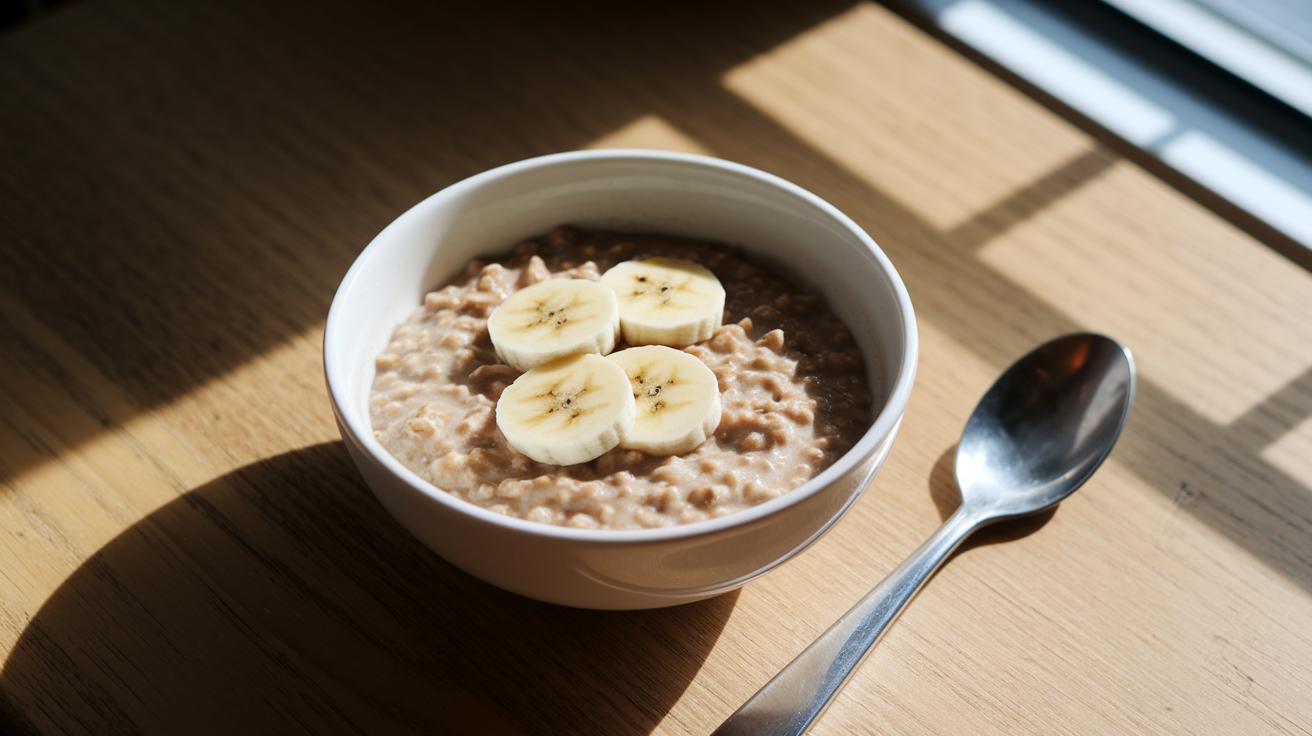
Carbohydrates are a key source of energy for long workouts. They should make up about 45–65% of your daily calories because they refill the glycogen in your muscles and liver, your body’s main fuel. Think of it like refilling your car’s gas tank. A meal with whole grains, fruits like bananas, and starchy veggies such as sweet potatoes releases energy slowly, keeping you powered up. Imagine starting your day with a warm bowl of oatmeal topped with banana slices; it’s both comforting and effective.
To really maximize your energy, you can try a carb-loading approach a few days before your event. Athletes typically consume 8–12 grams per kilogram of body weight over 2–3 days. This helps fill up your glycogen stores, making your body ready for the challenge ahead. Also, having a meal rich in carbohydrates 1–4 hours before exercise can help keep your blood sugar stable throughout your activity.
When planning your meals around training, stick with whole-food choices. Not only do these foods deliver steady energy during workouts, but they also support top performance when you most need it. If you’re looking for meal ideas, check out “What Are Whole Foods” for inspiration on incorporating these nutrient-packed carbs into your routine.
Protein Intake Strategies for Recovery and Endurance Performance
If you've just wrapped up a challenging workout or a long run, giving your muscles what they need is crucial. Experts suggest aiming for about 1.2 to 1.7 grams of protein per kilogram of body weight every day. This protein helps repair tired muscle fibers and gradually builds a stronger body.
It really helps to eat protein within 30 minutes to 2 hours after exercising. This short window is golden for kickstarting muscle protein synthesis, the process that rebuilds and strengthens your muscles. By spreading your protein intake evenly through your meals and snacks, you’re ensuring a steady stream of essential amino acids, including those helpful branched-chain amino acids, which boost recovery and keep you ready for your next challenge.
Here are some great lean protein options to consider after your workout:
| Protein Source | Examples |
|---|---|
| Lean Meats | Chicken, Turkey |
| Dairy | Low-fat Greek Yogurt |
| Plant-Based | Tofu, Legumes, Quinoa |
Spreading out your protein intake not only fuels recovery but also keeps your muscles in top shape for whatever comes next. Have you ever noticed how a well-balanced meal after a tough session feels like the perfect reward? Stick with these strategies, and you'll notice the difference in how quickly you bounce back and power through your workouts.
Role of Healthy Fats in Endurance Energy Production

Healthy fats are like the unsung heroes that help keep your body balanced, smooth, and ready for action. They help maintain hormone balance and support nutrient absorption, which is crucial for sustaining energy during those long workout sessions. Experts suggest that these fats should account for at least 20% of your daily calories, so you’re fueling your body with the type of premium energy that really lasts.
Omega-3 fatty acids, found in foods like salmon, flaxseed, and walnuts, serve as little power boosters for your body. They help ease inflammation and give your heart a bit of extra love, making sure you’re all set for your next exercise routine. And by alternating your workouts with fat-adaptation sessions, essentially training your body to tap into those fat stores, you can save your carbohydrates for when you need that high-intensity kick.
Even simple changes go a long way. Tossing a handful of walnuts into your snack or drizzling a bit of flaxseed oil over your meal can be all it takes to bolster your endurance and performance. It’s all about giving your body the quality fuel it needs to keep moving forward.
Hydration Protocols for Energy and Endurance Performance
Staying hydrated isn’t just about silencing your thirst. It’s also about keeping every cell in your body working right and fueling your endurance. Even a small fluid loss, about 2–4% of your body weight, can really slow you down. To start well, try sipping 8–10 ounces of a sports drink 2–3 hours before you exercise. This little boost fills you up with fluids and electrolytes, giving your body a jumpstart for what lies ahead.
During long workouts, keeping a regular drinking schedule is key. Picture taking a few sips of a drink packed with carbs, fluids, and electrolytes every 45 minutes. This habit helps fend off cramps and keeps your energy steady. Think of it as refilling your car’s gas tank bit by bit so you can keep cruising smoothly.
After your workout, don’t stop at the finish line. Continue drinking fluids that include sodium to help top up your body’s lost minerals. You might notice tiny white salt marks on your clothes, an easy sign that your body needs that extra replenishment. Following these steps not only boosts your performance during exercise but also speeds up your recovery afterward. It’s a simple routine that can make a big difference in how you feel both during and after your training.
Nutrient Timing Techniques for Energy and Endurance Optimization

When you fuel properly during your workout, you can seriously boost your performance. For example, one cyclist mentioned that sipping a carb-rich drink every 45 minutes during his long rides helped him stay energized and avoid sudden energy dips. He said, "I felt more consistent and less prone to energy drops."
Eating a meal 1 to 4 hours before your workout can also set you up for success without making you feel sluggish. One runner switched to a simple meal of whole grains with fruit before her run, and she noticed smoother pacing and steady energy throughout. She remarked, "I was surprised by the steady boost it provided."
After your workout, it’s essential to refuel quickly. Having a mix of carbs and protein within 30 minutes helps rebuild your muscles and restore your energy. One swimmer shared that a quick recovery smoothie not only eased his post-exercise fatigue but also prepped him nicely for his next session. He noted, "It made a noticeable difference in how I felt after training."
In short, aligning your meal timing with your training needs can really enhance both your performance and recovery. Smart nutrient timing makes all the difference!
Supplementation Strategies to Enhance Energy and Endurance
Research shows that some supplements can give your body that extra boost, helping you push through long workouts. For example, caffeine in amounts of 3–6 mg per kilogram paired with beta-alanine works to delay fatigue. One athlete explained, "Taking caffeine before training feels like an extra burst of energy that keeps me going." Plus, adding BCAAs (branched-chain amino acids, which help save your muscle's fuel) during exercise can help maintain performance during extended sessions.
Endurance athletes often need extra micronutrients too. Iron (which helps carry oxygen in your blood), along with calcium, magnesium, zinc, and vitamin B₁₂, are essential for keeping cellular energy production on track. Just a friendly reminder: always check with a healthcare professional before starting iron supplements to avoid taking too much.
Incorporating omega-3 fatty acids and antioxidants into your routine can also ease the inflammation that sometimes follows intense exercise. These nutrients help reduce muscle soreness and speed up recovery, ensuring you’re always ready for your next session.
If you’re looking for well-researched ways to support your endurance training, consider exploring options like Low Energy Supplements. This strategy fits well into a balanced nutritional plan designed to enhance energy output and overall endurance.
Meal Planning and Snack Options for Endurance Training

Building a smart meal plan for your endurance training means turning good nutrition advice into everyday meals that truly fuel your workouts. Imagine starting your day with a warm bowl of oatmeal crowned with banana slices and a spoonful of almond butter. Not only does it provide a burst of energy in the morning, but the fruit also brings natural sweetness to kick off your workout with a smile.
For lunch, how about a hearty quinoa and chickpea salad mixed with crisp, colorful veggies? This meal offers complex carbohydrates paired with protein, keeping your energy levels steady without any sudden drops.
At dinner, picture a comforting plate featuring sweet potato, grilled chicken, and gently steamed greens. This balanced mix delivers healthy carbohydrates, lean protein, and fiber to help with digestion, making your evening meal both satisfying and nourishing.
Snacks in between meals can really boost your performance, too. Grab an energy bar, a handful of mixed nuts, or some dried fruit when you’re on the go. Or try a recovery smoothie blended with Greek yogurt, a mix of berries, a handful of spinach, and a sprinkle of chia seeds. The antioxidant-rich berries, like goji and blueberries, not only fuel your endurance but also help reduce stress inside your body.
This plan is just one example of how simple snack ideas can support recovery and keep your energy levels up throughout the day. Enjoy exploring more ways to combine whole foods into your routine, making each meal a step toward a healthier, more energetic you.
Competition Day Nutrition for Peak Energy and Endurance
Before the race, think of your nutrition as the fuel that powers your performance. Start by having a solid dose of carbohydrates 1 to 4 hours before you begin, roughly 1–4 grams for every kilogram you weigh. For example, a bagel with peanut butter can be a delightfully light yet energy-packed choice. And about two hours before your race, enjoy 8–10 ounces of a sports drink to refresh your hydration and sharpen your focus.
Once you’re in the race, every minute really matters. After around 45 minutes, keep your energy steady by consuming 30–60 grams of carbohydrates per hour via gels or sports drinks. Think of it like taking quick pit stops that ensure your energy stays high, even as the challenge ramps up.
When you cross the finish line, recovery becomes just as important. Try to grab a recovery shake within 30 minutes post-race that follows a 3:1 carbohydrate-to-protein ratio. This mix helps jumpstart the process of refilling your energy stores and repairing your muscles, setting you up for a quick bounce-back.
Remember, every nutrition decision on your competition day, from the pre-race fueling to the mid-race boosts and post-race recovery, plays a key role in helping you perform at your peak and maintain your endurance.
Addressing Nutritional Barriers to Energy and Endurance in Athletes

An upset stomach can really throw off an athlete’s game. Sometimes, eating too much fiber or heavy, fatty foods before an event can lead to bloating and cramps. Basically, if you pile on a rich, hefty meal before the competition, it might slow you down instead of boosting your performance.
There’s a myth that super low-carb or fat-heavy diets can boost endurance. But research shows that carbohydrates remain your body’s main fuel during long, intense exercise. In other words, leaning too much on fats before a race could actually zap your energy. It’s all about finding the right balance.
If your digestion is causing discomfort, try adding anti-inflammatory foods like ginger or turmeric, they can help soothe your gut. Also, emerging insights on circadian nutrition (which means eating in tune with your body’s natural clock) suggest timing your meals to match your training. This strategy helps you get the most energy out of what you eat.
Ultimately, personalization is key. Experiment with different food combinations and meal timings to discover what works best for your body, ensuring you perform consistently and comfortably.
Final Words
In the action, we examined balanced macros, timed meals, and hydration protocols to boost performance and recovery. We touched on carb, protein, and fat guidelines, smart nutrient timing, and supplementation tips. These research-backed insights empower anyone to fine-tune daily routines while managing energy levels effectively. By embracing nutritional strategies for energy and endurance, you can support both active days and overall well-being. Small, focused changes can transform your health, keeping you energized and motivated every step of the way.