Have you ever thought that really tiny particles might change the way we treat illness? Right now, scientists are exploring medicine on a very small scale. They use these minuscule particles to target specific cells with pinpoint accuracy.
Because these particles are so small, they work at the molecular level. This can mean fewer unwanted reactions and treatments that work better. Imagine a treatment that acts only on the sick cells while leaving healthy ones alone.
Researchers are also finding ways to catch diseases early and deliver drugs more smartly. In short, these breakthroughs could soon lead us to safer and more precise care for everyone.
Key Applications of Nanotechnology in Medicine: An Overview
Nanomedicine brings the incredible power of tiny particles into the realm of healthcare. By working at the cell, gene, and molecule levels, it offers fresh and precise ways to tackle health problems, all built on strong scientific foundations (https://factcheckx.com?p=92).
At its heart, nanomedicine uses particles that are usually smaller than 100 nanometers, so tiny they can interact directly with cells and our genetic material. This means treatments can be super targeted, reaching areas in your body that were once hard to access.
Nanotechnology is also changing how we diagnose and treat diseases. For example, tools like quantum dots and magnetic nanoparticles help doctors zero in on specific biomarkers, making it easier to catch cancer, heart conditions, and infections early on. This early detection could significantly lower the number of misdiagnoses each year. Plus, with advanced drug delivery systems, medicines go straight to the affected cells, reducing unwanted side effects. Innovations using light or reactive oxygen species even let doctors focus treatments exactly where needed. These breakthroughs are increasingly paired with digital health tools (https://healthyfax.com?p=607), boosting both precision and effectiveness.
By making it easier to spot diseases early and deliver treatment directly where it matters, nanomedicine is paving the way for safer, more efficient care for everyone.
Nanoparticle-Based Drug Delivery Systems in Medicine
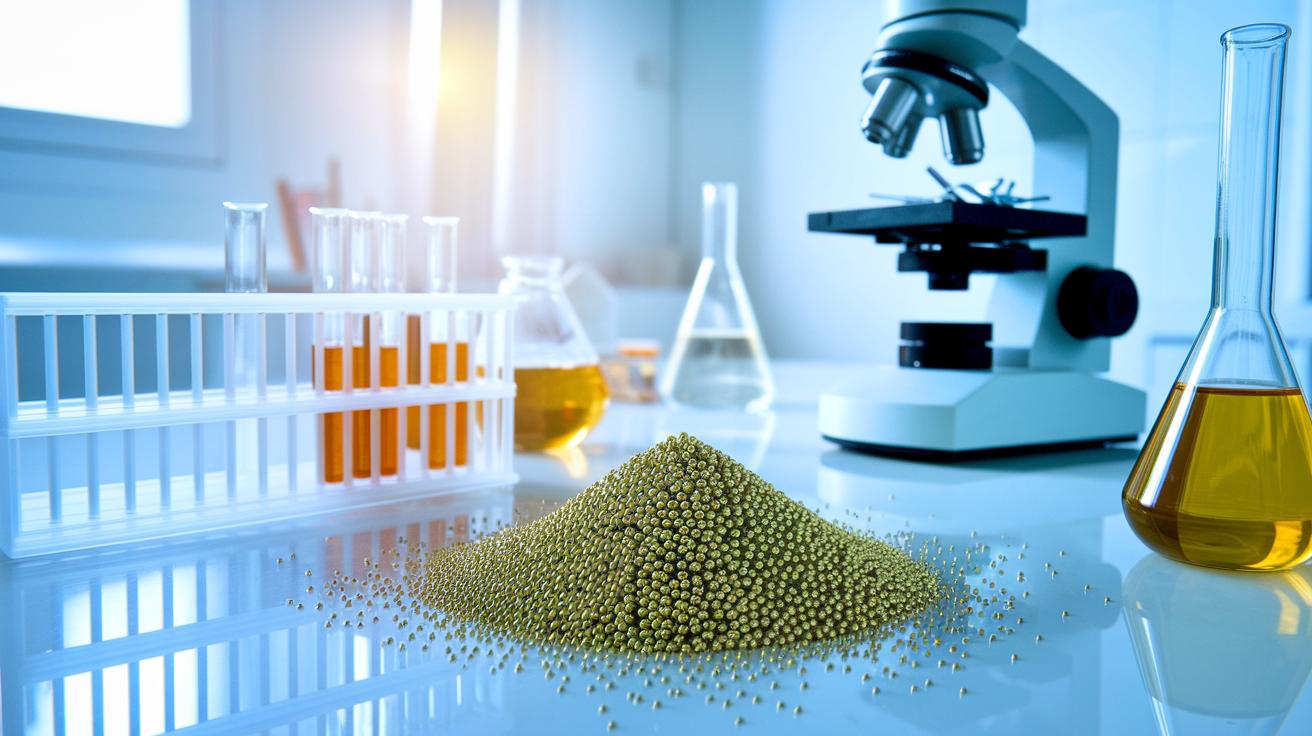
Traditional treatments often send medicine throughout the body, hitting both sick and healthy cells. This can cause unwanted side effects and sometimes makes the treatment less effective. Nanoparticles change the game by carrying drugs straight to the problem areas, reducing side effects and boosting benefits.
Nanocarriers come in various forms. For example:
- Liposomes – these are tiny bubble-like structures made from natural fats that blend with your cell membranes.
- Dendrimers – think of these as mini trees with many branches that can hold and deliver drugs directly where needed.
- Polymeric nanoparticles – these are biodegradable carriers designed to slowly break down, releasing medicine over time.
- Gold nanoparticles – stable and friendly to the body, these particles can be tweaked for pinpoint accuracy and even used in imaging.
- Carbon nanotubes – these cylindrical structures have a large surface area, making them great for carrying drugs that need to be released gradually.
This controlled, slow-release method helps keep the drug levels steady in your body instead of dumping all of it in at once. It means treatments can work more smoothly, and doctors see more reliable results, potentially leading to faster recoveries and a better quality of life.
Looking ahead, smart nano drug devices are being developed to react to specific triggers in your body. Imagine a system that adjusts how much medicine it releases based on what your body needs at that moment. This innovative approach could be a real breakthrough, ensuring treatments adapt in real time to your changing health.
Nanotechnology-Enabled Diagnostic Tools in Medicine
Accurate diagnostics help catch diseases early, often even when tiny hints suggest something’s off. Nanotechnology works at the molecular level (that means it handles parts of a cell) to spot signs that traditional tests might overlook. Think of it like a tool that finds early disease markers even before you feel sick, it’s a real breakthrough for patient care.
Traditional methods can sometimes miss the details. That’s where these new nano diagnostic instruments come in. They’re super sensitive, delivering fast and accurate results that cut down on misdiagnosis, a problem that sadly leads to many unnecessary losses each year.
| Tool | Nanoscale Component | Clinical Application |
|---|---|---|
| Quantum dots | Tiny semiconductor crystals | Used for spotting tumors and early disease signals |
| Magnetic nanoparticles | Small iron oxide particles | Help improve imaging by highlighting target areas |
| Diagnostic nanochips | Miniature sensor arrays | Provide rapid tests in clinical settings |
| Smart pills | Embedded nanosensors | Monitor the gastrointestinal tract in real time |
These innovative tools not only sharpen diagnostic accuracy but also offer clear benefits for patient care and even reduce healthcare costs over time. With improved sensitivity (catching even the smallest signs) and specificity (ensuring the right issue is detected), treatments can start sooner, and expensive late-stage care might be avoided. As they lower misdiagnosis risks, these nano tools can save critical resources and, more importantly, lives.
Their ability to deliver quick, trusted results means that doctors can make better decisions, whether in urgent situations or during regular check-ups. In short, by integrating nanotechnology into diagnostics, we’re looking at a future of better patient outcomes and more efficient healthcare overall.
Nanotechnology in Cancer Treatment Strategies
Traditional cancer treatments can sometimes be too broad. Chemo, for example, may damage healthy cells along with the bad ones, causing unwanted side effects and extra stress on the body. Since these treatments can’t tell the difference between sick and healthy cells, they often produce serious side effects that limit how much medicine can be given. Researchers are now exploring ways to focus treatment only where it’s needed, sparing healthy cells while targeting the tumor.
Nanoparticle-assisted phototherapy offers an exciting new approach. In photothermal therapy, tiny gold shells turn near-infrared light into heat, gently warming cancer cells until they’re harmed. Similarly, photodynamic therapy uses nanoparticles packed with a special drug that produces reactive oxygen species, molecules that mess up important cell functions inside the tumor. These methods aim to attack cancer locally, keeping most of the healthy tissue safe.
New targeted delivery systems are also changing the game. Nanocarriers are designed to carry chemotherapy drugs straight to the tumor. They bind to specific markers on cancer cells so the medicine goes exactly where it’s needed, cutting down on side effects. Plus, emerging treatments that boost the body’s immune response show promise for even more personalized cancer care in the future.
Regenerative Medicine and Tissue Engineering with Nanotechnology
Nanomaterial scaffolds act as a supportive framework that closely mimics the natural extracellular matrix, the fine network that holds our cells together. They help cells stick around by providing just the right physical and chemical signals to guide tissue growth. Imagine it as a welcoming temporary home where cells can settle in and start repairing damaged tissue. This setup is key for regenerative therapies, laying the groundwork for successful healing.
New designs are getting smarter by using materials specially chosen to match different tissue needs. For repairing bone, researchers have crafted scaffolds from carbon nanotubes and tiny hydroxyapatite particles that resemble how natural bone is built. For softer tissues, delicate nanofibrous networks form a fine, web-like structure that supports the growth of skin and blood vessels. These nano-based bioscaffolds not only anchor cells but also help them mature and organize properly, making them ideal for various types of tissue repair.
Even more exciting are innovations like dressings built with nanogenerators. These clever bandages capture energy from everyday actions, like the rhythm of your breathing, and convert it into tiny electrical pulses. Those small signals can kickstart the cell repair process and speed up healing. In time, such nano wound-healing methods might even help support the repair of whole organs by continuously encouraging tissue regeneration.
Challenges, Safety, and Regulatory Landscape of Nanotechnology in Medicine

Researchers are still exploring how nanoparticles interact with our bodies over the long haul. These tiny particles, when used in medicine, sometimes end up in organs like the liver or spleen, which raises natural questions about long-term health effects. Scientists are busy studying how these particles mingle with cells, making sure they don’t cause unexpected harm. It’s a careful balancing act to design formulations where the benefits truly outweigh any risks.
Around the world, rules for nanotechnology in medicine differ greatly. Guidelines shift as new scientific discoveries emerge, which means companies often face a moving target when they try to get their nanomedicine products approved. And while the promise of innovation is exciting, it can sometimes bring up ethical concerns. For instance, wearable nanosensors that share personal data might lead to privacy issues or accidental exposures. To build trust and advance the field, everyone, from developers to regulators, needs to work together transparently.
Solid, well-structured clinical trials are a must for proving safety. Developers now weave risk assessments into their trial plans to check that these therapies won’t cause harm, such as unwanted organ accumulation. For example, nanomedicine trials are evolving to monitor how these unique particles behave once inside the body. This rigorous testing not only boosts consumer confidence but also helps create treatment options that are both effective and safe, paving the way for reliable medical advances.
Future Trends in Nanotechnology for Medicine
Nanotechnology is reshaping how we approach healthcare by blending it with augmented and virtual reality. Imagine a pair of affordable contact lenses that show real-time surgical tips or even pull up patient records mid-procedure. It’s like having a digital assistant for every step, making surgery and training more intuitive and effective.
Researchers are also diving into smart nanobots, which are tiny devices that might soon monitor your health in real time or deliver treatments directly where they're needed. Think of them as microscopic health helpers that could detect disease markers with remarkable accuracy. This could mean treatments that feel personalized and less invasive than ever before.
Industry partnerships are speeding this transformation, bringing breakthroughs from the lab into everyday medical practice. While some concepts are still emerging, many are close to becoming part of our regular healthcare toolkit. In the next five to ten years, these cutting-edge nanomedicine solutions could become a routine part of patient care, offering smarter, faster, and more efficient treatment options.
Final Words
In the action, we reviewed how nanotechnology in medicine is revolutionizing care through targeted drug delivery, smarter diagnostic tools, and innovative cancer treatments. We also touched on regenerative applications and the need for tighter safety and regulatory measures.
Every section showed how these advances can improve treatment precision and quality of life. The promise of future trends brings hope for better, research-backed health solutions that continue to enhance everyday wellness.
FAQ
What is nanotechnology in medicine?
The term nanotechnology in medicine refers to using materials at an extremely small scale to improve health care, from targeted drug delivery to advanced diagnostic tools.
How is nanotechnology being used in medicine?
Nanotechnology in medicine is used in targeted drug delivery, precision diagnostics, innovative cancer treatments, and controlled-release systems that improve patient outcomes and reduce side effects.
What are some examples of nanotechnology in medicine?
Examples include nanoparticle carriers like liposomes and gold nanoparticles for cancer therapy, quantum dots for precise imaging, and smart devices that allow for on-demand drug release.
What diseases can nanotechnology help treat or cure?
Nanotechnology has potential in detecting and treating cancers, cardiovascular issues, and infections by enhancing targeted therapy and diagnostic accuracy for more effective treatment.
What are the benefits of nanotechnology in medicine?
The benefits include improved drug delivery with reduced toxicity, earlier and more accurate disease detection, and more effective treatments with less harm to healthy cells.
What are the problems with nanotechnology in medicine?
Problems include concerns about long-term safety, potential toxicity, and inconsistent regulatory standards, which require more research and robust clinical trials to resolve.
What is the future of nanotechnology in medicine?
The future points to smart nano devices that release drugs on demand, advanced nanosensors for diagnostics, and innovative therapies that promise safer, more precise patient care.
Where can I find resources like PDFs, PPTs, or research papers on nanotechnology in medicine?
Many academic and reputable health science websites offer PDFs, PPTs, and research papers that detail the principles, benefits, and practical applications of nanotechnology in medicine.