Have you ever thought that a little bruise could hide a powerful clue? Forensic medical examiners blend their medical know-how with detective work to solve mysteries. These board-certified doctors do more than just find out why someone died. They carefully examine toxicology reports (tests that check for poisons or drugs) and photos from the scene to pick up tiny details that add up to big answers.
In this post, we’re taking a closer look at how their expert work brings clarity to even the trickiest cases. It’s amazing how small clues can unlock the truth and show the clear link between science and justice.
Core Functions of a Forensic Science Medical Examiner
A forensic science medical examiner is a board-certified doctor who performs autopsies to figure out the cause and manner of death. They do more than just inspect the body, they review crime scene photos, examine toxicology reports (which tell you about chemical levels in the body), and study other medical clues. Sometimes, a tiny bruise can be the spark that explains a fatal event.
These professionals blend deep knowledge of anatomy and biology with real detective work. They carefully match what they see at the scene with what they discover during an autopsy. For example, a seemingly minor chemical imbalance in a toxicology report might actually hint at exposure to harmful substances that was initially dismissed. In short, they piece together various details to build a full, clear picture of how someone died.
Handling such sensitive work involves more than just scientific skill, it demands steady emotional resilience, too. The material can be distressing, so FMEs train hard to maintain clarity and calm even when the situation is deeply unsettling.
Their path to becoming experts is a long one, usually including medical school, a residency in pathology, and a forensic pathology fellowship. This rigorous training ensures they have both the scientific know-how and the inner strength needed to make critical, evidence-based decisions in death investigations.
Educational Pathway and Certification for Postmortem Pathology Professionals
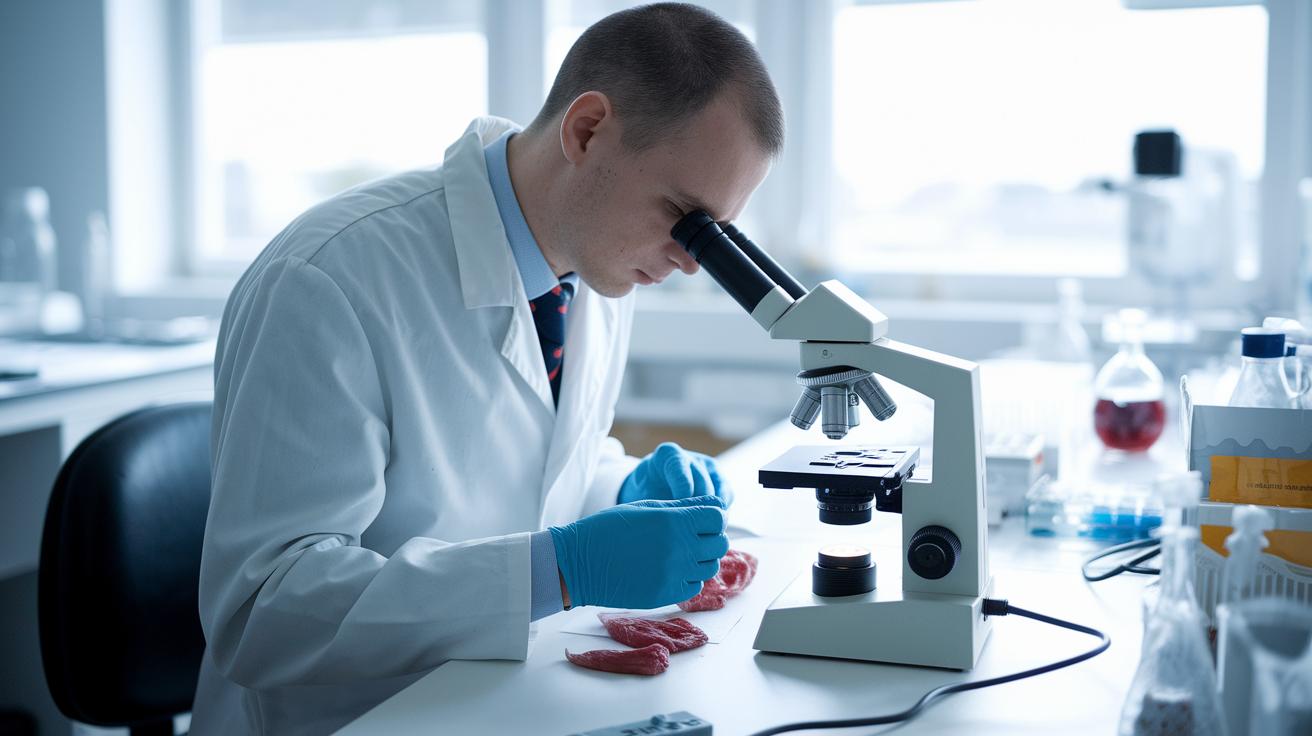
The journey to become a forensic science medical examiner is extensive but outlined in clear, manageable steps. First, you complete high school or earn a GED and then dive into a four-year college degree packed with courses in biology and chemistry. It’s like gathering the essential ingredients for your favorite recipe, each course adds a building block for your future career.
After your undergraduate studies, you head into a four-year medical school program. Here, you’ll get hands-on clinical experience while learning all there is to know about the human body. Think of it like mastering the inner workings of a clock, where every tick and tock has its own role.
Once you finish medical school, the next step is a three to four-year pathology residency. During this phase, you work side-by-side with experts in hospitals and labs, learning to spot the tiny signs of injury and disease. This real-world experience bridges the gap between textbook theory and everyday medical challenges.
Following residency, you move on to a one-year forensic pathology fellowship. In this stage, you'll focus on identifying injury patterns and signs of disease during autopsies. You’ll also need to pass all four parts of the USMLE, a rigorous testing process that shows you're ready for independent practice. After that, you secure state licensure through the Federation of State Medical Boards, which legally lets you practice.
To wrap it all up, obtaining board certification from the American Board of Pathology, and even the optional ABMDI Registry Certification, confirms your expertise. Plus, building a strong professional network during your fellowship and early career helps you connect with mentors and peers. In short, this step-by-step process ensures every forensic medical examiner is truly prepared for the challenges of postmortem investigations.
Autopsy Techniques and Laboratory Methods in Forensic Analysis
Forensic medicine examiners combine autopsy methods with lab tests to unravel the story behind unexplained deaths. They look for familiar injury patterns, like marks from blunt or sharp force, or even bullet wounds, to piece together what might have happened. Sometimes, even a small cut holds the key to understanding a fatal incident. Then, they examine tissue samples under a microscope, a process called histology, to spot tiny damages or signs of disease.
Modern lab techniques add another layer of insight. Toxicology screens check for drugs, alcohol, or poisons in the body, while DNA tests can verify identities and even connect family members in cases where it’s hard to tell who’s who. Advanced scene analysis methods help connect these lab findings with details observed at the scene of death.
| Technique | Purpose | Application |
|---|---|---|
| Pattern Recognition | Identifies injury types | Detecting blunt, sharp, and ballistic trauma |
| Histology Preparation | Examines tissue structure | Determining disease indicators or trauma effects |
| Toxicology Screening | Detects substances | Screening for drugs, alcohol, and poisons |
Specialized methods, like forensic neuro or cardiovascular pathology, as well as pediatric and gastrointestinal pathology, come into play for complex cases that need extra detail. Blood banking practices also help provide clues about the body’s metabolism at the time of death.
Forensic Science Medical Examiner Radiates Expert Impact
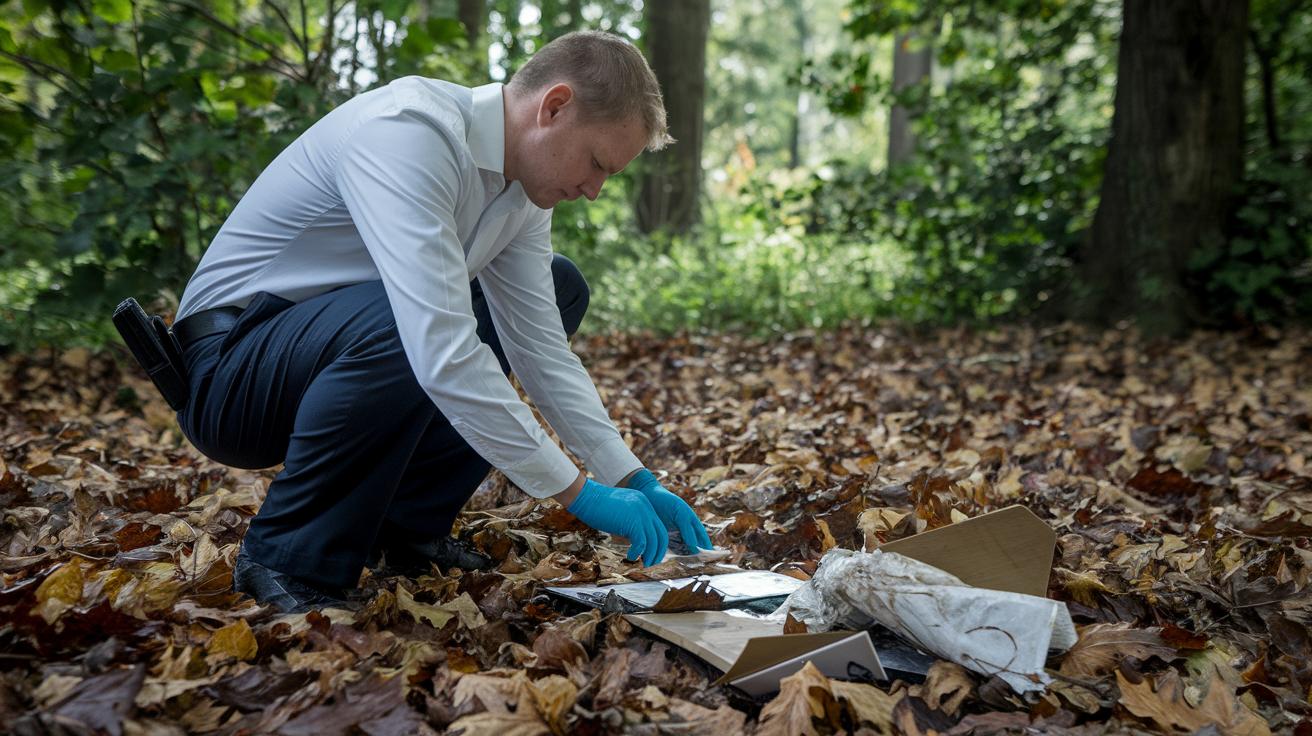
Forensic medical examiners team up with law enforcement, crime scene experts, and forensic scientists to crack details that might otherwise slip by unnoticed. They don’t just stick to the autopsy room, they dive into hands-on crime scene pathology training so they know exactly how to secure and piece together evidence. Imagine standing at a scene where every fingerprint and drop of blood whispers its own story. It’s a place where skills from different investigative fields blend seamlessly.
They play a vital role in keeping the chain of custody intact (that means making sure bodies and samples stay untampered with and legally sound for court). Often, they’re called upon to provide clear, evidence-based testimony in both criminal and civil cases. Their reports follow strict state medicolegal death investigation laws so that every tiny detail is ready for legal scrutiny.
One key lesson from forensic training is understanding the difference between examiners and coroners. Coroners, typically elected officials, may not have the deep medical training needed for detailed autopsies. By contrast, forensic medical examiners spend years in clinical education and specialized fellowships, which finely tunes their ability to spot even the smallest injury patterns or signs of disease.
- They work hand in hand with investigative teams.
- They safeguard a meticulous chain of custody.
- They deliver essential, clear legal testimony.
This teamwork not only strengthens the reliability of their findings but also bolsters the overall legal process. Have you ever noticed how a well-coordinated team can transform a jumble of evidence into a story that truly speaks for the deceased? Their expert touch is felt in every step of the medicolegal death investigation process.
Career Outlook, Salary Benchmarks, and Workplace Culture
The field of forensic science medical examiners is on the rise and full of promise. Recent data shows that roles for physicians in this area are expected to grow by about 4% between 2023 and 2033, which means nearly 34,500 new positions could be available. This growth comes from the need for professionals who blend strong medical expertise with a careful eye for investigation.
Have you ever thought about this? In just ten years, almost 35,000 new jobs might open up in postmortem investigations – a great chance to transform your passion into a rewarding career. And the pay is pretty attractive, too. As of May 2023, the average annual wage for these experts is around $248,640.
If you hold a bachelor’s or master’s degree, there are alternative routes into this exciting field. Roles as an autopsy technician or a pathologist’s assistant may not carry all the duties of a fully certified medical examiner, but they play an important role in the death investigation process.
| Key Point | Detail |
|---|---|
| Growth | 4% increase in physician roles from 2023 to 2033 |
| Opportunities | Approximately 34,500 new positions expected |
| Salary | Average annual wage of $248,640 (May 2023) |
| Alternate Roles | Autopsy technicians and pathologist’s assistants offer additional career paths |
Working in forensic science isn’t just about the numbers. The workplace often demands resilience and strong mental health strategies, as professionals regularly lean on peer support to handle the emotional challenges that come with the job. In short, if you’re ready for a field that is both challenging and highly rewarding, you might find this career path to be a perfect fit.
Case Studies and Real-World Applications in Forensic Pathology

Dr. Michelle Stram’s work in high-profile homicide autopsies is both striking and deeply insightful. In her investigations, she brings together advanced anatomical analysis and precise forensic techniques. There was one case where a seemingly harmless bruise turned out to reveal critical signs of blunt-force trauma. Imagine unearthing a small mark that later explains the fatal injury, it's a brilliant instance of keen pattern recognition.
In another memorable case, Dr. Stram used her expertise in neurological and cardiovascular pathology to examine unexplained deaths. By combining rigorous clinical training with specialized autopsy methods, she detected minute injuries that clarified sudden losses of life. For example, one investigation uncovered subtle nerve damage alongside unusual heart tissue, pointing to a hidden cardiovascular event. This thorough approach shows how even slight details can solve mysteries that routine examinations might overlook.
FMEs often rely on meticulous pattern analysis when studying firearm wounds. In a landmark investigation, detailed mapping of bullet trajectories and tissue damage provided key evidence in court. Picture an expert witness carefully explaining how bullet paths match the suspect’s account. Such clear, evidence-driven testimony helps demystify complex injuries and bolsters legal cases with solid medical facts.
Seasoned FMEs also emphasize the value of pairing traditional autopsy techniques with modern forensic technology. In interviews, professionals stress how each detail, from blunt-force injuries to subtle signs of neurological distress, builds a robust case file. These real-world examples remind us that every small insight plays a vital role in delivering justice through science.
Emerging Trends and Innovations in Medicolegal Death Investigations
Technology is completely changing the way forensic medical examiners tackle death investigations. For instance, innovations like 3D body scanning and virtual autopsies now give experts a non-invasive way to record every injury in intricate detail. Imagine examining a body with high-resolution images that capture even the smallest marks – it speeds up the process while reducing the need to handle specimens directly.
Another breakthrough is AI-powered pattern recognition. These smart tools scan injury marks, whether from blunt force, sharp force, or ballistic events, and catch minute details that might slip past even a trained eye. Really, AI can highlight tiny clues that make evidence interpretation faster and more accurate.
Then there’s next-generation DNA sequencing, which slashes lab turnaround times. When genetic evidence is processed quicker, crucial details in sensitive cases become available sooner for comparison. And with remote collaboration tools, examiners from across regions can share insights in real time, uniting their expertise for tougher, multi-jurisdictional cases.
Lastly, connecting death data with public health systems brings in a broader view that goes beyond individual cases. This integration helps communities detect trends that can lead to better prevention strategies, adding social insight to forensic work. In short, these emerging trends are merging cutting-edge technology with expert knowledge to uncover deeper truths in every investigation.
Final Words
In the action, our blog highlighted the essential roles of a forensic science medical examiner, from performing autopsies to coordinating with investigative teams. We touched on educational steps, modern lab methods, and the real-world applications that bring clinical research into everyday practice. Each point emphasizes teamwork, careful analysis, and evidence-based decision making. This overview reminds us that every step, from classroom to courtroom, is a win for safer communities and improved wellness. Keep pushing forward with informed choices and a passion for health.
FAQ
What do forensic medical examiners make in the US?
The forensic medical examiner salary averages around $248,640 per year, reflecting the advanced expertise and rigorous training required for the role.
What does a forensic science medical examiner do?
A forensic science medical examiner is a licensed MD who performs autopsies to determine cause and manner of death, reviewing toxicology reports and evidence to support legal investigations.
How do you become a forensic medical examiner?
Becoming a forensic medical examiner requires completing a four-year undergraduate degree, four years of medical school, a pathology residency, and a one-year forensic pathology fellowship, along with passing USMLE exams and obtaining board certification.
What are the basic requirements for a forensic science medical examiner?
Requirements include medical school, a pathology residency, a forensic pathology fellowship, state licensure, and board certification, which equip professionals to provide expert legal testimony in death investigations.
Is it hard to become a forensic medical examiner?
The career is challenging due to the extensive education, demanding training, rigorous testing, and emotional resilience needed to manage complex, sensitive cases.
How many years of schooling does it take to be a forensic medical examiner?
Typically, it takes about 12 to 14 years of education and training—college degree, medical school, residency, plus an additional fellowship year.
What job opportunities exist for forensic science medical examiners?
Opportunities include positions in government medical examiner offices, law enforcement agencies, and forensic labs, with expanding roles as investigative methods and technology continue to evolve.