Nutritional Strategies For Boosting Immune Health: Glow

Have you ever thought that simple food swaps might give your immune system a boost? Picture your body as a fortress where every meal adds a brick to a strong wall.

Research shows that foods rich in vitamin C (which helps keep your cells strong) and other key nutrients kick your B-cells and T-cells into action. These immune cells are like your body’s own little fighters. When you pack colorful, whole foods into your daily meals, you help reduce inflammation and keep your natural defenses in tip-top shape.

In short, these simple nutritional tweaks can help your body stay resilient and ready to face those pesky germs.

Comprehensive Nutritional Strategies to Support Immune Health

Research tells us that vitamin C is a real helper for your immune system. It boosts the growth and work of B-cells and T-cells – the white blood cells that fight off infections. Adding foods full of vitamins and other nutrients to your meals can help keep your body's defenses strong, protect its barriers, and even manage inflammation.

One easy way to support your immune system is by following a Mediterranean diet. This way of eating is rich in fruits, vegetables, whole grains, and lean proteins. Studies have found that this diet can lead to higher white blood cell counts and a better immune response. It’s also a smart idea to limit alcohol and tobacco so your body can focus on staying well. When you’re planning your meals, think about including a colorful mix of whole foods that pack essential vitamins and minerals into every bite. (If you’re curious about what whole foods really mean, you can take a look here: https://factcheckx.com?p=115.)

Rather than relying just on supplements, focusing on your overall dietary pattern can really make a difference. By choosing balanced meals that blend defense-boosting superfoods with ingredients proven by science, you naturally support your cells in fighting off germs and maintaining strong, healthy barriers. This thoughtful, whole-food approach is a key piece of keeping your body resilient and well over the long term.

Top Immune-Boosting Foods for Enhanced Resistance
img-1.jpg

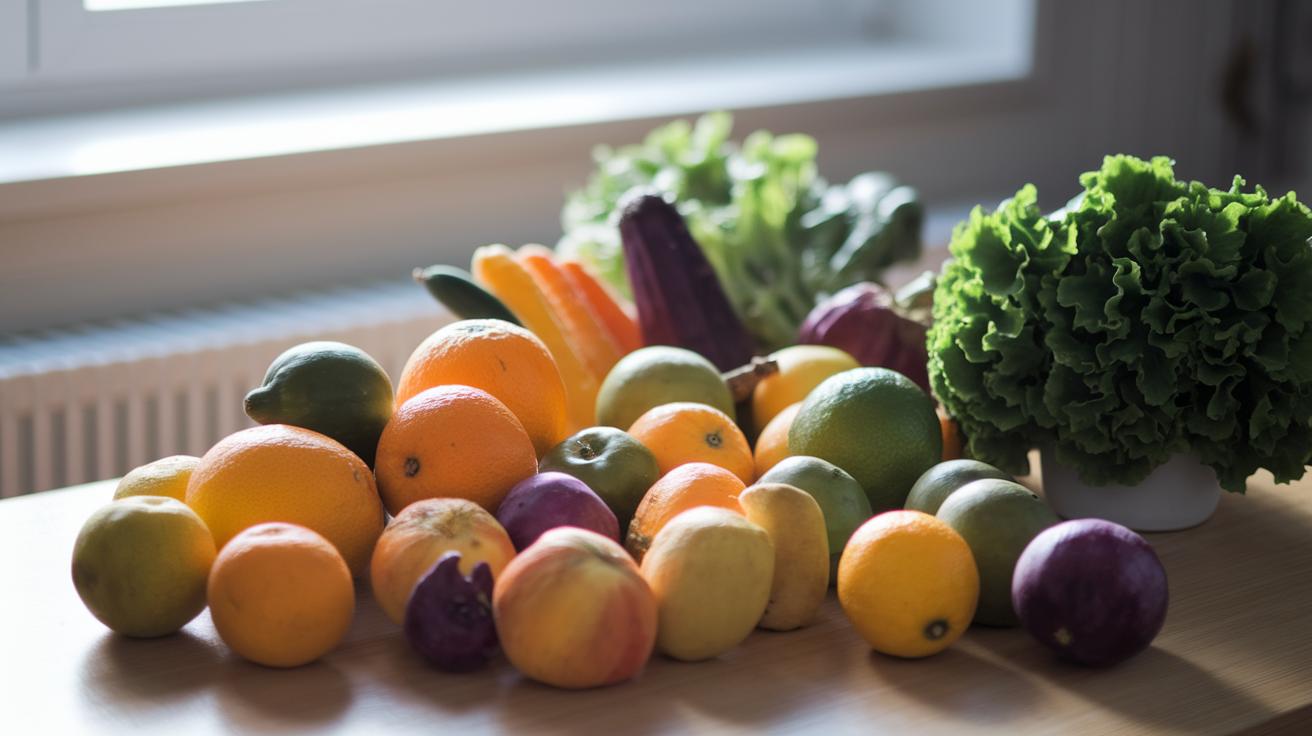
Eating foods packed with the good stuff can give your immune system a friendly boost. When you add nutrient-dense ingredients to your daily meals, you’re helping out your white blood cells and keeping your body’s natural barriers strong. Research backs up that many foods are loaded with vitamins, minerals, and antioxidants, all working together to ease inflammation and assist in cell repair. For example, vitamin C not only ramps up immune cell performance but also helps guard your cells against harmful stress. It’s like treating your body to premium fuel, making every bite a step toward a healthier, more resilient you.

Consider these immune-boosting foods:

  • Citrus fruits: Packed with vitamin C to support immune function.
  • Red bell peppers: Contain 128 mg of vitamin C per 100 g along with β-carotene, which shields your cells.
  • Broccoli: Offers vitamins A, C, and E plus fiber and antioxidants.
  • Garlic: Brings natural anti-inflammatory benefits.
  • Ginger: Known to cut down inflammation and soothe your throat.
  • Spinach: Loaded with antioxidants and β-carotene to help fight infections.
  • Yogurt with live cultures: Introduces friendly bacteria that benefit your gut and overall health.
  • Almonds: A strong source of vitamin E, essential for cell health.
  • Sunflower seeds: Deliver phosphorus, magnesium, vitamin B6, and vitamin E.
  • Turmeric: Contains curcumin, a powerful anti-inflammatory compound.
  • Green tea: Rich in EGCG, a potent antioxidant.
  • Papaya: Offers 100% of your daily vitamin C in a small serving.
  • Kiwi: Brings vitamin C, potassium, folate, and vitamin K to the table.
  • Poultry: Helps reduce inflammation and speeds up recovery.
  • Shellfish: A great source of zinc, which is crucial for immune signaling.

Each of these superfoods plays a unique role in boosting your body’s natural defenses. When you make them a regular part of your diet, they work together like a well-tuned team, enhancing your everyday resilience in a flavor-packed way. Enjoying these ingredients not only makes your plate more colorful but also turns every meal into a small celebration of health.

Key Micronutrients in Nutritional Strategies for Boosting Immune Health

Micronutrients are like little helpers that keep our immune system strong. They support our immune cells and help maintain the natural barriers that protect us every day.

Vitamin C

Vitamin C gives a boost to both B-cells and T-cells, which are the first responders of your immune system. Citrus fruits, red bell peppers, and leafy greens are delicious ways to enjoy more Vitamin C. For example, starting your day with a glass of fresh orange juice can give your immune cells a quick lift.

Vitamin E

Vitamin E acts as a friendly shield for your cells by neutralizing harmful free radicals that can damage cell membranes. Think of it as a natural defender found in nuts, sunflower seeds, and avocados. A small handful of almonds can be a tasty way to support your body’s defenses.

Zinc

Zinc helps your immune cells communicate and work together properly. It plays a vital role in keeping your body's responses balanced. You can easily get zinc by enjoying foods like shellfish, legumes, and seeds. For instance, adding chickpeas to your salad not only adds crunch but also a beneficial boost of zinc.

Beta-Carotene

Beta-carotene transforms into vitamin A, which fortifies your body’s protective barriers (like the skin and mucous membranes). Carrots and red bell peppers are rich in beta-carotene, helping to maintain these important defenses. Consider adding a few slices of bell pepper to your snack plate for a colorful hit of protection.

Gut Wellness Strategies for Immune Health
img-2.jpg

Your gut is like the command center for your immune system. Inside your digestive system, countless friendly bacteria work hard to keep your body's defenses strong, almost like a team setting up natural barriers and managing how your body reacts to germs. This diverse community of microbes not only fends off infections but also primes your system to face everyday challenges.

A simple way to support your gut is by enjoying foods with live cultures. Think of a creamy spoonful of yogurt or a tangy taste of kimchi, each bite introduces beneficial bacteria that help spark your immune response. And when you sip on a glass of kefir, you’re inviting natural antiviral and antimicrobial compounds into your body, turning every meal into a soothing act of self-care.

Don’t overlook the power of fiber, either. Fiber-rich foods act as a nourishing feast for those helpful microbes, keeping your gut diverse and active. This balance can lead to smoother communication between your cells and a more measured inflammatory response. By mixing in both probiotics (the good bacteria) and prebiotics (the food they love), you’re naturally boosting your internal defenses and setting the stage for lasting wellness.

Anti-Inflammatory Nutrition Plans for Immune Defense

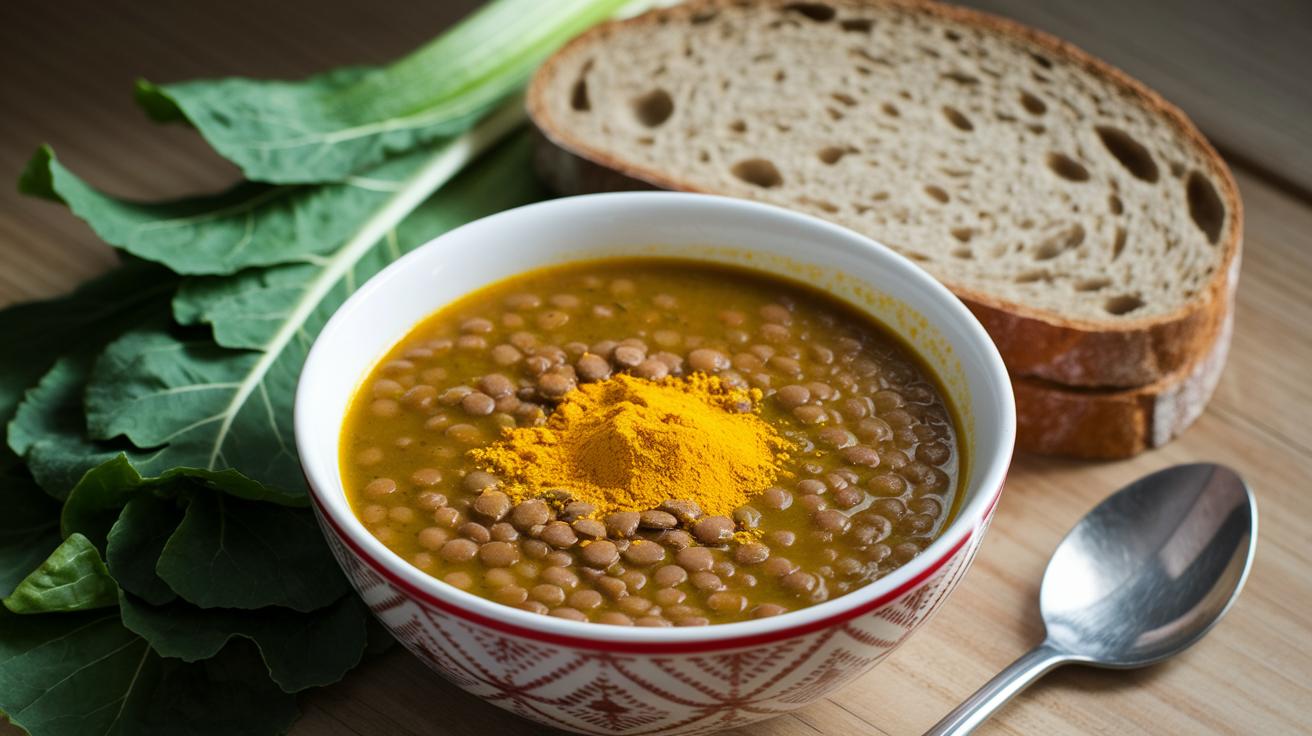
Persistent inflammation can wear down your immune system, so it’s smart to choose foods that help soothe your body. Turmeric, with its natural plant compound curcumin (which helps calm cellular stress), and omega-3 fatty acids found in fatty fish or flaxseed, work together to reduce the signals that trigger inflammation. Think of it like this: adding a dash of turmeric to a warm bowl of lentil soup not only brings a burst of golden color but also offers a gentle, calming boost for your body.

A Mediterranean-style diet fits perfectly into this plan. It’s all about enjoying a rainbow of fresh fruits, crisp vegetables, and whole grains, all paired with lean proteins. These wholesome ingredients work in harmony to lower inflammation and keep your energy balanced, without rehashing what's been said elsewhere.

When planning your meals, consider combining these ingredients so that every bite supports your immune defense. Imagine blending aromatic spices like turmeric with omega-3 rich foods to create dishes that delight your taste buds while also working hard to keep your body strong. It’s a delicious way to turn everyday meals into powerful allies for your natural wellness.

Practical Meal Planning Approaches for Immune Health

img-3.jpg

Start your day by blending a smoothie that shines with citrus, spinach, and a hint of turmeric. It packs a punch of vitamin C, antioxidants, and natural ingredients that ease inflammation, giving your immune system a friendly boost right from the morning light.

Building your meals around vibrant, nutrient-rich recipes turns everyday dishes into a powerful part of your health routine. Picture a plate with baked salmon, crisp broccoli, and fluffy quinoa. Salmon brings lean protein and omega-3 fats (good fats that support heart and brain health), while broccoli and quinoa add vitamins, fiber, and a balance of energy that your body loves. When you use seasonal superfoods and lean toward a Mediterranean touch, you’re mixing in fresh produce and wholesome fats known to support long life and help ward off illness. It’s like setting a welcoming table every day, with each bite supplying important minerals and vitamins along with steady energy.

For an afternoon snack or a light dinner, think about a Greek yogurt parfait with juicy berries or a stir-fry featuring kimchi and crisp vegetables. Or try overnight oats garnished with almonds and sunflower seeds for a hearty, on-the-go option that keeps its nutrients and offers a satisfying crunch. These creative, approachable meals build a routine that not only tastes great but also supports your natural defenses. Every bite becomes a little celebration of health, helping you feel nourished and ready for whatever comes next.

Final Words

In the action of making informed health decisions, we broke down mindful eating plans for supporting immune defense. We covered a range of topics, from balanced meals and immune-enhancing micronutrients to gut wellness and anti-inflammatory recipes.

Every section provided clear ways to bring science into everyday eating, empowering you with nutritional strategies for boosting immune health. Embracing these steps can pave the way for improved well-being and a stronger, balanced lifestyle.

FAQ

How can I boost my immune system naturally and quickly?

Boosting your immune system naturally means eating a balanced diet with fruits, vegetables, and lean proteins, while getting enough sleep, staying hydrated, and managing stress to support rapid immune function.

What top immune-boosting foods should I include in my diet?

Top immune-boosting foods include citrus fruits, red bell peppers, broccoli, garlic, ginger, spinach, almonds, and yogurt with live cultures. These choices provide antioxidants, vitamins, and minerals to strengthen your immune defenses.

What beverages can support my immune health?

Beverages like green tea, fresh citrus juices, and warm herbal teas are beneficial; they supply antioxidants and vitamin C, which can help enhance immune cell response and overall resistance to infections.

How does nutrition, including vitamins and minerals, improve immune function in adults?

Nutrition plays a key role in immune function by providing essential vitamins and minerals such as vitamin C, vitamin E, zinc, and beta-carotene, all of which support the production and activity of immune cells in adults.

Which nutrient is especially important for improving the immune system?

Vitamin C is particularly important for improving the immune system because it boosts B-cell and T-cell production, enhancing your body’s ability to fight off infections effectively.

Have you ever thought that simple food swaps might give your immune system a boost? Picture your body as a fortress where every meal adds a brick to a strong wall.

Research shows that foods rich in vitamin C (which helps keep your cells strong) and other key nutrients kick your B-cells and T-cells into action. These immune cells are like your body’s own little fighters. When you pack colorful, whole foods into your daily meals, you help reduce inflammation and keep your natural defenses in tip-top shape.

In short, these simple nutritional tweaks can help your body stay resilient and ready to face those pesky germs.

Comprehensive Nutritional Strategies to Support Immune Health

Research tells us that vitamin C is a real helper for your immune system. It boosts the growth and work of B-cells and T-cells – the white blood cells that fight off infections. Adding foods full of vitamins and other nutrients to your meals can help keep your body's defenses strong, protect its barriers, and even manage inflammation.

One easy way to support your immune system is by following a Mediterranean diet. This way of eating is rich in fruits, vegetables, whole grains, and lean proteins. Studies have found that this diet can lead to higher white blood cell counts and a better immune response. It’s also a smart idea to limit alcohol and tobacco so your body can focus on staying well. When you’re planning your meals, think about including a colorful mix of whole foods that pack essential vitamins and minerals into every bite. (If you’re curious about what whole foods really mean, you can take a look here: https://factcheckx.com?p=115.)

Rather than relying just on supplements, focusing on your overall dietary pattern can really make a difference. By choosing balanced meals that blend defense-boosting superfoods with ingredients proven by science, you naturally support your cells in fighting off germs and maintaining strong, healthy barriers. This thoughtful, whole-food approach is a key piece of keeping your body resilient and well over the long term.

Top Immune-Boosting Foods for Enhanced Resistance

img-1.jpg

Eating foods packed with the good stuff can give your immune system a friendly boost. When you add nutrient-dense ingredients to your daily meals, you’re helping out your white blood cells and keeping your body’s natural barriers strong. Research backs up that many foods are loaded with vitamins, minerals, and antioxidants, all working together to ease inflammation and assist in cell repair. For example, vitamin C not only ramps up immune cell performance but also helps guard your cells against harmful stress. It’s like treating your body to premium fuel, making every bite a step toward a healthier, more resilient you.

Consider these immune-boosting foods:

  • Citrus fruits: Packed with vitamin C to support immune function.
  • Red bell peppers: Contain 128 mg of vitamin C per 100 g along with β-carotene, which shields your cells.
  • Broccoli: Offers vitamins A, C, and E plus fiber and antioxidants.
  • Garlic: Brings natural anti-inflammatory benefits.
  • Ginger: Known to cut down inflammation and soothe your throat.
  • Spinach: Loaded with antioxidants and β-carotene to help fight infections.
  • Yogurt with live cultures: Introduces friendly bacteria that benefit your gut and overall health.
  • Almonds: A strong source of vitamin E, essential for cell health.
  • Sunflower seeds: Deliver phosphorus, magnesium, vitamin B6, and vitamin E.
  • Turmeric: Contains curcumin, a powerful anti-inflammatory compound.
  • Green tea: Rich in EGCG, a potent antioxidant.
  • Papaya: Offers 100% of your daily vitamin C in a small serving.
  • Kiwi: Brings vitamin C, potassium, folate, and vitamin K to the table.
  • Poultry: Helps reduce inflammation and speeds up recovery.
  • Shellfish: A great source of zinc, which is crucial for immune signaling.

Each of these superfoods plays a unique role in boosting your body’s natural defenses. When you make them a regular part of your diet, they work together like a well-tuned team, enhancing your everyday resilience in a flavor-packed way. Enjoying these ingredients not only makes your plate more colorful but also turns every meal into a small celebration of health.

Key Micronutrients in Nutritional Strategies for Boosting Immune Health

Micronutrients are like little helpers that keep our immune system strong. They support our immune cells and help maintain the natural barriers that protect us every day.

Vitamin C

Vitamin C gives a boost to both B-cells and T-cells, which are the first responders of your immune system. Citrus fruits, red bell peppers, and leafy greens are delicious ways to enjoy more Vitamin C. For example, starting your day with a glass of fresh orange juice can give your immune cells a quick lift.

Vitamin E

Vitamin E acts as a friendly shield for your cells by neutralizing harmful free radicals that can damage cell membranes. Think of it as a natural defender found in nuts, sunflower seeds, and avocados. A small handful of almonds can be a tasty way to support your body’s defenses.

Zinc

Zinc helps your immune cells communicate and work together properly. It plays a vital role in keeping your body's responses balanced. You can easily get zinc by enjoying foods like shellfish, legumes, and seeds. For instance, adding chickpeas to your salad not only adds crunch but also a beneficial boost of zinc.

Beta-Carotene

Beta-carotene transforms into vitamin A, which fortifies your body’s protective barriers (like the skin and mucous membranes). Carrots and red bell peppers are rich in beta-carotene, helping to maintain these important defenses. Consider adding a few slices of bell pepper to your snack plate for a colorful hit of protection.

Gut Wellness Strategies for Immune Health

img-2.jpg

Your gut is like the command center for your immune system. Inside your digestive system, countless friendly bacteria work hard to keep your body's defenses strong, almost like a team setting up natural barriers and managing how your body reacts to germs. This diverse community of microbes not only fends off infections but also primes your system to face everyday challenges.

A simple way to support your gut is by enjoying foods with live cultures. Think of a creamy spoonful of yogurt or a tangy taste of kimchi, each bite introduces beneficial bacteria that help spark your immune response. And when you sip on a glass of kefir, you’re inviting natural antiviral and antimicrobial compounds into your body, turning every meal into a soothing act of self-care.

Don’t overlook the power of fiber, either. Fiber-rich foods act as a nourishing feast for those helpful microbes, keeping your gut diverse and active. This balance can lead to smoother communication between your cells and a more measured inflammatory response. By mixing in both probiotics (the good bacteria) and prebiotics (the food they love), you’re naturally boosting your internal defenses and setting the stage for lasting wellness.

Anti-Inflammatory Nutrition Plans for Immune Defense

Persistent inflammation can wear down your immune system, so it’s smart to choose foods that help soothe your body. Turmeric, with its natural plant compound curcumin (which helps calm cellular stress), and omega-3 fatty acids found in fatty fish or flaxseed, work together to reduce the signals that trigger inflammation. Think of it like this: adding a dash of turmeric to a warm bowl of lentil soup not only brings a burst of golden color but also offers a gentle, calming boost for your body.

A Mediterranean-style diet fits perfectly into this plan. It’s all about enjoying a rainbow of fresh fruits, crisp vegetables, and whole grains, all paired with lean proteins. These wholesome ingredients work in harmony to lower inflammation and keep your energy balanced, without rehashing what's been said elsewhere.

When planning your meals, consider combining these ingredients so that every bite supports your immune defense. Imagine blending aromatic spices like turmeric with omega-3 rich foods to create dishes that delight your taste buds while also working hard to keep your body strong. It’s a delicious way to turn everyday meals into powerful allies for your natural wellness.

Practical Meal Planning Approaches for Immune Health

img-3.jpg

Start your day by blending a smoothie that shines with citrus, spinach, and a hint of turmeric. It packs a punch of vitamin C, antioxidants, and natural ingredients that ease inflammation, giving your immune system a friendly boost right from the morning light.

Building your meals around vibrant, nutrient-rich recipes turns everyday dishes into a powerful part of your health routine. Picture a plate with baked salmon, crisp broccoli, and fluffy quinoa. Salmon brings lean protein and omega-3 fats (good fats that support heart and brain health), while broccoli and quinoa add vitamins, fiber, and a balance of energy that your body loves. When you use seasonal superfoods and lean toward a Mediterranean touch, you’re mixing in fresh produce and wholesome fats known to support long life and help ward off illness. It’s like setting a welcoming table every day, with each bite supplying important minerals and vitamins along with steady energy.

For an afternoon snack or a light dinner, think about a Greek yogurt parfait with juicy berries or a stir-fry featuring kimchi and crisp vegetables. Or try overnight oats garnished with almonds and sunflower seeds for a hearty, on-the-go option that keeps its nutrients and offers a satisfying crunch. These creative, approachable meals build a routine that not only tastes great but also supports your natural defenses. Every bite becomes a little celebration of health, helping you feel nourished and ready for whatever comes next.

Final Words

In the action of making informed health decisions, we broke down mindful eating plans for supporting immune defense. We covered a range of topics, from balanced meals and immune-enhancing micronutrients to gut wellness and anti-inflammatory recipes.

Every section provided clear ways to bring science into everyday eating, empowering you with nutritional strategies for boosting immune health. Embracing these steps can pave the way for improved well-being and a stronger, balanced lifestyle.

FAQ

How can I boost my immune system naturally and quickly?

Boosting your immune system naturally means eating a balanced diet with fruits, vegetables, and lean proteins, while getting enough sleep, staying hydrated, and managing stress to support rapid immune function.

What top immune-boosting foods should I include in my diet?

Top immune-boosting foods include citrus fruits, red bell peppers, broccoli, garlic, ginger, spinach, almonds, and yogurt with live cultures. These choices provide antioxidants, vitamins, and minerals to strengthen your immune defenses.

What beverages can support my immune health?

Beverages like green tea, fresh citrus juices, and warm herbal teas are beneficial; they supply antioxidants and vitamin C, which can help enhance immune cell response and overall resistance to infections.

How does nutrition, including vitamins and minerals, improve immune function in adults?

Nutrition plays a key role in immune function by providing essential vitamins and minerals such as vitamin C, vitamin E, zinc, and beta-carotene, all of which support the production and activity of immune cells in adults.

Which nutrient is especially important for improving the immune system?

Vitamin C is particularly important for improving the immune system because it boosts B-cell and T-cell production, enhancing your body’s ability to fight off infections effectively.

More from author

LEAVE A REPLY

Please enter your comment!
Please enter your name here

Related posts

Advertismentspot_img

Latest posts

How To Create A Daily Wellness Routine: Thriving

Curious about how to create a daily wellness routine that transforms your mornings and days? Read on as secrets await…

2 Daily Wellness Drink Tips For Radiance

Experience a daily wellness drink with natural herbs, green ingredients, and clinical backing that might change your routine forever, stay tuned.

Daily Wellness: Elevate Your Everyday Vitality

Daily wellness transforms everyday routines into mindful adjustments, merging nutrition, movement, and restorative sleep. What unforeseen practice awaits you next?

Want to stay up to date with the latest news?

We would love to hear from you! Please fill in your details and we will stay in touch. It's that simple!