Nutritional Strategies For Digestive Health Boost Vitality

Ever feel drained even when you're eating right? It might be that your gut, the little factory inside you, isn't processing nutrients as well as it could. A simple tweak in your diet can help kick-start your digestive system and give you a burst of energy.

Imagine the warm, steady hum of a well-tuned engine helping you power through your day. By making small, mindful changes, you might notice your digestion becoming more balanced and your energy levels rising. It’s like giving your body a little tune-up that leaves you feeling refreshed and ready for what comes next.

Nutritional Strategies for Digestive Health Boost Vitality

Digestive health isn’t just about having regular bowel movements. It’s about breaking down food efficiently, soaking up the good nutrients, and letting your body get rid of unwanted toxins. When your gut is happy, your immune system, energy, and even your mood benefit. Think of your gut like a busy factory: if everything runs smoothly, the whole body works better. But when things go off track, you might feel tired or out of sorts.

Functional nutrition is all about choosing whole, nutrient-packed foods over heavily processed options. Fresh veggies, fruits, lean proteins, and whole grains provide plenty of fiber, vitamins, and antioxidants that help keep your gut’s community of bacteria balanced. For example, adding a handful of spinach or a serving of berries to your meals could make your digestion smoother and give you a little extra pep in your step. It’s a simple, everyday tip backed by research: natural foods really do support gut wellness.

Small, steady changes in your diet can make a big difference in the long run. Rather than expecting an overnight transformation, try gradually boosting your fiber intake. This gentle approach helps avoid discomfort while giving your body time to adapt naturally. Each little change you make is a step toward a more vibrant, healthy you.

Fiber Focus: Dietary Fiber Strategies for Colon Vitality
img-1.jpg

Fiber is like your gut’s best friend. It helps everything move smoothly and gives a boost to the good bacteria that live inside you. These friendly microbes play a key role in keeping your digestion on track, strengthening your immune system, and even lifting your mood.

Some great fiber-packed choices include:

  • Oats
  • Apples
  • Legumes
  • Flaxseeds
  • Broccoli
  • Almonds

There are two main types of fiber that do different jobs. Soluble fiber, which you find in foods like oats, bananas, and legumes, mixes with water to form a gel. This gel helps slow down digestion and keeps your blood sugar steady. On the flip side, insoluble fiber, available in foods such as whole grains and vegetables, adds bulk to your stool, making it easier for your body to clear out waste.

When you load up on fiber, you’re not only taking care of your digestion, you're feeding your gut bacteria, too. A balanced microbiome makes digestion smoother, supports a stronger immune system, and helps you feel more energetic every day.

Probiotic and Prebiotic Nutrition Strategies for Gut Balance

Probiotics are live cultures that help keep your gut in balance. They naturally show up in fermented foods and supplements, working hard to check harmful bacteria while giving your immune system a boost. When you make room for these friendly germs in your daily diet, you'll notice improved digestion and overall well-being. They restore the good bacteria in your system, which play a key role in breaking down food and flushing out toxins.

Some tasty, probiotic-packed choices include:

  • Yogurt
  • Sauerkraut
  • Kimchi
  • Kombucha
  • Miso

Prebiotics, on the other hand, are fibers your body can’t digest. Think of them as nutritious snacks for your probiotics, they give the good bacteria the fuel it needs to multiply and work efficiently. Everyday foods like oats, bananas, garlic, and onions naturally offer these helpful fibers. By including prebiotic foods in your meals, you're setting the stage for a healthy gut environment that supports better nutrient absorption and overall energy levels.

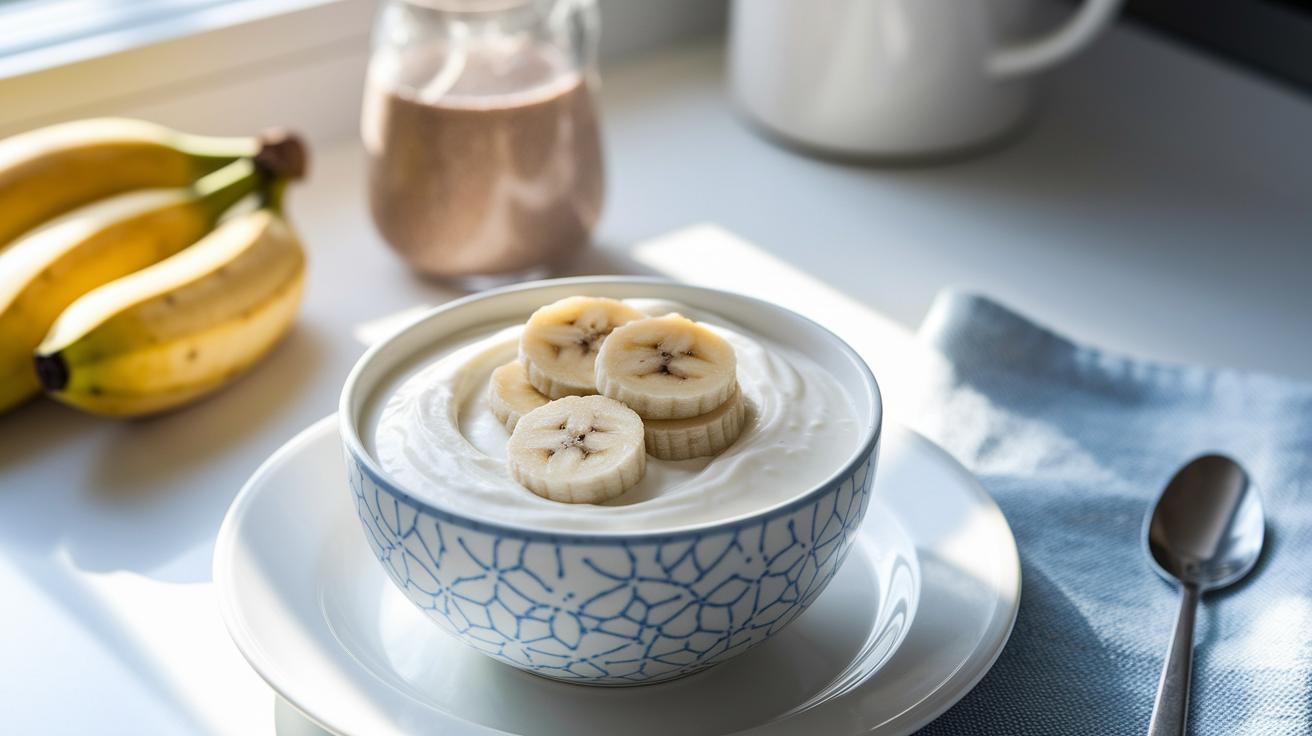
When you enjoy probiotics alongside prebiotics, a dynamic duo known as synbiotics is created. For example, a bowl of yogurt topped with banana slices not only introduces live cultures to your gut, but it also nourishes them. This thoughtful pairing can truly enhance the benefits for your digestive system, making it easier for your body to stay balanced and vibrant throughout the day.

Hydration and Nutrient Uptake: Essential Fluid Strategies

img-2.jpg

Staying hydrated is more than just quenching your thirst, it’s a key way to keep your digestion happy. When you drink enough, your intestines stay lined with a smooth, protective mucus that helps food and waste move along easily.

Water does another vital job: it helps your body absorb all those essential nutrients that boost your energy and overall well-being. Plus, when you pair plenty of fluids with fiber-rich foods, you’re setting the stage for smooth digestion and efficient nutrient delivery throughout your body.

Gender Daily Fluid Intake
Men 15.5 cups (3.7 L)
Women 11.5 cups (2.7 L)

For best results, make water your main drink. And if you’re looking for something a bit different, herbal tea is a relaxing and tasty alternative. These drinks not only keep you hydrated, but they also give your digestive system the gentle support it needs to absorb nutrients naturally and keep your metabolism in balance.

Nutritional Approaches to Common Digestive Disorders

When you're dealing with digestive issues like IBS, GERD, or IBD, a few simple changes to your diet could help ease discomfort and support a healthier gut. Choosing the right foods may just be the boost your digestive system needs.

IBS and Low FODMAP Diet

For those with IBS (irritable bowel syndrome, which often causes bloating and pain), a low FODMAP diet can be a game changer. This approach limits certain carbohydrates that tend to ferment and cause trouble in the gut. Instead, try easing into a routine with foods such as:

  • Carrots
  • Zucchini
  • Spinach
  • Rice
  • Blueberries

GERD Nutrition Strategies

If you're managing GERD (gastroesophageal reflux disease, where stomach acid irritates your esophagus), keeping an eye on your food choices is key. Certain foods can trigger uncomfortable symptoms, so it helps to avoid:

  • Chocolate
  • Caffeine
  • Alcohol
  • Spicy foods
  • Acidic foods
  • High-fat meals

On top of that, consider eating smaller, more frequent meals and wrapping up your eating at least three hours before you lie down. It makes a noticeable difference in reducing reflux.

Anti-Inflammatory Eating for IBD

For those coping with IBD (inflammatory bowel disease, which involves gut inflammation), an anti-inflammatory diet might ease symptoms and even extend remission periods. Focusing on nutrient-packed, inflammation-fighting foods can support gut healing. Try adding:

  • Fatty fish
  • Leafy greens
  • Turmeric
  • Ginger

Tweaking your diet with these ideas could really help manage chronic digestive issues. And remember, everyone’s different. If you’re still feeling off or if symptoms worsen, it’s a good idea to check in with a healthcare professional for a plan that fits your needs.

Mindful Eating and Lifestyle Modifications in Digestive Nutrition
img-3.jpg

There's a constant conversation going on between your gut and your brain. When you tune into what your body is telling you, it can relax the system and work more smoothly. In other words, when you eat with mindfulness, you not only enjoy every bite a little more but also help your gut settle into its natural rest and digest rhythm. Noticing when you're hungry or full can even lift your mood.

  1. Choose a quiet spot at the table where distractions fade away.
  2. Chew slowly and enjoy every mouthful.
  3. Take a moment between bites to check in with how your body feels.
  4. Notice the flavors and textures, and think about where your food comes from.

Apart from mindful eating, easing your stress is key for good digestion. Simple techniques like meditation or deep breathing can lower stress hormones that might upset the balance of your gut bacteria. With regular practice, these habits can lead to calmer meals and a smoother digestive process. In short, taking a little time to relax can help your body break down food better, absorb its nutrients more efficiently, and ultimately make your digestion more comfortable.

Sample Balanced Meal Plan Featuring Nutritional Strategies Whole foods recipes

Meal Foods Benefits
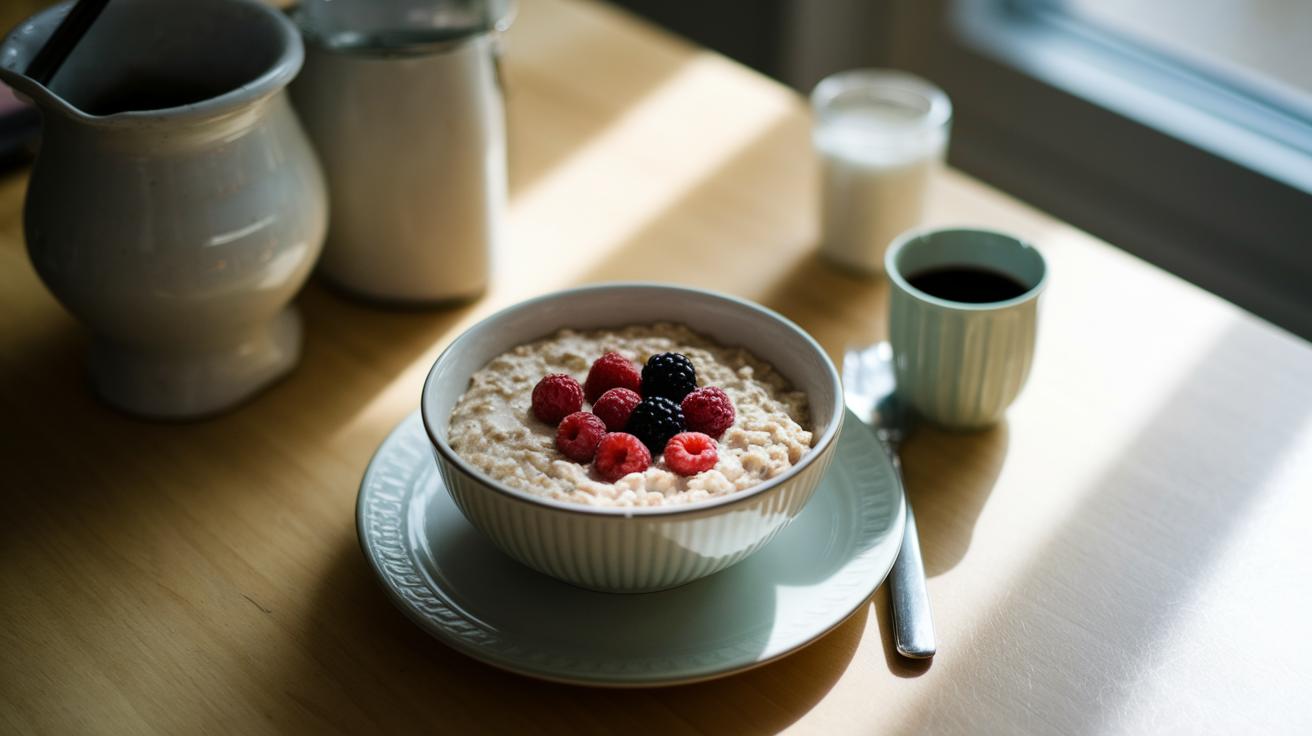
Breakfast Creamy oatmeal topped with fresh berries and a dollop of yogurt Delivers fiber and friendly probiotics to gently kick off your day
Lunch Crisp mixed greens with lean chicken, ripe avocado, and protein-packed quinoa Brims with nutrient-dense ingredients, nourishing fats, and balanced protein
Snack Crunchy apple slices paired with smooth almond butter Provides a steady boost of fiber and wholesome fats
Dinner Grilled salmon, tender steamed broccoli, and hearty brown rice Supplies essential omega-3s, soothing anti-inflammatory benefits, and gentle fiber

This thoughtful meal plan relies on whole, unprocessed foods that nourish your digestive system without weighing it down. Rich fibers help keep your tummy regular, while nature’s own hydration from fruits and vegetables refreshes you. Probiotics in yogurt support a balanced gut flora, and ingredients like salmon and mixed greens work to calm any digestive flare-ups. By mixing up different food groups throughout the day, every snack and meal plays its part in keeping your gut happy and balanced.

Have you ever tried a tropical twist? Blend Greek yogurt, a ripe banana, oats, and a splash of coconut water for a creamy treat that’s kind to your digestive system.

Or maybe you’d enjoy a green vitality blend. Simply combine fresh spinach, avocado, almond milk, and chia seeds for an extra boost of fiber and healthy fats.

For a refreshing change, try a berry bliss mix, just blend mixed berries, low-fat yogurt, flaxseeds, and a little honey for a delightful and balanced lift for your gut.

Final Words

In the action, we explored how a nutrient-rich diet supports smooth digestion, from managing chronic digestive concerns to fostering a balanced gut through functional nutrition and fiber-rich foods. We also highlighted the role of probiotics, hydration, and mindful eating techniques alongside practical meal plans. Embracing these nutritional strategies for digestive health can lead to lasting benefits and an overall sense of well-being. Small, steady changes can help make your digestive routine more effective and enjoyable.

FAQ

Q: What is a healthy gut diet plan PDF?

A: A healthy gut diet plan PDF offers a concise guide with evidence-based strategies, such as using whole foods, proper fiber sources, and hydration tips, to promote a balanced digestive system.

Q: How does one improve gut health naturally and with nutrition?

A: Improving gut health naturally involves eating nutrient-dense foods like vegetables, fruits, whole grains, and fermented items while drinking plenty of fluids and using gentle lifestyle changes that support digestion.

Q: What nutrition tips support overall gut health and digestion?

A: Nutrition tips for gut health include choosing a balance of fiber-rich foods, lean proteins, and whole grains while minimizing processed items. This balance helps feed beneficial bacteria and aids effective digestion.

Q: What are considered the worst foods for gut health?

A: The worst foods for gut health typically consist of highly processed items, sugary snacks, fried foods, and excessive fatty meals, which can disturb your digestive balance and trigger discomfort.

Q: How can you keep your stomach healthy and clean?

A: Keeping your stomach healthy involves enjoying balanced meals with plenty of fiber, staying well-hydrated with water or herbal teas, and consuming moderate portions that allow smooth digestion throughout the day.

Q: What should you drink after a meal to help digestion?

A: Drinking warm water or herbal teas like ginger or peppermint after a meal can help soothe your stomach, promoting smooth digestion and supporting natural nutrient uptake.

Q: What are the 3 P’s and 5 R’s for gut health?

A: The 3 P’s and 5 R’s are frameworks used to guide gut health strategies. The 3 P’s often focus on promoting, protecting, and preventing issues, while the 5 R’s address steps like remove, replace, repair, reinoculate, and rebalance for a healthier gut.

Ever feel drained even when you're eating right? It might be that your gut, the little factory inside you, isn't processing nutrients as well as it could. A simple tweak in your diet can help kick-start your digestive system and give you a burst of energy.

Imagine the warm, steady hum of a well-tuned engine helping you power through your day. By making small, mindful changes, you might notice your digestion becoming more balanced and your energy levels rising. It’s like giving your body a little tune-up that leaves you feeling refreshed and ready for what comes next.

Nutritional Strategies for Digestive Health Boost Vitality

Digestive health isn’t just about having regular bowel movements. It’s about breaking down food efficiently, soaking up the good nutrients, and letting your body get rid of unwanted toxins. When your gut is happy, your immune system, energy, and even your mood benefit. Think of your gut like a busy factory: if everything runs smoothly, the whole body works better. But when things go off track, you might feel tired or out of sorts.

Functional nutrition is all about choosing whole, nutrient-packed foods over heavily processed options. Fresh veggies, fruits, lean proteins, and whole grains provide plenty of fiber, vitamins, and antioxidants that help keep your gut’s community of bacteria balanced. For example, adding a handful of spinach or a serving of berries to your meals could make your digestion smoother and give you a little extra pep in your step. It’s a simple, everyday tip backed by research: natural foods really do support gut wellness.

Small, steady changes in your diet can make a big difference in the long run. Rather than expecting an overnight transformation, try gradually boosting your fiber intake. This gentle approach helps avoid discomfort while giving your body time to adapt naturally. Each little change you make is a step toward a more vibrant, healthy you.

Fiber Focus: Dietary Fiber Strategies for Colon Vitality

img-1.jpg

Fiber is like your gut’s best friend. It helps everything move smoothly and gives a boost to the good bacteria that live inside you. These friendly microbes play a key role in keeping your digestion on track, strengthening your immune system, and even lifting your mood.

Some great fiber-packed choices include:

  • Oats
  • Apples
  • Legumes
  • Flaxseeds
  • Broccoli
  • Almonds

There are two main types of fiber that do different jobs. Soluble fiber, which you find in foods like oats, bananas, and legumes, mixes with water to form a gel. This gel helps slow down digestion and keeps your blood sugar steady. On the flip side, insoluble fiber, available in foods such as whole grains and vegetables, adds bulk to your stool, making it easier for your body to clear out waste.

When you load up on fiber, you’re not only taking care of your digestion, you're feeding your gut bacteria, too. A balanced microbiome makes digestion smoother, supports a stronger immune system, and helps you feel more energetic every day.

Probiotic and Prebiotic Nutrition Strategies for Gut Balance

Probiotics are live cultures that help keep your gut in balance. They naturally show up in fermented foods and supplements, working hard to check harmful bacteria while giving your immune system a boost. When you make room for these friendly germs in your daily diet, you'll notice improved digestion and overall well-being. They restore the good bacteria in your system, which play a key role in breaking down food and flushing out toxins.

Some tasty, probiotic-packed choices include:

  • Yogurt
  • Sauerkraut
  • Kimchi
  • Kombucha
  • Miso

Prebiotics, on the other hand, are fibers your body can’t digest. Think of them as nutritious snacks for your probiotics, they give the good bacteria the fuel it needs to multiply and work efficiently. Everyday foods like oats, bananas, garlic, and onions naturally offer these helpful fibers. By including prebiotic foods in your meals, you're setting the stage for a healthy gut environment that supports better nutrient absorption and overall energy levels.

When you enjoy probiotics alongside prebiotics, a dynamic duo known as synbiotics is created. For example, a bowl of yogurt topped with banana slices not only introduces live cultures to your gut, but it also nourishes them. This thoughtful pairing can truly enhance the benefits for your digestive system, making it easier for your body to stay balanced and vibrant throughout the day.

Hydration and Nutrient Uptake: Essential Fluid Strategies

img-2.jpg

Staying hydrated is more than just quenching your thirst, it’s a key way to keep your digestion happy. When you drink enough, your intestines stay lined with a smooth, protective mucus that helps food and waste move along easily.

Water does another vital job: it helps your body absorb all those essential nutrients that boost your energy and overall well-being. Plus, when you pair plenty of fluids with fiber-rich foods, you’re setting the stage for smooth digestion and efficient nutrient delivery throughout your body.

Gender Daily Fluid Intake
Men 15.5 cups (3.7 L)
Women 11.5 cups (2.7 L)

For best results, make water your main drink. And if you’re looking for something a bit different, herbal tea is a relaxing and tasty alternative. These drinks not only keep you hydrated, but they also give your digestive system the gentle support it needs to absorb nutrients naturally and keep your metabolism in balance.

Nutritional Approaches to Common Digestive Disorders

When you're dealing with digestive issues like IBS, GERD, or IBD, a few simple changes to your diet could help ease discomfort and support a healthier gut. Choosing the right foods may just be the boost your digestive system needs.

IBS and Low FODMAP Diet

For those with IBS (irritable bowel syndrome, which often causes bloating and pain), a low FODMAP diet can be a game changer. This approach limits certain carbohydrates that tend to ferment and cause trouble in the gut. Instead, try easing into a routine with foods such as:

  • Carrots
  • Zucchini
  • Spinach
  • Rice
  • Blueberries

GERD Nutrition Strategies

If you're managing GERD (gastroesophageal reflux disease, where stomach acid irritates your esophagus), keeping an eye on your food choices is key. Certain foods can trigger uncomfortable symptoms, so it helps to avoid:

  • Chocolate
  • Caffeine
  • Alcohol
  • Spicy foods
  • Acidic foods
  • High-fat meals

On top of that, consider eating smaller, more frequent meals and wrapping up your eating at least three hours before you lie down. It makes a noticeable difference in reducing reflux.

Anti-Inflammatory Eating for IBD

For those coping with IBD (inflammatory bowel disease, which involves gut inflammation), an anti-inflammatory diet might ease symptoms and even extend remission periods. Focusing on nutrient-packed, inflammation-fighting foods can support gut healing. Try adding:

  • Fatty fish
  • Leafy greens
  • Turmeric
  • Ginger

Tweaking your diet with these ideas could really help manage chronic digestive issues. And remember, everyone’s different. If you’re still feeling off or if symptoms worsen, it’s a good idea to check in with a healthcare professional for a plan that fits your needs.

Mindful Eating and Lifestyle Modifications in Digestive Nutrition

img-3.jpg

There's a constant conversation going on between your gut and your brain. When you tune into what your body is telling you, it can relax the system and work more smoothly. In other words, when you eat with mindfulness, you not only enjoy every bite a little more but also help your gut settle into its natural rest and digest rhythm. Noticing when you're hungry or full can even lift your mood.

  1. Choose a quiet spot at the table where distractions fade away.
  2. Chew slowly and enjoy every mouthful.
  3. Take a moment between bites to check in with how your body feels.
  4. Notice the flavors and textures, and think about where your food comes from.

Apart from mindful eating, easing your stress is key for good digestion. Simple techniques like meditation or deep breathing can lower stress hormones that might upset the balance of your gut bacteria. With regular practice, these habits can lead to calmer meals and a smoother digestive process. In short, taking a little time to relax can help your body break down food better, absorb its nutrients more efficiently, and ultimately make your digestion more comfortable.

Sample Balanced Meal Plan Featuring Nutritional Strategies Whole foods recipes

Meal Foods Benefits
Breakfast Creamy oatmeal topped with fresh berries and a dollop of yogurt Delivers fiber and friendly probiotics to gently kick off your day
Lunch Crisp mixed greens with lean chicken, ripe avocado, and protein-packed quinoa Brims with nutrient-dense ingredients, nourishing fats, and balanced protein
Snack Crunchy apple slices paired with smooth almond butter Provides a steady boost of fiber and wholesome fats
Dinner Grilled salmon, tender steamed broccoli, and hearty brown rice Supplies essential omega-3s, soothing anti-inflammatory benefits, and gentle fiber

This thoughtful meal plan relies on whole, unprocessed foods that nourish your digestive system without weighing it down. Rich fibers help keep your tummy regular, while nature’s own hydration from fruits and vegetables refreshes you. Probiotics in yogurt support a balanced gut flora, and ingredients like salmon and mixed greens work to calm any digestive flare-ups. By mixing up different food groups throughout the day, every snack and meal plays its part in keeping your gut happy and balanced.

Have you ever tried a tropical twist? Blend Greek yogurt, a ripe banana, oats, and a splash of coconut water for a creamy treat that’s kind to your digestive system.

Or maybe you’d enjoy a green vitality blend. Simply combine fresh spinach, avocado, almond milk, and chia seeds for an extra boost of fiber and healthy fats.

For a refreshing change, try a berry bliss mix, just blend mixed berries, low-fat yogurt, flaxseeds, and a little honey for a delightful and balanced lift for your gut.

Final Words

In the action, we explored how a nutrient-rich diet supports smooth digestion, from managing chronic digestive concerns to fostering a balanced gut through functional nutrition and fiber-rich foods. We also highlighted the role of probiotics, hydration, and mindful eating techniques alongside practical meal plans. Embracing these nutritional strategies for digestive health can lead to lasting benefits and an overall sense of well-being. Small, steady changes can help make your digestive routine more effective and enjoyable.

FAQ

Q: What is a healthy gut diet plan PDF?

A: A healthy gut diet plan PDF offers a concise guide with evidence-based strategies, such as using whole foods, proper fiber sources, and hydration tips, to promote a balanced digestive system.

Q: How does one improve gut health naturally and with nutrition?

A: Improving gut health naturally involves eating nutrient-dense foods like vegetables, fruits, whole grains, and fermented items while drinking plenty of fluids and using gentle lifestyle changes that support digestion.

Q: What nutrition tips support overall gut health and digestion?

A: Nutrition tips for gut health include choosing a balance of fiber-rich foods, lean proteins, and whole grains while minimizing processed items. This balance helps feed beneficial bacteria and aids effective digestion.

Q: What are considered the worst foods for gut health?

A: The worst foods for gut health typically consist of highly processed items, sugary snacks, fried foods, and excessive fatty meals, which can disturb your digestive balance and trigger discomfort.

Q: How can you keep your stomach healthy and clean?

A: Keeping your stomach healthy involves enjoying balanced meals with plenty of fiber, staying well-hydrated with water or herbal teas, and consuming moderate portions that allow smooth digestion throughout the day.

Q: What should you drink after a meal to help digestion?

A: Drinking warm water or herbal teas like ginger or peppermint after a meal can help soothe your stomach, promoting smooth digestion and supporting natural nutrient uptake.

Q: What are the 3 P’s and 5 R’s for gut health?

A: The 3 P’s and 5 R’s are frameworks used to guide gut health strategies. The 3 P’s often focus on promoting, protecting, and preventing issues, while the 5 R’s address steps like remove, replace, repair, reinoculate, and rebalance for a healthier gut.

More from author

LEAVE A REPLY

Please enter your comment!
Please enter your name here

Related posts

Advertismentspot_img

Latest posts

How To Create A Daily Wellness Routine: Thriving

Curious about how to create a daily wellness routine that transforms your mornings and days? Read on as secrets await…

2 Daily Wellness Drink Tips For Radiance

Experience a daily wellness drink with natural herbs, green ingredients, and clinical backing that might change your routine forever, stay tuned.

Daily Wellness: Elevate Your Everyday Vitality

Daily wellness transforms everyday routines into mindful adjustments, merging nutrition, movement, and restorative sleep. What unforeseen practice awaits you next?

Want to stay up to date with the latest news?

We would love to hear from you! Please fill in your details and we will stay in touch. It's that simple!