Have you ever thought about whether combining traditional treatments with extra methods might really boost your health? Integrative medicine mixes everyday care with unique therapies to help improve not just your body, but your mind and spirit too.
For instance, there’s this 60-year-old gentleman who managed to lower his high blood pressure (a condition where your heart works too hard) and reduce stress by using a blend of medications, changes in his diet, and practicing mindfulness.
This approach shows that when we combine different treatment methods, we might find new energy and lasting well-being.
Integrative Medicine Example: Real-World Case Studies
Integrative medicine mixes traditional treatments like medications and surgery with extra therapies such as acupuncture, massage, and reiki to care for the whole person, mind, body, and spirit. This approach doesn’t just mask symptoms; it digs deeper to tackle the root causes, helping people feel better overall. Studies show that almost 40% of adults aged 50 to 80 use these methods, and 91% share that they’ve seen clear benefits. For example, a 60-year-old man with high blood pressure and stress-related issues improved his health by tweaking his medications, changing his diet, and picking up mindfulness meditation.
Here are some key points:
- Core idea: Whole-person care by blending traditional and extra therapies.
- Case example: A 60-year-old with high blood pressure who embraced a stress management plan.
- Usage stats: Around 40% of adults ages 50–80 have tried this approach; 91% reported positive outcomes.
- Practical tip: Using acupuncture alongside anti-nausea medication to ease chemotherapy side effects.
These examples show that a patient-focused approach can bring lasting benefits. Treatments working together help ease symptoms while boosting the body’s natural functions. Combining everyday treatments with natural remedies gives a wider range of options instead of relying only on conventional care. Research backs up that mixing these strategies can lead to better patient outcomes, fewer side effects, and an overall boost in physical and emotional well-being. This evidence-based method invites people to consider integrative medicine as a valuable step toward renewed, lasting wellness.
Integrative Medicine Example in Chronic Pain Management
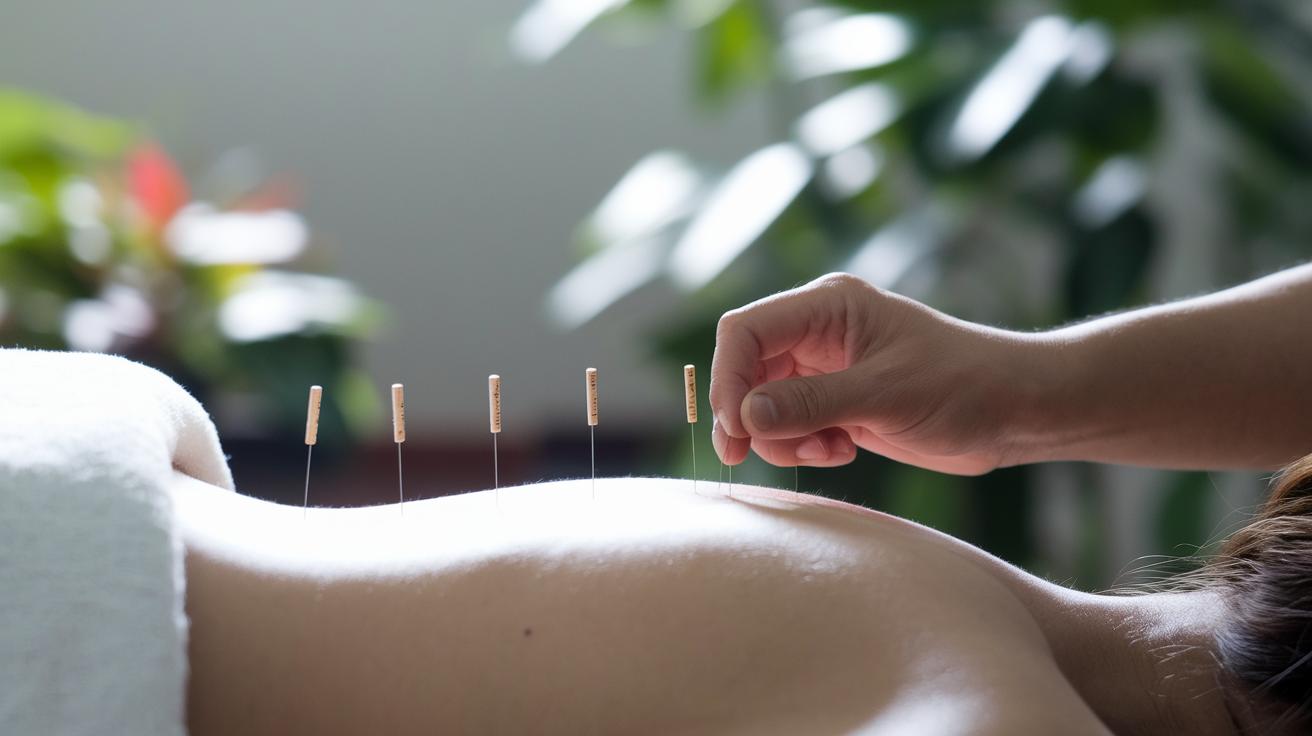
Many patients start their chronic pain journey with common treatments like pain-relief medications, think NSAIDs that lower swelling and muscle relaxants that help ease tight muscles, paired with physical therapy to boost strength and mobility. These treatments work well for softening the pain and reducing inflammation in the moment. Still, they sometimes don’t fix the root causes, leaving some pain behind even after a good therapy session.
Adding complementary techniques can make a huge difference. Integrative care brings in methods like acupuncture, massage therapy, and chiropractic adjustments to get to the heart of the pain. Acupuncture gently stimulates specific spots on the body to help release natural painkillers. Massage and chiropractic work together to loosen tense muscles and improve body alignment. This patient-centered approach not only soothes discomfort but also cuts down on the need for opioids, paving the way for lasting wellness and a better quality of life.
And then there are regenerative therapies, such as PRP (platelet-rich plasma) injections and stem cell treatments, which team up with physical therapy to really jump-start healing. These therapies focus on repairing damaged tissue and speeding up recovery, offering a hopeful alternative to relying solely on medications. Research shows that when these approaches join forces, patients can see up to a 30% improvement in mobility compared with physical therapy alone. This blend of natural healing and traditional care creates a robust, evidence-backed plan for recovery.
Integrative medicine example Inspires Renewed Wellness
Traditional mental health care usually pairs medications like antidepressants and anti-anxiety pills with therapies such as talk therapy and cognitive-behavioral sessions. These treatments aim to balance brain chemicals (the messengers that help your brain work smoothly) and provide clear steps to ease symptoms of depression or anxiety. This method has long been trusted to quickly relieve distress and equip people with daily coping skills. Yet, many feel that while these treatments help in the moment, they sometimes miss out on caring for the whole person, emotionally and physically.
Integrative medicine brings in extra coping tools like mindfulness, yoga, and art therapy to the mix. Research shows that these added practices can significantly ease both anxiety and depression while helping people process their emotions more naturally. For instance, mixing art therapy with traditional talk therapy encourages creative expression and unlocks deeper self-awareness. By blending these approaches, patients are invited to take an active role in their healing journey, caring for both mind and body in a balanced, thoughtful way.
Integrative Medicine Example in Digestive Health and Gut Disorders
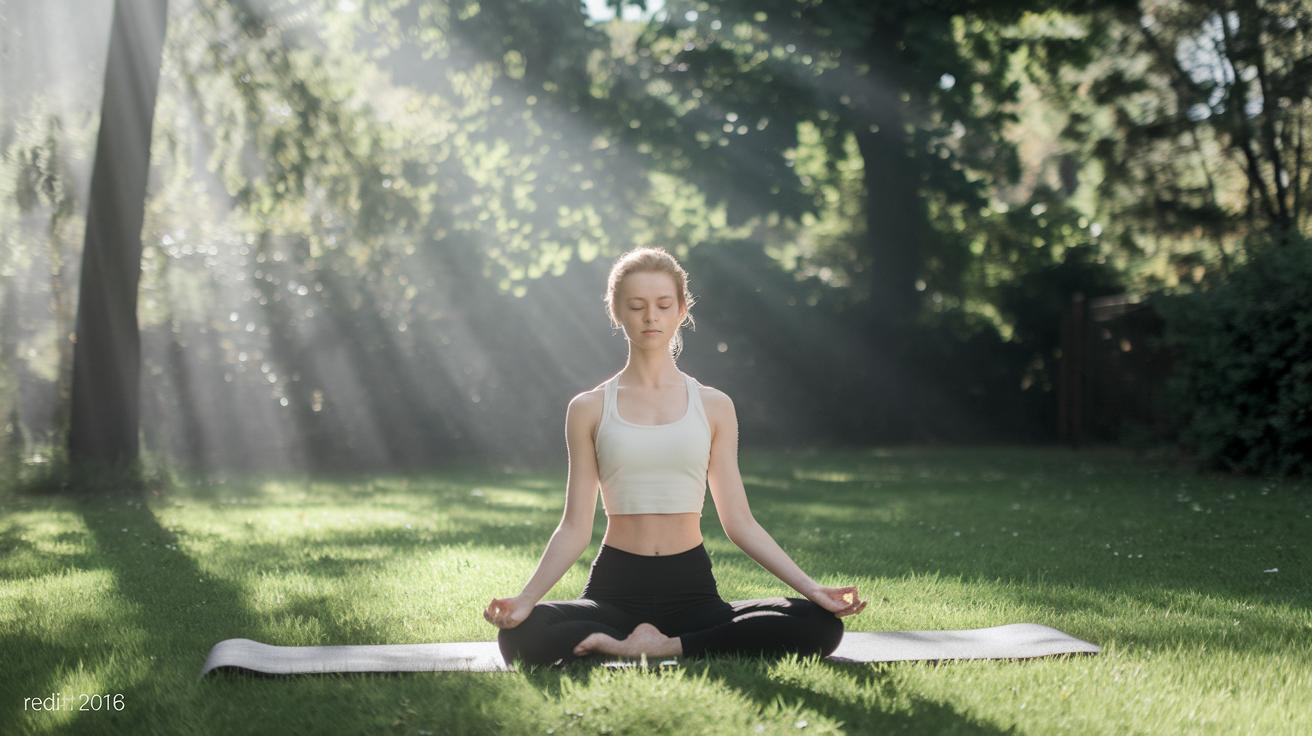
Many people kick off their journey to better digestion by using well-known treatments like proton pump inhibitors to keep stomach acid in check or antispasmodics to help with cramps. They might add dietary fiber to keep things running smoothly. These methods can offer quick relief by targeting one symptom at a time. But often, they don't dig into the deeper reasons why discomfort is happening.
Sometimes, a more well-rounded approach is what our body really needs. Instead of only masking symptoms, an integrative plan mixes natural remedies, like herbal treatments and targeted probiotics, with smart changes in your diet. Imagine swapping out processed foods for nutrient-packed, fiber-rich meals that help nurture your gut. Research even shows that those tiny tweaks, along with a good dose of probiotics, can cut symptoms of conditions like irritable bowel syndrome by nearly half. It’s a more sustainable way to care for your digestive health.
Stress can play a big role in upsetting your gut, so it’s important to try techniques that also calm the mind. Simple practices like mindfulness meditation or focused breathing, and even a little gentle exercise, can ease stress and let your body focus on healing. When you lower your stress levels, you might notice a real improvement in how your digestive system functions overall. This mix of regular treatments with natural therapies creates a healing plan that cares for both your body and your mind.
Integrative Medicine Example in Cancer Supportive Care
Traditional cancer care usually focuses on using medications and healthy eating support to help ease side effects. Patients might take nausea medicine, pain relievers, and follow a meal plan to stay strong during treatment. These methods help keep daily life on track, but sometimes they leave behind lingering side effects that can lower one’s quality of life.
Adding extra treatments can really boost how well patients feel. For example, pairing acupuncture with regular nausea medicine can lower chemo-related nausea by about 30% more than using medicine alone. Massage therapy also helps by easing muscle tension and promoting a calm state, which can reduce the stress that comes with treatment. And practices like mindfulness-based stress reduction (MBSR) improve emotional well-being and quality of life, especially for people dealing with breast or prostate cancer.
By combining these extra therapies with standard treatments, patients get a well-rounded approach that cares for both the body and the mind. This balanced method lets patients tackle the physical and emotional challenges of cancer treatment with a bit more ease.
Integrative Medicine Example in Sports Injury Rehabilitation

When athletes face injuries, they usually start with well-known steps like rest, ice, compression, and elevation combined with a regular physical therapy routine. These methods help calm pain and keep swelling in check, which is essential to start the healing process. Even though they work well to restore movement and lower inflammation, they might not fully tackle deeper tissue repair or lingering pain after an injury. Many athletes, however, look for extra options that awaken the body’s natural ability to heal.
Some popular additions include:
- Platelet-rich plasma (PRP) paired with focused physical therapy.
- Stem cell therapy alongside a supportive massage.
- Acupuncture to ease pain and boost mobility.
These integrative approaches blend traditional rehab with innovative healing techniques. For example, PRP injections have been found to speed up tendon healing by about 30%, and when stem cell treatments are combined with massage, cartilage repair can improve more effectively. Acupuncture, on the other hand, works by adjusting pain signals and improving overall movement. Together, these complementary methods enhance standard rehabilitation, resulting in faster healing, less pain, and a smoother return to active lifestyles.
Final Words
In the action, this article explored real-world integrative medicine example approaches from chronic pain to sports injury rehabilitation. We broke down how combining conventional treatments with complementary therapies creates a whole-person self-care plan.
We also touched on mental health strategies, digestive care, and cancer supportive measures that bring noticeable benefits. Overall, the blend of research-backed practices and natural therapies boosts empowerment and overall well-being. Keep embracing these balanced solutions for a healthier, brighter tomorrow.
FAQ
Where can I find integrative medicine near me?
Finding integrative medicine near you means looking for clinics that offer a blend of conventional treatments with complementary therapies. Local directories, doctor referrals, or online reviews can guide your search.
What is an integrative medicine doctor?
An integrative medicine doctor is a physician who combines standard medical care with complementary therapies to treat the whole person—body, mind, and spirit—using evidence-backed methods alongside traditional care.
How do integrative medicine and functional medicine differ?
Integrative medicine combines mainstream treatments with complementary therapies for whole-person care, while functional medicine focuses on personalized nutrition and lifestyle changes to address root causes behind illnesses.
What are the steps to becoming an integrative medicine doctor?
Becoming an integrative medicine doctor involves completing standard medical training, pursuing additional postgraduate certification or fellowships in integrative therapies, and gaining practical experience blending conventional and alternative approaches.
Is integrative medicine recognized as a medical specialty?
Integrative medicine isn’t an official specialty but is practiced by board-certified physicians who integrate conventional treatments with complementary therapies to provide comprehensive, whole-person care.
How does integrative medicine support cancer patients?
Integrative medicine supports cancer patients by combining standard treatments with therapies like acupuncture and mindfulness. This blend can ease side effects, relieve pain, and improve overall quality of life during treatment.
What are the five domains of integrative medicine?
The five domains include physical, emotional, mental, social, and spiritual health. This broad approach ensures that care addresses every aspect of a person’s well-being for a more complete and balanced healing process.
What is an example of integrated health in practice?
An example of integrated health is pairing standard antiemetic drugs with acupuncture to reduce chemotherapy-induced nausea, demonstrating how combining different treatment methods can enhance symptom relief and overall care.
What integrative medicine services are offered?
Integrative medicine services encompass options like acupuncture, massage therapy, nutrition counseling, mindfulness training, and other complementary treatments that work alongside conventional medical practices to promote holistic well-being.
What is integrative medicine in general?
Integrative medicine in general blends traditional medical treatments with complementary therapies such as acupuncture, massage, or dietary counseling, focusing on treating the whole person to enhance overall health and quality of life.