Have you ever thought about how a simple scientific idea turns into a treatment that actually helps people? Translational science is like a trusty guide, taking discoveries straight from the lab right to your doctor’s office. It’s a bit like planting a seed and watching it grow into a strong, healthy tree, tiny sparks of potential become proven therapies over time. In this post, we’ll explore how a careful, step-by-step process transforms research into treatments that are both safe and effective.
How Translational Science Bridges Lab Discoveries and Patient Care
Translational science is all about taking breakthroughs from the lab and turning them into real treatments for patients. Think of it like starting with a spark of an idea in a lab and gradually growing it into a therapy that works in a clinic. For example, scientists might discover a new molecule and then figure out the best, safest way to test it on real people.
This field really shines by clearing the hurdles that slow down the journey from research to patient care. While translational research takes lab discoveries and immediately puts them into practice, translational science builds the step-by-step processes that make these transitions smoother and more reliable. It’s a bit like setting up clear roads so that innovative ideas can travel safely from one end to the other.
Today, many teams work closely on lab discovery implementations to design protocols that ensure treatments are safe and effective. Their careful research paves the way for new therapies to be thoroughly checked before they reach patients’ hands. In short, by creating solid, systematic methods, translational science makes sure that the exciting advances from the lab truly make a difference in everyday healthcare.
Core Methodologies Driving Translational Science Progress

Imagine having a clear guide that turns laboratory breakthroughs into treatments you can trust. That’s exactly what structured service cores do in translational science. They lay out a simple roadmap, from early lab work to patient care, that makes even the most complex research feel approachable.
Take the CTSC Administration team, for example. They offer practical tools like REDCap Login access to securely manage data, Informatics Services to handle digital health information, Biostatistics support to sort and understand numbers, and Community Engagement Services to connect with local communities. Think of these services as the essential ingredients that help mix raw research into a final product ready for real-world application.
These resources create a conversion model framework, a set process that eases the challenges of data management and statistical study. Imagine beginning with basic lab data, much like gathering ingredients for a favorite recipe, and gradually refining it into a smooth, effective process that travels from discovery right to patient care.
Moreover, integration techniques bring together data, expert insights, and various methods, enriching the whole process. Boosted by the NCATS grant UL1TR001449, a type of financial support for innovative health ideas, this approach speeds up the journey from the research bench to the patient’s bedside.
Project management is the glue that keeps it all together. By coordinating the efforts of biostatisticians, clinicians, informaticians, and community partners, every stage of the process adds its own valuable piece to the final treatment puzzle. In short, this well-organized, collaborative effort steadily transforms promising research into practical, tested therapies for patients.
Optimizing Clinical Trial Design for Translational Science
The Clinical Trials Innovation Unit (CTIU) is the go-to team for turning lab discoveries into real patient care. They work side-by-side with researchers to simplify trial protocols, making sure every step is clear and efficient. Imagine getting ready for a big play, they even run mock study sessions to fine-tune every part of the process.
Key services include:
- Mock study sessions that recreate review conditions, helping teams polish their plans.
- BERD consultations (Epidemiology & Research Design) where experts use clear, simple statistical insights to shape strong trial strategies.
- Data Safety Monitoring that keeps an eye on participant safety while the study progresses.
Together, these services form a flexible strategy that lets researchers tweak their plans as surprises pop up during trials. By embracing adaptive design, the CTIU makes it easier to move steadily toward reliable, evidence-based results, safely bridging the gap between research and treatment.
Real-World Case Studies in Translational Science Success

The case studies below show how research from the lab is being turned into real treatments that make a difference. The NCATS video playlist shares three varied examples, each one a clear peek into how lab discoveries quickly become practical, patient-ready innovations. For instance, one ordinary lab observation sparked a breakthrough therapy for a rare disease. It’s amazing how a small finding can lead to a big change in treatment.
Rural health solutions are also stepping into the spotlight. With programs like the Pilot Award Program and the Consortium of Rural States Multi-Institutional Pilot Award Program, researchers are crafting smart, sustainable approaches that work in rural areas. These initiatives build strong frameworks to help communities manage chronic conditions despite limited healthcare resources.
Leading the way in next-generation cancer care is the Winthrop P. Rockefeller Cancer Institute Rural Research Award Program. By combining careful case studies with real-world evidence, this program turns lab insights into cutting-edge treatments, setting a powerful example of how research can truly transform patient care.
Integrating Digital Health Technologies in Translational Science
Digital tools are changing the way scientists take discoveries from the lab to real-world treatments. The AR-CDR (Clinical Data Repository) and CIRC (Comprehensive Informatics Resource Core) help teams pull together huge amounts of information, kind of like fitting different pieces of a puzzle together. Each piece, whether it’s a patient’s history or a lab report, adds to a clearer picture of treatment possibilities.
Digital badges and a Learning Library make training more interactive too. For example, when a researcher masters a new data tool, they earn a badge, which not only feels rewarding but also builds trust in sharing insights and checking important health markers.
Biomedical informatics is another game-changer. It brings together data from genetics (the unique code in our cells), proteins (the building blocks of our body), and metabolism (how our bodies use energy). Imagine looking at different layers of a building’s blueprint, that’s how this integration helps guide smart decisions when planning clinical trials.
Digital technology also smooths out the journey from bench to bedside. With these comprehensive tools, the whole process becomes more flexible and efficient. Curious to see how digital platforms are pushing progress? Visit Digital Health Tech at https://healthyfax.com?p=694 to get a closer look at how modern technology is shaping translational science.
Educational Programs and Career Paths in Translational Science
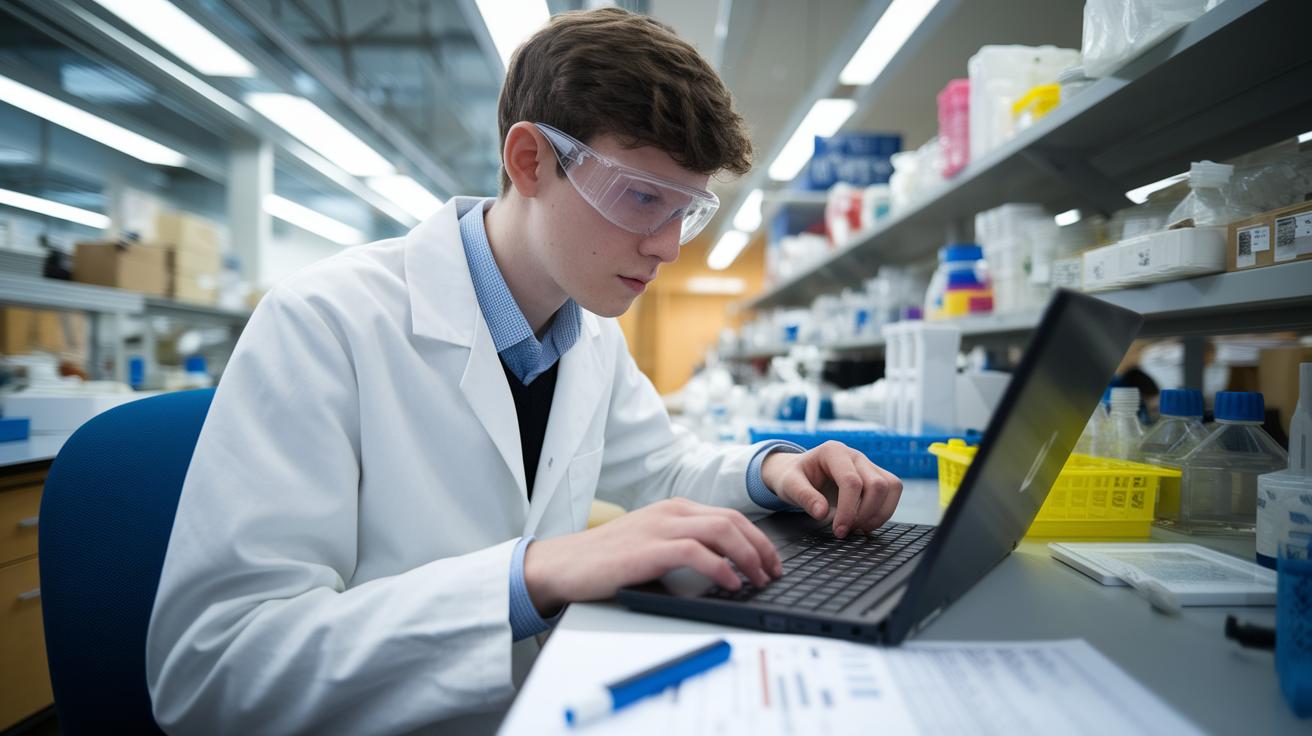
Turning laboratory research into treatments that truly make a difference calls for real hands-on training and the right support. Programs like CT-Rex, Good Clinical Practice training, and the Training Catalog offer practical experiences that show you how research transforms into new therapies. Imagine a new researcher using CT-Rex to build a solid base before trying out innovative treatment ideas.
Academic programs are equally important. Initiatives such as the K12 Mentored Research Career Development Scholar Awards, the HSIE (T32) Training Program, and the SMART MS-CTS initiative mix essential theory with practical skills. It’s a little like learning your instruments’ basics before performing on stage, each step builds the confidence to shine later on.
Career development opportunities further strengthen your journey. Programs like the Implementation Science Scholar Program, the Data Science Scholars Program, and the Translational Research Innovations and Partners Program give you access to funding, grant strategies, and university-industry partnerships. These chances are designed to empower emerging talents with the real-world know-how to succeed in translational science.
| Training Resources | Academic Programs | Career Development Opportunities |
|---|---|---|
| CT-Rex Good Clinical Practice training Training Catalog |
K12 Mentored Research Career Development Scholar Awards HSIE (T32) Training Program SMART MS-CTS initiative |
Implementation Science Scholar Program Data Science Scholars Program Translational Research Innovations and Partners Program |
Challenges and Future Trends in Translational Science
Translational science is working through some tough hurdles to turn research into therapies that are both safe and effective. Researchers have to stick to strict legal and quality rules so that every new treatment meets the highest safety standards. They also need to review studies carefully to make sure everyone involved understands and agrees to what's happening, putting patient well-being first. On top of that, scientists constantly check for risks early on to avoid problems later. And let’s not forget, finding steady funding can be a real challenge that slows down progress and keeps long-term projects on hold.
New ideas are also changing the game. Precision medicine, which tailors treatment to your own genetic makeup, is a growing field. Techniques that combine different types of biological data are helping us understand diseases in a more complete way. Researchers are also focusing on what patients really need, ensuring that study results match real life. New methods for evaluating outcomes are being developed so that we can measure treatment success in fresh ways. Looking ahead, scientists are excited about blending lab discoveries with digital tools. With computer-driven analysis and flexible study designs, clinical trials are becoming more adaptable and efficient, which means a smoother journey from breakthrough to bedside. These fresh approaches are promising steps toward tackling current challenges and shaping the future of treatment innovation.
Final Words
In the action, translational science connects lab breakthroughs with patient care, using innovative methods and carefully designed clinical trials. The core techniques and digital platforms we explored build a solid bridge from research to real-world health improvements.
By embracing structured frameworks and diverse educational paths, healthcare professionals are well-equipped to enhance everyday wellness. These advances pave the way for smarter, more effective chronic condition management and balanced living. The future of care shines bright with optimism.
FAQ
What is translational science?
The translational science field converts laboratory findings into treatments for patients. It develops new methods that improve research efficiency and moves discoveries into clinical practice.
What is an example of translational science?
The translational science process might involve designing innovative clinical trial methods, integrating digital health tools for data collection, and applying real-world case studies to refine cancer treatments.
What does a translational scientist do?
A translational scientist develops frameworks to improve research methods, refines clinical trial designs, and collaborates across disciplines to move experimental results into effective patient care.
How does translational science differ from translational research?
Translational science focuses on creating structured methods to speed up research conversion, while translational research applies findings directly to patient care with immediate clinical testing.
How does translational science differ from implementation science?
Translational science builds models to enhance research processes, whereas implementation science takes proven practices and applies them to everyday healthcare settings.
What is the Translational Science journal?
The Translational Science journal is a publication that shares peer-reviewed research on bridging lab work to patient care, offering insights into innovative methodologies and successful frameworks.
What is a translational science framework?
A translational science framework outlines practical methodologies that link experimental results to clinical treatments, supporting adaptive trial designs and interdisciplinary collaborations.
What does the translational science spectrum include?
The translational science spectrum covers the full process from laboratory research to patient care, including method development, clinical trial design, and real-world application of research.
What is Translational Science 2025?
Translational Science 2025 outlines emerging trends, highlighting the integration of digital health technologies and adaptive clinical strategies to boost research efficiency and patient outcomes.
What about translational science salary?
The salary in translational science varies by role and location, often reflecting expertise in research innovation, clinical trial management, and success in bridging lab discoveries with patient care.
What is the difference between translational science and clinical science?
Translational science creates methods to improve research efficiency from lab to patient care, while clinical science concentrates on applied medical research and direct patient treatment outcomes.