Uf Clinical And Translational Research Building: Best Hub

Have you ever wondered if a single building could transform healthcare? The UF Clinical and Translational Research Building is where fresh ideas grow into everyday improvements. Located on Gainesville’s Mowry Road campus, this modern center brings together labs, meeting rooms, and workspaces to promote teamwork.

Researchers here start small and build on simple ideas that can lead to better patient care. Curious to learn more? Explore the inspiring story of a place built to drive clinical science forward and move health research in exciting new directions.

Overview of the UF Clinical and Translational Research Building

The UF Clinical and Translational Research Building is a vibrant center built to push clinical science forward. Nestled on the Mowry Road campus in Gainesville, Florida, it occupies a key spot at UF and serves as a meeting point for fresh, innovative health research. This five-story, 120,000-square-foot space blends top-notch labs, administrative offices, conference rooms, and shared workspaces into one dynamic hub.

In its north wing, a generous 80,000 square feet is home to the Clinical and Translational Science Institute. Here, scientists turn new clinical ideas into everyday improvements. Down south, another 40,000 square feet supports the NIH Institute on Aging, where research is focused on boosting the quality of life for older adults. Fun fact: many researchers here got their start with humble ideas, eventually turning simple observations into big scientific breakthroughs.

The building’s design makes it easy to carry out clinical trials and foster projects that cross different UF departments. Teams in areas like biostatistics, epidemiology, and health outcomes enjoy having labs and administrative support just steps away. This open, well-planned layout encourages clear chats and smooth teamwork, helping great ideas turn into real solutions.

Every corner of the building shows UF’s dedication to improving clinical and translational science. It’s a lively space where hands-on research meets high-tech tools, sparking breakthroughs that can truly change patient care.

Its smart design and built-in conveniences give passionate research teams the power to make meaningful progress every day.

Design and Architecture of the UF Clinical and Translational Research Building

img-1.jpg

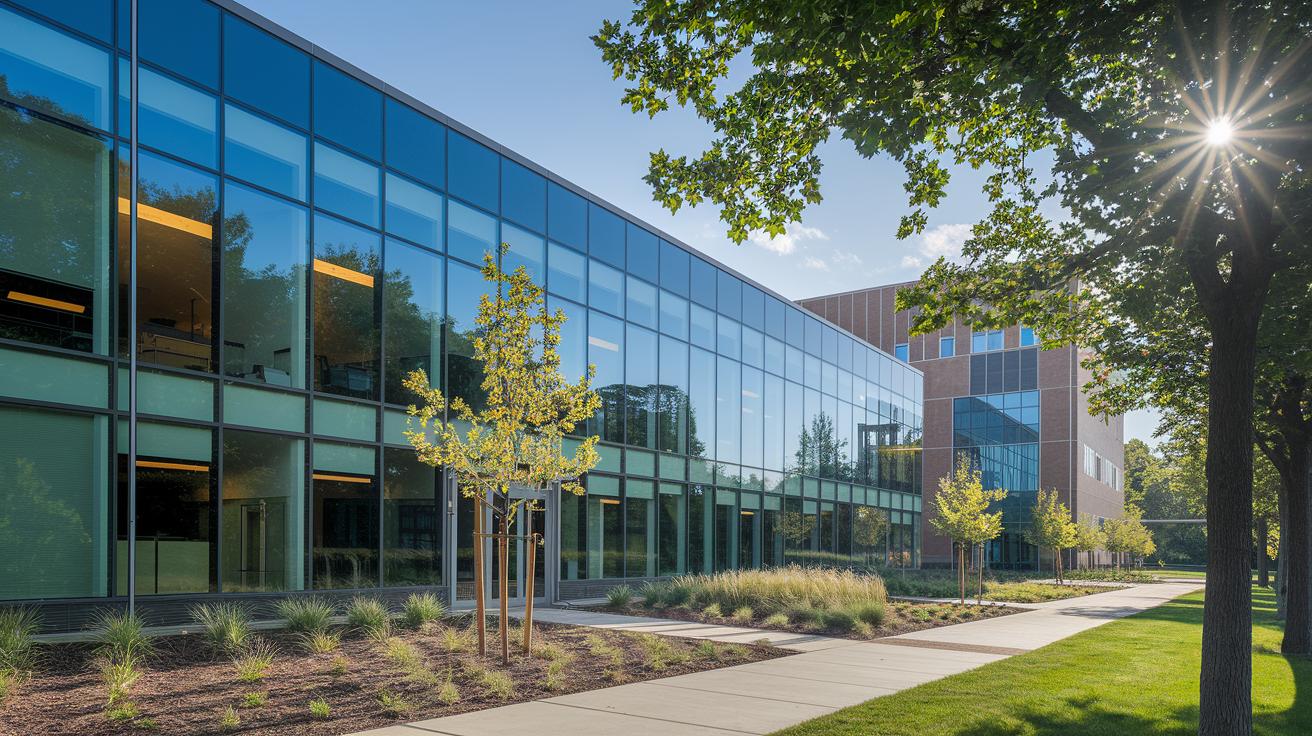
Designed by Perkins+Will, this five-story building is a modern space built for research and teamwork. It features two distinct wings, one with bright, flexible labs that spark creative ideas, and another set up for more controlled, specialized experiments.

Every detail has been chosen with care. The materials and finishes, displayed in the project gallery, show off smooth surfaces paired with natural textures. Think of it like a well-curated art display. Fun fact: the building has adjustable partitions that save space and can be quickly reconfigured for fresh research needs.

Expansive windows welcome in sunlight, lifting the energy of busy research groups and filling the space with a warm, open vibe. Clever design features even plan for future growth, ensuring the facility keeps pace with emerging trends. In short, every element works together to transform clinical research into real health solutions.

Research Programs and Departments in the UF Clinical and Translational Research Building

Inside this dynamic building, you'll find two main research centers: the Clinical and Translational Science Institute (CTSI) and the NIH Institute on Aging. These hubs form the backbone of pioneering clinical studies and innovative research that moves discoveries from the lab straight to patient care.

Right in the center, specialized teams in Biostatistics, Epidemiology, and Health Outcomes & Policy work closely together. They support clinical trials and translational medicine projects across the state while building a vibrant network of experts. For instance, their combined skills help refine research plans, share key data, and create studies that turn lab breakthroughs into real-world treatments.

CTSI is known for backing studies started by its very own investigators. It encourages researchers to take small ideas and test them, which can sometimes grow into large-scale clinical trials that benefit communities everywhere. Curious about clinical trials? Check out the resource on "What are clinical trials" for an easy-to-understand introduction.

The building’s lab spaces are thoughtfully designed to push research from theory to practice. In short, new treatments and interventions here don’t just stay on paper, they’re developed, tested, and honed in real clinical scenarios. Departments join forces to craft protocols that are as practical as they are scientifically sound.

Overall, the UF Clinical and Translational Research Building is a true center for multidisciplinary research. It’s a place where state-of-the-art facilities meet a friendly, collaborative spirit, driving innovative clinical care and real advances in health every day.

Facilities and Amenities at the UF Clinical and Translational Research Building
img-2.jpg

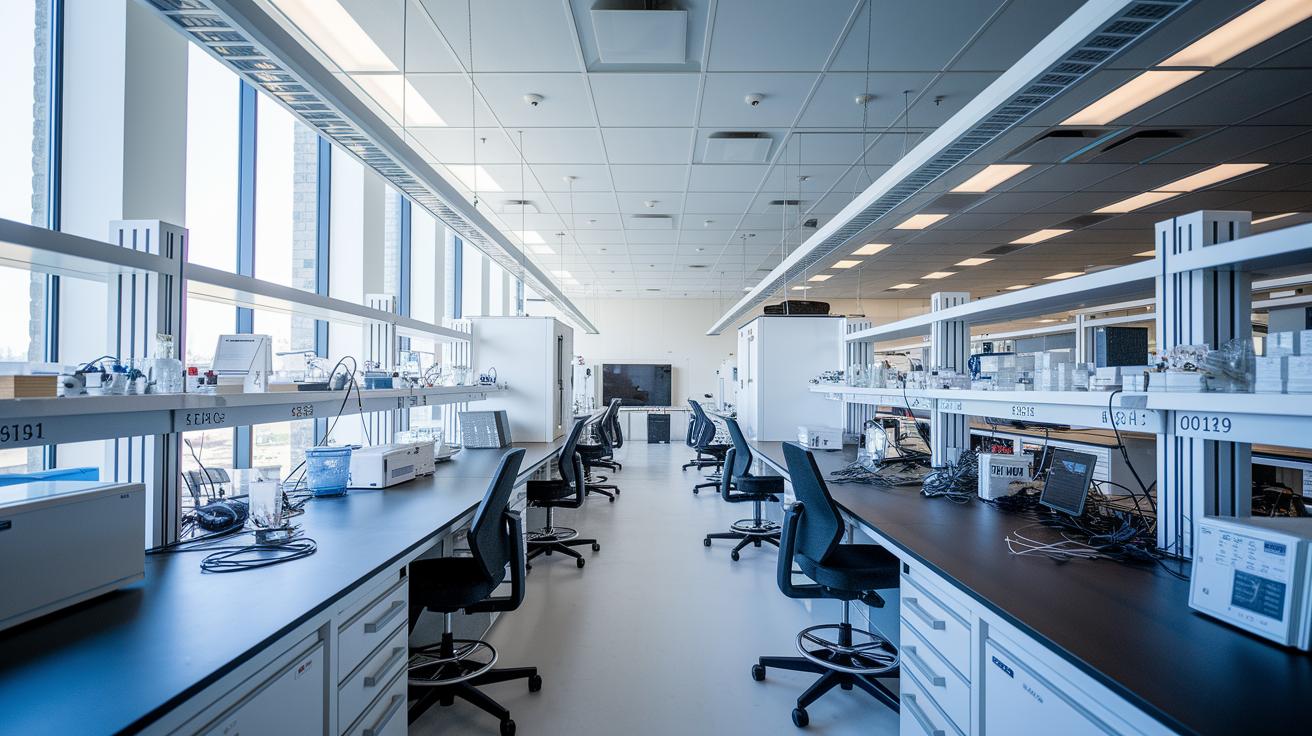
This impressive 120,000-square-foot building is designed for real-world clinical studies and hands-on translational experiments. The space is neatly divided into special zones that fit different research needs. Think of shared conference rooms, cutting-edge visualization suites, and cozy meeting pods that invite spontaneous collaboration.

Step into the dedicated Clinical Trial Coordination Center, where secure data rooms support every stage of a trial, from planning the protocol right through to publication. This setup covers every clinical trial phase, ensuring that each step is backed by solid support.

Inside, you'll find modern translational labs with flexible, modular bench setups and specialized BSL-2 labs that handle sensitive assays with care. The facility is split into two main zones: one 80,000-square-foot area geared toward the Clinical and Translational Science Institute, and a 40,000-square-foot section focused on aging research. These zones cater to the unique needs of each discipline while still sharing common spaces that encourage easy communication.

On-site support teams are available for everything from data management to biostatistics and protocol development. This practical help makes complex research workflows smoother and helps projects go from design to impactful clinical discoveries with less hassle.

Construction Timeline and Funding of the UF Clinical and Translational Research Building

In May 2011, the dream of this research hub took its first step on UF’s innovative biomedical campus with its groundbreaking ceremony. The building was designed to grow gradually, allowing future translational studies space to evolve naturally.

By May 2012, the structure reached its peak, a proud moment that reflected the team’s dedication and modern planning strategies. Then, in August 2013, the project officially opened its doors, showing it was ready to support breakthrough clinical research.

Overall, constructing the facility cost around $45 million. The funds came from a smart blend of federal stimulus and internal support; $15 million came from the NIH NCRR ARRA grant, while the University of Florida contributed $30 million. This financial approach highlights how public support and institutional investment work hand in hand to drive modern infrastructure projects.

Every phase of construction was carefully designed to adapt to new research needs. Extra laboratory spaces and collaborative work areas were planned to be added as time went on. This thoughtful, phased strategy ensured that the schedule and funding matched the vision of building a dynamic center for clinical and translational science. Thanks to clear milestones and strong investments, this project now stands as a shining example of forward-thinking research infrastructure.

Access, Tours, and Visitor Guide for the UF Clinical and Translational Research Building
img-3.jpg

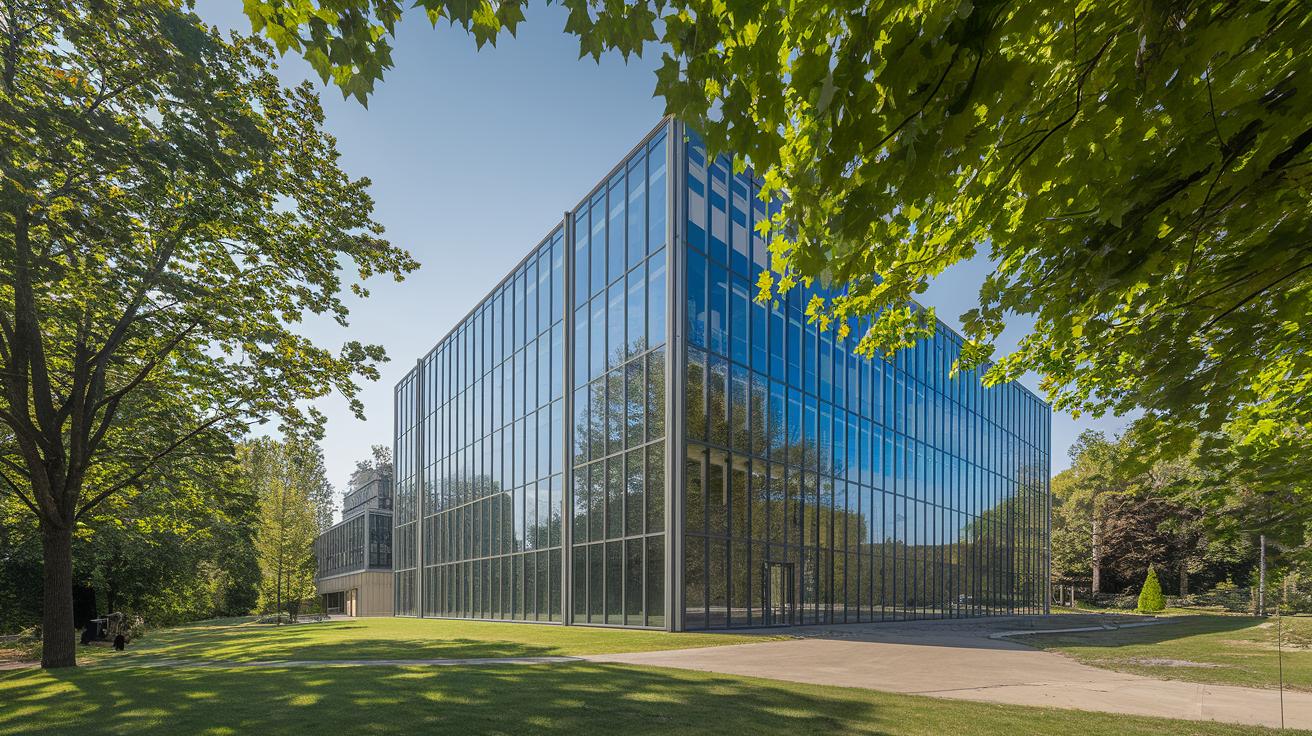
The UF Clinical and Translational Research Building is right at Mowry Road in Gainesville, FL 32611, nestled on the UF Health Science Center campus. It’s a welcoming spot that draws researchers, students, and anyone curious about cutting-edge science.

You have two great tour options here. If you like exploring at your own pace, a self-guided tour lets you follow a digital guide that highlights key research areas. Or, you could join a group tour by appointment through the UF CTSI website, where experts share handy tips and interesting tidbits, like the time a visitor uncovered a hidden lab nook that spurred a burst of inspiration for future clinical breakthroughs.

Parking is a breeze too. Visitor parking sits right next to the north entrance and can be reached easily using UF shuttle routes. Plus, online campus maps and digital wayfinding tools make planning your visit smooth and stress-free.

These clear directions and flexible tour options mean that whether you’re a busy researcher or just exploring out of curiosity, navigating this innovative building is simple. So take a moment to plan ahead using the online tools, and get ready to enjoy an enriching visit.

Collaboration and Impact in the UF Clinical and Translational Research Building

The UF Research Building is a lively space where experts join forces to spark real change in health research. It acts as the central hub where scientists, doctors, and other professionals come together to turn new ideas into everyday solutions.

Inside, researchers share well-designed areas that feel welcoming and encourage fresh thinking. They brainstorm side by side, working on ideas that tackle everyday health challenges.

This creative spot also supports joint projects and grants between UF colleges and outside institutes. It connects academic smarts with clinical know-how, kind of like bridging the gap between what we learn in school and the real world of patient care. Picture a friendly meeting room bathed in sunlight, where every idea is welcomed and might lead to a breakthrough.

Some of the core strengths of this building are:

Strength Description
Innovative Design Sets a new standard for research centers in Florida.
Cross-Discipline Collaboration Hosts committees that bring together experts from different fields.
Ongoing Exchange Encourages a steady flow of ideas and shared resources.

By creating a space where traditional roles blend, this building fuels teamwork across many fields. Researchers here believe that mixing insights sparks innovations that both push medical methods forward and make healthcare better for everyone. In short, this vibrant, community-focused ecosystem helps drive positive, far-reaching health improvements.

UF Clinical and Translational Research Building: Best Hub
img-4.jpg

Step into a virtual journey that invites you to explore every inch of the UF Clinical and Translational Research Building. Picture yourself navigating an interactive photo tour that clearly shows you detailed labs, cozy collaboration spots, and impressive building fronts. It’s like walking through a space where every lab isn’t just a room but a display of modern science bathed in natural light, each area designed to captivate your attention.

The online project gallery offers a closer look at design details with clear tags and vivid material shots. You can even download virtual floor plans and section drawings, giving you a digital blueprint that helps you plan a visit or simply enjoy exploring from home. Think of it as a friendly map drawn just for you.

Plus, there are digital resources waiting to be discovered, including event calendars and webinar series focused on translational research. These tools create a lively connection between the building’s physical charm and its cutting-edge programming. They keep you in the loop with the latest projects, engaging sessions, and innovative science concepts that make you feel like you’re right in the center of advanced research.

Final Words

In the action, this article detailed the inspiring features of the uf clinical and translational research building. It outlined the building’s design, facility highlights, research programs, and collaboration opportunities. The discussion covered everything from flexible lab spaces and tour guidance to funding milestones and interdisciplinary partnerships. The dynamic blend of clinical research and practical innovations leaves us looking forward to more groundbreaking discoveries ahead.

FAQ

What is the UF clinical and translational research building address?

The UF Clinical and Translational Research Building is located on Mowry Road, Gainesville, FL 32611, on the UF Health Science Center campus.

What is the UF clinical and translational research building phone number?

The UF Clinical and Translational Research Building phone number is available via the UF CTSI website or campus directory for direct visitor inquiries.

What is the University of Florida Clinical Translational Research Building?

The University of Florida Clinical Translational Research Building serves as the central hub for innovative research with state-of-the-art labs and collaborative spaces that drive clinical and translational initiatives.

What is the Clinical and Translational Science Institute?

The Clinical and Translational Science Institute supports cutting-edge research by streamlining clinical trials and laboratory innovations within the building, promoting collaboration among various health disciplines.

What is the Center for Clinical and Translational Research?

The Center for Clinical and Translational Research provides a supportive environment for collaborative studies, integrating academic expertise with practical laboratory work to advance patient care.

Who comprises the UF CTSI staff?

The UF CTSI staff includes dedicated professionals from diverse health fields who handle administrative, research, and laboratory tasks, ensuring the smooth operation of clinical studies.

What does UF CRC stand for?

UF CRC stands for the University of Florida Clinical Research Center, which offers specialized facilities and expert guidance for robust clinical trials and translational medicine efforts.

What is UF CTRB?

UF CTRB refers to the Clinical and Translational Research Building at UF, a key facility housing vital research labs and collaborative spaces for groundbreaking clinical studies.

What is the difference between clinical research and translational research?

The difference is that clinical research focuses on testing treatments with patients, while translational research converts laboratory findings into practical health solutions for improved patient care.

Who is the director of the UF CTSI?

The UF CTSI director oversees research strategy and collaborative efforts; for current contact details, check the UF CTSI website where updated information is provided.

Is translational research good for medical school?

Translational research benefits medical schools by linking scientific discoveries to patient care, enriching educational programs and offering hands-on experiences for future physicians.

How many UF faculty members have distinguished records in teaching, research, and service?

UF honors numerous faculty members with distinguished records in teaching, research, and service, reflecting their dedication to advancing health studies and academic excellence.

Have you ever wondered if a single building could transform healthcare? The UF Clinical and Translational Research Building is where fresh ideas grow into everyday improvements. Located on Gainesville’s Mowry Road campus, this modern center brings together labs, meeting rooms, and workspaces to promote teamwork.

Researchers here start small and build on simple ideas that can lead to better patient care. Curious to learn more? Explore the inspiring story of a place built to drive clinical science forward and move health research in exciting new directions.

Overview of the UF Clinical and Translational Research Building

The UF Clinical and Translational Research Building is a vibrant center built to push clinical science forward. Nestled on the Mowry Road campus in Gainesville, Florida, it occupies a key spot at UF and serves as a meeting point for fresh, innovative health research. This five-story, 120,000-square-foot space blends top-notch labs, administrative offices, conference rooms, and shared workspaces into one dynamic hub.

In its north wing, a generous 80,000 square feet is home to the Clinical and Translational Science Institute. Here, scientists turn new clinical ideas into everyday improvements. Down south, another 40,000 square feet supports the NIH Institute on Aging, where research is focused on boosting the quality of life for older adults. Fun fact: many researchers here got their start with humble ideas, eventually turning simple observations into big scientific breakthroughs.

The building’s design makes it easy to carry out clinical trials and foster projects that cross different UF departments. Teams in areas like biostatistics, epidemiology, and health outcomes enjoy having labs and administrative support just steps away. This open, well-planned layout encourages clear chats and smooth teamwork, helping great ideas turn into real solutions.

Every corner of the building shows UF’s dedication to improving clinical and translational science. It’s a lively space where hands-on research meets high-tech tools, sparking breakthroughs that can truly change patient care.

Its smart design and built-in conveniences give passionate research teams the power to make meaningful progress every day.

Design and Architecture of the UF Clinical and Translational Research Building

img-1.jpg

Designed by Perkins+Will, this five-story building is a modern space built for research and teamwork. It features two distinct wings, one with bright, flexible labs that spark creative ideas, and another set up for more controlled, specialized experiments.

Every detail has been chosen with care. The materials and finishes, displayed in the project gallery, show off smooth surfaces paired with natural textures. Think of it like a well-curated art display. Fun fact: the building has adjustable partitions that save space and can be quickly reconfigured for fresh research needs.

Expansive windows welcome in sunlight, lifting the energy of busy research groups and filling the space with a warm, open vibe. Clever design features even plan for future growth, ensuring the facility keeps pace with emerging trends. In short, every element works together to transform clinical research into real health solutions.

Research Programs and Departments in the UF Clinical and Translational Research Building

Inside this dynamic building, you'll find two main research centers: the Clinical and Translational Science Institute (CTSI) and the NIH Institute on Aging. These hubs form the backbone of pioneering clinical studies and innovative research that moves discoveries from the lab straight to patient care.

Right in the center, specialized teams in Biostatistics, Epidemiology, and Health Outcomes & Policy work closely together. They support clinical trials and translational medicine projects across the state while building a vibrant network of experts. For instance, their combined skills help refine research plans, share key data, and create studies that turn lab breakthroughs into real-world treatments.

CTSI is known for backing studies started by its very own investigators. It encourages researchers to take small ideas and test them, which can sometimes grow into large-scale clinical trials that benefit communities everywhere. Curious about clinical trials? Check out the resource on "What are clinical trials" for an easy-to-understand introduction.

The building’s lab spaces are thoughtfully designed to push research from theory to practice. In short, new treatments and interventions here don’t just stay on paper, they’re developed, tested, and honed in real clinical scenarios. Departments join forces to craft protocols that are as practical as they are scientifically sound.

Overall, the UF Clinical and Translational Research Building is a true center for multidisciplinary research. It’s a place where state-of-the-art facilities meet a friendly, collaborative spirit, driving innovative clinical care and real advances in health every day.

Facilities and Amenities at the UF Clinical and Translational Research Building

img-2.jpg

This impressive 120,000-square-foot building is designed for real-world clinical studies and hands-on translational experiments. The space is neatly divided into special zones that fit different research needs. Think of shared conference rooms, cutting-edge visualization suites, and cozy meeting pods that invite spontaneous collaboration.

Step into the dedicated Clinical Trial Coordination Center, where secure data rooms support every stage of a trial, from planning the protocol right through to publication. This setup covers every clinical trial phase, ensuring that each step is backed by solid support.

Inside, you'll find modern translational labs with flexible, modular bench setups and specialized BSL-2 labs that handle sensitive assays with care. The facility is split into two main zones: one 80,000-square-foot area geared toward the Clinical and Translational Science Institute, and a 40,000-square-foot section focused on aging research. These zones cater to the unique needs of each discipline while still sharing common spaces that encourage easy communication.

On-site support teams are available for everything from data management to biostatistics and protocol development. This practical help makes complex research workflows smoother and helps projects go from design to impactful clinical discoveries with less hassle.

Construction Timeline and Funding of the UF Clinical and Translational Research Building

In May 2011, the dream of this research hub took its first step on UF’s innovative biomedical campus with its groundbreaking ceremony. The building was designed to grow gradually, allowing future translational studies space to evolve naturally.

By May 2012, the structure reached its peak, a proud moment that reflected the team’s dedication and modern planning strategies. Then, in August 2013, the project officially opened its doors, showing it was ready to support breakthrough clinical research.

Overall, constructing the facility cost around $45 million. The funds came from a smart blend of federal stimulus and internal support; $15 million came from the NIH NCRR ARRA grant, while the University of Florida contributed $30 million. This financial approach highlights how public support and institutional investment work hand in hand to drive modern infrastructure projects.

Every phase of construction was carefully designed to adapt to new research needs. Extra laboratory spaces and collaborative work areas were planned to be added as time went on. This thoughtful, phased strategy ensured that the schedule and funding matched the vision of building a dynamic center for clinical and translational science. Thanks to clear milestones and strong investments, this project now stands as a shining example of forward-thinking research infrastructure.

Access, Tours, and Visitor Guide for the UF Clinical and Translational Research Building

img-3.jpg

The UF Clinical and Translational Research Building is right at Mowry Road in Gainesville, FL 32611, nestled on the UF Health Science Center campus. It’s a welcoming spot that draws researchers, students, and anyone curious about cutting-edge science.

You have two great tour options here. If you like exploring at your own pace, a self-guided tour lets you follow a digital guide that highlights key research areas. Or, you could join a group tour by appointment through the UF CTSI website, where experts share handy tips and interesting tidbits, like the time a visitor uncovered a hidden lab nook that spurred a burst of inspiration for future clinical breakthroughs.

Parking is a breeze too. Visitor parking sits right next to the north entrance and can be reached easily using UF shuttle routes. Plus, online campus maps and digital wayfinding tools make planning your visit smooth and stress-free.

These clear directions and flexible tour options mean that whether you’re a busy researcher or just exploring out of curiosity, navigating this innovative building is simple. So take a moment to plan ahead using the online tools, and get ready to enjoy an enriching visit.

Collaboration and Impact in the UF Clinical and Translational Research Building

The UF Research Building is a lively space where experts join forces to spark real change in health research. It acts as the central hub where scientists, doctors, and other professionals come together to turn new ideas into everyday solutions.

Inside, researchers share well-designed areas that feel welcoming and encourage fresh thinking. They brainstorm side by side, working on ideas that tackle everyday health challenges.

This creative spot also supports joint projects and grants between UF colleges and outside institutes. It connects academic smarts with clinical know-how, kind of like bridging the gap between what we learn in school and the real world of patient care. Picture a friendly meeting room bathed in sunlight, where every idea is welcomed and might lead to a breakthrough.

Some of the core strengths of this building are:

Strength Description
Innovative Design Sets a new standard for research centers in Florida.
Cross-Discipline Collaboration Hosts committees that bring together experts from different fields.
Ongoing Exchange Encourages a steady flow of ideas and shared resources.

By creating a space where traditional roles blend, this building fuels teamwork across many fields. Researchers here believe that mixing insights sparks innovations that both push medical methods forward and make healthcare better for everyone. In short, this vibrant, community-focused ecosystem helps drive positive, far-reaching health improvements.

UF Clinical and Translational Research Building: Best Hub

img-4.jpg

Step into a virtual journey that invites you to explore every inch of the UF Clinical and Translational Research Building. Picture yourself navigating an interactive photo tour that clearly shows you detailed labs, cozy collaboration spots, and impressive building fronts. It’s like walking through a space where every lab isn’t just a room but a display of modern science bathed in natural light, each area designed to captivate your attention.

The online project gallery offers a closer look at design details with clear tags and vivid material shots. You can even download virtual floor plans and section drawings, giving you a digital blueprint that helps you plan a visit or simply enjoy exploring from home. Think of it as a friendly map drawn just for you.

Plus, there are digital resources waiting to be discovered, including event calendars and webinar series focused on translational research. These tools create a lively connection between the building’s physical charm and its cutting-edge programming. They keep you in the loop with the latest projects, engaging sessions, and innovative science concepts that make you feel like you’re right in the center of advanced research.

Final Words

In the action, this article detailed the inspiring features of the uf clinical and translational research building. It outlined the building’s design, facility highlights, research programs, and collaboration opportunities. The discussion covered everything from flexible lab spaces and tour guidance to funding milestones and interdisciplinary partnerships. The dynamic blend of clinical research and practical innovations leaves us looking forward to more groundbreaking discoveries ahead.

FAQ

What is the UF clinical and translational research building address?

The UF Clinical and Translational Research Building is located on Mowry Road, Gainesville, FL 32611, on the UF Health Science Center campus.

What is the UF clinical and translational research building phone number?

The UF Clinical and Translational Research Building phone number is available via the UF CTSI website or campus directory for direct visitor inquiries.

What is the University of Florida Clinical Translational Research Building?

The University of Florida Clinical Translational Research Building serves as the central hub for innovative research with state-of-the-art labs and collaborative spaces that drive clinical and translational initiatives.

What is the Clinical and Translational Science Institute?

The Clinical and Translational Science Institute supports cutting-edge research by streamlining clinical trials and laboratory innovations within the building, promoting collaboration among various health disciplines.

What is the Center for Clinical and Translational Research?

The Center for Clinical and Translational Research provides a supportive environment for collaborative studies, integrating academic expertise with practical laboratory work to advance patient care.

Who comprises the UF CTSI staff?

The UF CTSI staff includes dedicated professionals from diverse health fields who handle administrative, research, and laboratory tasks, ensuring the smooth operation of clinical studies.

What does UF CRC stand for?

UF CRC stands for the University of Florida Clinical Research Center, which offers specialized facilities and expert guidance for robust clinical trials and translational medicine efforts.

What is UF CTRB?

UF CTRB refers to the Clinical and Translational Research Building at UF, a key facility housing vital research labs and collaborative spaces for groundbreaking clinical studies.

What is the difference between clinical research and translational research?

The difference is that clinical research focuses on testing treatments with patients, while translational research converts laboratory findings into practical health solutions for improved patient care.

Who is the director of the UF CTSI?

The UF CTSI director oversees research strategy and collaborative efforts; for current contact details, check the UF CTSI website where updated information is provided.

Is translational research good for medical school?

Translational research benefits medical schools by linking scientific discoveries to patient care, enriching educational programs and offering hands-on experiences for future physicians.

How many UF faculty members have distinguished records in teaching, research, and service?

UF honors numerous faculty members with distinguished records in teaching, research, and service, reflecting their dedication to advancing health studies and academic excellence.

More from author

LEAVE A REPLY

Please enter your comment!
Please enter your name here

Related posts

Advertismentspot_img

Latest posts

How To Create A Daily Wellness Routine: Thriving

Curious about how to create a daily wellness routine that transforms your mornings and days? Read on as secrets await…

2 Daily Wellness Drink Tips For Radiance

Experience a daily wellness drink with natural herbs, green ingredients, and clinical backing that might change your routine forever, stay tuned.

Daily Wellness: Elevate Your Everyday Vitality

Daily wellness transforms everyday routines into mindful adjustments, merging nutrition, movement, and restorative sleep. What unforeseen practice awaits you next?

Want to stay up to date with the latest news?

We would love to hear from you! Please fill in your details and we will stay in touch. It's that simple!