Is your diet really giving you that extra edge in sports? Many athletes miss out on simple, yet powerful food habits that boost both energy and focus. In this piece, we explore five practical nutritional strategies to power up your practice and every game.
Imagine your body like a race car that depends on premium fuel. The right foods can rev up your strength and sharpen your mind, helping you push through tough workouts with ease. Have you ever noticed how a balanced meal can change the way you feel?
It’s time to rethink what you put on your plate. Small changes in your eating habits can truly make a big difference. So let’s dive in and see how balanced nutrition can help you perform at your best every day.
Comprehensive Nutritional Strategies for Peak Athletic Performance
Start by focusing on a balanced blend of macronutrients. Carbs are like fuel for your body, giving your brain and muscles the energy they need during intense efforts. If you're pushing your limits as a competitive athlete, you might actually need about twice as many carbs as someone who works out just for fun. Imagine mixing two types of carbohydrates to soak up as much as 90 grams per hour during a long training session, it's like a runner sipping on an energy drink that keeps them going strong.
Protein plays a big part, too. Instead of piling all your protein into one meal, try spreading it evenly across 3 to 5 meals every day. This steady flow encourages muscle repair and growth, almost like little power boosts before and after your workouts. Pair lean proteins with whole grains or fruits throughout your day to keep that muscle-building process humming along.
Don’t forget about hydration, it’s essential. Losing even 3 to 5% of your body weight in fluids can disrupt not just your muscles but how your brain and metabolic processes function. For workouts shorter than an hour, water is perfect. But if you’re in an event or a long training session exceeding 60 minutes, a sports drink packed with carbohydrates and vital minerals like sodium and potassium can work wonders. Imagine taking a well-timed sip during a tough midday match and feeling instantly recharged.
Recovery nutrition is just as important. Right after you exercise, consuming a snack with a 3:1 ratio of carbohydrates to protein within that first 30 minutes can help restore glycogen and speed up muscle recovery. Think about enjoying a bowl of fruit mixed with low-fat yogurt, a simple, tasty way to jumpstart your recovery and keep your energy levels balanced throughout your day.
All in all, this evidence-based strategy of balancing macronutrients, staying hydrated, timing your meals right, and focusing on post-workout recovery is a great way to keep your energy steady and your performance at its peak during training and competitions.
Macro Breakdown: Optimizing Nutritional Strategies for Athletes
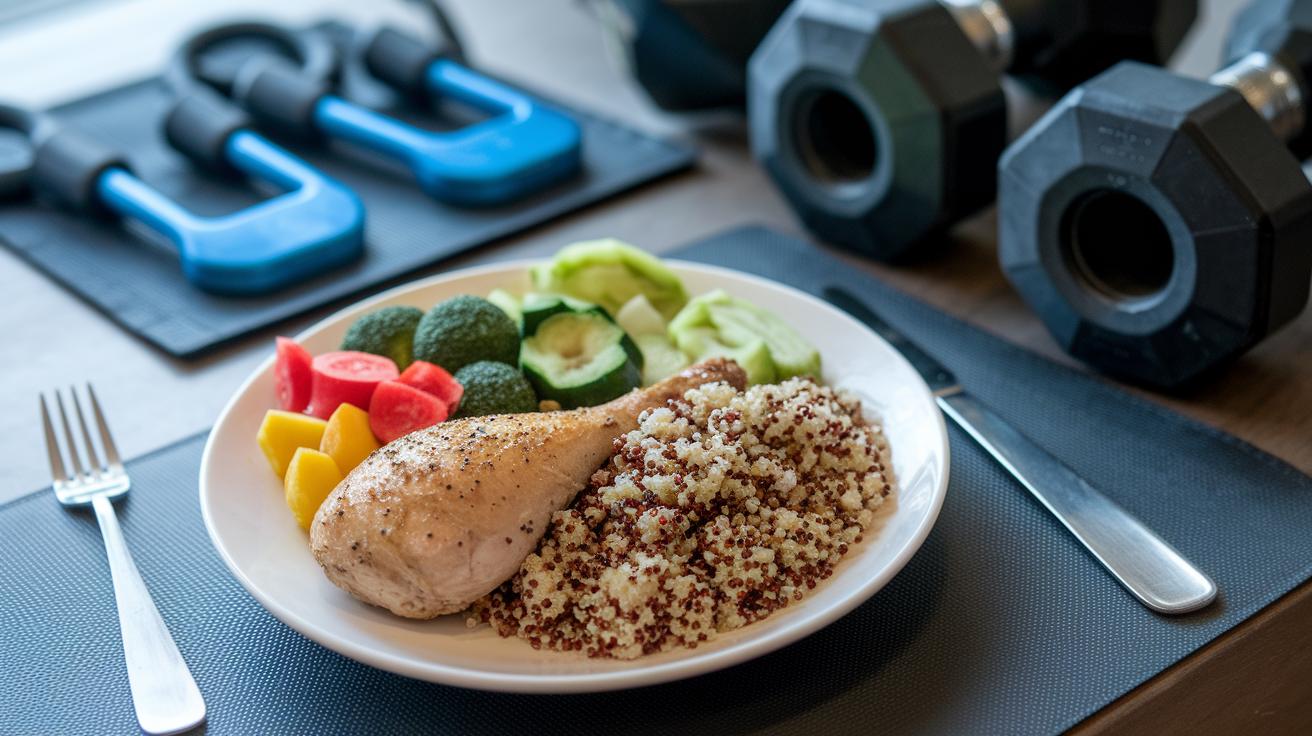
Getting the most out of your workouts means balancing carbohydrates, proteins, and healthy fats. Carbs are your fuel; during long sessions, you can absorb up to 90 grams per hour to keep you energized. Meanwhile, spreading your protein across 3 to 5 meals helps repair and build muscle, making every bite count.
Healthy fats, especially from unsaturated sources, do more than just add flavor, they support cell repair, keep hormones in balance, and give you a steady stream of energy. Think of them as the long-lasting spark that powers you through tough workouts.
| Macronutrient | Primary Role | Recommended Intake (%) |
|---|---|---|
| Carbohydrates | Fueling high-intensity & endurance activities | 50–65% |
| Protein | Muscle repair & synthesis | 15–25% |
| Fats | Support for cell repair & hormone balance | 20–30% |
Nutrient Timing and Meal Planning in Athlete Nutrition
Getting your timing right when fueling up can make all the difference in your performance. When you plan what and when you eat, you not only boost your energy but also help your muscles repair and work more efficiently. Here are four simple strategies to help power your training and competitions:
First, have a balanced carbohydrate and protein meal about 2–3 hours before you exercise. This combo fills up your glycogen stores (the energy reserve in your muscles), keeps you motivated, and even makes tough workouts feel a bit easier. Think of it as a mini-pre-workout snack that gives you steady energy before you start moving.
Next, during longer workouts or events that last over 60 minutes, aim to sip on 30–60 grams of mixed carbohydrates every hour. This practice keeps your blood sugar steady, ensuring your energy doesn’t drop when you need it most.
After you’re done exercising, within about half an hour, grab a snack that follows a 3:1 ratio of carbs to protein. This helps your body quickly restore its energy stores while also supporting muscle recovery and growth.
Lastly, practice your fueling routine while training to get your body used to it. This gut-training strategy can make a big difference by reducing the chances of digestive issues during competition when it matters most.
Hydration and Electrolyte Strategies for Athletic Nutrition
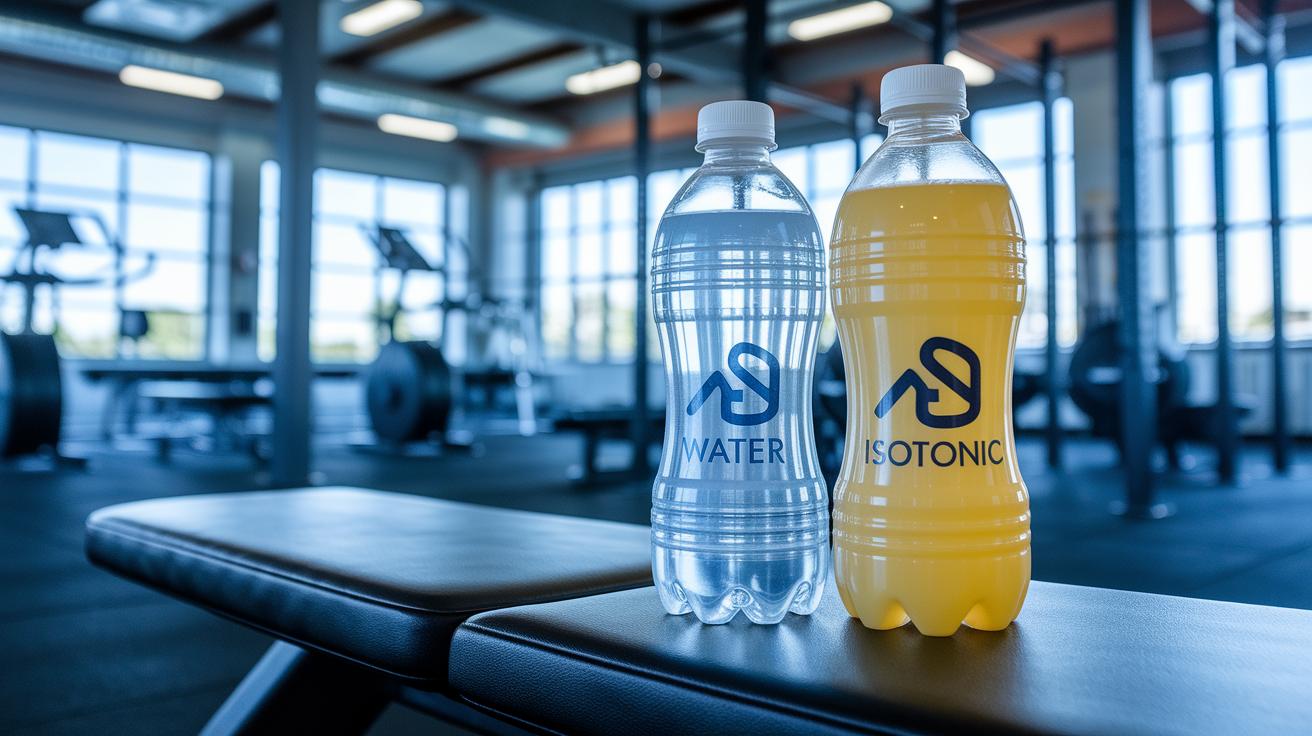
Even losing just 3–5% of your body’s fluids can make your brain and muscles work less efficiently, sometimes turning a good workout into a real struggle.
If your session is under an hour, plain water will usually do the job. But for longer workouts, a sports drink with sodium, potassium, and carbohydrates can help keep your electrolytes balanced and give you a boost.
Everyone sweats differently. To find out exactly how much water you lose, weigh yourself before and immediately after your workout. The difference between the two gives you a clear picture of your personal sweat rate. This simple trick lets you tailor your hydration so you’re ready to tackle endurance challenges and high-intensity sessions alike.
Recovery Nutrition: Post-Workout Foods for Athlete Performance
After a tough workout, giving your body the right fuel helps it bounce back fast. Try to include whole foods that balance carbs and protein in a 3:1 ratio. A glass of chocolate milk, for example, fits the bill perfectly. It not only helps repair muscles but also refuels your energy. Picture a bowl of Greek yogurt with fresh berries, the easy-to-digest carbs and muscle-building protein work together to support your recovery.
Mixing up a quick banana whey protein smoothie can also do wonders, ready in under 15 minutes. And if you prefer a warm meal, lean poultry with brown rice is a great combo to keep you energized while supporting muscle repair. Cottage cheese with pineapple offers a tasty, nutrient-packed snack that helps you feel full longer. For more ideas on whole-food recovery, check out what are whole foods.
These whole-food recovery recipes meet research-backed guidelines while delighting your palate with a mix of flavors and textures. Enjoying varied, natural foods after exercise not only benefits your body but also makes the recovery process a little more delicious.
Evidence-Based Supplementation in Sports Nutrition

Sometimes, even a balanced diet might not give an athlete all the nutrients needed for those grueling training days. In these cases, using targeted supplements can be a smart way to fill in the gaps without giving up whole foods. For example, many athletes turn to whey and casein protein powders to get that extra protein boost for muscle repair and growth, especially when workouts get intense. And superfoods like spirulina can add a dose of antioxidants to help keep fatigue at bay, while goji berries offer polyphenols that support energy levels and the immune system.
Before adding any supplement to your routine, it’s important to really look at what your body might be missing. Micronutrients like vitamin D (which helps your body absorb calcium) and iron (key for carrying oxygen in your blood) can boost performance, but only if you’re actually low in them, usually confirmed by a simple blood test. Jumping into supplements without this check might not only be unhelpful but could also miss the mark entirely.
By choosing supplements that are backed by solid evidence, athletes can safely make them a part of their overall nutrition plan. Each supplement is like a carefully chosen tool, working in harmony with natural foods to power intense training sessions and speed up recovery. In short, smart supplementation isn’t about replacing a balanced diet, it’s about fine-tuning it so every nutrient can help you perform at your best.
Sport-Specific Nutritional Strategies and Periodization for Athletes
When it comes to sports nutrition, one size does not fit all. Each sport calls for a unique approach to eating that helps you train hard, recover better, and perform at your peak. Matching your meals with your training phase can really boost your energy and help your body adjust. Here are five friendly strategies designed to meet different athletic needs:
-
Triathlete Energy Boost
For triathletes, aim to eat 7–10 grams of carbohydrates per kilogram of body weight each day. During long workouts, mix in different types of carbs so you can get up to 90 grams per hour. This steady fuel keeps your engine running no matter how many race segments you tackle. -
Endurance Runner Fuel Cycling
Endurance runners can experiment with cycling carbohydrate levels. On low-carb days, your body learns to use fat more efficiently, kind of like switching gears in a car during a long drive. This method improves metabolic efficiency and can help you run longer with sustained energy. -
Strength and Power Protein Timing
If you’re lifting weights or doing intense strength work, it helps to schedule protein intake. Have about 0.3 grams of protein per kilogram of body weight around your workout to support muscle building. Keeping your daily protein between 1.6–2.2 grams per kilogram gives your muscles the building blocks they need to recover and grow. -
Seasonal Periodization Planning
As training shifts from off-season to competition, your calorie needs may change too. Tweak your overall food intake and balance your macronutrients (carbs, proteins, and fats) to match your goals, whether it’s losing a bit of body weight or building more muscle. It’s like adjusting a recipe to suit the season! -
Strategic Meal Segmentation
Plan your meals to sync perfectly with when you train. This means thinking about what you eat before, during, and after your workouts. By doing so, you ensure your body gets the right nutrients at the right times, keeping energy levels steady and recovery on track.
Tailoring your nutrition to match your sport and training phase can make a big difference. With the right fuel, you might notice better endurance, quicker muscle repair, and overall improved performance. So, why not try adjusting your meal plan to fit the intensity and rhythm of your workouts?
Final Words
In the action, we've covered simple principles that fuel success, from balancing macronutrients like carbohydrates, protein, and healthy fats to strategic hydration and meal timing. We stressed recovery through the right food combos and practical supplementation choices. Tailoring sport-specific guidelines and planning your meals can boost performance. These nutritional strategies for athletes empower you to make healthy choices every day, leaving you energized and ready to take on your next challenge with confidence.
FAQ
What does a nutrition for athletes PDF include?
A nutrition for athletes PDF includes balanced meal plans, evidence-based macronutrient breakdown, hydration strategies, and recovery tips designed to support peak performance with practical, research-backed guidelines.
What are the best foods for athletic performance?
Best foods for athletic performance include whole grains, lean proteins, fruits, vegetables, and healthy fats that provide energy, support muscle repair, and sustain endurance during training and competition.
What are the five key aspects of nutrition for athletes?
The five key aspects include energy supply, muscle repair, hydration, recovery support, and hormone balance, which together optimize performance, boost strength, and promote overall athletic health.
What does a 7-day meal plan for athletes PDF offer?
A 7-day meal plan for athletes PDF offers detailed daily menus with balanced macronutrient ratios and practical food choices to maintain steady energy levels, support muscle recovery, and boost training performance.
What guidelines does a sports nutrition for young athletes PDF provide?
A sports nutrition for young athletes PDF provides age-appropriate meal plans, essential macronutrient needs, hydration tips, and practical strategies to promote safe growth and optimal sports performance.
How important is nutrition in sports performance?
Nutrition is important in sports performance because it fuels energy levels, supports muscle repair, and sustains endurance while aiding recovery and overall well-being during intense training sessions.
What foods work best for athletes during competition?
Foods that work best during competition include easily digestible carbohydrates, lean proteins, and electrolyte-rich options, all of which help sustain energy, maintain hydration, and support peak performance.
What defines a simple diet for athletes?
A simple diet for athletes focuses on whole, minimally processed foods providing balanced carbohydrates, proteins, and healthy fats, with clear meal planning to maintain consistent energy and recovery.
What are nutritional strategies and recommendations for athletes?
Nutritional strategies for athletes emphasize balanced macronutrient distribution, proper meal timing, strategic hydration, and recovery nutrition, all designed to fuel performance, boost muscle repair, and sustain endurance.
What is the 4-2-1 rule for athletes?
The 4-2-1 rule for athletes is a structured intake guideline that prioritizes macronutrient timing, dividing pre, during, and post-exercise nutrition to support a balanced energy distribution and effective recovery.