Nutritional Strategies For Gut Microbiome Optimization: Win

Have you ever stopped to wonder if the food on your plate could be the secret to a healthier life? It may seem a bit bold, but feeding your gut the right way can help your digestion and even brighten your mood.

Inside your belly, millions of friendly bacteria work hard every day. They need a blend of plant fibers, omega-3s (fats that help keep your heart and brain in shape), and other balanced nutrients to thrive.

In this article, we share simple nutritional tips that turn your everyday meals into tiny victories for your gut and overall well-being. Ready to give your gut a win?

Foundational Dietary Framework for Gut Microbiome Optimization

Our gut is home to about 200 types of bacteria that help us digest food, fight off bugs, and even lift our spirits. Research tells us that eating roughly 30 different plant foods each week can boost the variety of these tiny helpers, making a mixed diet key to a healthy gut. Think of dietary fiber from fruits, vegetables, nuts, and whole grains as premium fuel for these good bacteria. This fuel helps them produce short-chain fatty acids that keep your intestines running smoothly. Omega-3 fatty acids, found in foods like fish and certain seeds, also support your gut by helping maintain its barrier. And when you pair prebiotic foods (the nourishment for good bacteria) with probiotic ones (foods that add extra beneficial microbes), you create a strong, balanced ecosystem. On the other hand, too much sugar and processed food can upset this balance, leaving your gut less resilient.

But a healthy gut isn’t only about what you eat. Getting eight or more hours of sleep, moving around for about 30 minutes a day, and handling stress well all contribute to a gut environment where those helpful microbes can thrive. In short, tying together a fiber-rich, plant-based diet with solid lifestyle habits is like giving your body the ultimate support system. Every smart food choice and each healthy habit adds up to nurturing your gut and strengthening your overall wellness.

Leveraging Prebiotic Nutrition to Enhance Intestinal Flora Diversity
img-1.jpg

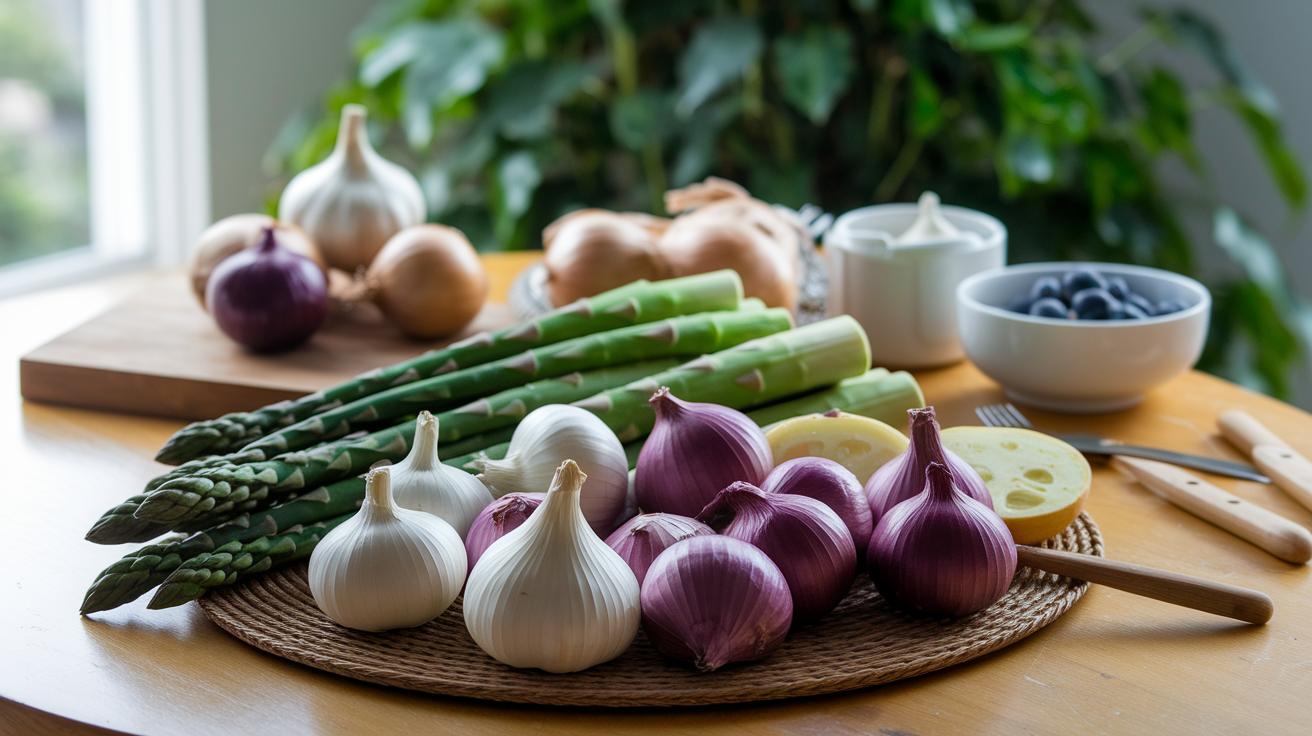
Prebiotics are a special type of fiber that feed the good bacteria in your gut, helping them flourish. They come in forms like inulin, fructooligosaccharides, and galactooligosaccharides, which support friendly microbes such as Bifidobacteria. These bacteria, in turn, help produce short-chain fatty acids that play a key role in keeping your digestive system running smoothly. Think of it as kicking your gut into high gear with targeted, nourishing fuel.

Food Prebiotic Fiber Type Content Notes
Garlic Fructooligosaccharides High in FOS (around 9.8 g/100 g) which supports Bifidobacteria
Onion Fructooligosaccharides Around 8.6 g/100 g FOS, offering a broad substrate for gut flora
Asparagus Inulin Approximately 2.8 g/100 g, boosting short-chain fatty acids
Jerusalem artichoke Inulin Rich in inulin (around 16 g/100 g) for a strong bifidogenic effect
Leeks Fructooligosaccharides Contain about 3.3 g/100 g FOS, a gentle, fermentable fiber
Oats Beta-glucan, resistant starch Offer roughly 4 g/100 g of soluble fiber, supporting butyrate production
Chickpeas Galactooligosaccharides A key source of GOS (around 1.5 g/100 g) that stimulates Bifidobacteria

Including these prebiotic-rich foods in your diet isn’t just about upping your fiber intake, it’s about smartly feeding your gut’s ecosystem. For instance, galactooligosaccharides from legumes work wonders by encouraging the growth of beneficial Bifidobacteria. Regularly adding a variety of these foods can create a well-balanced environment in your intestine, supporting overall digestive health. Ready to give your gut a boost?

Incorporating Probiotic Food Choices and Fermented Food Intake

Eating meals rich in probiotics is a simple way to boost the good bacteria in your gut. Foods like yogurt, kefir, kimchi, sauerkraut, and pickles deliver live cultures, friendly bacteria like Lactobacillus and Bifidobacterium, which help with digestion. Even a small serving, such as half a cup of yogurt or a tablespoon of kimchi, can make a difference. And when you eat these alongside your regular meals, they work better in your naturally active digestive system.

Combining these fermented foods with prebiotics, a strategy called symbiotic nutrition, can further encourage healthy bacteria growth. Kefir, for instance, not only keeps you refreshed but also increases the variety of good bacteria in your gut. This extra diversity has been linked to a more balanced and resilient digestive system. Enjoying these probiotic options with fiber-rich meals can maximize their benefits, leading to smoother digestion and overall gut health.

Integrating Whole Food Diets and Plant-Derived Nutrients for Microbial Diversity
img-2.jpg

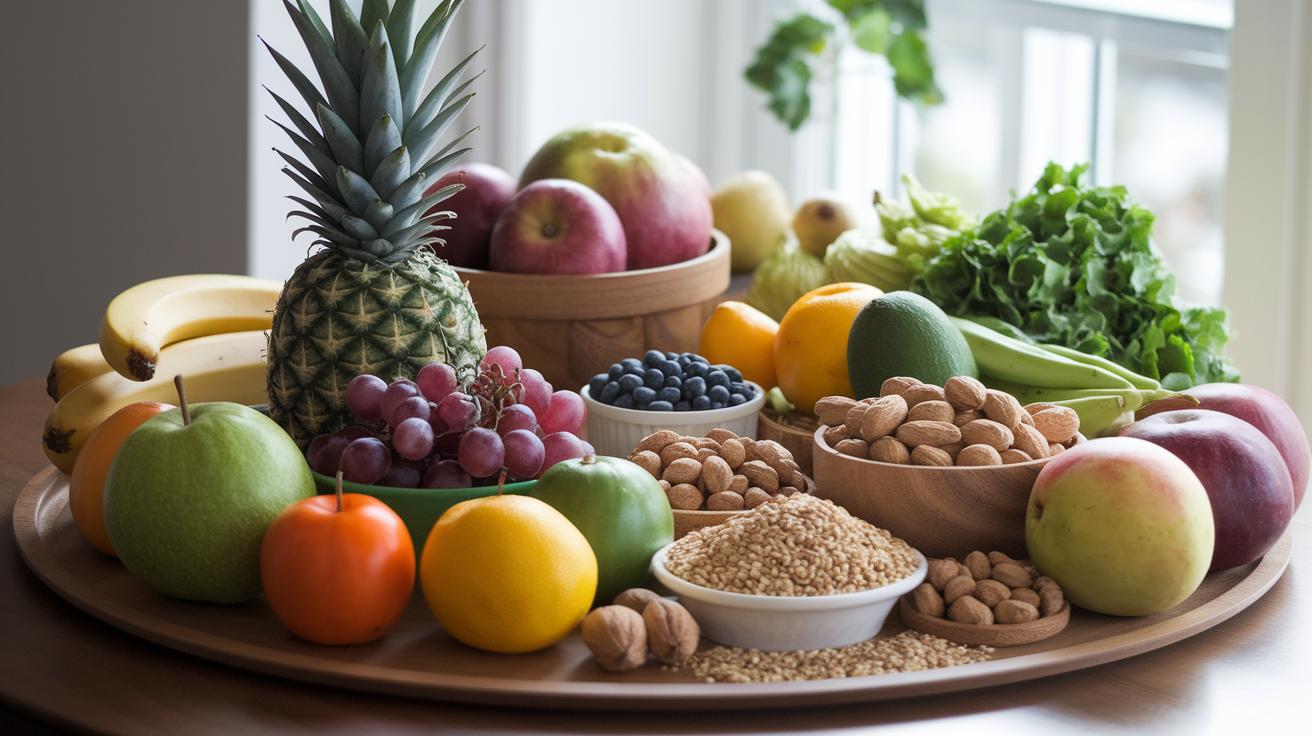
Eating a variety of whole foods like fruits, vegetables, nuts, seeds, and whole grains gives your gut a solid start. When you add about 25 to 30 different plant foods into your weekly routine, you're boosting the diversity of helpful gut microbes and keeping things balanced. It’s like giving your gut the perfect mix of fibers and natural compounds called polyphenols that feed the good bacteria and support your immune system. So, by planning meals that feature crisp greens, vibrant fruits, and hearty whole grains, you’re setting up your gut to work at its best.

Portion control is another smart strategy to consider. A small one-ounce handful of nuts, for example, delivers micronutrients and healthy fats that help maintain your gut's protective barrier, while a cup of leafy greens offers vital vitamins and fiber. Whole grains, rich in resistant starch, act as fuel for those butyrate-producing bacteria that are essential for a healthy digestive system. And adding polyphenol-packed choices like berries and dark leafy greens further enhances microbial diversity and helps lower inflammation in your gut. In short, by mindful planning and enjoying these well-balanced servings, you can make a real difference in supporting long-term gut health.

Anti-Inflammatory and Immune-Supportive Nutrition to Protect the Intestinal Barrier

Eating high-sugar, ultra-processed foods can set off gut inflammation and weaken your intestinal barrier. Instead, try swapping them for nutrient-rich options. For example, a bowl of salmon, which is packed with omega-3 fatty acids, can ease inflammation in your gut lining and support its overall health. Adding Vitamin D and zinc into your meals can further boost the tight junctions that keep your digestive system strong.

Recipes filled with anti-inflammatory ingredients make a big difference too. Take a turmeric smoothie, for example. It combines the natural benefits of curcumin with antioxidant-filled berries and soothing green tea. Together, these ingredients help lower markers of inflammation like CRP and give a boost to your immune system. Every spoonful works to nurture your body while protecting your gut's delicate balance.

By making digestion-friendly recipes a regular part of your meals, you’re actively caring for your intestinal barrier as well as your immune function. Focusing on nutrient-dense foods such as fatty fish, colorful fruits, and warming spices sets you up for a resilient digestive system. Each carefully prepared meal helps soothe inflammation and paves the way for a healthier gut and overall wellbeing.

Personalized Nutrition Plans and Monitoring Outcomes for Optimal Gut Health Enhancement

img-3.jpg

Getting your gut on track starts with a simple checkup of how things are working inside. You might use tests like stool microbiome panels or jot down notes on things like your bowel movements, energy levels, and any signs of inflammation. This first step helps you see where you’re starting from, making it easier to plan a diet that adds the right kinds of fiber, prebiotics, and probiotics to your meals.

Next, you work with your natural body clock by aligning meal times with your gut’s daily rhythms. Research now shows that when you eat, even the timing, can affect your digestion. Over time, you pay attention to how your body reacts – maybe you feel more energetic or notice changes in your digestion – and adjust your plan accordingly.

As you keep going, tracking what happens is key. Whether you or your healthcare provider keeps an eye on the changes, little tweaks to your fiber or live culture intake can really make a difference. This process of small, consistent changes helps create a long-term plan that grows with your needs and fits your overall wellness goals. In short, this personal approach not only boosts your understanding of gut health but also helps you maintain a balanced diet based on the latest research.

Final Words

In the action, we covered a range of nutritional practices that support gut health, from varied, fiber-rich whole foods to nurturing both prebiotic and probiotic sources. We explored how incorporating anti-inflammatory nutrients and balancing lifestyle factors can strengthen your intestinal barrier. Small changes matter, and applying these evidence-based nutritional strategies for gut microbiome optimization can help you move toward a balanced, healthier routine. Every step you take is a win, so keep embracing these practical tips with confidence.

FAQ

What does a healthy gut diet plan PDF include?

A healthy gut diet plan PDF outlines a balanced mix of fiber‐rich foods, probiotics, and healthy fats designed to nourish the gut microbiome and support overall digestive function.

What foods are considered the worst for gut health?

The worst foods for gut health are high‐sugar, highly processed items that can disrupt microbial balance and trigger inflammation, potentially leading to discomfort and reduced gut resilience.

What do gut health supplements offer?

Gut health supplements offer additional probiotics, enzymes, and essential nutrients that support microbial diversity and improve digestion and intestinal function.

How does diet influence the gut microbiome and human health?

Diet influences the gut microbiome by supplying diverse fibers, healthy fats, and bioactive compounds that boost beneficial bacteria, improve digestion, support immunity, and enhance overall well‐being.

How can I improve gut health naturally?

Improving gut health naturally means eating a variety of fiber‐rich, probiotic, and whole foods while also incorporating adequate sleep, regular exercise, and effective stress reduction strategies.

What are some of the top foods for gut health?

Top gut health foods feature a range of fruits, vegetables, whole grains, yogurt, kefir, legumes, and nuts that provide essential fibers, prebiotics, and probiotics to bolster microbial diversity.

How can one optimize, improve, or reset the gut microbiome through diet?

Optimizing the gut microbiome involves eating varied plant fibers, incorporating probiotics and prebiotics, and planning balanced meals, alongside lifestyle habits that promote a healthy digestive environment.

Have you ever stopped to wonder if the food on your plate could be the secret to a healthier life? It may seem a bit bold, but feeding your gut the right way can help your digestion and even brighten your mood.

Inside your belly, millions of friendly bacteria work hard every day. They need a blend of plant fibers, omega-3s (fats that help keep your heart and brain in shape), and other balanced nutrients to thrive.

In this article, we share simple nutritional tips that turn your everyday meals into tiny victories for your gut and overall well-being. Ready to give your gut a win?

Foundational Dietary Framework for Gut Microbiome Optimization

Our gut is home to about 200 types of bacteria that help us digest food, fight off bugs, and even lift our spirits. Research tells us that eating roughly 30 different plant foods each week can boost the variety of these tiny helpers, making a mixed diet key to a healthy gut. Think of dietary fiber from fruits, vegetables, nuts, and whole grains as premium fuel for these good bacteria. This fuel helps them produce short-chain fatty acids that keep your intestines running smoothly. Omega-3 fatty acids, found in foods like fish and certain seeds, also support your gut by helping maintain its barrier. And when you pair prebiotic foods (the nourishment for good bacteria) with probiotic ones (foods that add extra beneficial microbes), you create a strong, balanced ecosystem. On the other hand, too much sugar and processed food can upset this balance, leaving your gut less resilient.

But a healthy gut isn’t only about what you eat. Getting eight or more hours of sleep, moving around for about 30 minutes a day, and handling stress well all contribute to a gut environment where those helpful microbes can thrive. In short, tying together a fiber-rich, plant-based diet with solid lifestyle habits is like giving your body the ultimate support system. Every smart food choice and each healthy habit adds up to nurturing your gut and strengthening your overall wellness.

Leveraging Prebiotic Nutrition to Enhance Intestinal Flora Diversity

img-1.jpg

Prebiotics are a special type of fiber that feed the good bacteria in your gut, helping them flourish. They come in forms like inulin, fructooligosaccharides, and galactooligosaccharides, which support friendly microbes such as Bifidobacteria. These bacteria, in turn, help produce short-chain fatty acids that play a key role in keeping your digestive system running smoothly. Think of it as kicking your gut into high gear with targeted, nourishing fuel.

Food Prebiotic Fiber Type Content Notes
Garlic Fructooligosaccharides High in FOS (around 9.8 g/100 g) which supports Bifidobacteria
Onion Fructooligosaccharides Around 8.6 g/100 g FOS, offering a broad substrate for gut flora
Asparagus Inulin Approximately 2.8 g/100 g, boosting short-chain fatty acids
Jerusalem artichoke Inulin Rich in inulin (around 16 g/100 g) for a strong bifidogenic effect
Leeks Fructooligosaccharides Contain about 3.3 g/100 g FOS, a gentle, fermentable fiber
Oats Beta-glucan, resistant starch Offer roughly 4 g/100 g of soluble fiber, supporting butyrate production
Chickpeas Galactooligosaccharides A key source of GOS (around 1.5 g/100 g) that stimulates Bifidobacteria

Including these prebiotic-rich foods in your diet isn’t just about upping your fiber intake, it’s about smartly feeding your gut’s ecosystem. For instance, galactooligosaccharides from legumes work wonders by encouraging the growth of beneficial Bifidobacteria. Regularly adding a variety of these foods can create a well-balanced environment in your intestine, supporting overall digestive health. Ready to give your gut a boost?

Incorporating Probiotic Food Choices and Fermented Food Intake

Eating meals rich in probiotics is a simple way to boost the good bacteria in your gut. Foods like yogurt, kefir, kimchi, sauerkraut, and pickles deliver live cultures, friendly bacteria like Lactobacillus and Bifidobacterium, which help with digestion. Even a small serving, such as half a cup of yogurt or a tablespoon of kimchi, can make a difference. And when you eat these alongside your regular meals, they work better in your naturally active digestive system.

Combining these fermented foods with prebiotics, a strategy called symbiotic nutrition, can further encourage healthy bacteria growth. Kefir, for instance, not only keeps you refreshed but also increases the variety of good bacteria in your gut. This extra diversity has been linked to a more balanced and resilient digestive system. Enjoying these probiotic options with fiber-rich meals can maximize their benefits, leading to smoother digestion and overall gut health.

Integrating Whole Food Diets and Plant-Derived Nutrients for Microbial Diversity

img-2.jpg

Eating a variety of whole foods like fruits, vegetables, nuts, seeds, and whole grains gives your gut a solid start. When you add about 25 to 30 different plant foods into your weekly routine, you're boosting the diversity of helpful gut microbes and keeping things balanced. It’s like giving your gut the perfect mix of fibers and natural compounds called polyphenols that feed the good bacteria and support your immune system. So, by planning meals that feature crisp greens, vibrant fruits, and hearty whole grains, you’re setting up your gut to work at its best.

Portion control is another smart strategy to consider. A small one-ounce handful of nuts, for example, delivers micronutrients and healthy fats that help maintain your gut's protective barrier, while a cup of leafy greens offers vital vitamins and fiber. Whole grains, rich in resistant starch, act as fuel for those butyrate-producing bacteria that are essential for a healthy digestive system. And adding polyphenol-packed choices like berries and dark leafy greens further enhances microbial diversity and helps lower inflammation in your gut. In short, by mindful planning and enjoying these well-balanced servings, you can make a real difference in supporting long-term gut health.

Anti-Inflammatory and Immune-Supportive Nutrition to Protect the Intestinal Barrier

Eating high-sugar, ultra-processed foods can set off gut inflammation and weaken your intestinal barrier. Instead, try swapping them for nutrient-rich options. For example, a bowl of salmon, which is packed with omega-3 fatty acids, can ease inflammation in your gut lining and support its overall health. Adding Vitamin D and zinc into your meals can further boost the tight junctions that keep your digestive system strong.

Recipes filled with anti-inflammatory ingredients make a big difference too. Take a turmeric smoothie, for example. It combines the natural benefits of curcumin with antioxidant-filled berries and soothing green tea. Together, these ingredients help lower markers of inflammation like CRP and give a boost to your immune system. Every spoonful works to nurture your body while protecting your gut's delicate balance.

By making digestion-friendly recipes a regular part of your meals, you’re actively caring for your intestinal barrier as well as your immune function. Focusing on nutrient-dense foods such as fatty fish, colorful fruits, and warming spices sets you up for a resilient digestive system. Each carefully prepared meal helps soothe inflammation and paves the way for a healthier gut and overall wellbeing.

Personalized Nutrition Plans and Monitoring Outcomes for Optimal Gut Health Enhancement

img-3.jpg

Getting your gut on track starts with a simple checkup of how things are working inside. You might use tests like stool microbiome panels or jot down notes on things like your bowel movements, energy levels, and any signs of inflammation. This first step helps you see where you’re starting from, making it easier to plan a diet that adds the right kinds of fiber, prebiotics, and probiotics to your meals.

Next, you work with your natural body clock by aligning meal times with your gut’s daily rhythms. Research now shows that when you eat, even the timing, can affect your digestion. Over time, you pay attention to how your body reacts – maybe you feel more energetic or notice changes in your digestion – and adjust your plan accordingly.

As you keep going, tracking what happens is key. Whether you or your healthcare provider keeps an eye on the changes, little tweaks to your fiber or live culture intake can really make a difference. This process of small, consistent changes helps create a long-term plan that grows with your needs and fits your overall wellness goals. In short, this personal approach not only boosts your understanding of gut health but also helps you maintain a balanced diet based on the latest research.

Final Words

In the action, we covered a range of nutritional practices that support gut health, from varied, fiber-rich whole foods to nurturing both prebiotic and probiotic sources. We explored how incorporating anti-inflammatory nutrients and balancing lifestyle factors can strengthen your intestinal barrier. Small changes matter, and applying these evidence-based nutritional strategies for gut microbiome optimization can help you move toward a balanced, healthier routine. Every step you take is a win, so keep embracing these practical tips with confidence.

FAQ

What does a healthy gut diet plan PDF include?

A healthy gut diet plan PDF outlines a balanced mix of fiber‐rich foods, probiotics, and healthy fats designed to nourish the gut microbiome and support overall digestive function.

What foods are considered the worst for gut health?

The worst foods for gut health are high‐sugar, highly processed items that can disrupt microbial balance and trigger inflammation, potentially leading to discomfort and reduced gut resilience.

What do gut health supplements offer?

Gut health supplements offer additional probiotics, enzymes, and essential nutrients that support microbial diversity and improve digestion and intestinal function.

How does diet influence the gut microbiome and human health?

Diet influences the gut microbiome by supplying diverse fibers, healthy fats, and bioactive compounds that boost beneficial bacteria, improve digestion, support immunity, and enhance overall well‐being.

How can I improve gut health naturally?

Improving gut health naturally means eating a variety of fiber‐rich, probiotic, and whole foods while also incorporating adequate sleep, regular exercise, and effective stress reduction strategies.

What are some of the top foods for gut health?

Top gut health foods feature a range of fruits, vegetables, whole grains, yogurt, kefir, legumes, and nuts that provide essential fibers, prebiotics, and probiotics to bolster microbial diversity.

How can one optimize, improve, or reset the gut microbiome through diet?

Optimizing the gut microbiome involves eating varied plant fibers, incorporating probiotics and prebiotics, and planning balanced meals, alongside lifestyle habits that promote a healthy digestive environment.

More from author

LEAVE A REPLY

Please enter your comment!
Please enter your name here

Related posts

Advertismentspot_img

Latest posts

How To Create A Daily Wellness Routine: Thriving

Curious about how to create a daily wellness routine that transforms your mornings and days? Read on as secrets await…

2 Daily Wellness Drink Tips For Radiance

Experience a daily wellness drink with natural herbs, green ingredients, and clinical backing that might change your routine forever, stay tuned.

Daily Wellness: Elevate Your Everyday Vitality

Daily wellness transforms everyday routines into mindful adjustments, merging nutrition, movement, and restorative sleep. What unforeseen practice awaits you next?

Want to stay up to date with the latest news?

We would love to hear from you! Please fill in your details and we will stay in touch. It's that simple!