Nutritional Strategies To Combat Age-related Decline Thrive

Have you ever thought that what you eat could be your best tool for aging gracefully? Studies tell us that as we age, our muscles shrink by about 1% a year, and our strength might drop by roughly 3%.

This means that choosing wholesome foods, like lean proteins and fresh fruits and vegetables, can really help your body keep up its strength. Imagine biting into a crisp apple or enjoying a delicious piece of grilled chicken; every bite supports your muscles and boosts your energy.

In this post, we'll share easy, practical ways to build a nutritious diet that helps repair muscle, lifts your energy, and protects your overall well-being as you get older. Let’s explore how a few smart changes to your plate can make a big difference in how you feel every day.

By 2050, about one in six people will be over 65. As we age, it’s normal for muscle mass to drop roughly 1% every year and our strength to slip by about 3%. These changes can make everyday activities tougher and leave us more prone to chronic health issues. Good, targeted nutrition can help support muscle health and keep us feeling our best.

Programs like Eat Smart and Heart-Check Foods urge us to focus on balanced, nutrient-packed meals that include whole, unprocessed foods. Plus, approaches like Life’s Essential 8™ and Food System Strategy emphasize key steps such as managing weight, controlling stress, and embracing regular physical activity. Together, these tips can ease the load on your heart and keep your mind clear.

Simply put, the right foods act like a shield against the downsides of aging. A diet rich in quality proteins, plenty of fresh produce, and low-glycemic carbs helps boost muscle repair, steady your energy, and lower the risk of chronic conditions. In short, it’s a way to look after your body, mind, and overall well-being every day.

Macronutrient Optimization in Nutritional Strategies for Age Resilience
img-1.jpg

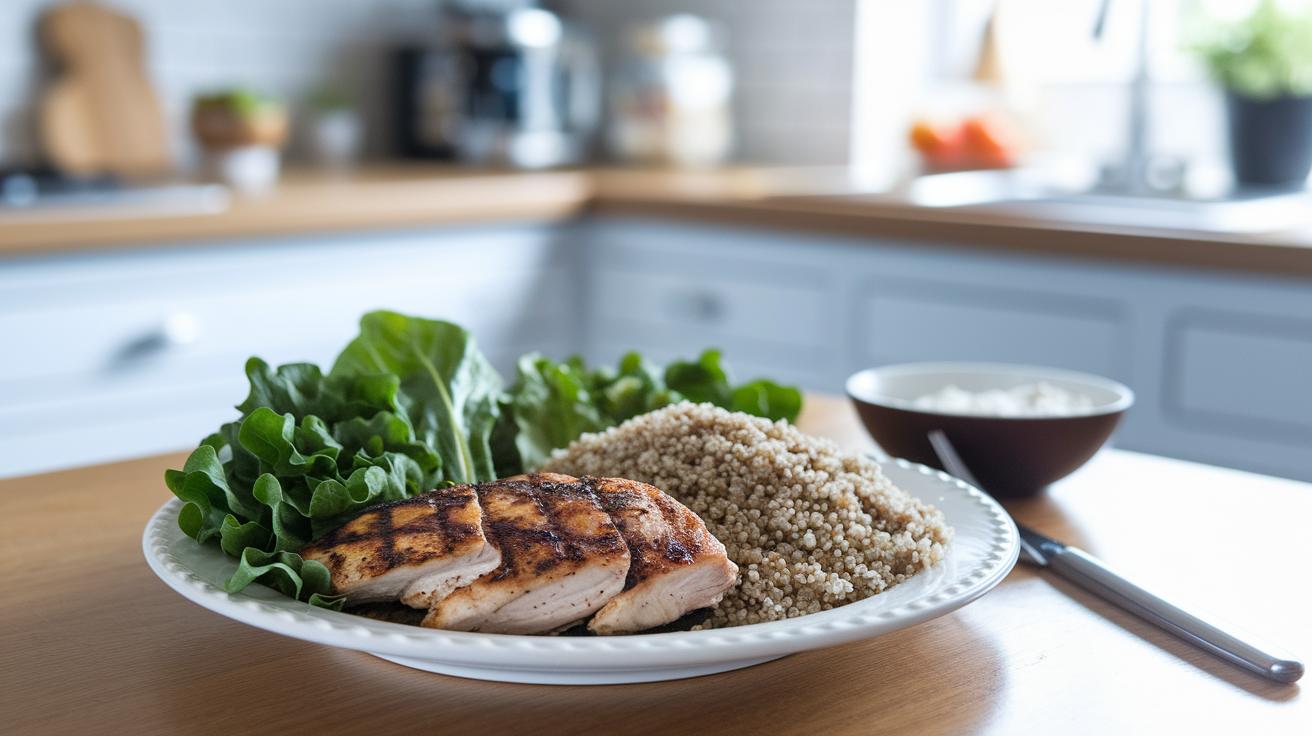
Eating enough protein is crucial as we age. Research shows that having about 20–30 grams of protein per meal (or roughly 0.25–0.4 grams per kilogram of body weight) helps build and repair muscles. This process, called muscle synthesis, is key to keeping your strength up, especially when you add in resistance exercises.

A little extra help from supplements like creatine monohydrate (3–5 grams per day) can boost your muscle energy stores by 10–20%. This means you might find it easier to power through high-intensity parts of your workout. And don’t forget about carbohydrates. Choosing the right types of carbs and timing them well can enhance your body’s energy levels and keep your workout effort feeling a bit lighter.

Macronutrient Recommended Intake Primary Benefit
Protein 20–30 g/meal Supports muscle building
Omega-3s 1–2 g/day EPA+DHA Reduces inflammation and aids recovery
Carbohydrates 40–50% of calories, low glycemic Provides steady energy and helps rebuild glycogen

Being mindful about your nutrition, balancing quality protein, anti-inflammatory omega-3 fats, and low-glycemic carbohydrates, creates a strong foundation for your overall health. This way, you're not just preserving muscle mass, but also supporting energy levels and managing your weight, making everyday activities easier as you age. By fine-tuning your macronutrient intake, you can better handle the natural changes of aging, keeping your body strong and resilient over time.

Micronutrient and Phytonutrient Tactics Within Age-Defying Nutrient Plans

Tiny nutrients in your food can pack a big punch when it comes to staying healthy as you age. Micronutrients, those little vitamins and minerals, and phytochemicals (plant compounds that help protect your cells) work together to fend off common age challenges. For example, a Mediterranean-style diet helps lower blood pressure, keep blood sugar steady, and ease joint pain. Imagine a daily serving of leafy greens acting like a natural defense against arthritis symptoms.

The MIND diet is another friendly option. It mixes elements of Mediterranean eating with DASH (a plan designed to lower blood pressure). This approach is all about filling your plate with antioxidant-rich fruits, vegetables, and whole grains that help counter damage in your brain. Ever thought of tossing a handful of berries into your snack mix? That simple change might be just what you need to support your brain health.

Omega-3 fatty acids, found in foods like fatty fish and walnuts, also make a difference. They can reduce the risk of cognitive decline by roughly 26%. These healthy fats help reduce inflammation and even aid recovery after exercise. And don’t forget about staying hydrated, a gentle reminder to sip water throughout the day can help ward off dehydration, which may lead to issues like confusion or even fractures in older adults.

B-vitamins give you an energy boost, while vitamin D (often called the sunshine vitamin) supports cell repair and keeps your mood in check. Adding a rainbow of fruits and vegetables to your meals can boost these benefits further. Imagine mixing in a vibrant salad with your dinner, not only does it brighten up your plate, it also loads your body with essential vitamins to help keep you strong and resilient.

Whole-Diet Nutrition Strategies: Whole Food Emphasis for Later Life and Plant-Powered Age Resilience
img-2.jpg

Recent studies show that choosing seasonal, nutrient-rich whole foods can boost your energy and help you stay strong as you grow older. For example, in the summer, try adding fresh tomatoes and cucumbers to your meals. These foods not only help you stay hydrated but also offer antioxidants to keep your body running smoothly. These fresh insights build on what we’ve known and bring practical tips right to your table.

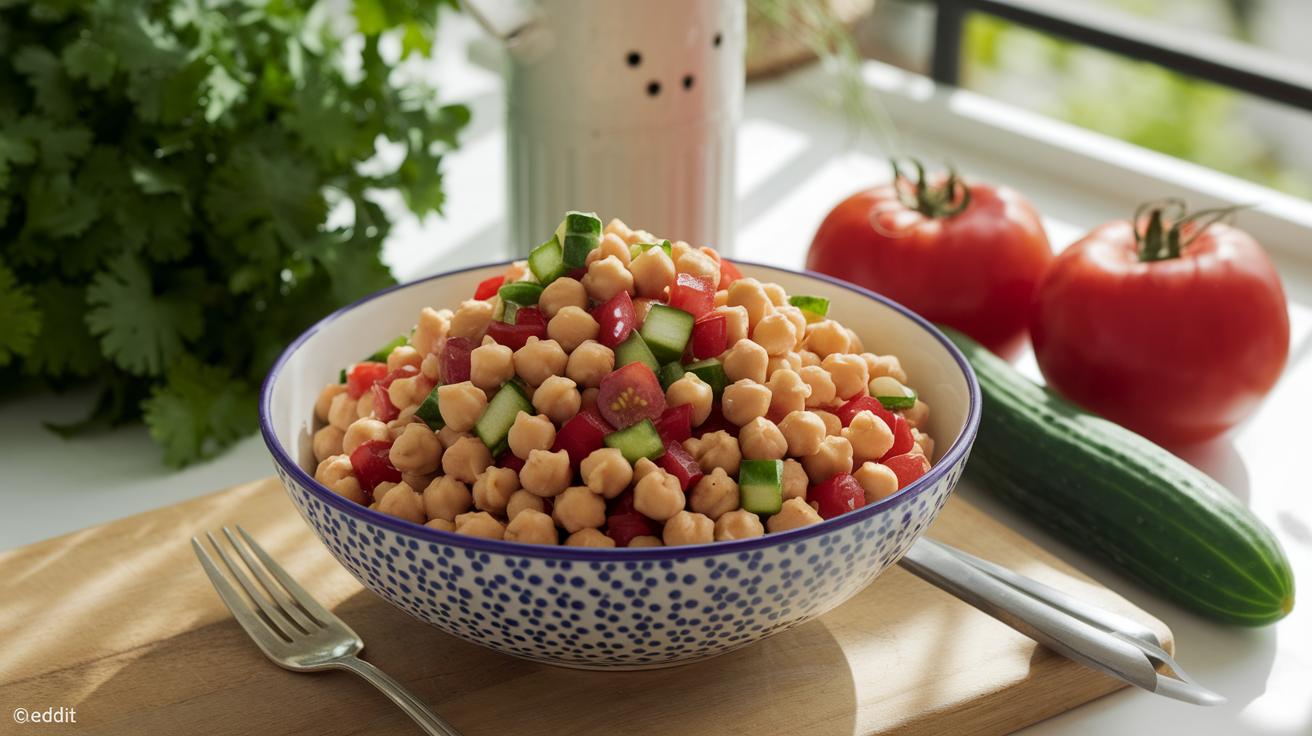
Research has also found that mixing different culinary traditions into your meals can increase your nutrient intake and make cooking feel like a creative adventure. One community program even introduced a Mediterranean chickpea salad, blending lean proteins, whole grains, and vibrant vegetables. People involved in the program reported feeling healthier and enjoying the process of preparing a balanced meal.

To make the whole-diet approach a regular habit, start planning your meals ahead of time. Think about designing your weekly menu around seasonal ingredients that naturally work well together, like pairing lean proteins with a colorful mix of vegetables. This strategy not only simplifies your meal decisions but also keeps your eating routine exciting and varied.

Evidence-based supplements can give your balanced diet an extra boost, helping you stay fit and sharp every day. For example, creatine monohydrate (a well-known supplement that fuels your muscles) taken at 3–5 g daily has been found to increase strength and exercise capacity by 10–20%. It really shines when paired with resistance exercises. And then there’s inorganic nitrate, administered at 6–12 mmol daily, which helps widen blood vessels (vasodilation) to improve performance. Researchers are still exploring all its benefits, especially for older women. Together with other nutrient-rich foods, these supplements support muscle retention and overall vitality.

Functional foods offer another layer of nutritional support for older adults. Probiotic and prebiotic foods help keep the gut and brain in sync while boosting nutrient absorption, a must since our digestion can slow down with age. Natural bioactives like curcumin and ginger deliver anti-inflammatory benefits to ease chronic inflammation, a common issue later in life. Plus, supplements high in choline and B-vitamins lend a hand in preserving memory and executive function. These elements work in unison to keep your metabolism resilient and responsive.

Adding functional algae, such as spirulina (check out its health benefits at https://healthyfax.com?p=638), brings a plant-powered kick that rounds out your protein and nutrient profile. Embracing these synergistic supplements and functional foods not only helps sharpen your physical performance but also forms a well-rounded strategy to counteract age-related decline.

Final Words

In the action, we broke down the science behind muscle preservation, brain health, and balanced diets.
Nutritional strategies to combat age-related decline were clearly mapped out, from optimizing proteins and omega-3s to embracing whole-food patterns.
We explored how key vitamins and functional foods work together with smart supplementation for a vibrant, active life.
Working these insights into daily habits can support overall well-being and help manage chronic conditions.
Here’s to taking confident, research-backed steps toward a healthier future.

FAQ

What are the nutritional strategies for healthy aging?

The nutritional strategies for healthy aging incorporate a balanced whole-food diet with sufficient protein, heart-check foods, and targeted micronutrients to support muscle, cognitive, and overall wellness.

What are possible solutions strategies that we can use to combat the issues of an aging population?

The solution strategies for an aging population include combining diet and lifestyle adjustments. Emphasizing nutrient-rich foods, hydration, active living, and resistance exercise helps counter age-related declines.

Which nutrient can help protect against the declines in cognitive function?

The nutrient that helps protect cognitive function is omega‑3 fatty acids. They support brain health by reducing inflammation and have been linked to lower risks of cognitive decline.

What are the nutritional advice you would suggest for old age people?

The nutritional advice for older adults is to opt for a whole-food based diet that includes quality protein, omega‑3s, fruits, vegetables, and sufficient hydration, combined with regular physical activity for maintaining health.

Have you ever thought that what you eat could be your best tool for aging gracefully? Studies tell us that as we age, our muscles shrink by about 1% a year, and our strength might drop by roughly 3%.

This means that choosing wholesome foods, like lean proteins and fresh fruits and vegetables, can really help your body keep up its strength. Imagine biting into a crisp apple or enjoying a delicious piece of grilled chicken; every bite supports your muscles and boosts your energy.

In this post, we'll share easy, practical ways to build a nutritious diet that helps repair muscle, lifts your energy, and protects your overall well-being as you get older. Let’s explore how a few smart changes to your plate can make a big difference in how you feel every day.

By 2050, about one in six people will be over 65. As we age, it’s normal for muscle mass to drop roughly 1% every year and our strength to slip by about 3%. These changes can make everyday activities tougher and leave us more prone to chronic health issues. Good, targeted nutrition can help support muscle health and keep us feeling our best.

Programs like Eat Smart and Heart-Check Foods urge us to focus on balanced, nutrient-packed meals that include whole, unprocessed foods. Plus, approaches like Life’s Essential 8™ and Food System Strategy emphasize key steps such as managing weight, controlling stress, and embracing regular physical activity. Together, these tips can ease the load on your heart and keep your mind clear.

Simply put, the right foods act like a shield against the downsides of aging. A diet rich in quality proteins, plenty of fresh produce, and low-glycemic carbs helps boost muscle repair, steady your energy, and lower the risk of chronic conditions. In short, it’s a way to look after your body, mind, and overall well-being every day.

Macronutrient Optimization in Nutritional Strategies for Age Resilience

img-1.jpg

Eating enough protein is crucial as we age. Research shows that having about 20–30 grams of protein per meal (or roughly 0.25–0.4 grams per kilogram of body weight) helps build and repair muscles. This process, called muscle synthesis, is key to keeping your strength up, especially when you add in resistance exercises.

A little extra help from supplements like creatine monohydrate (3–5 grams per day) can boost your muscle energy stores by 10–20%. This means you might find it easier to power through high-intensity parts of your workout. And don’t forget about carbohydrates. Choosing the right types of carbs and timing them well can enhance your body’s energy levels and keep your workout effort feeling a bit lighter.

Macronutrient Recommended Intake Primary Benefit
Protein 20–30 g/meal Supports muscle building
Omega-3s 1–2 g/day EPA+DHA Reduces inflammation and aids recovery
Carbohydrates 40–50% of calories, low glycemic Provides steady energy and helps rebuild glycogen

Being mindful about your nutrition, balancing quality protein, anti-inflammatory omega-3 fats, and low-glycemic carbohydrates, creates a strong foundation for your overall health. This way, you're not just preserving muscle mass, but also supporting energy levels and managing your weight, making everyday activities easier as you age. By fine-tuning your macronutrient intake, you can better handle the natural changes of aging, keeping your body strong and resilient over time.

Micronutrient and Phytonutrient Tactics Within Age-Defying Nutrient Plans

Tiny nutrients in your food can pack a big punch when it comes to staying healthy as you age. Micronutrients, those little vitamins and minerals, and phytochemicals (plant compounds that help protect your cells) work together to fend off common age challenges. For example, a Mediterranean-style diet helps lower blood pressure, keep blood sugar steady, and ease joint pain. Imagine a daily serving of leafy greens acting like a natural defense against arthritis symptoms.

The MIND diet is another friendly option. It mixes elements of Mediterranean eating with DASH (a plan designed to lower blood pressure). This approach is all about filling your plate with antioxidant-rich fruits, vegetables, and whole grains that help counter damage in your brain. Ever thought of tossing a handful of berries into your snack mix? That simple change might be just what you need to support your brain health.

Omega-3 fatty acids, found in foods like fatty fish and walnuts, also make a difference. They can reduce the risk of cognitive decline by roughly 26%. These healthy fats help reduce inflammation and even aid recovery after exercise. And don’t forget about staying hydrated, a gentle reminder to sip water throughout the day can help ward off dehydration, which may lead to issues like confusion or even fractures in older adults.

B-vitamins give you an energy boost, while vitamin D (often called the sunshine vitamin) supports cell repair and keeps your mood in check. Adding a rainbow of fruits and vegetables to your meals can boost these benefits further. Imagine mixing in a vibrant salad with your dinner, not only does it brighten up your plate, it also loads your body with essential vitamins to help keep you strong and resilient.

Whole-Diet Nutrition Strategies: Whole Food Emphasis for Later Life and Plant-Powered Age Resilience

img-2.jpg

Recent studies show that choosing seasonal, nutrient-rich whole foods can boost your energy and help you stay strong as you grow older. For example, in the summer, try adding fresh tomatoes and cucumbers to your meals. These foods not only help you stay hydrated but also offer antioxidants to keep your body running smoothly. These fresh insights build on what we’ve known and bring practical tips right to your table.

Research has also found that mixing different culinary traditions into your meals can increase your nutrient intake and make cooking feel like a creative adventure. One community program even introduced a Mediterranean chickpea salad, blending lean proteins, whole grains, and vibrant vegetables. People involved in the program reported feeling healthier and enjoying the process of preparing a balanced meal.

To make the whole-diet approach a regular habit, start planning your meals ahead of time. Think about designing your weekly menu around seasonal ingredients that naturally work well together, like pairing lean proteins with a colorful mix of vegetables. This strategy not only simplifies your meal decisions but also keeps your eating routine exciting and varied.

Evidence-based supplements can give your balanced diet an extra boost, helping you stay fit and sharp every day. For example, creatine monohydrate (a well-known supplement that fuels your muscles) taken at 3–5 g daily has been found to increase strength and exercise capacity by 10–20%. It really shines when paired with resistance exercises. And then there’s inorganic nitrate, administered at 6–12 mmol daily, which helps widen blood vessels (vasodilation) to improve performance. Researchers are still exploring all its benefits, especially for older women. Together with other nutrient-rich foods, these supplements support muscle retention and overall vitality.

Functional foods offer another layer of nutritional support for older adults. Probiotic and prebiotic foods help keep the gut and brain in sync while boosting nutrient absorption, a must since our digestion can slow down with age. Natural bioactives like curcumin and ginger deliver anti-inflammatory benefits to ease chronic inflammation, a common issue later in life. Plus, supplements high in choline and B-vitamins lend a hand in preserving memory and executive function. These elements work in unison to keep your metabolism resilient and responsive.

Adding functional algae, such as spirulina (check out its health benefits at https://healthyfax.com?p=638), brings a plant-powered kick that rounds out your protein and nutrient profile. Embracing these synergistic supplements and functional foods not only helps sharpen your physical performance but also forms a well-rounded strategy to counteract age-related decline.

Final Words

In the action, we broke down the science behind muscle preservation, brain health, and balanced diets.
Nutritional strategies to combat age-related decline were clearly mapped out, from optimizing proteins and omega-3s to embracing whole-food patterns.
We explored how key vitamins and functional foods work together with smart supplementation for a vibrant, active life.
Working these insights into daily habits can support overall well-being and help manage chronic conditions.
Here’s to taking confident, research-backed steps toward a healthier future.

FAQ

What are the nutritional strategies for healthy aging?

The nutritional strategies for healthy aging incorporate a balanced whole-food diet with sufficient protein, heart-check foods, and targeted micronutrients to support muscle, cognitive, and overall wellness.

What are possible solutions strategies that we can use to combat the issues of an aging population?

The solution strategies for an aging population include combining diet and lifestyle adjustments. Emphasizing nutrient-rich foods, hydration, active living, and resistance exercise helps counter age-related declines.

Which nutrient can help protect against the declines in cognitive function?

The nutrient that helps protect cognitive function is omega‑3 fatty acids. They support brain health by reducing inflammation and have been linked to lower risks of cognitive decline.

What are the nutritional advice you would suggest for old age people?

The nutritional advice for older adults is to opt for a whole-food based diet that includes quality protein, omega‑3s, fruits, vegetables, and sufficient hydration, combined with regular physical activity for maintaining health.

More from author

LEAVE A REPLY

Please enter your comment!
Please enter your name here

Related posts

Advertismentspot_img

Latest posts

How To Create A Daily Wellness Routine: Thriving

Curious about how to create a daily wellness routine that transforms your mornings and days? Read on as secrets await…

2 Daily Wellness Drink Tips For Radiance

Experience a daily wellness drink with natural herbs, green ingredients, and clinical backing that might change your routine forever, stay tuned.

Daily Wellness: Elevate Your Everyday Vitality

Daily wellness transforms everyday routines into mindful adjustments, merging nutrition, movement, and restorative sleep. What unforeseen practice awaits you next?

Want to stay up to date with the latest news?

We would love to hear from you! Please fill in your details and we will stay in touch. It's that simple!