Nail Health Chart: Embrace Lively Nail Signs

Have you ever noticed how your nails might be quietly sharing clues about your health?
A nail health chart makes checking your nails simple. It turns everyday observations into a clear picture of how you are doing inside. Each change in color or texture acts like a signal, giving you a hint that something might be shifting in your body.

By watching these little signs, you can catch early hints and make small changes to keep your body balanced. This friendly tool can show you when it might be time for a bit more care or a quick chat with your doctor.

Nail Health Chart: Embrace Lively Nail Signs

This chart is a simple, hands-on tool that invites you to take a close look at your nails. It turns your nails into a window into your overall health, almost like using a color-coded map to spot tiny changes early on.

Usually, healthy nails are smooth and evenly colored, with no spots or odd grooves. When your nails show a steady tone and consistent shape, it’s a sign that things are balanced. But if you start noticing changes, like different colors, unexpected ridges, or new grooves, these might be hints of issues like an iron shortage or even conditions such as psoriasis. For instance, if a groove appears where there wasn’t one before, it could be worth rethinking your diet or chatting with a healthcare provider.

By combining your everyday self-check with this friendly visual guide, you can easily compare your nails against these healthy standards. This practical approach helps you monitor changes over time and empowers you to catch early warning signs that might mean it's time for further check-ups.

Color Analysis: Nail Color Interpretation on the Chart
img-1.jpg

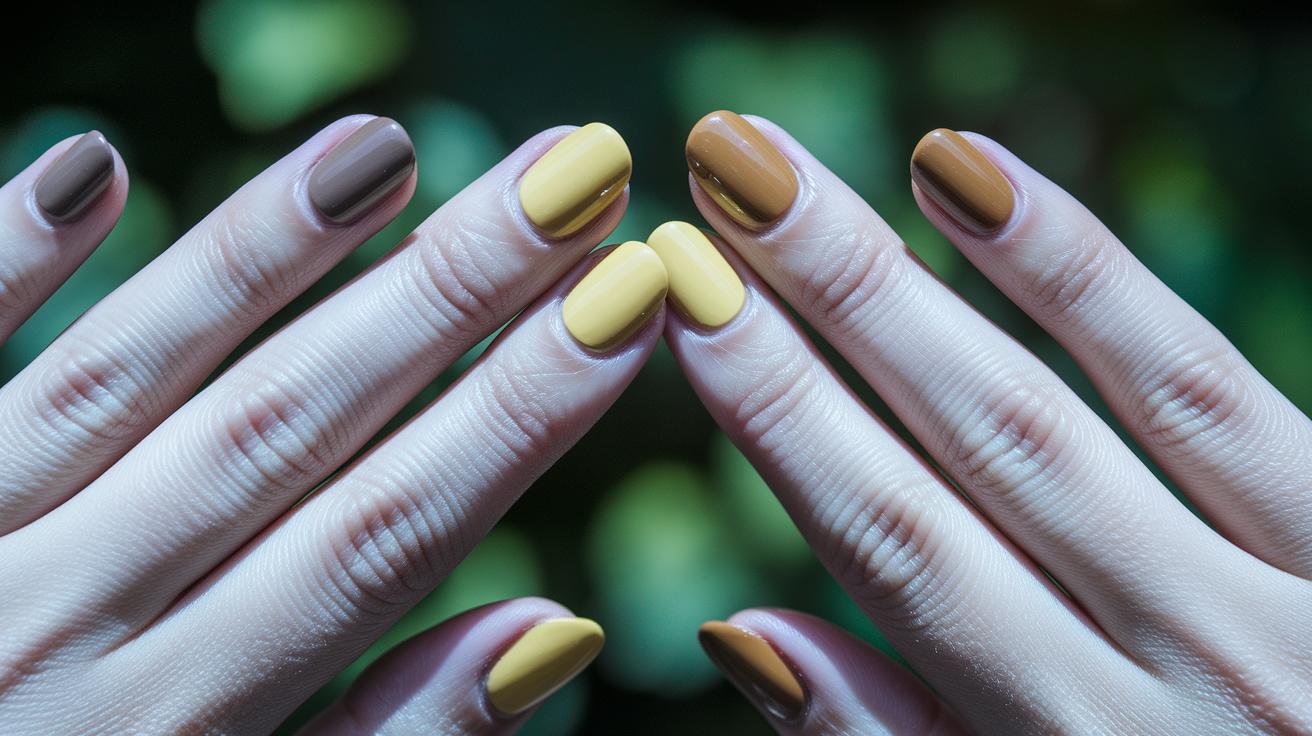
When you look at your nail health chart, each color tells a little story about what might be happening inside your body. It’s like getting a sneak peek at your overall health. Each shade on your nail offers a clue, for instance, a shift in color might be your body’s way of signaling that something needs attention.

  • Yellow nails can mean you might have a fungal issue or be reacting to nail products.
  • Brown or dark red streaks, known as splinter hemorrhages, often show up after an injury.
  • White spots, called punctate leukonychia, usually point to a zinc deficiency.
  • Spoon-shaped nails, or koilonychia, can be a sign that you’re low on iron.
  • Pale or blue nails might hint at circulation issues or low oxygen levels.
  • Other color changes could indicate a vitamin B12 deficiency.

Keep an eye on these color variations to catch subtle shifts. If you notice your nails turning yellow or showing unexpected streaks, it might be time to think about any new habits, perhaps a different nail product or changes in your diet. Paying attention now can help you spot early signs of minor issues before they grow into bigger concerns.

Structure & Surface: Texture and Shape Patterns in the Nail Chart

This section of the chart helps you take a close look at your nail structure. It shows how different nail textures can point to underlying issues. For example, if your nails become brittle and start to split (a condition called onychoschizia), it might be due to repeated cycles of wet and dry conditions. Nails that feel soft or weak could be from prolonged exposure to moisture or chemicals found in cleaning products and nail treatments. Vertical and horizontal ridges are normal signs of aging and are usually nothing to worry about if the nail color stays consistent. Even if you don't see the lunula (the little half-moon shape at the base), it is generally not serious.

Each picture in this guide is paired with easy tips for checking your nail surface and curvature. When you examine your nails, take a moment to compare what you notice with these images. Look out for splits, ridges, or unusual shapes. By regularly checking your nails with this guide, you can quickly catch small changes. If you come across any unexpected patterns, it might be a sign to rethink your routine or even chat with a healthcare provider.

Common Abnormalities: Diagnostic Sign Matrix on the Nail Health Chart
img-2.jpg

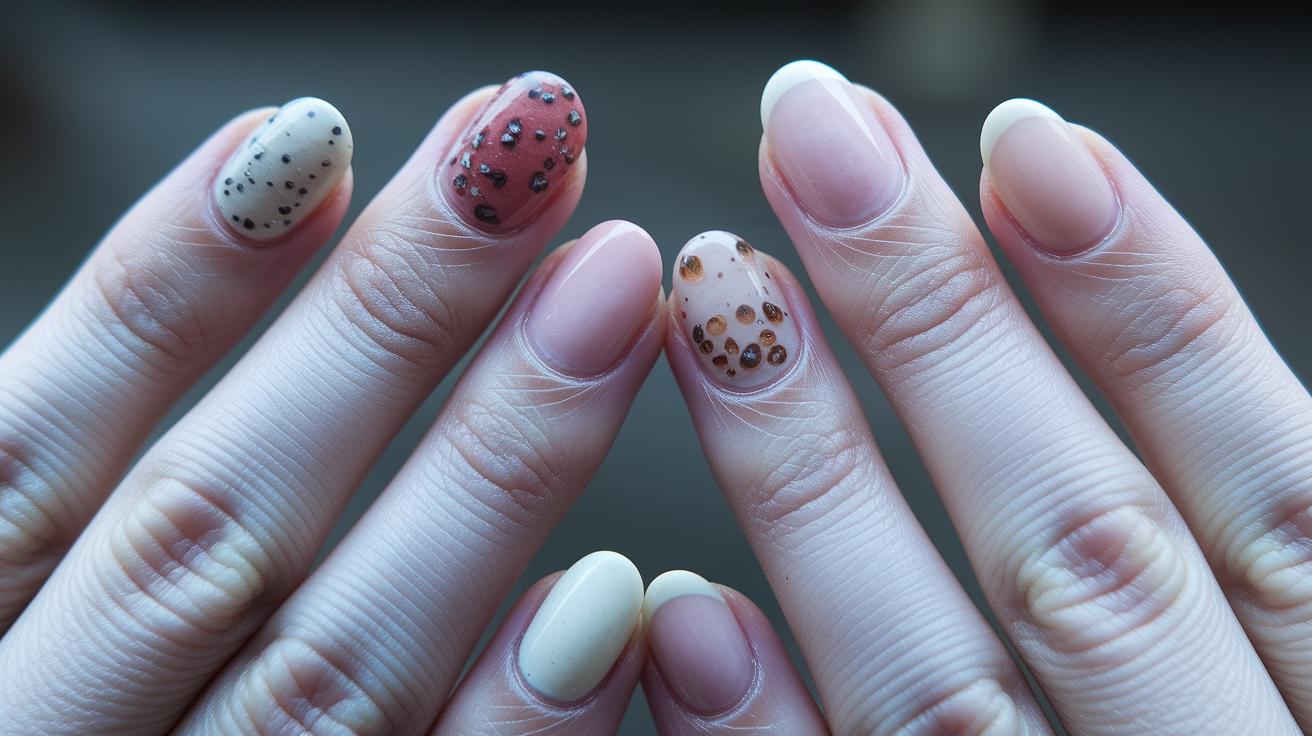
This guide is here to help you check your nails and catch any changes early on. You can compare what you see on your nails with the images in the chart to decide if it's time to get advice from a doctor. Think of it as a simple way to match what you observe with possible issues and steps you might take.

Condition Chart Visual Possible Cause Recommended Action
Nail psoriasis Image showing pitting and discoloration Inflammation seen in many psoriasis patients Consult a dermatologist
Onychoschizia Image of brittle, splitting nails Frequent cycles of wetting and drying Keep moisture in check and use moisturizers
Onychogryphosis Visual of thick, overgrown toenails Often seen in older individuals Have a podiatrist trim your nails professionally
Ingrown toenails Image showing nail edge curving into skin Results from cutting nails too short or natural nail shape Trim correctly and seek medical care if needed
Fungal infections Visual of discolored, crumbly nails Common infection, especially in toenails Use topical or oral antifungals
Onycholysis Image of the nail detaching from the skin Often linked to injury or exposure to harsh chemicals Protect the nail and treat the underlying cause
Paronychia Visual showing swollen nail fold Nail fold infection due to bacteria Treatment with antibiotics or draining the area
Subungual hematoma Image of a dark bruise under the nail Usually from trauma like stubbing your toe Relieve pressure through drainage if needed

Take a close look at your nails using this guide. Each visual sign is a gentle alert that something might be off. Keeping an eye on these changes can help you decide whether to adjust your nail care routine or seek further advice from a healthcare expert. Stay observant and take care of your nails, they’re part of your overall well-being.

Nutritional & Systemic Indicators: Deficiency and Disease Markers on the Nail Health Chart

You might notice different nail changes like spoon-shaped nails or white spots, which we cover elsewhere. Here’s something to keep in mind: if your nails turn brown or look pale, it could mean you’re low on vitamin B12 (this vitamin helps keep your nerves and blood cells healthy).

If you see these cues, it’s a good idea to take a closer look at your diet or chat with your doctor about getting a lab test to check for any imbalances.

Step-by-Step Self-Check Protocol Using the Nail Health Chart
img-3.jpg

Step 1: Get Your Nails Ready
First, make sure your nails are clean and dry. Give your hands a gentle wash with water that’s pleasantly warm, and remove any old polish or dirt. Once you’ve dried them thoroughly, check them in bright, natural light or under a good lamp so you can see every tiny detail, every little ridge, spot, and color change matters.

Step 2: Compare with the Chart
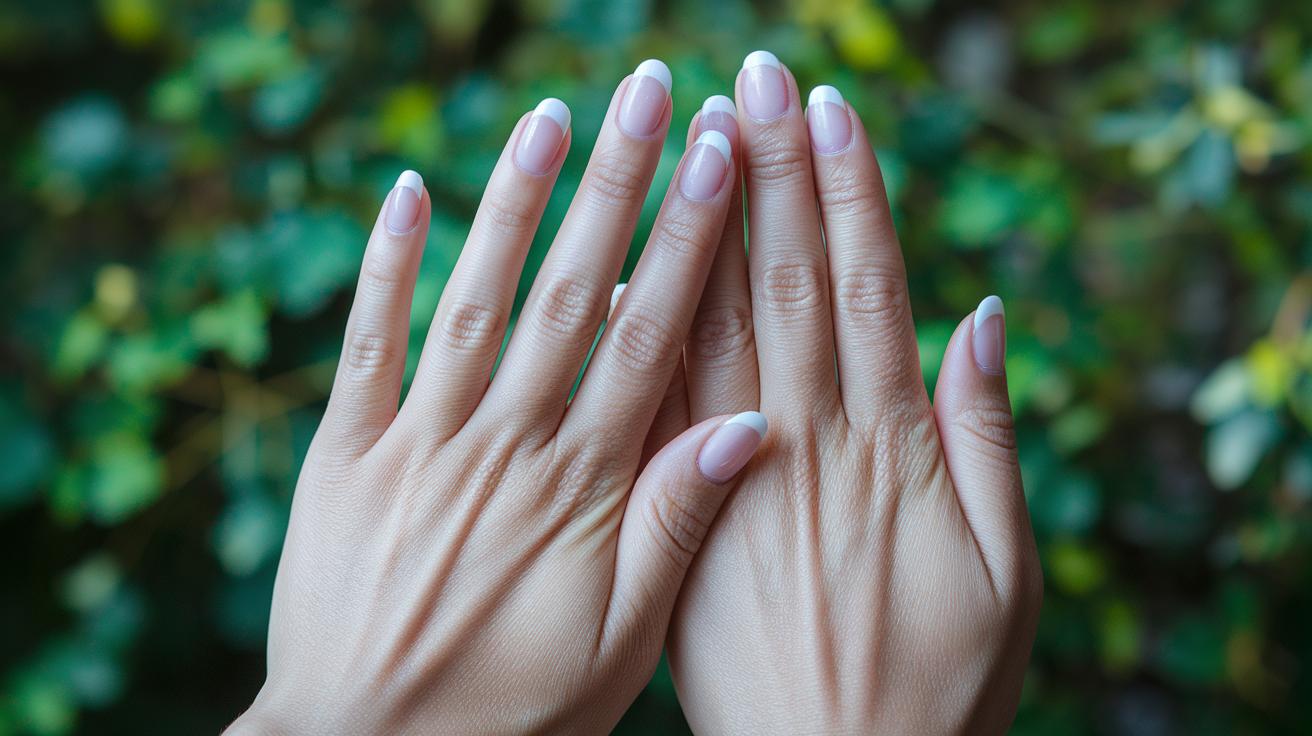
Now, take your nail health chart and place it right next to your hand. Align your nails with the visuals on the chart and look closely at texture, color, and shape. This side-by-side comparison helps you spot any small differences, like discoloration or unusual patterns. Notice if your nails are as smooth and uniform as the chart suggests; a stray mark or patch might be a sign that something’s off.

Step 3: Jot Down Your Findings
It’s a good idea to record what you see right away. Write the date and make a note of any symbols or details from the chart that match what you observed. Also, add any extra details like if your nails hurt or if the skin around them has changed. For instance, if you notice a bit of yellow, write it down and think about any recent changes in your diet or nail care products that might have contributed.

Step 4: Make Follow-Up Checks a Habit
Regular self-checks are key to keeping an eye on your nail health. Decide on a schedule, maybe every few weeks, to repeat this checkup. This way, you can track any improvements or note new changes. And if something seems persistent or unexpected, it might be time to discuss it with a healthcare provider.

When to Seek Professional Evaluation: Warning Signs from the Nail Health Chart

Notice if your nails start acting up, like darkening quickly, thickening, or even lifting off the nail bed. These aren’t just random changes; they could be your body’s way of saying something’s off. When your nails suddenly look oddly pitted or change color significantly, it might be more than a cosmetic concern.

At this point, chatting with a professional is key. Dermatologists and podiatrists can run simple lab tests, cultures, or even a biopsy to get to the bottom of the issue. They use trusted guidelines to decide if what you’re seeing needs prompt care or just a bit of monitoring. If your nail health chart shows any red signals, consider booking an outpatient consultation. This early check-up could help nip potential health problems in the bud before they become more serious.

Final Words

In the action, we explored a nail health chart that spells out what healthy nails look like and flags common signs to watch for. The post laid out how nail color, texture, and patterns could indicate nutritional or chronic issues, and even shared a self-assessment protocol.

We wrapped up by highlighting when professional advice might be needed. Using a nail health chart can empower you to make timely, informed decisions for balanced living. Stay positive and mindful every day.

FAQ

What do healthy fingernails look like compared to unhealthy ones?

Healthy nails are smooth, uniformly colored, and free of spots or grooves. Unhealthy nails might be brittle, discolored, or ridged, which can indicate nutrient issues or other underlying conditions.

How does an iron deficiency nail health chart help identify issues?

An iron deficiency nail health chart highlights signs like spoon-shaped nails to signal low iron levels. It provides a visual tool for a quick self-check of potential iron deficiencies and related health concerns.

What nail diseases are shown on the nail diseases chart?

The nail diseases chart includes images of conditions such as psoriasis, fungal infections, and ingrown toenails. It helps users recognize abnormal signs that may require professional assessment.

What signs in fingernails indicate vitamin deficiencies?

Fingernails showing white spots or unusual discolorations may suggest shortages in zinc, vitamin B12, or vitamin D. These changes call for a dietary review or lab tests to confirm nutrient imbalances.

What do heart failure nails look like?

Fingernails affected by heart failure often appear pale or develop a bluish tint, reflecting poor circulation or low oxygen levels. These changes can be early warning signs that need further medical evaluation.

What are the signs of B12 and vitamin D deficiencies in fingernails?

B12 deficiency may lead to abnormal discoloration in nails, while vitamin D shortages can cause thinning or brittle nails. These visual indicators suggest a need for nutritional review and possible medical follow-up.

Have you ever noticed how your nails might be quietly sharing clues about your health?
A nail health chart makes checking your nails simple. It turns everyday observations into a clear picture of how you are doing inside. Each change in color or texture acts like a signal, giving you a hint that something might be shifting in your body.

By watching these little signs, you can catch early hints and make small changes to keep your body balanced. This friendly tool can show you when it might be time for a bit more care or a quick chat with your doctor.

Nail Health Chart: Embrace Lively Nail Signs

This chart is a simple, hands-on tool that invites you to take a close look at your nails. It turns your nails into a window into your overall health, almost like using a color-coded map to spot tiny changes early on.

Usually, healthy nails are smooth and evenly colored, with no spots or odd grooves. When your nails show a steady tone and consistent shape, it’s a sign that things are balanced. But if you start noticing changes, like different colors, unexpected ridges, or new grooves, these might be hints of issues like an iron shortage or even conditions such as psoriasis. For instance, if a groove appears where there wasn’t one before, it could be worth rethinking your diet or chatting with a healthcare provider.

By combining your everyday self-check with this friendly visual guide, you can easily compare your nails against these healthy standards. This practical approach helps you monitor changes over time and empowers you to catch early warning signs that might mean it's time for further check-ups.

Color Analysis: Nail Color Interpretation on the Chart

img-1.jpg

When you look at your nail health chart, each color tells a little story about what might be happening inside your body. It’s like getting a sneak peek at your overall health. Each shade on your nail offers a clue, for instance, a shift in color might be your body’s way of signaling that something needs attention.

  • Yellow nails can mean you might have a fungal issue or be reacting to nail products.
  • Brown or dark red streaks, known as splinter hemorrhages, often show up after an injury.
  • White spots, called punctate leukonychia, usually point to a zinc deficiency.
  • Spoon-shaped nails, or koilonychia, can be a sign that you’re low on iron.
  • Pale or blue nails might hint at circulation issues or low oxygen levels.
  • Other color changes could indicate a vitamin B12 deficiency.

Keep an eye on these color variations to catch subtle shifts. If you notice your nails turning yellow or showing unexpected streaks, it might be time to think about any new habits, perhaps a different nail product or changes in your diet. Paying attention now can help you spot early signs of minor issues before they grow into bigger concerns.

Structure & Surface: Texture and Shape Patterns in the Nail Chart

This section of the chart helps you take a close look at your nail structure. It shows how different nail textures can point to underlying issues. For example, if your nails become brittle and start to split (a condition called onychoschizia), it might be due to repeated cycles of wet and dry conditions. Nails that feel soft or weak could be from prolonged exposure to moisture or chemicals found in cleaning products and nail treatments. Vertical and horizontal ridges are normal signs of aging and are usually nothing to worry about if the nail color stays consistent. Even if you don't see the lunula (the little half-moon shape at the base), it is generally not serious.

Each picture in this guide is paired with easy tips for checking your nail surface and curvature. When you examine your nails, take a moment to compare what you notice with these images. Look out for splits, ridges, or unusual shapes. By regularly checking your nails with this guide, you can quickly catch small changes. If you come across any unexpected patterns, it might be a sign to rethink your routine or even chat with a healthcare provider.

Common Abnormalities: Diagnostic Sign Matrix on the Nail Health Chart

img-2.jpg

This guide is here to help you check your nails and catch any changes early on. You can compare what you see on your nails with the images in the chart to decide if it's time to get advice from a doctor. Think of it as a simple way to match what you observe with possible issues and steps you might take.

Condition Chart Visual Possible Cause Recommended Action
Nail psoriasis Image showing pitting and discoloration Inflammation seen in many psoriasis patients Consult a dermatologist
Onychoschizia Image of brittle, splitting nails Frequent cycles of wetting and drying Keep moisture in check and use moisturizers
Onychogryphosis Visual of thick, overgrown toenails Often seen in older individuals Have a podiatrist trim your nails professionally
Ingrown toenails Image showing nail edge curving into skin Results from cutting nails too short or natural nail shape Trim correctly and seek medical care if needed
Fungal infections Visual of discolored, crumbly nails Common infection, especially in toenails Use topical or oral antifungals
Onycholysis Image of the nail detaching from the skin Often linked to injury or exposure to harsh chemicals Protect the nail and treat the underlying cause
Paronychia Visual showing swollen nail fold Nail fold infection due to bacteria Treatment with antibiotics or draining the area
Subungual hematoma Image of a dark bruise under the nail Usually from trauma like stubbing your toe Relieve pressure through drainage if needed

Take a close look at your nails using this guide. Each visual sign is a gentle alert that something might be off. Keeping an eye on these changes can help you decide whether to adjust your nail care routine or seek further advice from a healthcare expert. Stay observant and take care of your nails, they’re part of your overall well-being.

Nutritional & Systemic Indicators: Deficiency and Disease Markers on the Nail Health Chart

You might notice different nail changes like spoon-shaped nails or white spots, which we cover elsewhere. Here’s something to keep in mind: if your nails turn brown or look pale, it could mean you’re low on vitamin B12 (this vitamin helps keep your nerves and blood cells healthy).

If you see these cues, it’s a good idea to take a closer look at your diet or chat with your doctor about getting a lab test to check for any imbalances.

Step-by-Step Self-Check Protocol Using the Nail Health Chart

img-3.jpg

Step 1: Get Your Nails Ready
First, make sure your nails are clean and dry. Give your hands a gentle wash with water that’s pleasantly warm, and remove any old polish or dirt. Once you’ve dried them thoroughly, check them in bright, natural light or under a good lamp so you can see every tiny detail, every little ridge, spot, and color change matters.

Step 2: Compare with the Chart
Now, take your nail health chart and place it right next to your hand. Align your nails with the visuals on the chart and look closely at texture, color, and shape. This side-by-side comparison helps you spot any small differences, like discoloration or unusual patterns. Notice if your nails are as smooth and uniform as the chart suggests; a stray mark or patch might be a sign that something’s off.

Step 3: Jot Down Your Findings
It’s a good idea to record what you see right away. Write the date and make a note of any symbols or details from the chart that match what you observed. Also, add any extra details like if your nails hurt or if the skin around them has changed. For instance, if you notice a bit of yellow, write it down and think about any recent changes in your diet or nail care products that might have contributed.

Step 4: Make Follow-Up Checks a Habit
Regular self-checks are key to keeping an eye on your nail health. Decide on a schedule, maybe every few weeks, to repeat this checkup. This way, you can track any improvements or note new changes. And if something seems persistent or unexpected, it might be time to discuss it with a healthcare provider.

When to Seek Professional Evaluation: Warning Signs from the Nail Health Chart

Notice if your nails start acting up, like darkening quickly, thickening, or even lifting off the nail bed. These aren’t just random changes; they could be your body’s way of saying something’s off. When your nails suddenly look oddly pitted or change color significantly, it might be more than a cosmetic concern.

At this point, chatting with a professional is key. Dermatologists and podiatrists can run simple lab tests, cultures, or even a biopsy to get to the bottom of the issue. They use trusted guidelines to decide if what you’re seeing needs prompt care or just a bit of monitoring. If your nail health chart shows any red signals, consider booking an outpatient consultation. This early check-up could help nip potential health problems in the bud before they become more serious.

Final Words

In the action, we explored a nail health chart that spells out what healthy nails look like and flags common signs to watch for. The post laid out how nail color, texture, and patterns could indicate nutritional or chronic issues, and even shared a self-assessment protocol.

We wrapped up by highlighting when professional advice might be needed. Using a nail health chart can empower you to make timely, informed decisions for balanced living. Stay positive and mindful every day.

FAQ

What do healthy fingernails look like compared to unhealthy ones?

Healthy nails are smooth, uniformly colored, and free of spots or grooves. Unhealthy nails might be brittle, discolored, or ridged, which can indicate nutrient issues or other underlying conditions.

How does an iron deficiency nail health chart help identify issues?

An iron deficiency nail health chart highlights signs like spoon-shaped nails to signal low iron levels. It provides a visual tool for a quick self-check of potential iron deficiencies and related health concerns.

What nail diseases are shown on the nail diseases chart?

The nail diseases chart includes images of conditions such as psoriasis, fungal infections, and ingrown toenails. It helps users recognize abnormal signs that may require professional assessment.

What signs in fingernails indicate vitamin deficiencies?

Fingernails showing white spots or unusual discolorations may suggest shortages in zinc, vitamin B12, or vitamin D. These changes call for a dietary review or lab tests to confirm nutrient imbalances.

What do heart failure nails look like?

Fingernails affected by heart failure often appear pale or develop a bluish tint, reflecting poor circulation or low oxygen levels. These changes can be early warning signs that need further medical evaluation.

What are the signs of B12 and vitamin D deficiencies in fingernails?

B12 deficiency may lead to abnormal discoloration in nails, while vitamin D shortages can cause thinning or brittle nails. These visual indicators suggest a need for nutritional review and possible medical follow-up.

More from author

LEAVE A REPLY

Please enter your comment!
Please enter your name here

Related posts

Advertismentspot_img

Latest posts

How To Create A Daily Wellness Routine: Thriving

Curious about how to create a daily wellness routine that transforms your mornings and days? Read on as secrets await…

2 Daily Wellness Drink Tips For Radiance

Experience a daily wellness drink with natural herbs, green ingredients, and clinical backing that might change your routine forever, stay tuned.

Daily Wellness: Elevate Your Everyday Vitality

Daily wellness transforms everyday routines into mindful adjustments, merging nutrition, movement, and restorative sleep. What unforeseen practice awaits you next?

Want to stay up to date with the latest news?

We would love to hear from you! Please fill in your details and we will stay in touch. It's that simple!