Have you ever wondered if tiny organisms could change our daily lives? Biotechnology is making that possible by turning simple science into innovative solutions for health, farming, and a cleaner environment. Researchers mix careful lab work with creative ideas, using nature’s own processes to spot illnesses, boost crop growth, and even convert waste into fuel. In short, biotechnology is taking everyday research and transforming it into breakthroughs that tackle real-life challenges.
Bio Tech Explained: Foundations and Key Concepts
Biotechnology uses living organisms and natural processes, like growing cells and using enzymes, to tackle our everyday challenges. Simply put, researchers blend careful lab work with creative thinking to turn basic science into practical solutions for health, farming, industry, and protecting our environment. For example, today’s genetic tests help labs catch rare conditions early, transforming complex research into simple, life-saving screening tools.
In real-world applications, biotech really shines. In medicine, treatments such as cell-based therapies and genetic testing work together to diagnose and treat diseases, much like a chef skillfully bringing together ingredients for a delicious meal. In agriculture, techniques like marker-assisted selection help farmers boost their crop yields, similar to picking the best seeds for a hearty harvest. Industrially, microbes are used to convert plant waste into renewable biofuels, showcasing smart ways to reduce waste. And when it comes to our surroundings, engineered organisms naturally break down pollutants, keeping our air and water cleaner for the future.
Bio Tech Evolution: Major Milestones from 1800s to Today
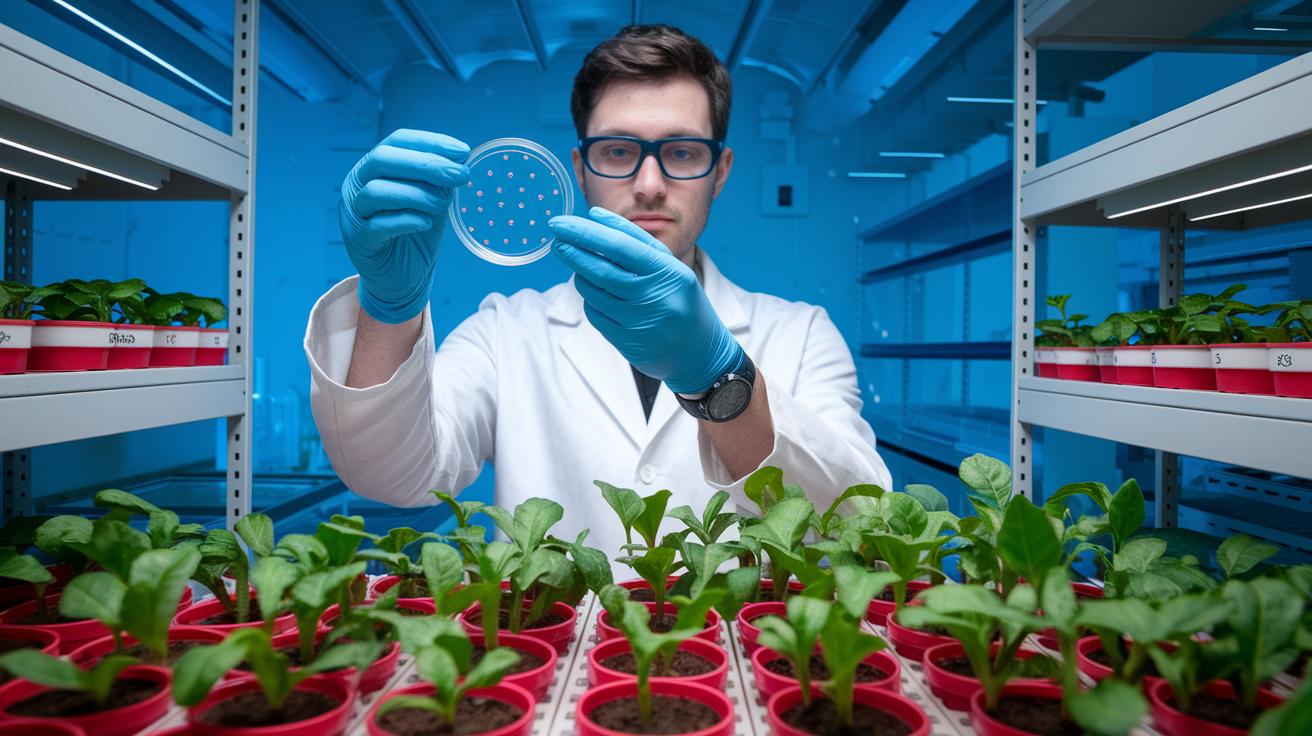
Long before the age of modern labs, people noticed nature's magic. Early experiments like watching food ferment and selecting the best plants or animals sparked a curious understanding of biology. Even without formal studies, these observations offered a glimpse into how natural processes work, laying the cornerstone for more advanced techniques later on.
| Year | Milestone |
|---|---|
| Before 1800 | Noticing fermentation in food and using selective breeding |
| 1860 | Pasteur’s discoveries about microbial fermentation |
| Late 19th–Mid-20th Century | Early vaccine work and growing use of microbes in processes |
| 1970s | Advent of recombinant DNA methods and modern precision tools |
The 1970s changed everything. This era saw the rise of recombinant DNA techniques, letting scientists mix and fine-tune genetic material with real precision. It wasn’t just about cool experiments; these advancements enabled the creation of biotech drugs and honed new molecular methods. Researchers could now explore genetic diseases and develop targeted therapies with a sharp focus on precision. All these breakthroughs built naturally on earlier ideas, opening the door for continued innovations in health, agriculture, industry, and preserving our environment.
Bio Tech Applications: Medical, Agricultural, Industrial, and Beyond
Biotechnology touches our lives in countless ways. In medicine, researchers are using genetic tests and cell therapies to spot and tackle diseases early, making treatments more personal. Over in agriculture, scientists are putting marker-assisted selection (a method where they pick the best genetic traits) and protein engineering to work so that crops grow stronger and faster. Industrial biotech is busy, too, it uses tiny microorganisms to produce biofuels and enzymes that make manufacturing cleaner and more efficient. And around the coastlines, marine biotech is on the rise with AI tools that help monitor and improve fish farming. Even food biotech is stepping up, using natural processes to keep food fresh and boost its nutritional value without relying on synthetic additives.
These fields might seem separate, but they all share a common goal: turning innovative science into everyday benefits. It’s like taking raw insights from nature and technology, then weaving them into solutions that support our health, farms, factories, and the environment.
| Field | What It Does |
|---|---|
| Medical Biotech | Uses genetic tests and cell therapies to detect and treat diseases early |
| Agricultural Biotech | Applies advanced breeding techniques and gene tweaks to boost crop yield |
| Industrial Biotech | Utilizes microorganisms to produce biofuels and enzymes for cleaner manufacturing |
| Marine Biotech | Employs AI and automation to fine-tune aquaculture practices |
| Food Biotech | Employs natural preservation and fermentation to enhance food quality |
Sometimes, these areas overlap, sparking innovative solutions that draw from different scientific worlds. And that blending of ideas means researchers can tackle challenges more holistically, enriching our everyday lives with practical and sustainable benefits.
Bio Tech Breakthroughs: Gene Editing, CRISPR, and Advanced Techniques
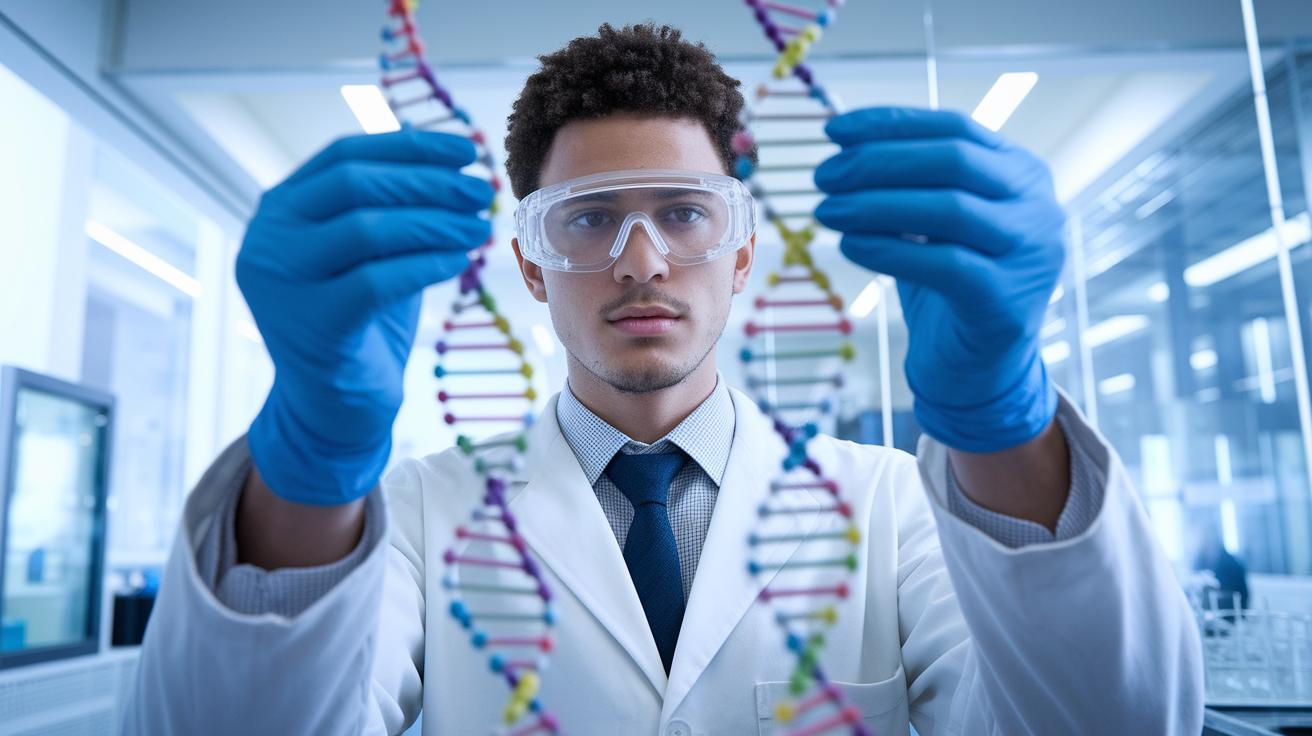
CRISPR-Cas9 burst onto the scene in 2012 and changed the game for gene editing, letting scientists target and adjust DNA with amazing precision. It’s a bit like using sharp scissors to snip out a typo in a long report, what once felt complex now seems within reach. Thanks to this innovation, genetic research has shifted from tackling impossible mutations to performing clear, manageable edits, opening the door to experiments we barely imagined a few years ago.
Biomedical innovation is speeding forward, with new drugs and therapies getting nods of approval. Take, for instance, Novartis’s new malaria treatment designed for newborns, a vivid example of how precise genetic insights can lead to life-saving solutions. At the same time, treatments ranging from psychedelic immunotherapy to GLP-1 drugs are showing potential in easing chronic conditions like diabetes and even stubborn depression. Imagine a day when treatments are fine-tuned to match your unique genetic makeup. These advances are pushing medicine toward personalized care, making treatments more targeted and efficient.
Advanced bioinformatics tools are also playing a key role by processing huge streams of genetic data and blending it with clinical knowledge. Think of a researcher working with a high-tech microscope that not only shows every cell detail but also interprets it instantly. This blend of cutting-edge software with traditional lab work is smoothing the journey from discovery to real-world treatment, helping scientific breakthroughs quickly reach those who need them most.
Bio Tech Industry Trends: Market Analysis and Investment Landscape
The biotech field is moving at an exciting clip, driven by a surge in investments and a growing global appetite for innovative healthcare solutions. Companies are blending careful research with smart business moves to create products that tackle tough health issues. Investors and industry leaders are teaming up, using advanced molecular techniques (modern methods that look at life on a tiny scale) to shift how we think about life sciences. For example, imagine a startup that lands vital funding right as breakthrough research hints at a promising new treatment, which stirs up energy in boardrooms around the world.
Big investment deals are reshaping this dynamic space. Take Renasant Bio, which recently raised $54.5 million to support a new therapy for kidney disease, a clear sign of how much money is fueling focused medical breakthroughs. Then there’s Merck, planning a $10 billion purchase of Verona Pharma, a company specializing in lung diseases. This move shows that even the biggest players are keen on targeting specific health challenges. These investments aren’t just helping established giants, they’re also clearing the way for fresh startups packed with creative ideas and new talent. Picture a young, eager biotech firm quickly turning promising lab results into treatments that can soon help people every day.
Yet, moving from the lab to large-scale production is no easy feat. Even with strong market growth, startups often struggle to turn early research breakthroughs into affordable, mass-produced therapies. The process involves navigating strict regulations, requiring top-tier technical know-how, and setting up state-of-the-art production facilities. This is where venture capital is a game changer. Investors not only provide the funds needed but also offer strategic guidance to bridge the gap between innovative ideas and ready-for-market solutions. In short, with smart support, pioneering science can make a real impact on global health.
Bio Tech Careers: Education, Skillsets, and Job Market Insights
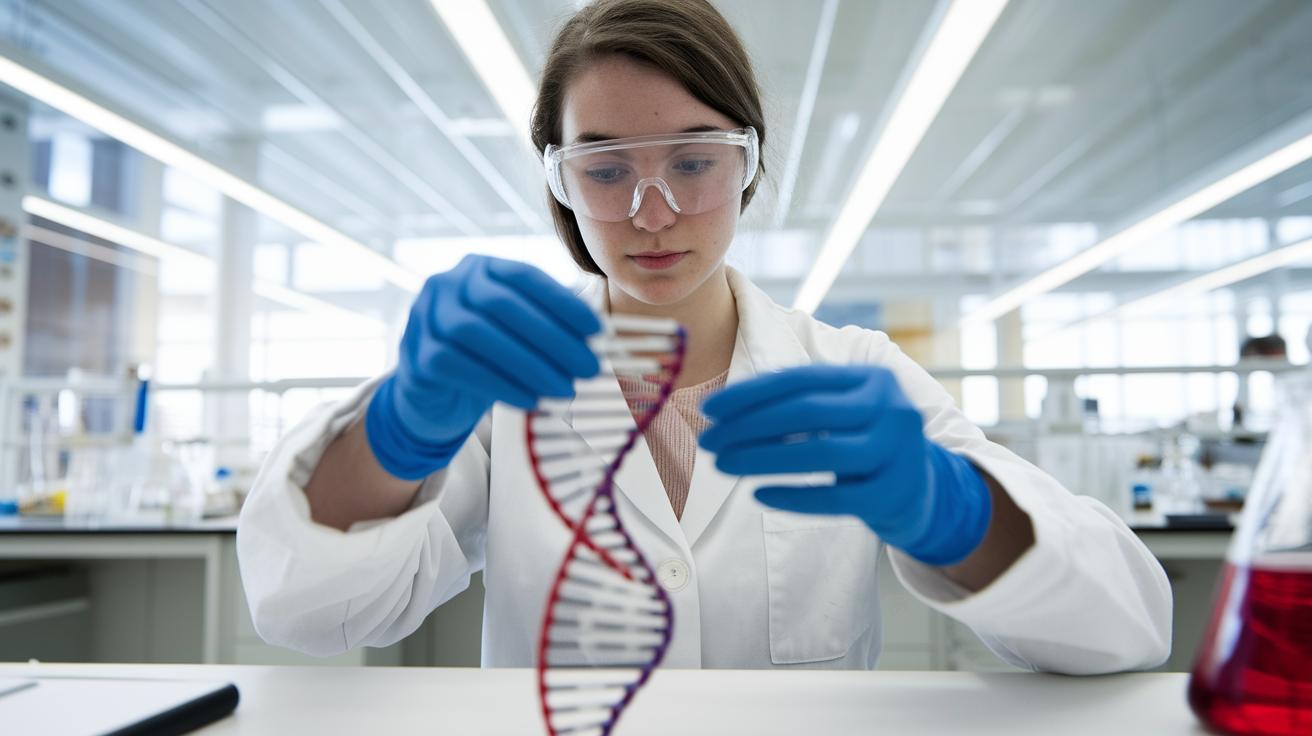
Biotechnology opens a world of exciting career options for anyone who loves science and technology. You might find yourself working as a research scientist, biomedical engineer, bioinformatics specialist, or quality control analyst. Most jobs require a bachelor’s degree in fields like biotechnology, bioengineering, or biostatistics. In these four-year programs, you’ll cover topics like molecular biology (the study of tiny cells and how they work) and biochemistry, plus you'll get plenty of hands-on lab practice. And if you're looking for a different route, areas such as health informatics or occupational therapy can also lead to a career in biosciences.
To really stand out in this competitive field, specialized skills are a must. Hands-on lab experience, the ability to analyze data carefully, and understanding genetic engineering (techniques to modify DNA) can make a big difference. Nowadays, online classes and certification programs offer flexible ways to build these skills. For instance, you can take digital courses that dive into detailed molecular research or explore innovative bioengineering techniques. These learning opportunities are great for both newcomers and seasoned experts who want to keep up with fast-changing science.
The biotech job market is growing along with new advancements. Emerging roles are starting to blend traditional research with modern data science, all in the name of creating better healthcare solutions. As biotech companies expand and update their research methods, streamlined educational programs combined with real-world lab expertise will help open the door to rewarding and dynamic careers.
Bio Tech Outlook: Ethical Challenges and Future Directions
Ethical issues in genomic research have sparked plenty of debates, especially around how transparent advisory panels really are. Experts are now asking if the people making vaccine decisions are fully honest about any personal ties that might sway their views. Meanwhile, new policy changes aim to safeguard scientific integrity while still welcoming fresh ideas. In short, we need clearer guidelines to cut bias and keep public trust strong as genetic studies keep advancing.
Eco-friendly bioengineered solutions are stepping in to make manufacturing processes greener. New systems are transforming old ways of making things by using engineered biological products. Bio-remediation techniques also show real promise in cleaning up polluted areas and cutting down harmful contaminants. This fresh approach not only modernizes how we work but also boosts the health of our environment by turning scientific breakthroughs into everyday green solutions.
Looking ahead, biotechnology seems set to impact our health, industries, and our planet in big ways. Imagine longer, healthier lives, revamped production methods, and cleaner ecosystems. With a solid mix of ethical oversight and respect for nature, the future of biotech promises a smart blend of innovation and environmental care.
Final Words
In the action, we explored bio tech foundations, key historical milestones, and practical applications in healthcare, agriculture, industry, and beyond. We touched on breakthrough research, emerging therapies, and dynamic market trends, while also considering job market insights and ethical challenges. This overview highlights how bio tech influences daily living by merging advanced research with everyday wellness solutions. Keep your optimism high as you see these advances shaping not just our industries, but our lives, inspiring balanced living and healthier futures.
FAQ
What does biotech do?
The question about what biotech does means biotechnology uses living organisms and biological processes to improve health, agriculture, industry, and environmental management through innovative products and techniques.
What are some examples of biotechnology?
The question regarding examples of biotechnology means applications include genetic testing in medicine, engineered crops for better yield, microbial production of biofuels, and natural solutions for environmental cleanup.
What bio tech courses and degrees are available?
The question about bio tech courses and degrees means educational paths cover topics like molecular biology, biochemistry, biomedical engineering, and bioinformatics to prepare students for diverse scientific roles.
Do biotech jobs pay well?
The question on whether biotech jobs pay well means many positions offer competitive pay, particularly in specialized roles such as research science, biomedical engineering, and bioinformatics, depending on experience and location.
What is the difference between bio tech products and bio tech vitamins like vitamin D3?
The question comparing bio tech products to bio tech vitamins means products span medical devices and therapies, while bio tech vitamins like D3 are specialized formulations designed to support improved health benefits.
How is biomedical engineering related to biotechnology?
The question linking biomedical engineering with biotechnology means this field combines engineering principles with biology to design medical devices and solutions, making it an essential branch of biotech.
What fields are connected to biotechnology?
The question about fields related to biotechnology means areas such as biochemistry, microbiology, bioinformatics, biology, and chemistry work together to advance innovations in science and health.