Have you ever thought that faster research might change the way we get better? New studies are showing that quicker checks let patients try new treatments sooner, kind of like handing off a relay baton smoothly until you cross the finish line.
Today, medical research is giving us treatments that are not only safer but also make the overall care process smoother. It’s like a breath of fresh air in hospitals and clinics everywhere.
In this post, we’re taking a look at how these new studies are shaking up traditional medicine. They’re paving the way for a future where modern technology works hand in hand with care to truly improve lives.
Validated Breakthrough Studies Driving Medical Innovation
Rapid clinical validation is super important, it helps move new healthcare solutions safely from the lab to everyday treatment. When studies confirm that a new therapy works well and is safe, it not only reassures patients but also fuels more innovation. Many of these breakthroughs are tested with strict protocols, so they reliably meet modern standards.
When validation happens quickly, there’s less waiting between research and care. This speedy process means that patients get newer treatments faster and healthcare systems run smoother. It’s like a win-win for everyone involved.
Here's a look at some of the latest validated breakthroughs:
- FluMist by AstraZeneca: A needle-free nasal spray approved in September for kids and adults aged 2–49, set to launch next fall.
- AI medical scribes: Early studies show these tools reduce a doctor’s documentation time by up to 30%, making daily routines more efficient.
- AirPods Pro 2 hearing aid software: Now cleared for over-the-counter use as a clinical-grade hearing aid and available for $249.
- Suzetrigine (Vertex): Demonstrated steady pain relief in Phase II trials for non-opioid pain management after more than 20 years of research.
Each of these breakthroughs brings quicker, safer treatment to patients. With more efficient systems, doctors get more time for real human connection, and technology that has been carefully tested supports better outcomes. In short, these advances set new benchmarks in medical research and push the boundaries of digital health innovation.
Revolutionary Biotech Discoveries in Medical Innovation

Biotechnology is shaking up medicine by taking breakthrough lab discoveries and turning them into real treatments. Recent advances in gene therapy, protein structure prediction, and new ways to deliver drugs are making care more personalized and effective.
Gene Therapy Hearing Restoration
Imagine an 11-year-old who regained hearing in just 30 days. That’s what happened with a gene therapy treatment from Akouos. By tweaking specific genes, this approach quickly reversed hearing loss, offering a fresh ray of hope for those who had very few options before.
AI-Driven Protein Structure Prediction
DeepMind’s AlphaFold 3 now predicts protein shapes in just minutes, sorting through hundreds of millions of proteins. This fast process helps scientists pinpoint where new drugs might work best, paving the way for treatments that are both quicker and more precise.
Vesicle-Based Drug Delivery
A clever technique uses tiny vesicles derived from red blood cells to deliver the drug tPA. By slowly releasing the medication, it stays effective for longer and cuts down bleeding risks in blood vessel issues. Think of it like a steady, controlled release that keeps the treatment right on track.
These innovations blend smart technology with biology, moving us toward a future where patient care is as dynamic and unique as each individual.
Cutting-Edge Clinical Trial Evaluations in Medical Innovation
The Lenacapavir PREP trial is a great example of modern clinical research done right. It was a carefully planned study, set up in multiple centers with a randomly assigned method and a comparison against a placebo. One part of the study showed 100% success, and a follow-up hit 96%, all with a twice-a-year treatment. These impressive results give us hope that new treatments can quickly move from the research lab to real-life use while keeping safety and effectiveness in mind.
Researchers are also exploring smart, flexible trial designs. These studies adjust their goals and even the treatment doses as new data comes in. Using techniques from both Bayesian and frequentist statistics (which are just different ways of interpreting data), they can cut trial times by 20–30%. This method lets scientists change parts of the study on the fly, making it easier to handle surprises and save both time and resources. For a clearer picture of these research phases, you can check out this link: clinical trial phases.
Comparing these approaches shows that each has its own strong points. The Lenacapavir PREP trial, for example, benefits from fixed goals that give clear, easy-to-read results. In contrast, adaptive designs are more nimble, letting researchers make quick decisions as new information comes in. In short, combining strict controls with the ability to adjust on the go is a key ingredient in pushing modern clinical research forward.
Next-Generation Imaging Techniques in Medical Innovation
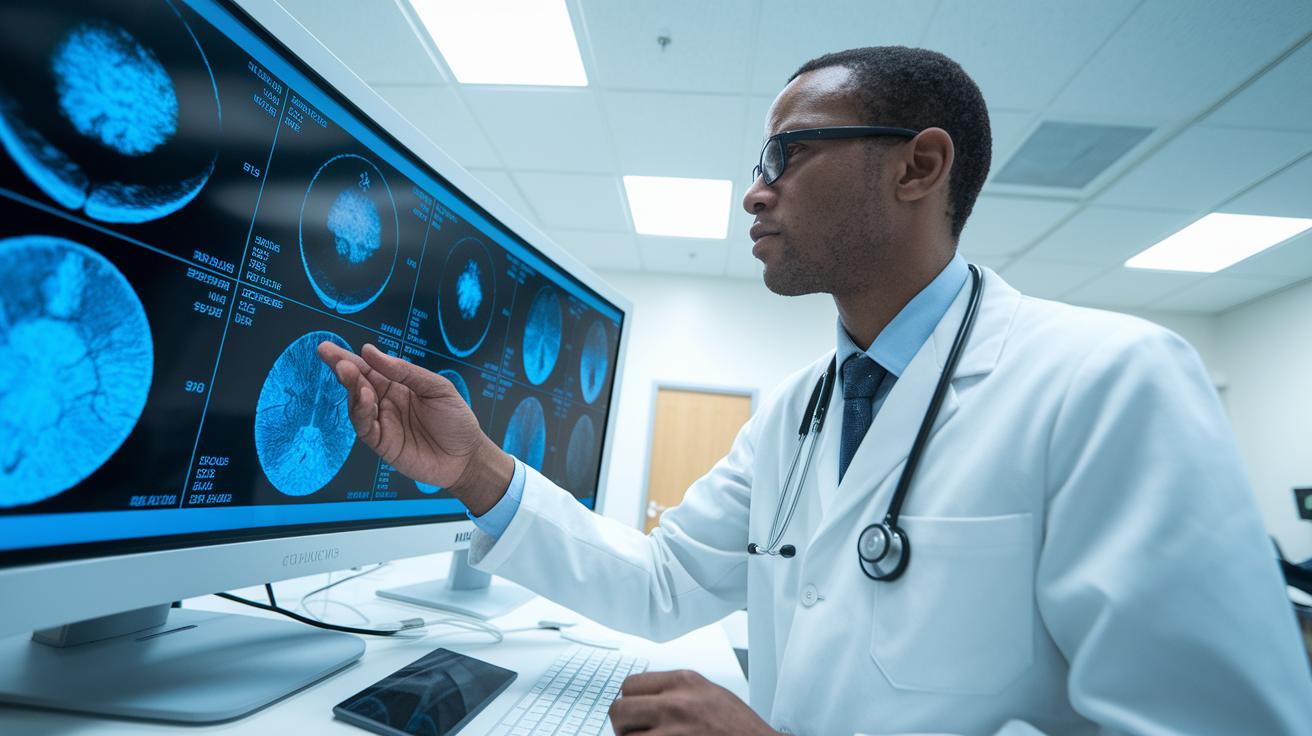
Imagine a world where doctors can see what's happening inside your body in real time, almost like having a heart-to-heart chat about your health. Today’s advanced imaging tools offer that possibility by providing clear, live details about your condition. They blend smart sensor technology with innovative computing in a way that helps spot health changes early on.
Here are some cool examples:
- Gaze-tracking in the operating room: This tool learns from experts by studying how they examine images during radiology and pathology tests. It usually costs about $50,000 per device.
- LIDAR-enhanced mobility assessments (GAMAT): By mixing computer vision with LIDAR, which uses laser beams to measure distances, this method improves the accuracy of gait analysis by about 15%.
- Wearable sensor technology: Think of it like having a mini health monitor on your wrist. Experts expect this market to hit $38.9 billion by 2026, making it easier to track your health continuously.
These innovations are set to change patient care by spotting issues sooner, which means quicker interventions and a more personalized approach. As these tools become a regular part of how doctors work, they offer fresh chances to monitor health more closely and adjust treatments fast. Overall, with better imaging and smart software backing up these techniques, managing long-term health conditions just got a whole lot easier and more effective.
Transformative Surgical Techniques and Robotics in Medical Innovation
Robotics are completely changing how we learn and perform surgeries, making them both more precise and easier to access. New systems that provide real-time touch feedback and advanced digital interfaces mean that surgeons can practice and refine their skills remotely. For example, training arms equipped with tactile feedback let residents simulate delicate finger movements from afar, boosting their dexterity and technique while bridging training gaps. This blend of human expertise and steady technology is paving the way for less invasive treatments.
In the real world, we’re already seeing these innovations at work. Consider the breakthrough with the Neuralink brain-computer interface implant, where a quadriplegic patient managed to control a computer cursor with 92% accuracy. It’s hard not to be impressed by how this tech opens up new ways for human-machine communication. Another exciting development is in breast cancer care; multi-system navigation that fuses high-quality imaging with robotics has been shown to cut the need for extra surgeries by nearly 30% after lumpectomies, leading to better outcomes for patients.
Looking ahead, smoothing out how robotics fit into hospital systems will be key. Overcoming these integration challenges will help ensure that both medical professionals and their patients enjoy the full benefits of these groundbreaking advancements.
Novel Pharmaceutical Solutions Advancing Medical Innovation

The need for new medicines has never been more urgent. We’re facing drug resistance and treatments that just aren’t keeping up. Next-generation therapies are the key to meeting unmet needs and improving patient care.
Take Suzetrigine for example. It’s a fresh take on pain management, a non-opioid pain reliever crafted from so-called fire-walker molecules. Now in its final stages of testing, Suzetrigine promises to ease pain without the risks of addiction or heavy side effects.
In other news, researchers have uncovered a new type of antibiotic that targets tough bugs like MRSA, pneumonia, and even tuberculosis in animal studies. This discovery might become a powerful tool against infections that have grown resistant to current treatments.
Scientists are also exploring enzyme-based treatments aimed at breaking down biofilms. These sticky layers often guard bacteria in stubborn, chronic wounds and contribute to widespread antibiotic resistance. This new approach could really ease the burden of these hard-to-treat infections.
And finally, looking at older drugs in new ways while keeping a close eye on bacterial changes remains crucial. Reviewing established medications and monitoring resistance helps the medical community stay nimble and ready to tackle evolving infectious challenges.
Modern Digital Health Techniques and Wearable Technology in Medical Innovation
Digital health today is all about putting you in the driver's seat of your own care. Easy-to-access information and real-time updates mean you can keep an eye on your well-being wherever you are. These innovative tools are built with everyone in mind, offering help that fits different needs and lifestyles.
Irth Maternal Health App
The Irth app is designed especially for Black and Brown women facing unique challenges during pregnancy. It offers personal, easy-to-understand guidance that cuts through health disparities. By sharing culturally relevant tips and clear advice, it helps lower the risks that some mothers face and makes it simpler to track how you're doing.
Eyebot Vision Kiosks
Eyebot vision kiosks bring the power of smart technology directly to you. Using user-friendly AI, these stations run a quick vision test and generate a prescription in just 90 seconds. They were created to help millions who might be at risk of losing their sight, cutting down waiting times and offering a fast, accurate check-up.
Headspace XR VR Therapy
Headspace XR VR Therapy uses immersive virtual reality to bring a fresh way to manage stress for young people. Its guided breathing and meditation sessions are more than just a moment of calm, they’re proven to lessen anxiety by up to 25%. This approach offers a new layer of support, helping young folks build a bit more emotional resilience every day.
User interest in these kinds of digital health tools is growing quickly. As remote monitoring and everyday care systems become even easier to use, they’re set to bring personal, custom care right into our daily lives. It's a promising look at how technology can turn complex health advice into something warm, accessible, and truly empowering.
Final Words
In the action, we explored a range of innovations from needle-free vaccines and AI medical scribes to gene therapy and wearable tech. Each section showed how rigorous clinical studies, digital advances, and cutting-edge procedures are making tangible headway.
These developments, including breakthrough research in medical innovation, promise improved patient outcomes and everyday wellness. Moving forward, every step brings us closer to a balanced, healthier life.
FAQ
What are the recent medical breakthroughs?
The recent medical breakthroughs include advances like needle-free nasal vaccines, AI medical scribes that reduce documentation time, FDA-approved hearing aid software, and non-opioid pain treatments in late-stage trials.
What are the next big breakthroughs in medicine?
The next big breakthroughs in medicine are expected to blend rapid clinical trial assessments with digital health innovations, transforming patient care and expanding access to personalized, real-time health insights.
What has been the biggest breakthrough in medical history and greatest innovation?
The biggest historical breakthrough blends time-tested innovations, such as vaccines, with modern clinical trial designs and digital health tools, driving significant improvements in patient outcomes and overall treatment strategies.
What advances have occurred in the last 5 to 10 years?
The advances over the past 5 to 10 years include efficient trial methodologies, biotechnology progress like gene therapies, and digital health enhancements that streamline diagnostics and improve patient monitoring.
What kind of new medical discoveries articles exist?
New medical discoveries articles focus on validated breakthrough studies, covering topics from pioneering clinical trials and innovative biotechnology to transformative surgical robotics and digital health techniques that improve everyday care.