Have you ever wondered if our cells send secret messages? Imagine gentle signals moving like ripples in a calm pond, without relying on chemicals or sparks. It's as if our bodies share a quiet, natural conversation deep within us.
Scientists are discovering that bio communication, a way that cells exchange tiny signals, is changing our understanding of how our bodies function. They even believe this newfound knowledge could lead to better health care tools in the future.
Every day, our cells connect in subtle, yet amazing ways, reminding us just how smart and intertwined our bodies truly are.
Fundamental Concepts of Bio Communication
Bio communication explores new, non-touch ways for information to travel. In simpler terms, researchers are looking at channels that work a bit like telepathy, passing messages without using chemicals, electricity, or physical contact. Imagine that early research once hinted some organisms might exchange signals as quickly as light travels. It’s like they were using nature’s secret method to keep in touch, well before our modern gadgets existed.
At its heart, this idea nudges us to rethink how messages move. Instead of the usual chemical messengers or electrical sparks, cells might be sending signals through energy fields or subtle physical shifts. Picture a calm pond where a tiny drop causes ripples that spread out smoothly. It’s a silent relay that happens all around us, quietly kickstarting important cell actions.
On the practical side, modern bio communication uses smart digital tools. These devices send gentle stress signals and then measure how your skin reacts, specifically tracking changes called galvanic skin response (GSR), a reliable, non-invasive health marker. For example, while resting your hand on a cozy cradle, you might not even feel it working, but tiny changes in your skin’s conductivity are recorded. This feedback loop helps clinicians see what’s going on in your body in real time, allowing them to adjust care just when it’s needed.
Cellular Signaling Pathways in Bio Communication
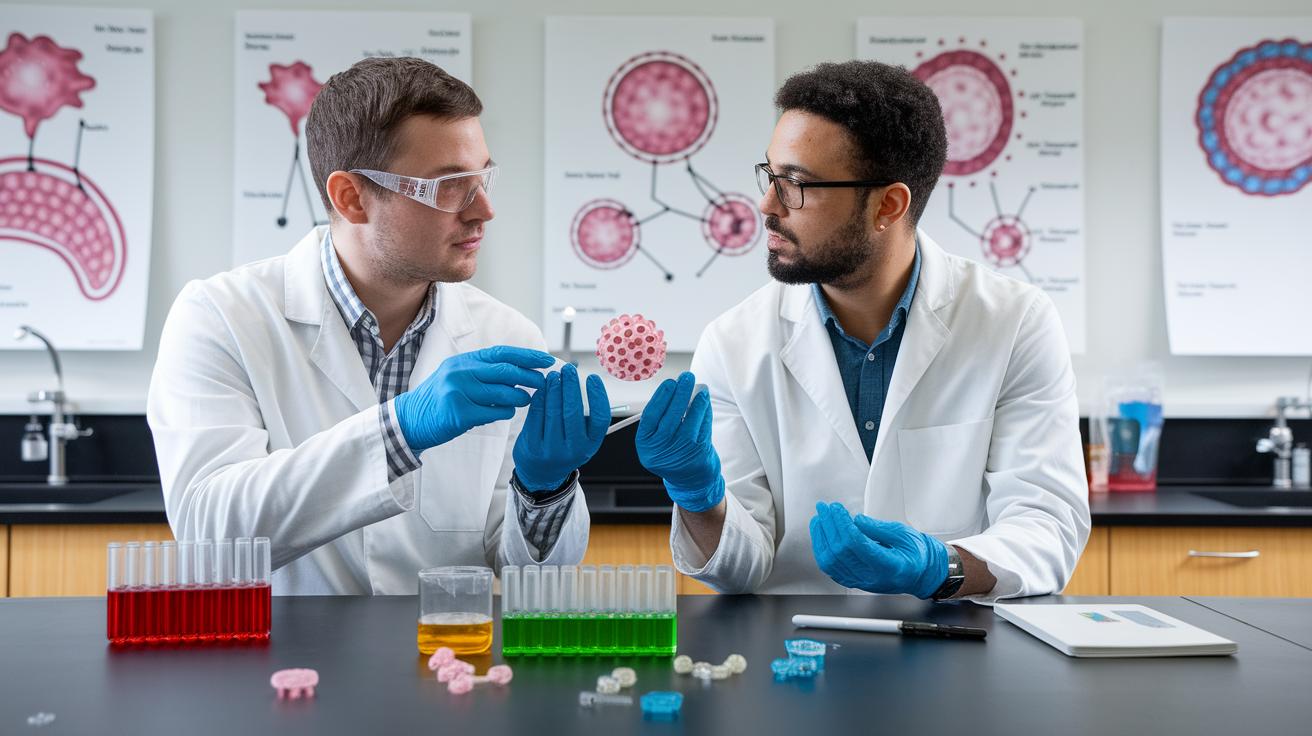
Cells are always chatting with each other, and these conversations keep our bodies in balance. When a specific molecule attaches to a receptor, a tiny site on the cell’s surface, it sparks a series of events inside the cell. This process, known as signal transduction, lets cells quickly react to changes in their surroundings. For example, the way cells handle energy or decide when to divide relies on this system, ensuring everything runs smoothly.
Cells don’t work in isolation, either. They use a mix of signaling methods that overlap and support one another. Imagine a hormone traveling through your bloodstream, reaching distant cells while also nudging nearby ones, it’s like sending a group text where everyone gets the memo at once. This teamwork means cells adjust their actions based on how strong or long the message lasts, creating a flexible network that keeps you healthy.
| Mode | Mechanism | Distance | Example | Key Receptor |
|---|---|---|---|---|
| Endocrine | Hormone release into blood | Long | Insulin signaling | Tyrosine kinase |
| Paracrine | Diffusion in extracellular space | Local | Neurotransmitters | GPCR |
| Autocrine | Self-signaling loop | Very local | Growth factors | RTK |
| Juxtacrine | Membrane contact | Cell-cell | Notch signaling | Notch receptor |
| Gap Junction | Direct cytoplasmic | Adjacent | Cardiac coordination | Connexins |
Because these signaling pathways are so intertwined, they help control everything from cell growth to our body’s defense mechanisms and even how our tissues repair themselves. Studying this web of communication is like exploring the detailed choreography of a dance, where every step and turn matters. It not only deepens our understanding of how life works at a tiny, molecular level but also opens up new avenues for advancing health and treating diseases.
Technologies Enabling Bio Communication Interfaces
We design these bio-communication systems with your comfort front and center. Imagine placing your hand in a gently curving cradle that feels as inviting as a soft cushion. This thoughtful design helps you relax, ensuring the device quietly gathers accurate data without any distraction.
The system also plays a neat trick by using digital stressors to interact with your body while watching your galvanic skin response (GSR), that’s just a fancy way to say it detects tiny shifts in your skin’s conductivity. Picture this as a light tap followed by a discreet signal from your body, letting us know exactly how it’s feeling in the moment.
On the software side, a one-time installation opens the door to an online virtual clinic for remote health sessions. Connecting with health professionals becomes super simple through digital health tech, so you get quick and efficient assessments. In short, when a session starts, the hand cradle sends real-time data to your clinician, who then customizes your health review based on the feedback they receive.
Cutting-Edge Research in Bio Communication
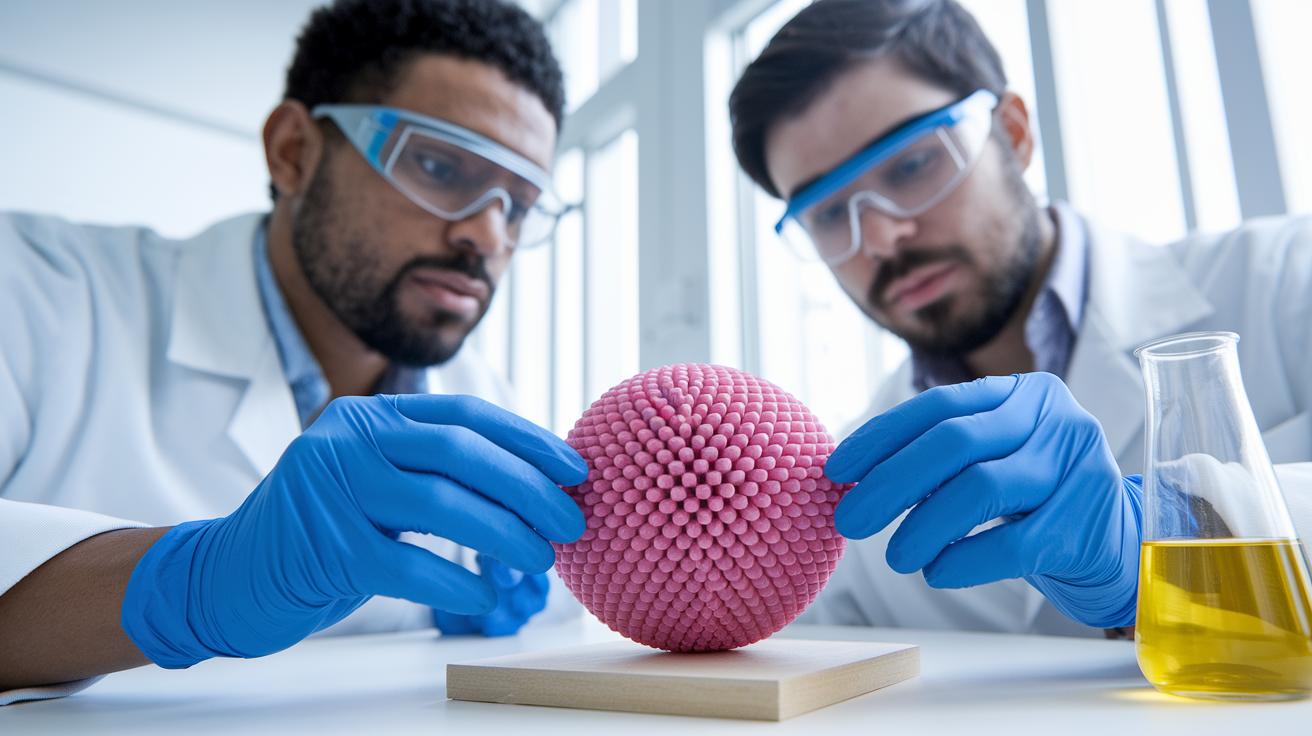
Scientists are discovering new ways that cells might talk to each other. They are studying experiments that seem almost like telepathy, where information could travel as fast as light. Imagine cells sending messages at lightning speed without using the usual chemicals or electrical signals. This fresh idea could change how we think about cell communication and help us understand entirely new ways our cells interact.
New tools and techniques are key to these discoveries. Researchers are even using 3D-printed models, like those made with the Stratasys F170, to mimic these rapid signals. They set up high-voltage tests, such as DARPA/Konfluence experiments, to see how fast signals can move. Other studies focus on drawing energy from tiny spaces called Casimir cavities and exploring special materials and squeezed-light research. These experiments are helping scientists connect theory with real-world breakthroughs in how cells share information.
Clinical Applications and Case Studies in Bio Communication
Electrodermal screening measures how your skin conducts electricity, a reliable health marker for many clinicians. During the test, a patient simply rests their hand on a special cradle that picks up tiny shifts in skin conductivity. These subtle changes offer clues about the body’s balance, helping doctors adjust treatments to fit your current state. For example, if the readings show a clear shift, it might prompt a change in your medication to better match your needs.
Treatment plans are carefully scheduled around how quickly the body responds. Early on, sessions are set about every 4 to 8 weeks, though this frequency can change based on each patient’s condition. Research shows that with chronic conditions, noticeable changes often take about 4–6 weeks for each year you’ve had the illness. This structured timing lets doctors monitor progress closely and tweak treatments as necessary.
Bio surveys take a comprehensive look at your health. They include easy-to-understand checks like homeopathic, herbal, and nutritional assessments, along with evaluations of your heart (cardiovascular), nerves (nervous system), digestion, immune function, and breathing. By gathering this complete picture, clinicians can design treatment strategies that directly target issues while supporting overall wellness.
Final Words
in the action, we explored bio communication from its basic concepts to its role in modern diagnostics. We broke down how cells send messages through different signaling modes and reviewed ergonomic digital interfaces that measure GSR for health checks. Our discussion moved from experimental research to practical clinical applications, showing how advanced digital stressors and traditional cell signaling merge. The insights remind us that research-backed practices can help build balanced, thoughtful approaches to health. It’s all about informed decisions and a steady step toward well-being.
FAQ
What is an example of biological communication?
The example of biological communication is seen in cell signaling when hormones or neurotransmitters trigger responses, as well as practical systems using digital cues that interact with the body’s galvanic skin response.
What is the meaning of biocommunication and biomedical communication?
The meaning of biocommunication involves studies into non-contact, non-chemical, non-electrical channels along with practical systems that use digital signals to connect with our body responses for health assessments.
What are the four types of communication in biology?
The four types of communication in biology include endocrine, paracrine, juxtacrine, and gap junction signaling that help cells send messages over various distances to coordinate functions.
What is the Communications Biology Journal?
The Communications Biology Journal is a peer-reviewed publication featuring advanced research on cell signaling, bio communication techniques, and innovative digital health technologies in life science.
What impact factor details are available for Communications Biology?
The Communications Biology impact factor reflects the journal’s citation frequency, with current estimates and projections for 2025 highlighting its growing influence in disseminating key life science research.
What details are known about Communications Biology acceptance rate?
The Communications Biology acceptance rate indicates the percentage of submissions the journal accepts, showcasing its rigorous review process aimed at maintaining high-quality scientific publications.
What publication fee does Communications Biology charge?
The Communications Biology publication fee covers costs related to open access, enabling authors to share their work widely while supporting the journal’s operational expenses.
What is Communications Biology LetPub?
Communications Biology LetPub offers analytical tools and data insights that help authors understand the journal’s metrics, supporting decision-making when submitting and reviewing publications.