Have you ever noticed that some foods spark an energy boost while others just don’t hit the mark? Nutrient-packed foods, bursting with vitamins, minerals, and protein, work like high-quality fuel for your body.
Imagine a handful of kale lighting up your cells or a serving of salmon providing lean, heart-friendly protein. In this post, we’ll chat about how these power foods can help you build a balanced diet that keeps your energy levels high and your mood uplifted.
Defining Nutrient Dense Foods: Understanding Nutrient Density
Nutrient-dense foods are bursting with vitamins, minerals, protein, fiber, and healthy fats like omega-3s, all while keeping calories low. They act like fuel for every cell in your body. Imagine a small serving of kale that supplies a solid dose of vitamin K and antioxidants, proving that sometimes, less truly is more. These foods help boost your energy, support your immune system, and even assist in repairing your cells.
When you compare the nutrients in a food to its calorie count, you find a useful guide for picking options that truly nourish your body. This approach can even help you plan meals that build up to a balanced daily intake. For more on what a balanced diet means, check out this resource: https://healthlystats.com?p=978.
Remember, no single food can cover all your nutritional needs. Mixing different nutrient-dense foods makes sure you get a range of both micro- and macronutrients. Plus, a diverse diet keeps things interesting and satisfying. It’s a straightforward and enjoyable way to enhance your overall wellness.
Nutrient Dense Foods: Energize Your Balanced Diet

- Salmon is a true star. It's loaded with omega-3 fatty acids, which help keep your heart in top shape and may even ease inflammation. Plus, each serving brings lean, brain-boosting protein right to your plate.
- Sardines might be small, but they’re packed with almost every essential nutrient. When you eat them whole, you get protein, omega-3s, and even calcium from their edible bones, making them a great snacking option or a lively salad topper.
- Kale is a leafy wonder. Filled with vitamins A, C, and K, as well as antioxidants like glucosinolates, it works to fight oxidative stress and support your immune system. Whether blended into a smoothie or enjoyed fresh in a salad, kale brings a burst of health to your meal.
- Seaweed varieties like nori and wakame offer more than a unique flavor. Rich in iodine and trace minerals, they help keep your thyroid and overall metabolism running smoothly. A little sprinkle can transform your sushi or soup with extra nutrients.
- Garlic isn’t just for flavor, it’s a health booster. With its sulfur-based compounds that battle harmful germs, just a few cloves in your dishes can help enhance your immune defenses and overall wellness.
- Shellfish such as clams, oysters, mussels, and scallops are nutritional powerhouses. They deliver vitamin B12, zinc, and iron, essential for energy and a robust immune system, adding a delightful punch to your meals.
- Potatoes, when enjoyed with their skin, are more than a comfort food. They provide potassium, magnesium, vitamin C, B vitamins, and fiber, all of which support smooth digestion and help keep your body running well.
- Liver is incredibly nutrient-dense. Even a small portion offers a strong dose of vitamin A, B vitamins, iron, and folate, fueling your energy and helping with cell repair.
- Berries like blueberries and strawberries are nature’s little antioxidants. Brimming with flavonoids and vitamin C, they help fight oxidative stress while adding a naturally sweet, refreshing touch to your dishes.
- Eggs are often called nature’s multivitamin. They deliver high-quality protein along with vital nutrients from the yolk. Easy to cook and versatile, eggs make it simple to boost your diet every day.
- Bitter Melon, with its distinctive taste, offers potent antioxidants and bioactive compounds that may help regulate blood sugar levels. Its unique flavor works well in stir-fries and light soups.
- Dark Chocolate (with at least 70% cacao) turns a treat into a nutrient-packed delight. Rich in iron, magnesium, and antioxidant flavonoids, a small piece not only satisfies your sweet tooth but also supports a balanced, healthy lifestyle.
Health Benefits of Nutrient Dense Foods: Maximizing Micronutrient Impact
Vitamin-packed foods like berries, garlic, and leafy greens can really give your immune cells a boost. Recent studies, including a 2023 clinical trial, showed that folks who added these antioxidant-rich ingredients felt more supported at the cellular level. Experts even mention that these foods not only keep your immune system lively but also contribute to a healthy heart.
Omega-3 fatty acids from fish such as salmon and sardines help lower inflammation. One study found that people who ate salmon regularly saw their inflammation drop by about 15% over 12 weeks. It’s like giving your body a little tune-up with each serving.
Some people with mild digestive issues reported that adding fiber-rich foods like potato skins and various greens helped ease their gut and balance their blood sugar. Additionally, nutrients such as iron and B vitamins from shellfish and liver are known to improve oxygen transport, which can boost your energy during everyday activities. Think of each nutrient as a performance upgrade for your body, kind of like fueling up a high-quality engine.
Incorporating Nutrient Dense Foods into Daily Meals: Practical Meal and Snack Ideas
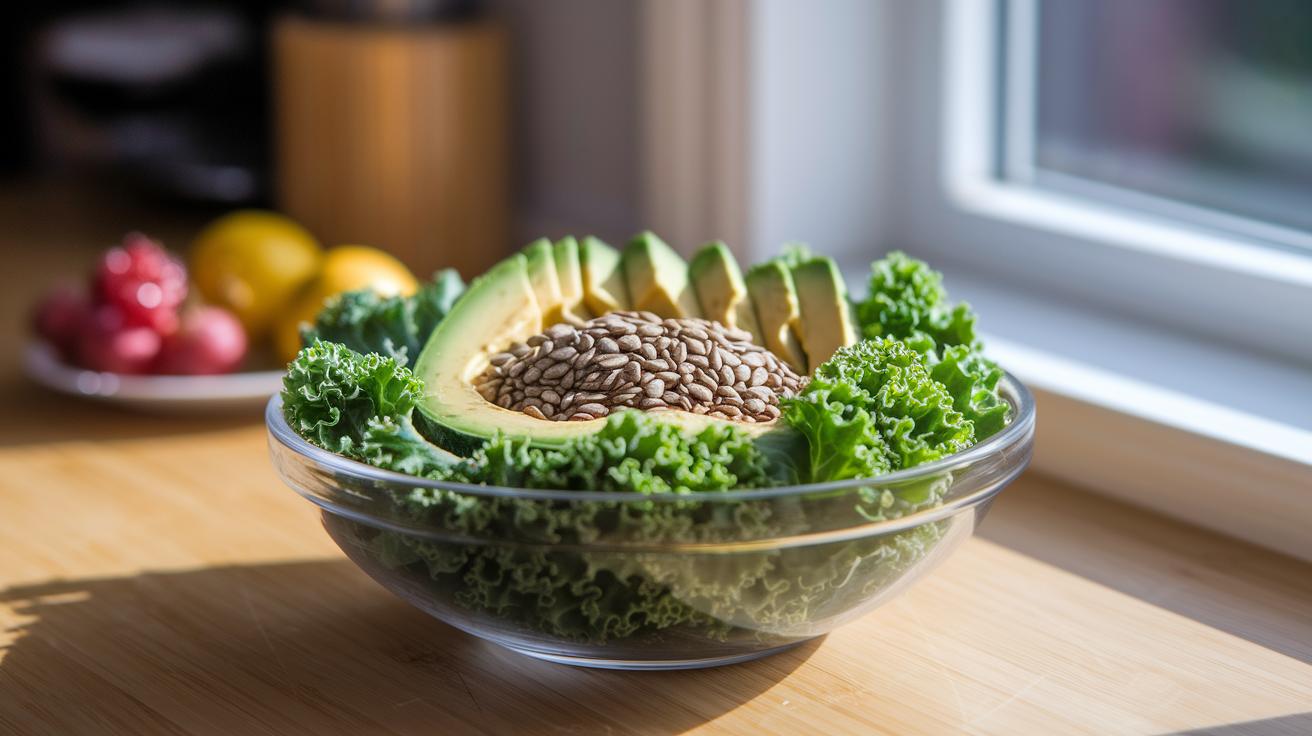
Start your day by planning meals that blend fresh, plant-based ingredients with lean proteins. Picture a mix of berries, leafy greens, seaweed, and even potatoes with the skin on, they're packed with potassium, magnesium, vitamin C, and fiber. Each bite gives you a burst of energy and essential nutrients, making your meals and snacks as practical as they are delicious.
When you set aside a little time for meal prep, like using simple templates from nutritional strategies, you make healthy eating so much easier. For example, an easy breakfast smoothie with spinach, berries, and yogurt not only feels refreshing but also fills you up with vitamins and antioxidants. And a salad loaded with kale, avocado, and seeds brings in healthy fats, fiber, and minerals, all of which help your body run smoothly.
| Meal Type | Example Ingredients | Key Nutrients | Serving Tip |
|---|---|---|---|
| Breakfast smoothie | Spinach, berries, yogurt | Vitamins, antioxidants, protein | Blend for a quick, portable boost |
| Leafy green salad | Kale, avocado, seeds | Healthy fats, fiber, minerals | Toss with a light dressing |
| Salmon grain bowl | Quinoa, veggies, salmon | Omega-3s, protein, vitamins | Layer ingredients in a bowl for a hearty meal |
| Yogurt & berry parfait | Greek yogurt, mixed berries | Protein, antioxidants, calcium | Layer ingredients and sprinkle with nuts |
| Mixed nuts & seeds snack | Almonds, pumpkin seeds | Healthy fats, protein, magnesium | Divide into small snack bags |
These simple changes show how a variety of ingredients can come together in easy-to-prepare meals. Experiment with these ideas and discover new ways to keep your diet balanced and energizing throughout the week.
Nutrient Density vs Energy Density: Clarifying Nutritional Quality
When we talk about nutrient density, we mean how many good-for-you vitamins, minerals, and other nutrients you get with each calorie you eat. In contrast, energy density looks at how many calories are packed into each gram of food. Imagine choosing a crisp, fresh apple or a vibrant bunch of kale, these are foods that offer a lot of nourishment without overloading you with extra calories.
On the other hand, foods that are high in energy density, like sugary treats or refined oils, give you a big calorie hit but little in the way of essential nutrients. They might fill you up quickly, but they don’t supply the building blocks your body needs for everyday energy and repair. It’s a bit like putting in poor-quality fuel into a high-performance car.
By picking foods that are low in energy density and high in nutrients, you’re essentially giving your body quality fuel. This way, you help support steady energy levels, a strong immune system, and a metabolism that works efficiently. It’s a smart strategy that can make a real difference in how you feel day to day.
Specialized Strategies: Nutrient Dense Foods for Different Life Stages

For Children
Kids thrive on foods that are both fun and packed with nutrients to help them grow strong and keep up with their busy days. Imagine mashed avocado mixed into scrambled eggs or a cool berry smoothie filled with calcium and iron. These treats deliver healthy fats and essential vitamins, making them perfect for a quick breakfast fix or an energizing snack.
For Older Adults
For seniors, easy-to-chew meals are key to supporting muscle and bone strength. Soft, gently cooked spinach or even canned sardines can provide the right texture while offering vital nutrients. A warm bowl of fortified oatmeal is another smart choice, serving up fiber and protein in a way that’s friendly to both teeth and digestion.
For Athletes and Active Adults
Active folks and athletes need high-protein snacks to boost performance and help muscles recover after a workout. Think of a bowl of Greek yogurt paired with crunchy nuts or a tasty salmon wrap on whole-grain toast. These options supply lean protein and omega-3 fatty acids, which are great for muscle repair and keeping your energy steady throughout the day.
For Weight Management
When it comes to managing weight, choosing low-calorie meals that are still nutrient-rich is a win-win. Picture a vibrant vegetable stir-fry brimming with colorful peppers and leafy greens, or a comforting lentil soup that fills you up without extra calories. Even a fresh mixed berry salad can satisfy your sweet cravings while adding fiber to help you feel full longer.
Across all life stages, blending a variety of fresh plant foods with lean proteins like eggs or even potatoes ensures you enjoy meals that are both versatile and bursting with nutrients for a healthier life.
Expert Insights on Nutrient Density: Evidence and Recommendations
Recent studies and expert tips show that including a variety of nutrient-packed foods can boost your overall health. Our guide, "12 Foods with the Healthiest Bang for Your Buck," is built on solid academic research and trusted peer-reviewed studies. This careful approach makes sure that every food we list meets high scientific standards, helping everyone, from casual eaters to nutrition experts, make smart choices.
One standout study from the Journal of Nutritional Biochemistry in 2015 looked at kale and its cancer-fighting glucosinolates. Glucosinolates are natural compounds that help your body fight off disease by supporting your built-in defense system. When you enjoy kale with lean proteins and a mix of colorful veggies, you’re not only nourishing your body but also adding an extra layer of protection against illness.
NIH clinical guidelines remind us how important it is to eat a mix of foods from both plants and animals. By rotating different nutrient-dense foods, you ensure you get a wide range of vitamins, minerals, and other vital nutrients. In short, a balanced mix of these well-researched foods is key to keeping your body strong and your health on track.
Final Words
In the action, we've unraveled how nutrient dense foods pack a powerful punch of essential vitamins and minerals. We broke down examples, their health benefits, and ways to add these items into everyday meals for balanced nutrition. The guide stressed the importance of variety and science-backed insights to fuel your health. Enjoy mixing up your meals with fresh produce and lean proteins, and celebrate the simple joy of nourishing your body every day. Cheers to embracing wholesome living and feeling great.
FAQ
What does nutrient-dense foods meaning mean?
The term nutrient-dense foods means items that pack a high amount of essential vitamins, minerals, proteins, fiber, and healthy fats per calorie, promoting overall health and energy balance.
How do nutrient-dense foods for weight loss help?
Nutrient-dense foods for weight loss help by providing essential nutrients while keeping calorie intake low, supporting satiety and balanced energy levels to aid weight management in a healthy diet.
What are nutrient-dense snacks?
Nutrient-dense snacks are small, healthful food portions loaded with vitamins, minerals, and other key nutrients, making them a great option to boost energy and curb hunger between meals.
What does a 100 most nutrient-dense foods list include?
A list of the top 100 nutrient-dense foods typically includes a variety of fruits, vegetables, lean proteins, seeds, and whole grains, each chosen for their impressive vitamin, mineral, and antioxidant profiles.
Why are nutrient-dense foods important?
Nutrient-dense foods are important because they provide a high concentration of essential nutrients that support cell functions, energy production, and overall health, forming the basis of a balanced diet.
What is a nutrient-dense foods chart PDF?
A nutrient-dense foods chart PDF organizes foods by their nutrient-to-calorie ratio, offering a visual guide to help you plan healthy meals based on evidence-based dietary recommendations.
What are non nutrient dense foods?
Non nutrient dense foods are items that provide a lot of calories with minimal vitamins or minerals, often found in processed or sugary foods, which can lead to imbalanced nutrient intake if consumed excessively.
What does energy dense foods mean?
Energy dense foods have a high calorie concentration per gram but may lack sufficient vitamins and minerals, making moderation key to maintaining overall diet quality and nutrient balance.
Which foods are most nutrient-dense?
The most nutrient-dense foods include leafy greens, berries, fish, lean proteins, and whole grains, each packed with a mixture of vitamins, minerals, and antioxidants essential for health.
What are the top 10 nutritious foods?
The top 10 nutritious foods often feature salmon, sardines, kale, seaweed, garlic, shellfish, potatoes with skin, liver, berries, and eggs, each offering a robust profile of essential nutrients.
Which food has all 13 vitamins?
No single food supplies all 13 essential vitamins, which highlights the need for a varied diet to ensure your body receives a complete range of nutrients necessary for optimal health.
Are eggs nutrient-dense?
Eggs are nutrient-dense because they provide a rich array of vitamins, minerals, high-quality protein, and healthy fats, making them a compact and versatile addition to a balanced diet.