Most Nutrient Dense Foods: Power Up Your Health

Ever notice that some foods boost your health without adding too many calories? It’s pretty amazing how ingredients like kale, spinach, and even beef liver pack a punch with vitamins and minerals in each bite.

In this post, we’re sharing the top 10 foods that give you the most nutrition for your calories. Think of them as little powerhouses that can turn a simple meal into a boost for your well-being.

Ready to discover these nutrient-rich gems? Let’s dive in and power up your health with smart, everyday choices!

Top 10 Nutrient-Dense Foods Ranked by Nutrient-to-Calorie Ratio

Looking for foods that are bursting with vitamins and minerals without piling on too many calories? This list is your go-to guide. For example, kale is a superstar, just one cup contains about 33 calories yet packs in 681 µg of vitamin A, 80 mg of vitamin C, 547 µg of vitamin K, and 90 mg of calcium. Spinach follows closely behind, offering a solid serving of iron (3.6 mg), magnesium (157 mg), and plenty of vitamins A (469 µg), C (9 mg), and K (558 µg) in a cooked cup for roughly 41 calories.

In third place, beef liver might surprise you. It clocks in at 135 calories per 100 grams, but thanks to its high levels of vitamin A (16,813 IU), vitamin B12 (70.7 µg), and iron (6.5 mg), it truly earns its spot as a nutritional powerhouse. Then there’s salmon and mackerel. These flavorful fish provide around 208 and 205 calories per 100 grams, respectively, along with quality protein, heart-friendly omega-3s (2.3 g in salmon and 1.3 g in mackerel), and vitamin D.

Eggs are another favorite, offering 6 g of protein, choline, and vitamin D in a large serving of just 78 calories. Blueberries make the list, too. With only 84 calories per cup, they deliver a refreshing hit of vitamin C (9.7 mg) and manganese, all while being rich in anthocyanins, a fantastic combo for a quick nutrient boost. Broccoli is a low-cal option at just 55 calories per cup, yet it brings 89 mg of vitamin C, 116 µg of vitamin K, and 94 µg of folate, along with sulforaphane, a compound known for its cancer-fighting properties.

Black beans come through with 227 calories per cooked cup and provide 15 g of protein and fiber, plus 256 µg of folate and 120 mg of magnesium. Last but not least, pumpkin seeds round out the top 10. With only 151 calories per ounce, they offer 7 g of protein, 1.7 mg of zinc, and 168 mg of magnesium, proving that even a small snack can be a nutritional heavyweight.

This ranking isn’t just about counting nutrients; it’s about discovering foods that match your energy needs while giving your body the goodness it craves. Imagine a salad sprinkled with crunchy pumpkin seeds or a smoothie blended with kale and blueberries, small changes that make a big impact on your health.

Vitamin and Mineral Profiles

Kale sets the stage by offering vitamins A, C, and K along with calcium. Its high vitamin A supports vision and immune function, creating a strong base for overall health. Spinach is another gem, providing iron and magnesium alongside vitamins A, C, and K to help with muscle function and bone strength. Broccoli adds vitamin C and K plus needed folate, which plays a key role in cell repair. Beef liver stands out with unmatched doses of vitamin A and B12 along with iron, essential for energy production. These vital nutrients help support your immune system, maintain healthy blood cells, and build strong bones, keeping you ready for whatever your day brings.

Antioxidant Highlights

Blueberries shine with an abundance of anthocyanins, about 560 mg per 100 g, and vitamin C, offering a natural boost for skin and immune health. Strawberries bring ellagic acid into play, while raspberries contribute quercetin, both known for their anti-inflammatory benefits. Kale also lends a helping hand with roughly 45 mg each of quercetin

Calorie-Smart Meal Ideas Featuring Nutrient-Dense Foods
img-1.jpg

Looking for meals that nourish your body without overloading on calories? These recipes are packed with essential vitamins, minerals, protein, and fiber, all while keeping things light and delicious. They’re perfect for anyone wanting to boost their health with everyday ingredients.

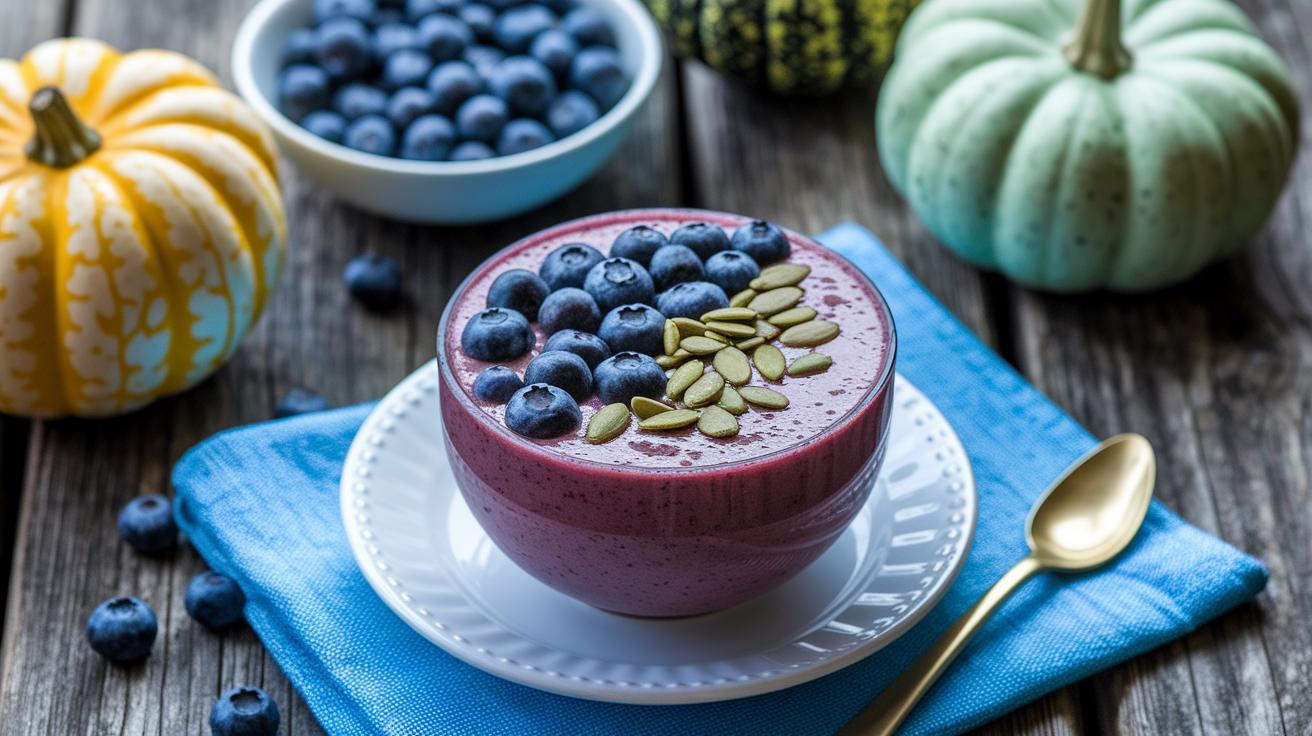
Start your morning with the Berry-Kale Smoothie. Blend a big handful of kale with a cup of blueberries, a serving of kefir, and a sprinkle of pumpkin seeds. This vibrant mix not only delivers 8 grams of protein and 7 grams of fiber in 300 calories but also gives you a refreshing burst of tangy flavor, like a cool sip of lemonade on a sunny day.

If a savory meal sounds more appealing, try the Salmon & Spinach Salad. Combine 3 ounces of grilled salmon with 2 cups of crisp spinach and a drizzle of olive oil. This dish offers 20 grams of protein along with 3 grams of omega-3s in roughly 308 calories, giving you the satisfying texture of a garden-fresh salad enhanced by the rich, tender salmon.

For a heartier option, consider the Lentil-Broccoli Bowl. Mix cooked lentils with lightly steamed broccoli to create a comforting bowl that delivers 18 grams of protein and 15 grams of fiber in about 285 calories. It’s like enjoying a warm, cozy soup that fills you up and keeps you energized throughout the day.

Lastly, brighten up your breakfast with a Veggie Egg Scramble. Stir together scrambled eggs with a colorful blend of veggies and spinach. With 14 grams of protein and 3 grams of fiber in only 240 calories, this dish is as cheerful as it is nourishing, like a burst of sunshine on your plate.

Recipe Protein Key Nutrients Calories
Berry-Kale Smoothie 8 g 7 g fiber 300 cal
Salmon & Spinach Salad 20 g 3 g omega-3 308 cal
Lentil-Broccoli Bowl 18 g 15 g fiber 285 cal
Veggie Egg Scramble 14 g 3 g fiber 240 cal

Strategies for Maximizing Nutrient Absorption from Nutrient-Dense Foods

If you want your meals to really work for you, try mixing non-heme iron sources like spinach with vitamin C goodies such as a crisp bell pepper. This duo helps your body grab more iron, which is key for keeping your energy up. Imagine tossing fresh spinach with bell pepper slices, it’s like a little wake-up call for your cells.

It also works well to enjoy fat-soluble vitamins (A, D, and K) alongside healthy fats. A drizzle of olive oil over your greens or a plate of nutrient-rich salmon with roasted veggies can make a big difference. This simple trick not only boosts vitamin absorption but also supports overall cell function and heart health.

Fermented foods like kefir can be a real game changer too. They help your gut and make it easier for your body to take in B vitamins, which keep your metabolism running smoothly. And if you’re cooking broccoli, try steaming it instead of boiling. Steaming helps preserve sulforaphane, a compound that supports your immune system and cellular health.

Tip What to Do
Iron Boost Pair spinach (non-heme iron) with bell pepper (vitamin C) to enhance iron absorption
Fat-Soluble Vitamins Consume vitamins A, D, and K with healthy fats like olive oil or salmon
Gut Health Add fermented foods like kefir to boost B vitamin uptake and support your gut
Vegetable Prep Steam broccoli to keep sulforaphane intact and maximize its benefits

These small, tasty tweaks can really add up. Each adjustment is a simple step to help you nourish your body better, making everyday meals a bit more powerful and fun.

Final Words

In the action, we reviewed the top 10 foods that pack vital nutrients into every calorie. The post detailed key vitamins, minerals, antioxidants, and essential fats, and offered practical serving ideas that help you include these choices in your meals. We also shared tips to optimize nutrient absorption from your plate, making every bite count. Choosing the most nutrient dense foods paves the way to a healthier lifestyle. Every small change in your eating habits can boost your overall well-being and brighten your day.

FAQ

What are the top nutrient-dense foods?

The top nutrient-dense foods include kale, spinach, beef liver, salmon, mackerel, eggs, blueberries, broccoli, black beans, and pumpkin seeds, offering a high micronutrient yield per calorie.

What are the most nutrient-dense vegetables?

The most nutrient-dense vegetables are kale, spinach, and broccoli, which deliver powerful vitamins and minerals while keeping calorie counts low for a balanced diet.

What are the most nutrient-dense fruits?

The most nutrient-dense fruits feature blueberries, known for their high levels of anthocyanins and vitamin C, making them a great choice for boosting antioxidant intake.

Why are nutrient-dense foods important?

Nutrient-dense foods give you a robust mix of vitamins and minerals per calorie, helping support overall health and daily energy levels without excessive calorie intake.

What is the most nutrient-dense meat?

The most nutrient-dense meat is beef liver, which stands out by providing high levels of vitamin A, vitamin B12, and iron in a small serving, making it a nutrient-rich option.

Is there a nutrient-dense foods chart available in PDF format?

A nutrient-dense foods chart in PDF form is often available online, making it easy to compare micronutrient-to-calorie ratios and plan nutritious, low-calorie meals.

Which food has all 13 vitamins?

No single food naturally contains all 13 vitamins in optimal amounts; the best approach is to enjoy a varied diet that combines multiple nutrient-dense foods for complete nutrition.

What is the number one healthiest food in the world?

Many consider kale or broccoli among the healthiest choices due to their outstanding nutrient-to-calorie ratios, though the healthiest food depends on individual dietary needs.

What one food could you survive on?

It isn’t realistic to survive on just one food because no single item can supply every nutrient your body needs; a varied, balanced diet is key for long-term health.

Ever notice that some foods boost your health without adding too many calories? It’s pretty amazing how ingredients like kale, spinach, and even beef liver pack a punch with vitamins and minerals in each bite.

In this post, we’re sharing the top 10 foods that give you the most nutrition for your calories. Think of them as little powerhouses that can turn a simple meal into a boost for your well-being.

Ready to discover these nutrient-rich gems? Let’s dive in and power up your health with smart, everyday choices!

Top 10 Nutrient-Dense Foods Ranked by Nutrient-to-Calorie Ratio

Looking for foods that are bursting with vitamins and minerals without piling on too many calories? This list is your go-to guide. For example, kale is a superstar, just one cup contains about 33 calories yet packs in 681 µg of vitamin A, 80 mg of vitamin C, 547 µg of vitamin K, and 90 mg of calcium. Spinach follows closely behind, offering a solid serving of iron (3.6 mg), magnesium (157 mg), and plenty of vitamins A (469 µg), C (9 mg), and K (558 µg) in a cooked cup for roughly 41 calories.

In third place, beef liver might surprise you. It clocks in at 135 calories per 100 grams, but thanks to its high levels of vitamin A (16,813 IU), vitamin B12 (70.7 µg), and iron (6.5 mg), it truly earns its spot as a nutritional powerhouse. Then there’s salmon and mackerel. These flavorful fish provide around 208 and 205 calories per 100 grams, respectively, along with quality protein, heart-friendly omega-3s (2.3 g in salmon and 1.3 g in mackerel), and vitamin D.

Eggs are another favorite, offering 6 g of protein, choline, and vitamin D in a large serving of just 78 calories. Blueberries make the list, too. With only 84 calories per cup, they deliver a refreshing hit of vitamin C (9.7 mg) and manganese, all while being rich in anthocyanins, a fantastic combo for a quick nutrient boost. Broccoli is a low-cal option at just 55 calories per cup, yet it brings 89 mg of vitamin C, 116 µg of vitamin K, and 94 µg of folate, along with sulforaphane, a compound known for its cancer-fighting properties.

Black beans come through with 227 calories per cooked cup and provide 15 g of protein and fiber, plus 256 µg of folate and 120 mg of magnesium. Last but not least, pumpkin seeds round out the top 10. With only 151 calories per ounce, they offer 7 g of protein, 1.7 mg of zinc, and 168 mg of magnesium, proving that even a small snack can be a nutritional heavyweight.

This ranking isn’t just about counting nutrients; it’s about discovering foods that match your energy needs while giving your body the goodness it craves. Imagine a salad sprinkled with crunchy pumpkin seeds or a smoothie blended with kale and blueberries, small changes that make a big impact on your health.

Vitamin and Mineral Profiles

Kale sets the stage by offering vitamins A, C, and K along with calcium. Its high vitamin A supports vision and immune function, creating a strong base for overall health. Spinach is another gem, providing iron and magnesium alongside vitamins A, C, and K to help with muscle function and bone strength. Broccoli adds vitamin C and K plus needed folate, which plays a key role in cell repair. Beef liver stands out with unmatched doses of vitamin A and B12 along with iron, essential for energy production. These vital nutrients help support your immune system, maintain healthy blood cells, and build strong bones, keeping you ready for whatever your day brings.

Antioxidant Highlights

Blueberries shine with an abundance of anthocyanins, about 560 mg per 100 g, and vitamin C, offering a natural boost for skin and immune health. Strawberries bring ellagic acid into play, while raspberries contribute quercetin, both known for their anti-inflammatory benefits. Kale also lends a helping hand with roughly 45 mg each of quercetin

Calorie-Smart Meal Ideas Featuring Nutrient-Dense Foods

img-1.jpg

Looking for meals that nourish your body without overloading on calories? These recipes are packed with essential vitamins, minerals, protein, and fiber, all while keeping things light and delicious. They’re perfect for anyone wanting to boost their health with everyday ingredients.

Start your morning with the Berry-Kale Smoothie. Blend a big handful of kale with a cup of blueberries, a serving of kefir, and a sprinkle of pumpkin seeds. This vibrant mix not only delivers 8 grams of protein and 7 grams of fiber in 300 calories but also gives you a refreshing burst of tangy flavor, like a cool sip of lemonade on a sunny day.

If a savory meal sounds more appealing, try the Salmon & Spinach Salad. Combine 3 ounces of grilled salmon with 2 cups of crisp spinach and a drizzle of olive oil. This dish offers 20 grams of protein along with 3 grams of omega-3s in roughly 308 calories, giving you the satisfying texture of a garden-fresh salad enhanced by the rich, tender salmon.

For a heartier option, consider the Lentil-Broccoli Bowl. Mix cooked lentils with lightly steamed broccoli to create a comforting bowl that delivers 18 grams of protein and 15 grams of fiber in about 285 calories. It’s like enjoying a warm, cozy soup that fills you up and keeps you energized throughout the day.

Lastly, brighten up your breakfast with a Veggie Egg Scramble. Stir together scrambled eggs with a colorful blend of veggies and spinach. With 14 grams of protein and 3 grams of fiber in only 240 calories, this dish is as cheerful as it is nourishing, like a burst of sunshine on your plate.

Recipe Protein Key Nutrients Calories
Berry-Kale Smoothie 8 g 7 g fiber 300 cal
Salmon & Spinach Salad 20 g 3 g omega-3 308 cal
Lentil-Broccoli Bowl 18 g 15 g fiber 285 cal
Veggie Egg Scramble 14 g 3 g fiber 240 cal

Strategies for Maximizing Nutrient Absorption from Nutrient-Dense Foods

If you want your meals to really work for you, try mixing non-heme iron sources like spinach with vitamin C goodies such as a crisp bell pepper. This duo helps your body grab more iron, which is key for keeping your energy up. Imagine tossing fresh spinach with bell pepper slices, it’s like a little wake-up call for your cells.

It also works well to enjoy fat-soluble vitamins (A, D, and K) alongside healthy fats. A drizzle of olive oil over your greens or a plate of nutrient-rich salmon with roasted veggies can make a big difference. This simple trick not only boosts vitamin absorption but also supports overall cell function and heart health.

Fermented foods like kefir can be a real game changer too. They help your gut and make it easier for your body to take in B vitamins, which keep your metabolism running smoothly. And if you’re cooking broccoli, try steaming it instead of boiling. Steaming helps preserve sulforaphane, a compound that supports your immune system and cellular health.

Tip What to Do
Iron Boost Pair spinach (non-heme iron) with bell pepper (vitamin C) to enhance iron absorption
Fat-Soluble Vitamins Consume vitamins A, D, and K with healthy fats like olive oil or salmon
Gut Health Add fermented foods like kefir to boost B vitamin uptake and support your gut
Vegetable Prep Steam broccoli to keep sulforaphane intact and maximize its benefits

These small, tasty tweaks can really add up. Each adjustment is a simple step to help you nourish your body better, making everyday meals a bit more powerful and fun.

Final Words

In the action, we reviewed the top 10 foods that pack vital nutrients into every calorie. The post detailed key vitamins, minerals, antioxidants, and essential fats, and offered practical serving ideas that help you include these choices in your meals. We also shared tips to optimize nutrient absorption from your plate, making every bite count. Choosing the most nutrient dense foods paves the way to a healthier lifestyle. Every small change in your eating habits can boost your overall well-being and brighten your day.

FAQ

What are the top nutrient-dense foods?

The top nutrient-dense foods include kale, spinach, beef liver, salmon, mackerel, eggs, blueberries, broccoli, black beans, and pumpkin seeds, offering a high micronutrient yield per calorie.

What are the most nutrient-dense vegetables?

The most nutrient-dense vegetables are kale, spinach, and broccoli, which deliver powerful vitamins and minerals while keeping calorie counts low for a balanced diet.

What are the most nutrient-dense fruits?

The most nutrient-dense fruits feature blueberries, known for their high levels of anthocyanins and vitamin C, making them a great choice for boosting antioxidant intake.

Why are nutrient-dense foods important?

Nutrient-dense foods give you a robust mix of vitamins and minerals per calorie, helping support overall health and daily energy levels without excessive calorie intake.

What is the most nutrient-dense meat?

The most nutrient-dense meat is beef liver, which stands out by providing high levels of vitamin A, vitamin B12, and iron in a small serving, making it a nutrient-rich option.

Is there a nutrient-dense foods chart available in PDF format?

A nutrient-dense foods chart in PDF form is often available online, making it easy to compare micronutrient-to-calorie ratios and plan nutritious, low-calorie meals.

Which food has all 13 vitamins?

No single food naturally contains all 13 vitamins in optimal amounts; the best approach is to enjoy a varied diet that combines multiple nutrient-dense foods for complete nutrition.

What is the number one healthiest food in the world?

Many consider kale or broccoli among the healthiest choices due to their outstanding nutrient-to-calorie ratios, though the healthiest food depends on individual dietary needs.

What one food could you survive on?

It isn’t realistic to survive on just one food because no single item can supply every nutrient your body needs; a varied, balanced diet is key for long-term health.

More from author

LEAVE A REPLY

Please enter your comment!
Please enter your name here

Related posts

Advertismentspot_img

Latest posts

How To Create A Daily Wellness Routine: Thriving

Curious about how to create a daily wellness routine that transforms your mornings and days? Read on as secrets await…

2 Daily Wellness Drink Tips For Radiance

Experience a daily wellness drink with natural herbs, green ingredients, and clinical backing that might change your routine forever, stay tuned.

Daily Wellness: Elevate Your Everyday Vitality

Daily wellness transforms everyday routines into mindful adjustments, merging nutrition, movement, and restorative sleep. What unforeseen practice awaits you next?

Want to stay up to date with the latest news?

We would love to hear from you! Please fill in your details and we will stay in touch. It's that simple!