Have you ever wondered what it feels like when art springs to life? Bio art uses living materials like bacteria and tissues to create works that are raw, dynamic, and full of surprises. It blends science with creativity, stretching our ideas of beauty and sparking engaging conversations about modern biotechnology.
By turning lab techniques into visual stories, bio art invites every one of us to take a closer look at nature’s hidden wonders. Picture the delicate dance of microorganisms and the unfolding patterns of living tissue, each a tiny, unseen masterpiece waiting to be discovered.
In short, bio art isn’t just about making something visually appealing. It challenges us to reimagine how art can educate, provoke, and inspire, encouraging us to view the world with fresh, curious eyes.
Bio Art Fundamentals: Definition and Scope
Bio art is a creative practice that uses living tissues, bacteria, and other organisms to make art that really feels alive. It combines art and science in a way that lets nature be both the subject and the medium. Sometimes, an artist might even ask, "What happens when art lives and breathes?", a simple question with deep implications.
This kind of art sparks lively conversations between everyday people and the science world. It invites us to think about the ethical and social questions that come with modern biotechnology, turning complex ideas into tangible, engaging experiences.
Take agar art, for example. Artists use kits like the Canvas Kit for bacteria or the Yeast Canvas Kit to grow colorful microbial images on sterile agar plates. They work under controlled conditions with tools like incubators, Petri dishes, and pipettes. It’s a process that not only creates striking visuals but also encourages a broad audience to explore the rich crossover between art and life sciences, sparking creative curiosity and thoughtful dialogue.
Evolution of Bio Art: Historical Perspectives

In the very beginning, bio art mixed simple science experiments with creative expression. Artists started using living materials and basic lab methods to craft art that felt alive. This early approach let the beauty of nature merge with innovative creativity.
Big exhibitions helped shape bio art’s story. In Paris at L’Hotel de La Marine, audiences first saw art made from living organisms, leaving them both amazed and curious. The Regeneration 2022/3 Print Edition pushed this idea further by showcasing projects that bucked traditional art rules and sparked talks about our environment. One exhibit even featured bacteria grown into intricate designs, blending art and science in a truly unexpected way.
Soon, bio art stepped out of quiet labs and into bustling galleries. This change meant that a wider audience could enjoy works that combined precise science with bold artistic vision. The move from lab to gallery really helped bio art earn respect from both artists and scientists.
Today, curators celebrate shows like Emerging Artists and Agents of Change. These collections mix solid scientific methods with imaginative storytelling. They honor classic techniques and explore fresh ideas inspired by nature. In short, modern exhibitions invite us to see how art and science can inspire each other every day.
Bio Art Techniques: Living Media and Cellular Methods
Bio art blends living materials with creative expression and scientific insight. In this field, artists work with everything from bacterial cultures (tiny living organisms) to live cell tissues, crafting dynamic installations that truly come to life. They rely on tools like incubators, sterile Petri dishes, pipettes, and biosafety cabinets to keep their work contamination-free, ensuring every experiment is both safe and artistically groundbreaking.
Agar Art Techniques
Agar art is like painting with living things. Artists use bacteria or yeast on nutrient-rich, sterile agar plates to create vivid, intricate images. They work with kits such as the Canvas Kit for bacteria and the Yeast Canvas Kit for yeast, carefully placing each microbe as if it were a brushstroke on a canvas. This process requires precise measurements and strict sterile conditions, much like a painter carefully selecting the perfect stroke for their masterpiece.
Tissue Engineering in Art
Tissue engineering in art takes live cell cultures and nurtures them on biodegradable scaffolds to form organic sculptures that evolve over time. Think of it like building a tiny ecosystem where every cell contributes to a larger, living artwork. With controlled settings like temperature and humidity, these creative experiments produce pieces that breathe, live, and change as time goes on.
| Medium | Typical Application | Biosafety Level |
|---|---|---|
| Bacteria | Agar art using Canvas Kit | BSL-1 |
| Yeast | Agar art using Yeast Canvas Kit | BSL-1 |
| Cell Cultures | Tissue-based sculptures | BSL-2 |
| Scaffold Assemblies | Dynamic, growing installations | BSL-2 |
Bio Art Innovators: Notable Practitioners and Projects
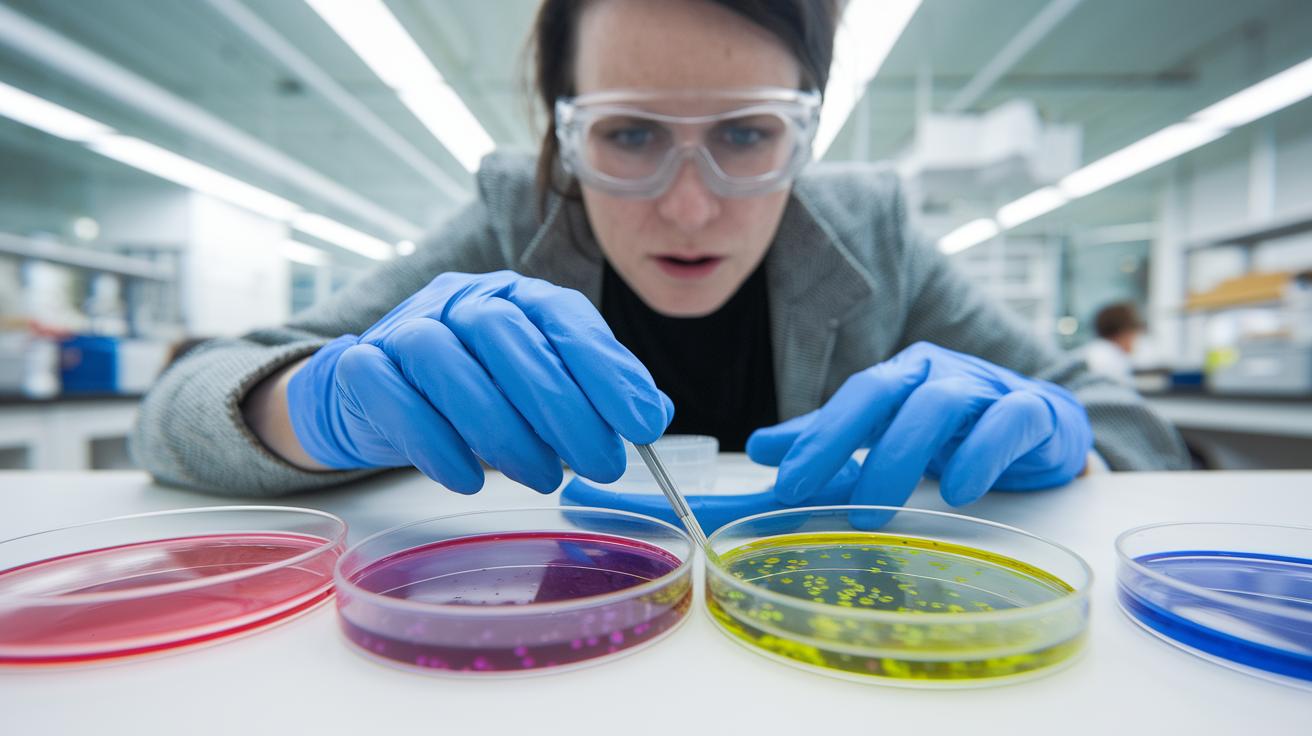
Bio art thinkers are constantly pushing limits, blending living organisms with bold creativity. Whether you’re just beginning to explore or already deep in a lab, these projects invite everyone to see art differently. Creators use microbes, plant tissues, and even bioengineered life to challenge the usual way we think about both science and art. In doing so, they spark awe and conversations about life, sustainability, and transformation.
Collaborations between artists, scientists, and designers form the beating heart of this movement. Imagine a bacterial painting where every microbe plays a tiny yet crucial role, or a genetic art kit that makes you see living matter in a whole new light. These projects don’t just mix science with creativity, they create vibrant spaces where technical skill meets imaginative flair, making science accessible and fun.
Hands-on workshops and interactive kits, like the Engineer-it Kit, bring these ideas to life. In these safe, creative spaces, curious hobbyists and experienced researchers alike are encouraged to experiment and build. They get to assemble, tweak, and showcase art that celebrates nature’s dynamic energy, turning everyday science into a shared, creative adventure.
Bio Art Ethics: Considerations and Regulations
Bio art creates a lively debate by using living things like cells and bacteria to make art. This approach makes us wonder, can we treat living matter as just a medium for our creative ideas? It’s a question that invites us to think about whether using life in art respects its natural purpose.
To keep everyone safe, artists follow strict safety rules. They work in clean, controlled spaces using tools like Petri dishes and incubators (which help keep things sterile) to avoid contamination. Oversight groups, such as institutional review boards, check these projects to make sure they meet health guidelines, protecting both the artists and the public while encouraging responsible experimentation.
Public policy is a key player in guiding bio art. Clear rules help decide how and when living artworks can be shown, reducing any biohazard risk. Leaders and scientific experts team up to set these safety standards, which not only safeguard our communities but also support ethical creativity. In short, these guidelines let artists take bold steps while keeping trust between creators, audiences, and regulators.
Bio Art Futures: Contemporary Trends and Aesthetic Exploration
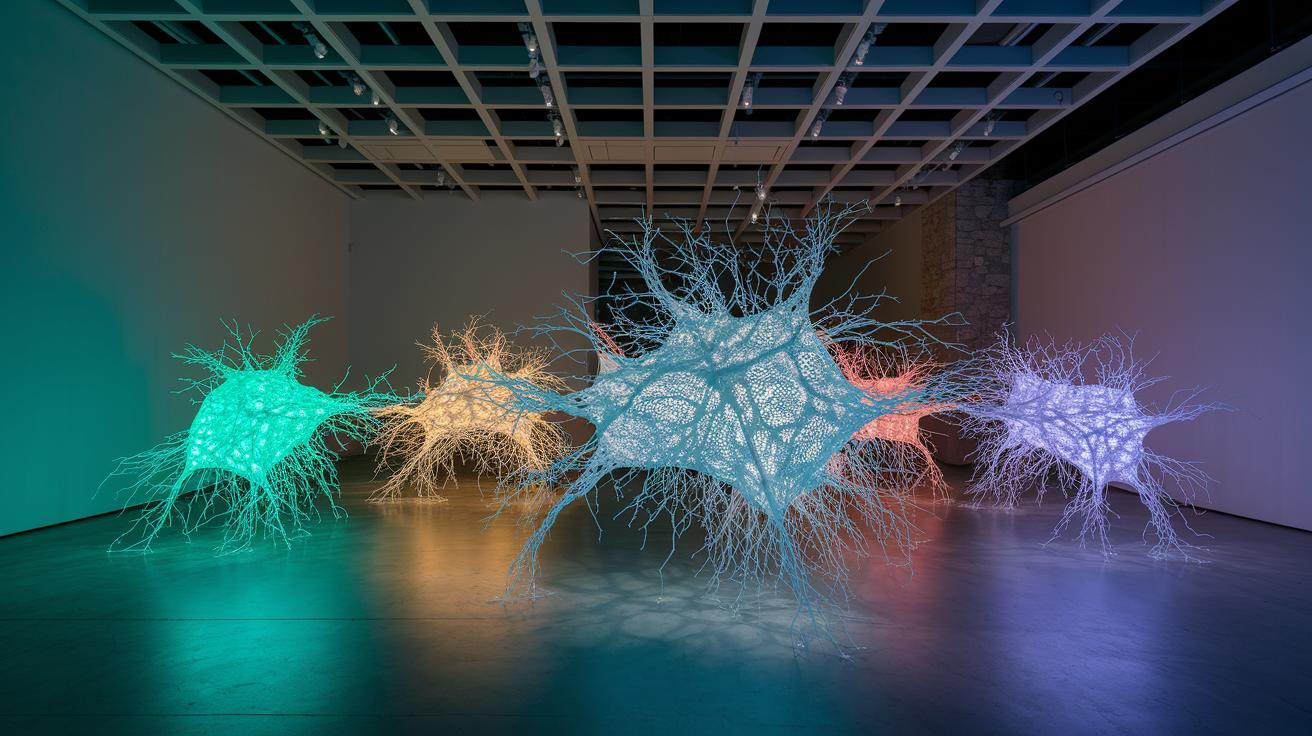
Lately, breakthroughs in bio art are completely reshaping how we feel and interact with creative works that seem almost alive. Artists are now getting creative with bioengineering, crafting visuals that pulse with a life of their own. Imagine viewing pieces where glowing cellular designs dance and change under different lights, that’s the magic of using engineered pigments that react to their surroundings.
In simple terms, these artworks don’t just sit on a wall; they engage in a lively conversation with the environment, evolving right before your eyes. And it doesn’t stop there. Some artists build installations that you, as the viewer, can touch or even subtly influence, blurring the old line between creator and audience. Plus, with digital forms of living organisms, there’s an exciting blend of natural biology and new-age tech. Each of these methods not only tickles your senses but also sparks deeper thoughts about the intricate ties between technology and living nature.
In short, bio art is quickly stepping into a future of immersive biomedia theaters and adaptable ecological displays. This brave new world invites us all to explore, imagine, and engage in a form of art that truly lives and breathes.
- Designs with luminous cells that adjust to ambient light.
- Living installations where your interactions matter.
- Digital sketches of organisms that mix classic art with modern tech.
- Synthetic biology that conjures up entirely new colors.
- Immersive biomedia theaters that promise unique, dynamic experiences.
- Ecological setups that tune in to environmental shifts.
Bio Art Exhibitions and Educational Resources
School programs are now welcoming bio art with enthusiasm. New curriculum guides and easy-to-follow manuals are supporting AP Bio, biotech electives, and integrated science courses. These tools invite students, teachers, and even hobbyists to explore where biology meets art, making science accessible and delightfully creative.
Hands-on learning really comes to life with kits like the Agar Art Canvas Kit and the Yeast Canvas Kit. Schools and community centers use these kits with teacher training sessions to ensure safe, accurate lab practices. This thoughtful blend of creative play and structured learning allows everyone to experiment and discover in a supportive environment.
Outside the classroom, bio art has burst into public spaces like galleries and lab workshops. Enthusiasts, researchers, and professional artists gather to view and contribute to installations made with living organisms, sparking curiosity and conversation. It’s a fun, interactive way to experience the vibrant connection between art and the living world.
Final Words
In the action, we explored bio art fundamentals by defining living media practices and showing how techniques like agar art merge science with creativity. We touched on historical shifts, innovative exhibitions, and ethical frameworks that shape these science-inspired visual works. Breaking down complex research into approachable methods, the discussion revealed how art and clinical insights connect everyday wellness with advanced science. Keep embracing these insights and enjoy the vibrant world of bio art.
FAQ
What is the meaning of bio art?
The meaning of bio art involves merging living organisms and life processes with artistic expression. This approach creates visual works that spark conversations around science, ethics, and society.
Which works are examples of bio art?
The examples of bio art include microbial paintings using agar art, cell culture sculptures, and installations that integrate living media to bridge art with scientific inquiry.
How do you write a bio for art?
The bio for art is crafted by clearly summarizing your creative vision, techniques, and influences. It highlights your unique blend of artistic expression with scientific methods in an engaging, accessible manner.
Is it bio art or bioart?
The terms bio art and bioart are used interchangeably, both referring to artworks that incorporate living materials and biological processes, though some communities may prefer one spelling for stylistic consistency.
What are some bio art ideas and innovations?
Bio art ideas include creating terrariums with living ecosystems, dental-inspired microbial projects, and interactive installations that invite audiences to experience the creative intersection of art and life science.
How do copy and paste concepts apply to bio art?
The copy and paste concept in bio art refers to replicating biological patterns and processes. This method inspires artworks that reflect natural replication and variation, blending technology with living forms.
What is a bio art website?
A bio art website is an online platform that showcases projects, techniques, and creators who blend biology with art. It serves as an educational resource and a gallery for innovative, science-inspired artworks.
What is a bio art maker?
A bio art maker is an artist who employs biological elements and scientific tools to create artworks. This creative process often involves using living tissues, microbes, or cell cultures to produce dynamic art.
How does bio art integrate with dental practices?
Bio art in dental practices explores creative aesthetics using bio-inspired techniques and microbial art. These projects often inspire discussions about the interplay between scientific innovation and visual creativity.
What is a bio art articulator?
A bio art articulator refers to a tool or device used to arrange or model living tissues in art projects. It helps artists shape dynamic, scientifically-informed works that engage both biology and design.